Iceland
Land of fire and ice, northern lights
Iceland Travel Essentials
Best Time to Visit
Important Dates
Safety
- Emergency number: 112
- Check road.is and vedur.is daily - weather changes fast
Money & Costs
Cities in Iceland
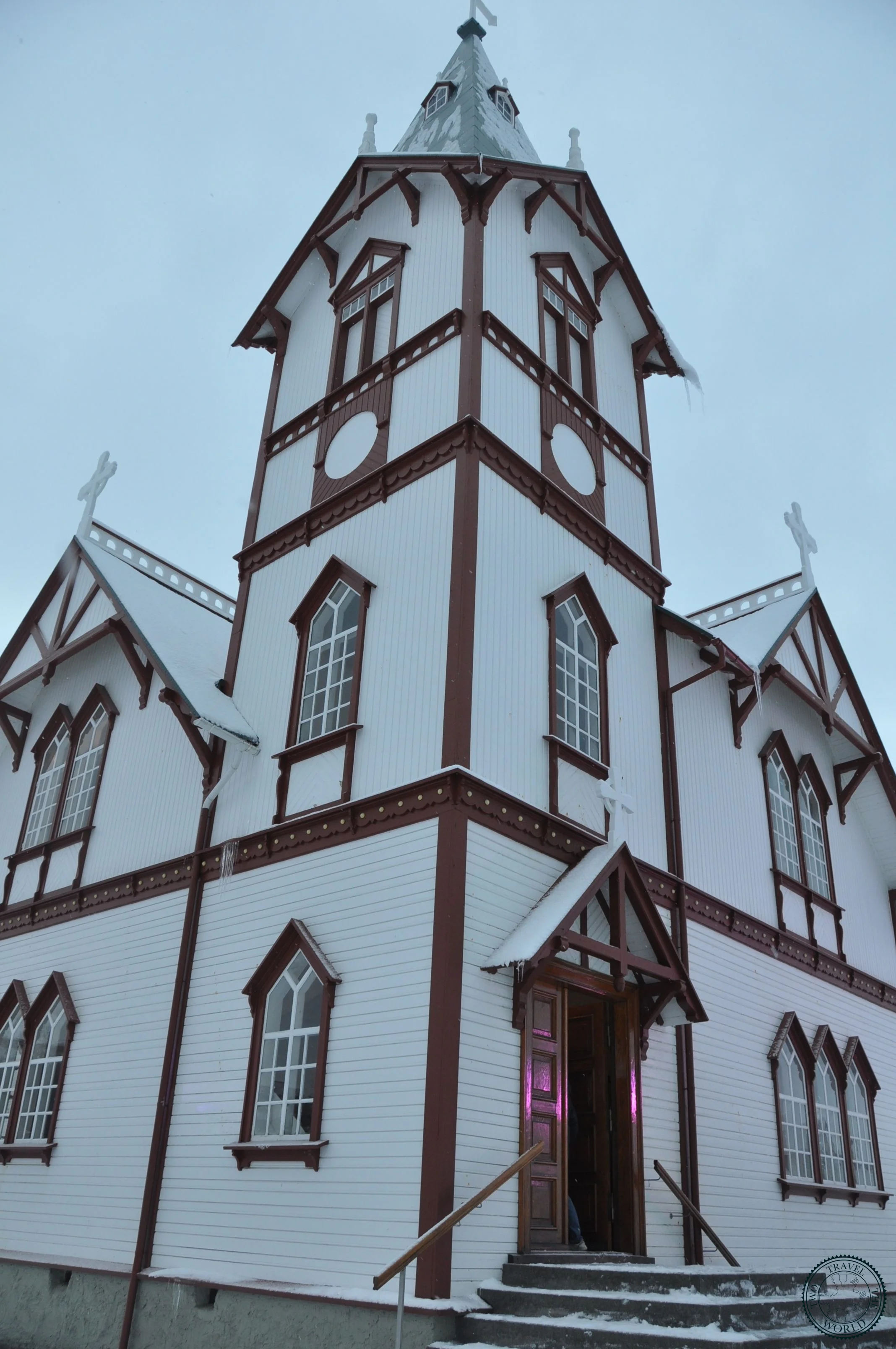
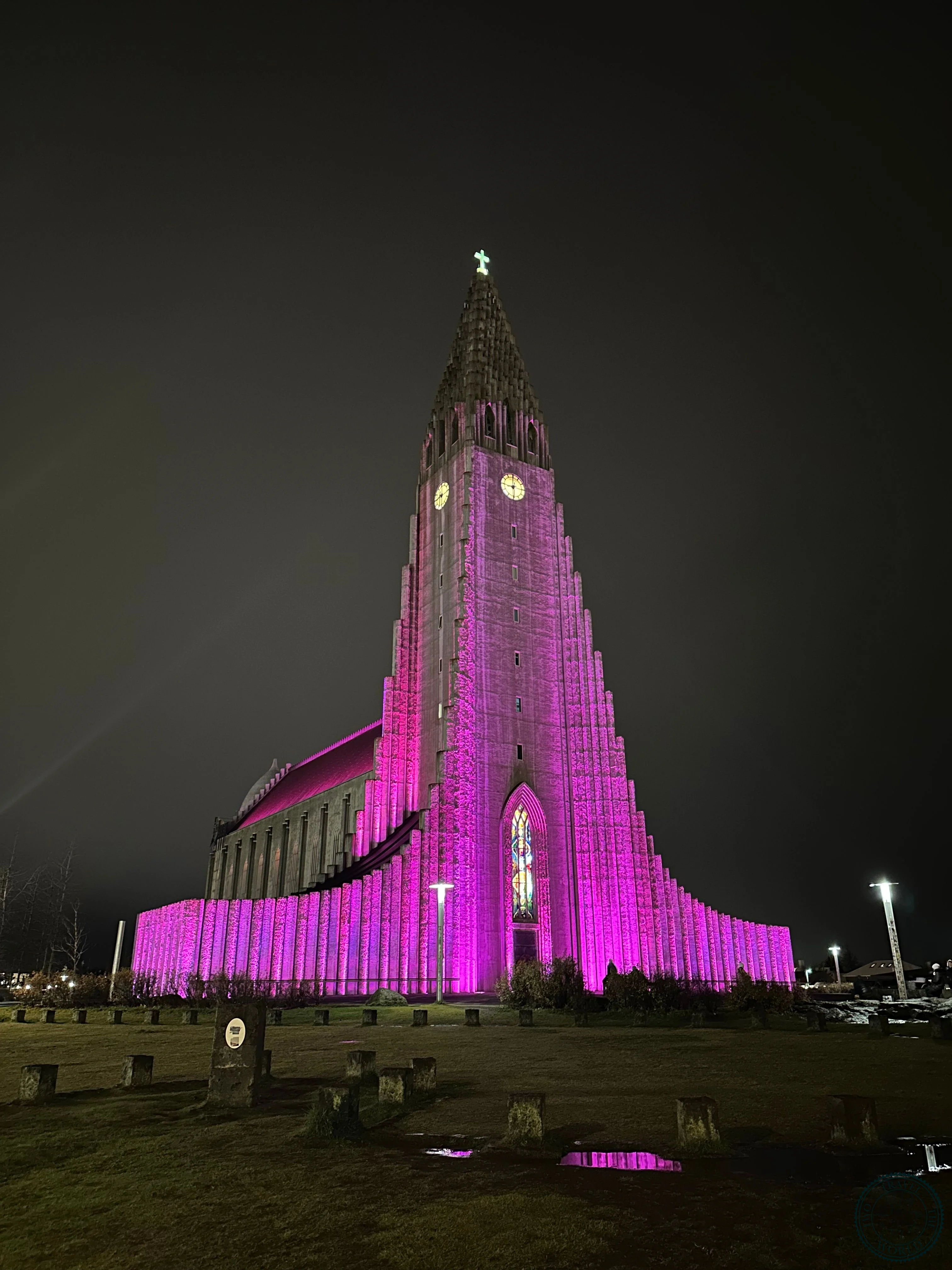
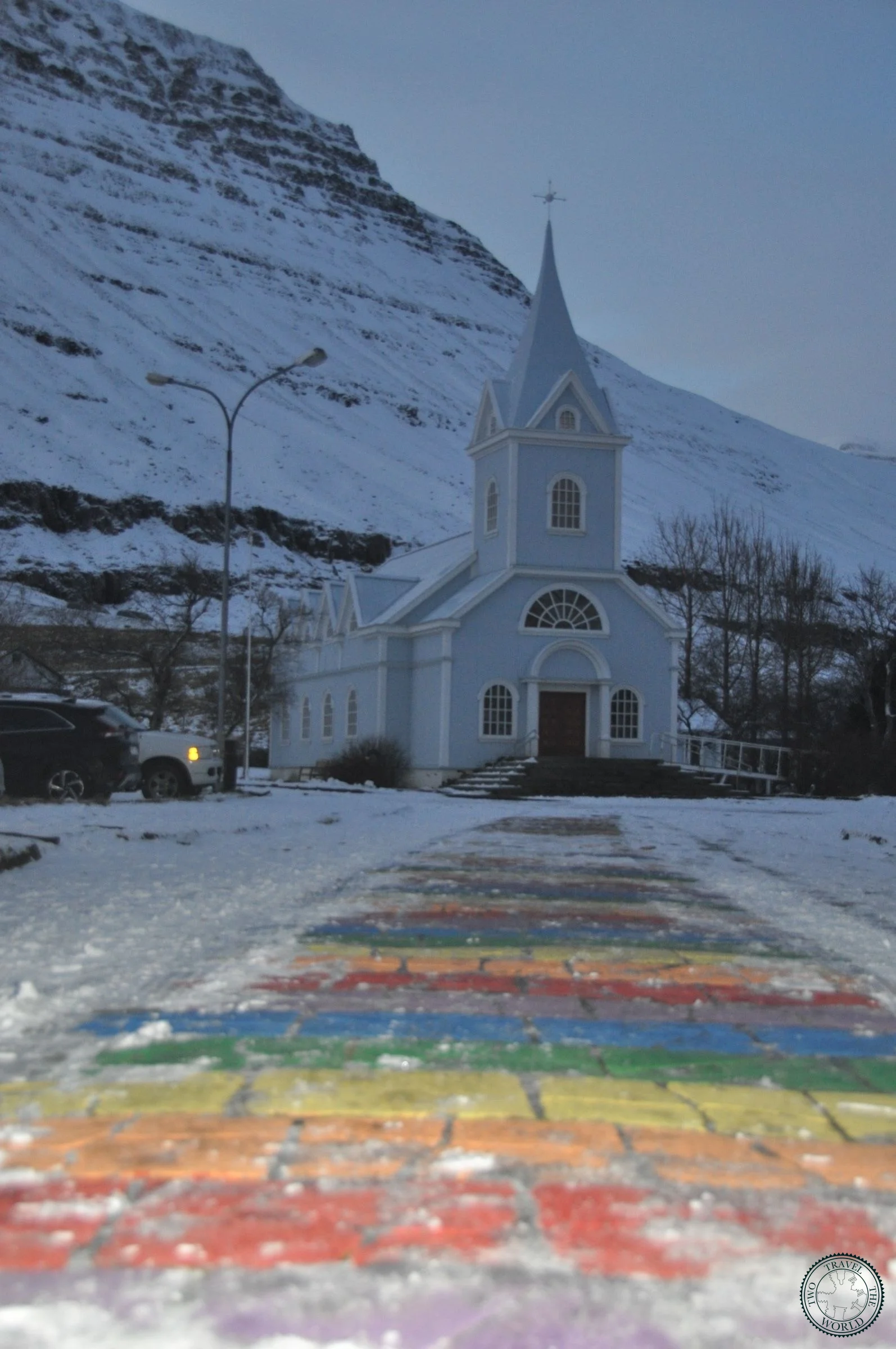
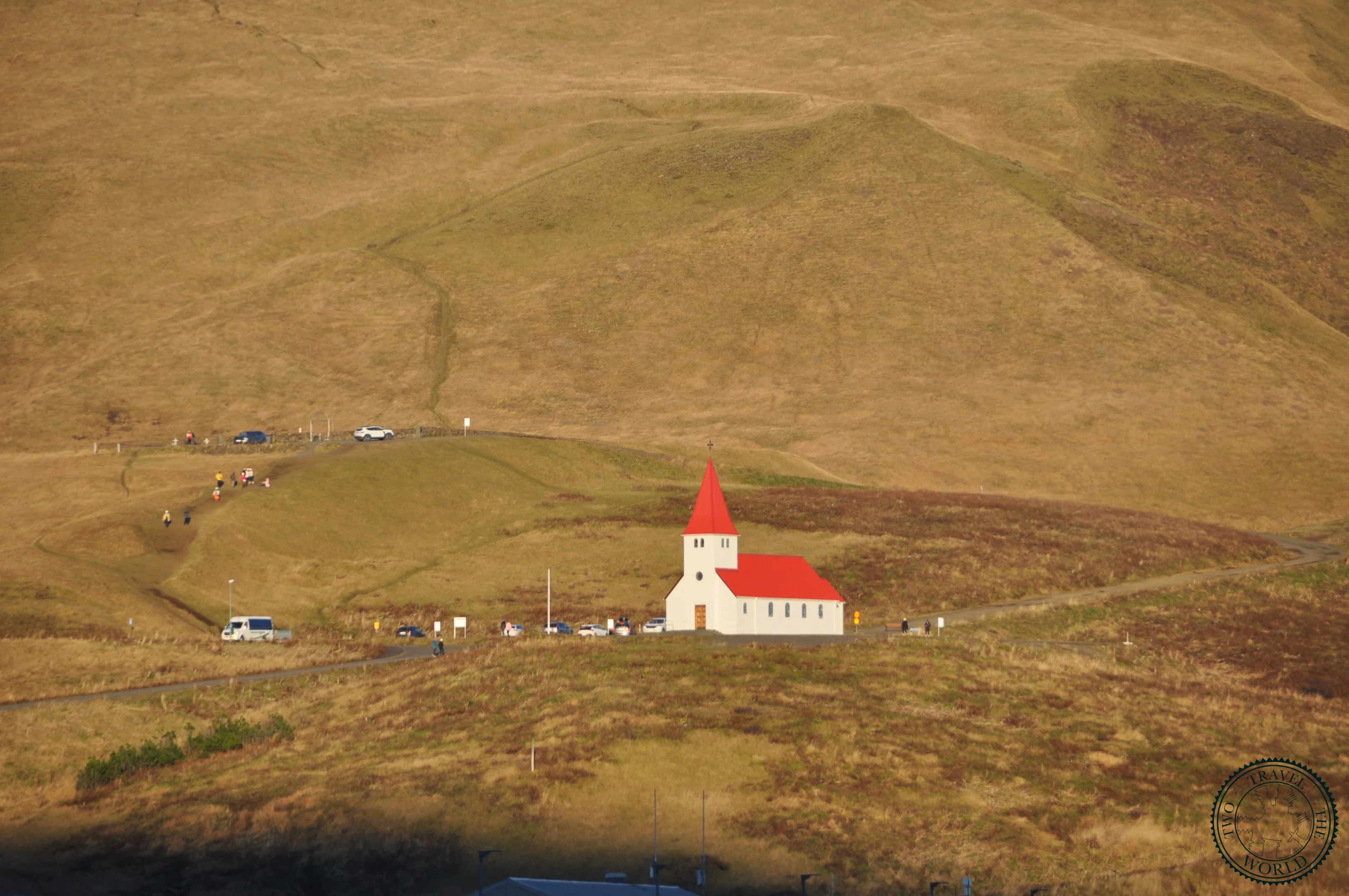
Explore the cities we visited in Iceland and discover unique experiences in each one.

Experiences in Iceland
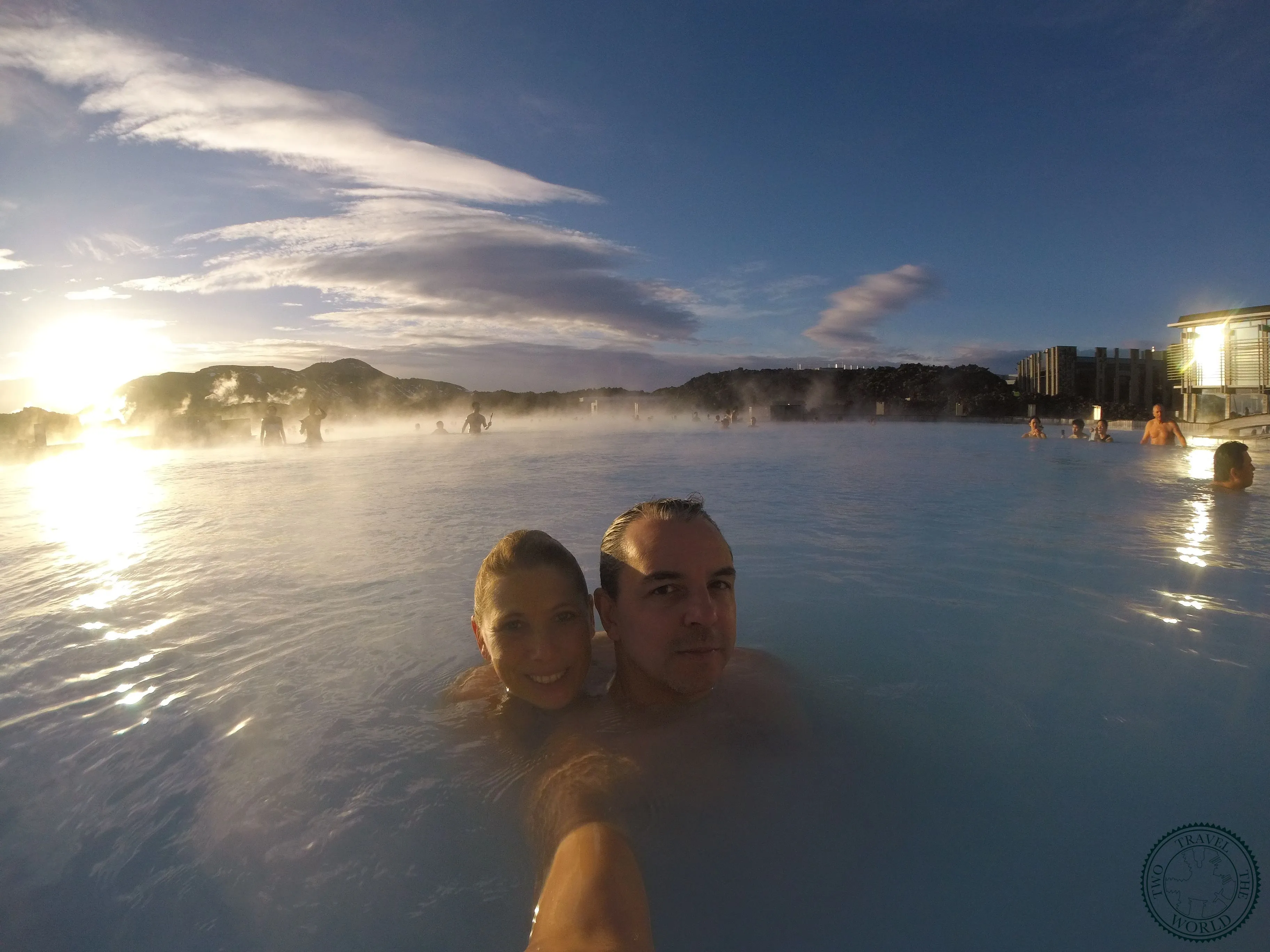
Blue Lagoon
We'll be honest — we went in sceptical about the hype and the price tag. But floating in milky-blue water surrounded by black lava rock at 8 AM, with steam rising into the cold air and hardly anyone else around, won us over.
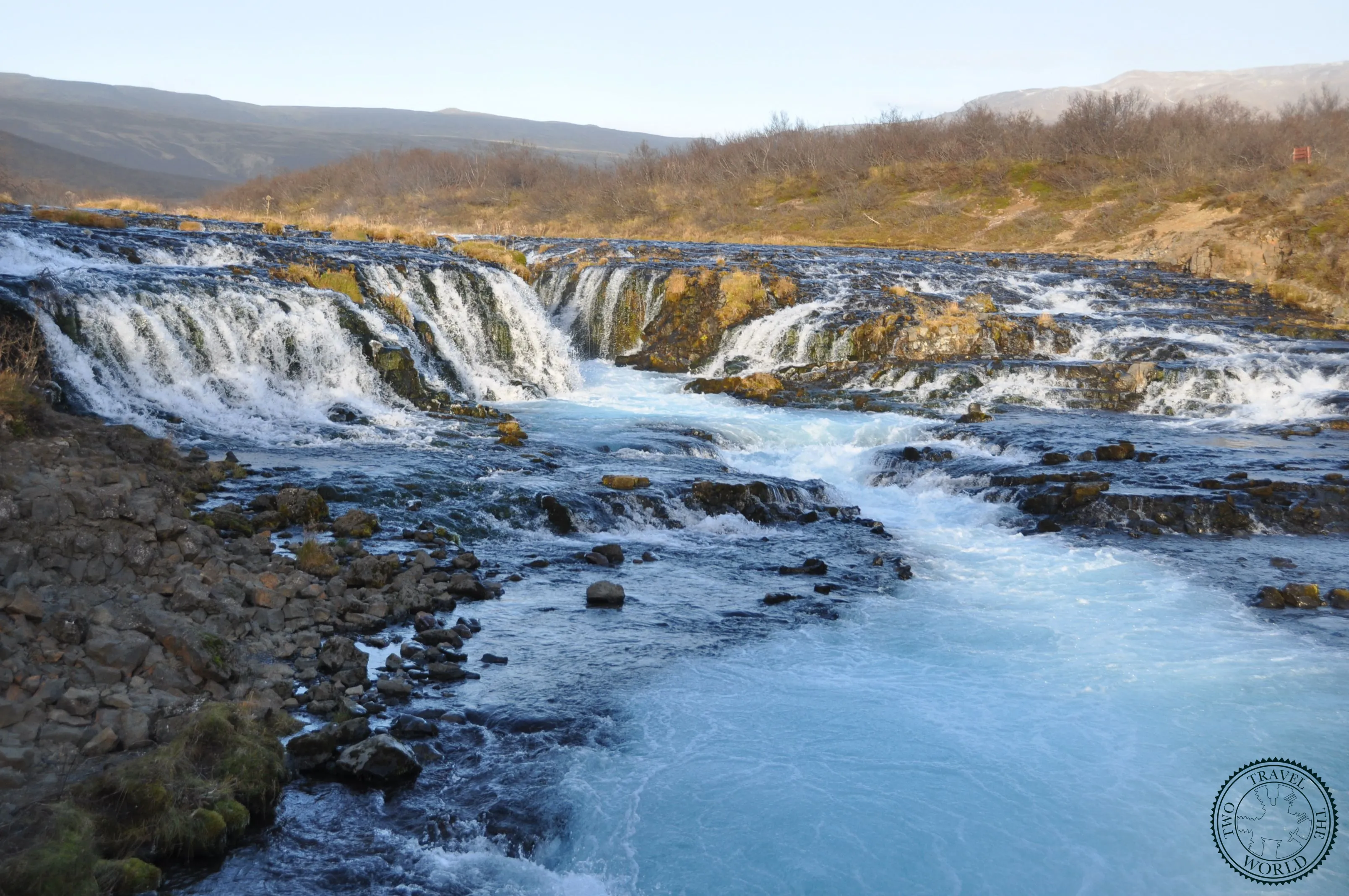
Brúarfoss
Brúarfoss might be the most vivid blue waterfall in Iceland — glacial meltwater from Langjökull filters through lava rock and emerges an almost unreal turquoise, cascading across a wide rocky shelf in a series of braided channels.
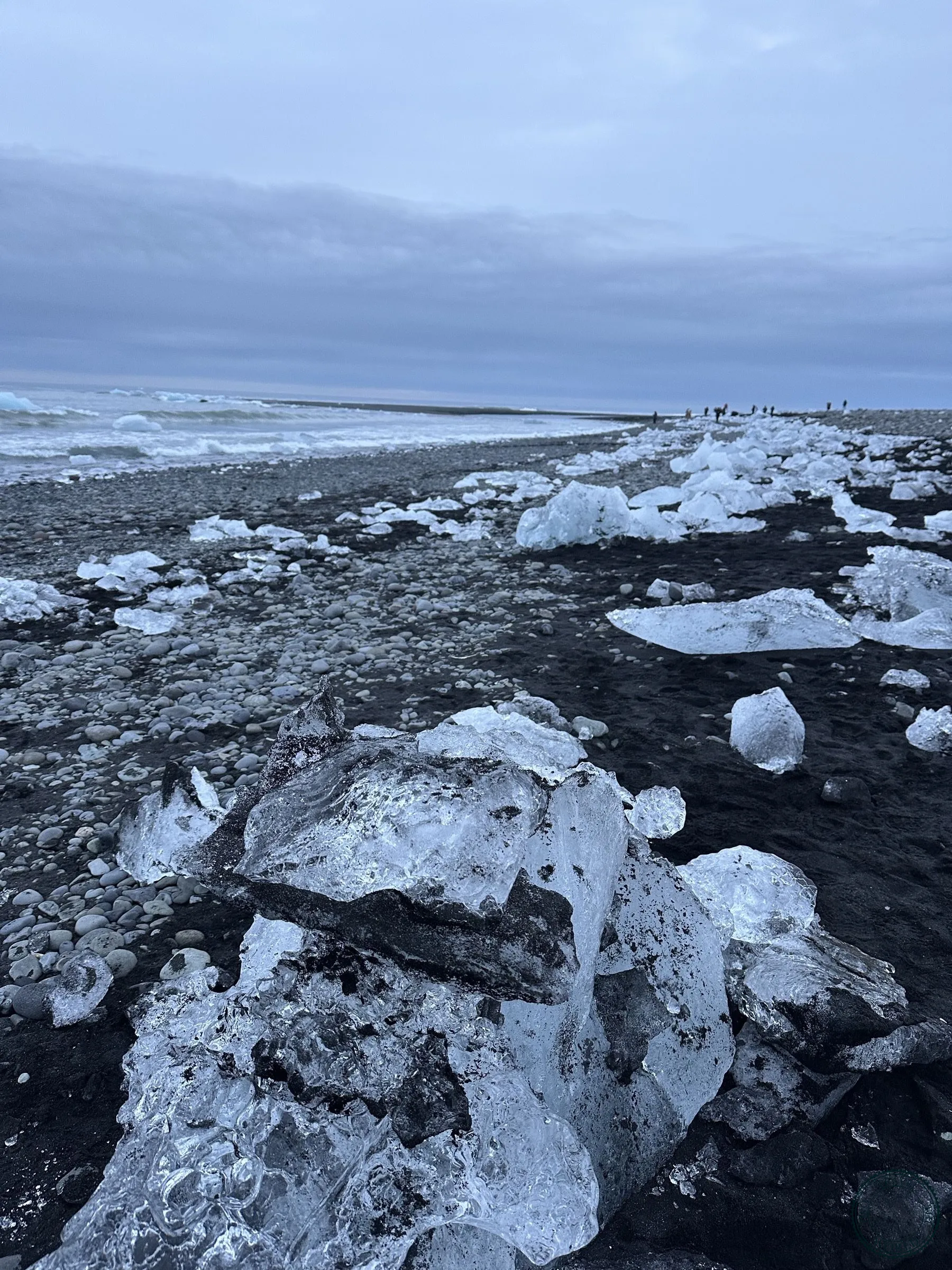
Diamond Beach & Jökulsárlón
Chunks of thousand-year-old glacier ice wash up on jet-black sand like scattered diamonds, and across the road, icebergs the size of cars drift through a lagoon toward the open sea. Two of Iceland's most surreal landscapes, separated by a bridge.
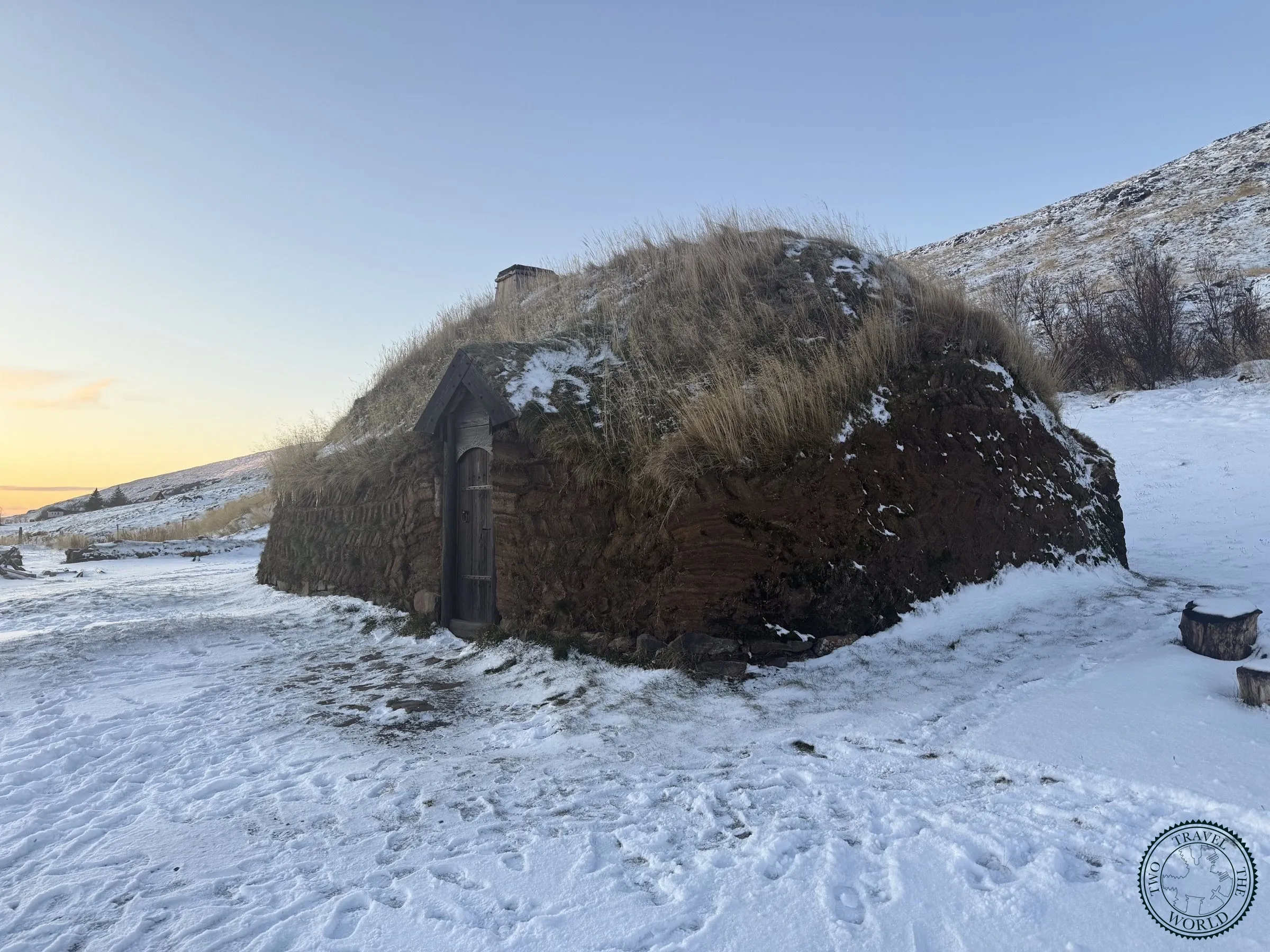
Eiríksstaðir Viking Museum
Eiríksstaðir is a reconstructed Viking longhouse in the Dalir region of West Iceland — the former homestead of Erik the Red and likely birthplace of his son Leif Eiríksson, the first known European to reach the Americas. A guide in period dress tells the sagas by an open fire.
Fagradalsfjall Volcano Trail
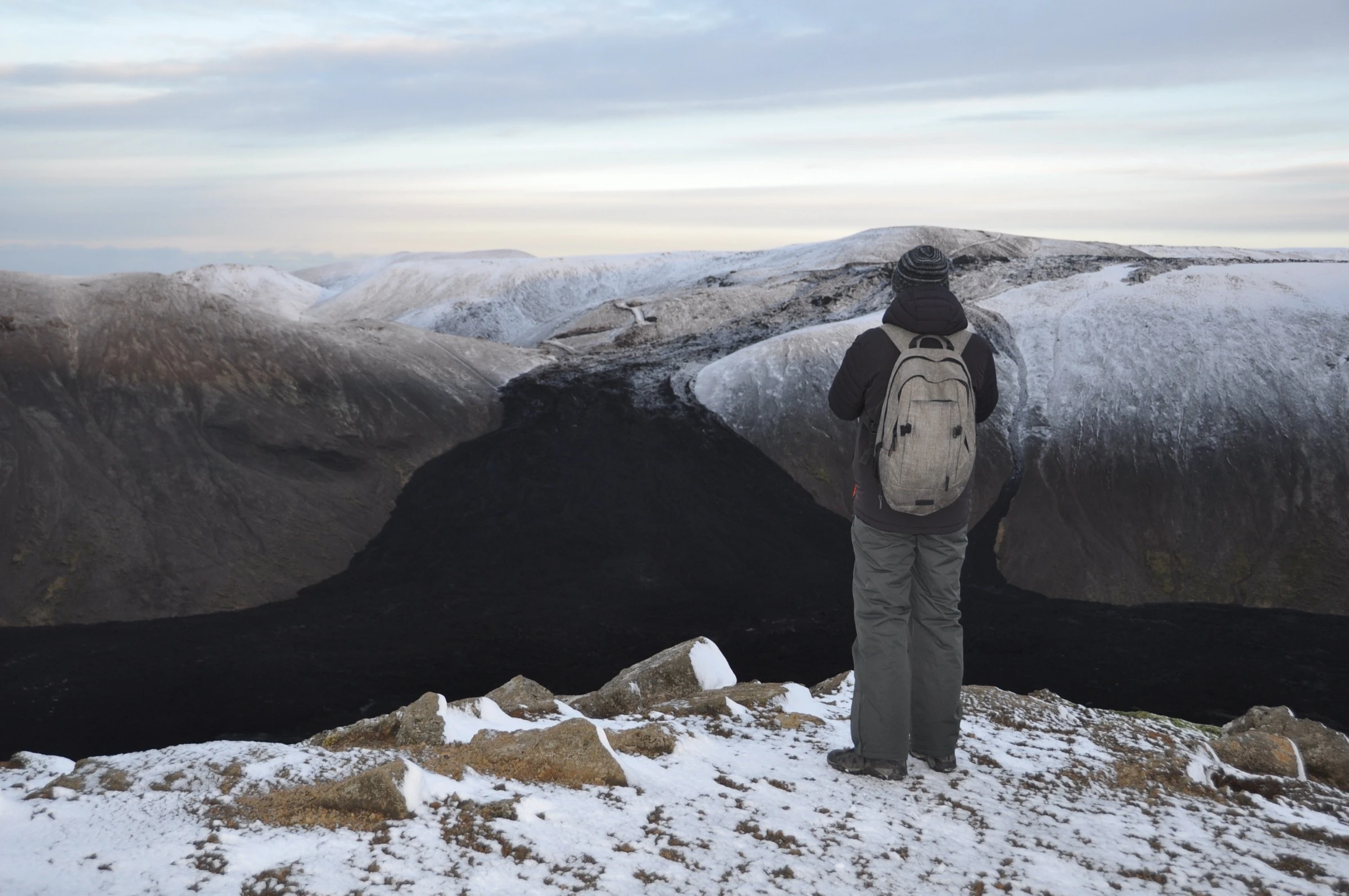
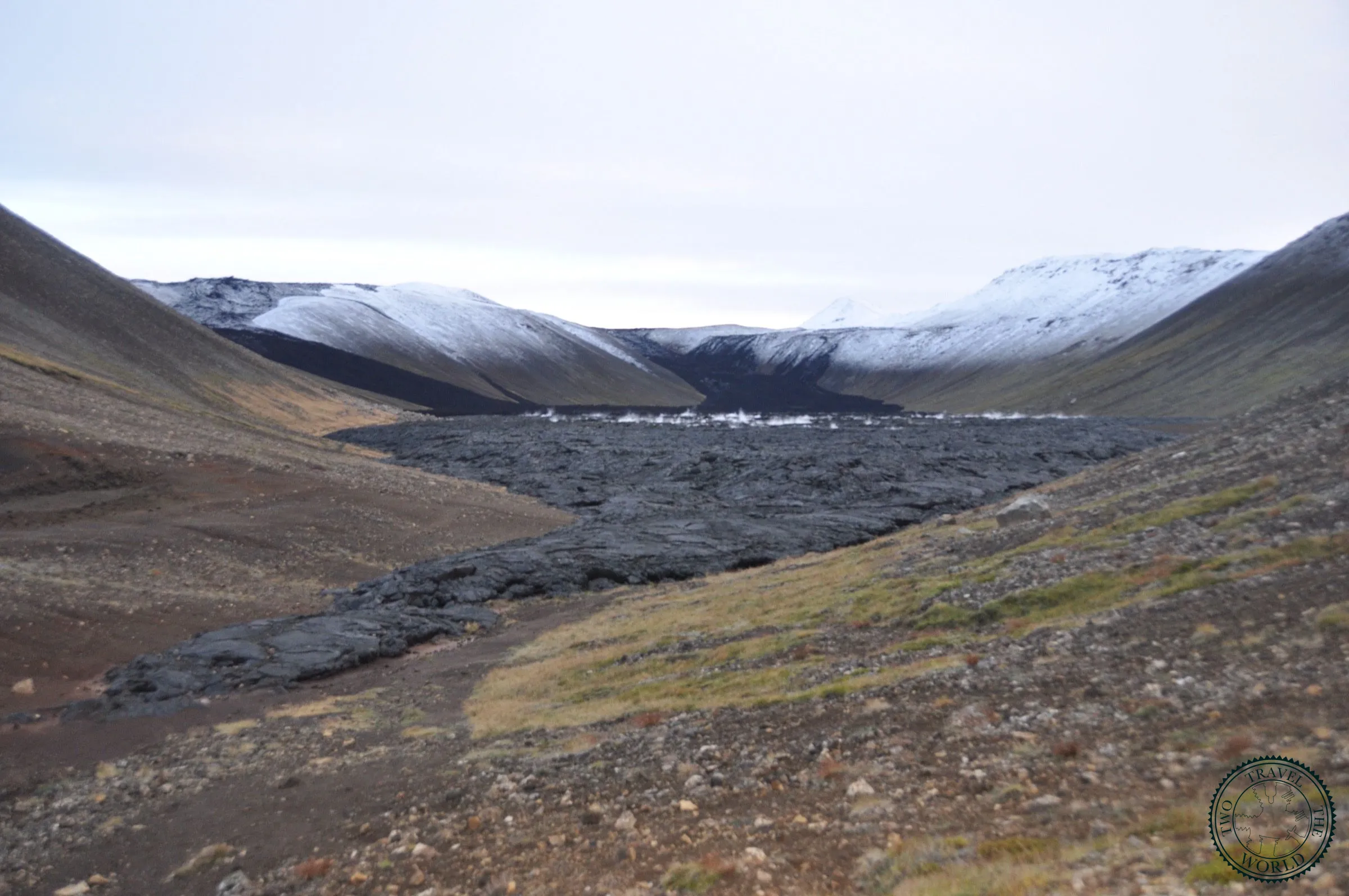
The Reykjanes Peninsula eruptions reshaped this landscape between 2021 and 2025 — walking across still-warm lava fields with steam rising from cracks is about as close to another planet as you'll get without leaving Earth.

Fjaðrárgljúfur Canyon
A 100-metre-deep canyon draped in thick green moss, carved by a river over thousands of years. It went viral after a Justin Bieber music video, but it earned its reputation long before that — the winding rim walk and the views down into the gorge are genuinely breathtaking.
Forest Lagoon
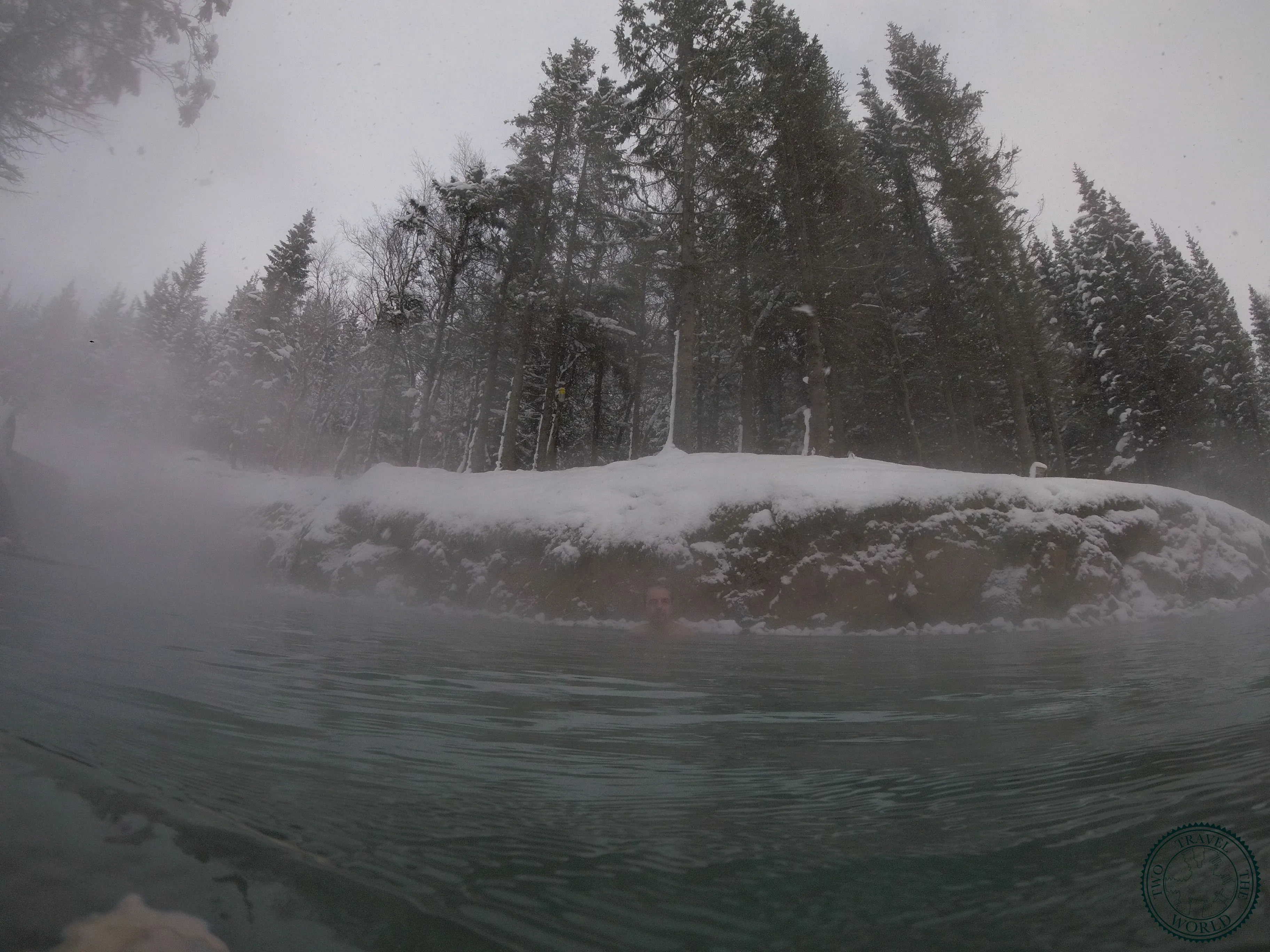
A geothermal spa built into a birch-forested hillside above Eyjafjörður — smaller, quieter, and more intimate than the Blue Lagoon, with infinity-edge pools that make you feel like you're floating above the fjord.
Gjáin Valley
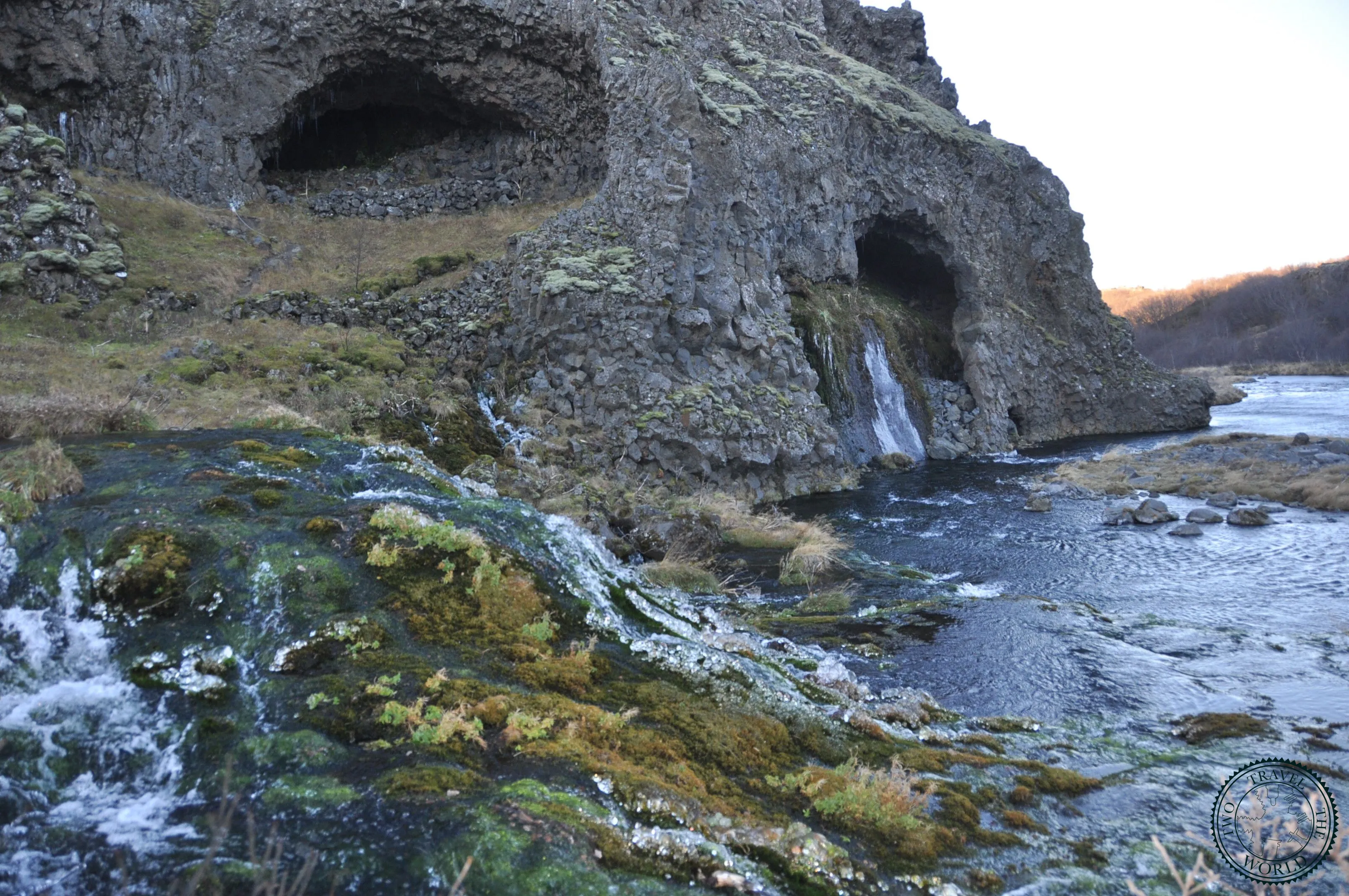
Gjáin is a small, hidden valley in the Þjórsárdalur highlands — a pocket of green in the barren interior where waterfalls tumble over basalt, streams braid through moss-covered lava, and you might have it entirely to yourself.

Gljúfrabúi
Barely 500 metres from the tourist crowds at Seljalandsfoss, Gljúfrabúi hides behind a narrow crack in the rock — wade through ankle-deep water into a small canyon and look up to see a waterfall pouring into a natural cathedral.
Gullfoss
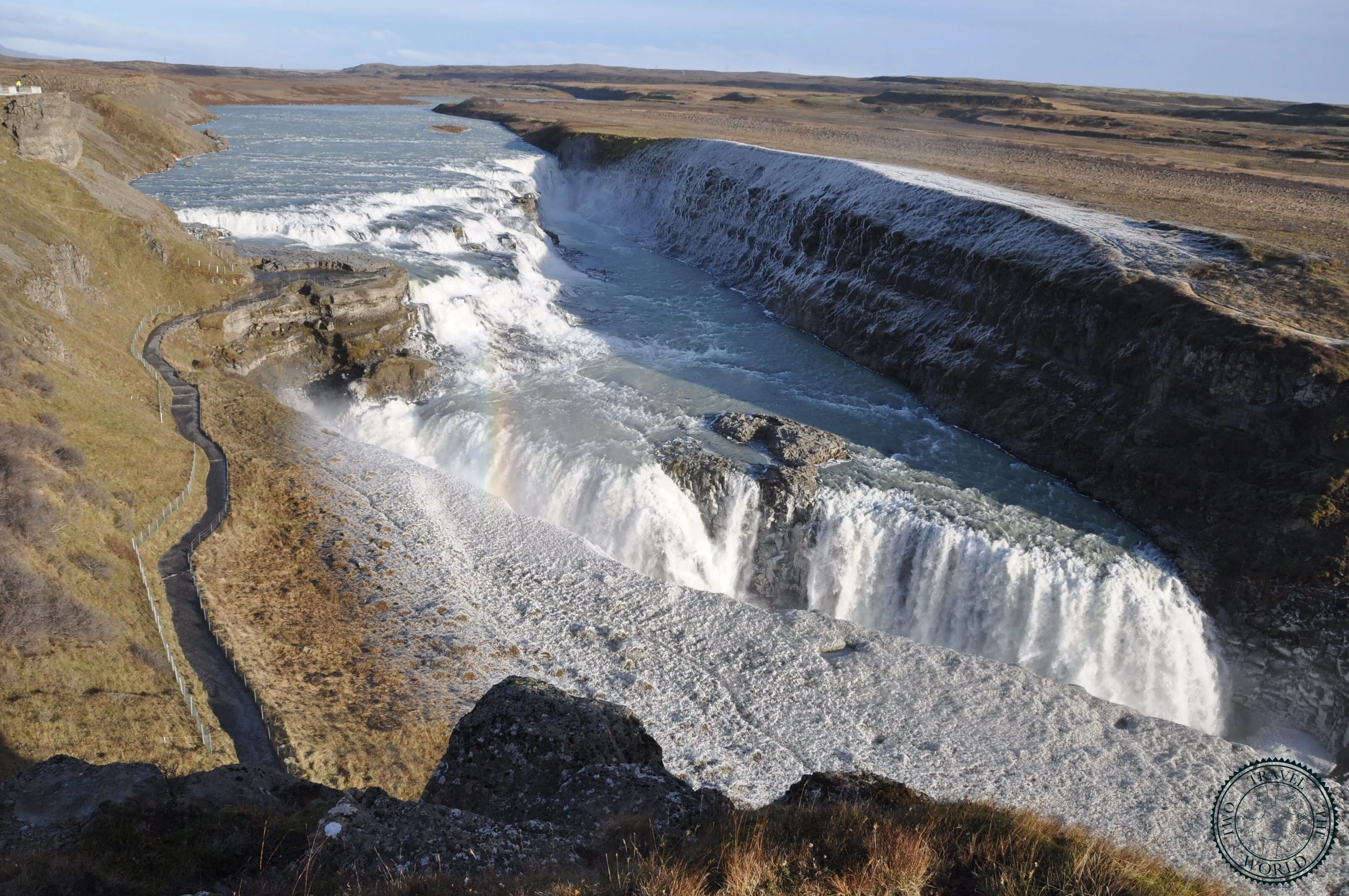
Gullfoss chute de 32 mètres en deux étapes spectaculaires avant de disparaître dans un canyon étroit — placez-vous au point de vue inférieur et la puissance brute de la Hvítá vous frappe en pleine poitrine, avec une bonne dose d'embruns.
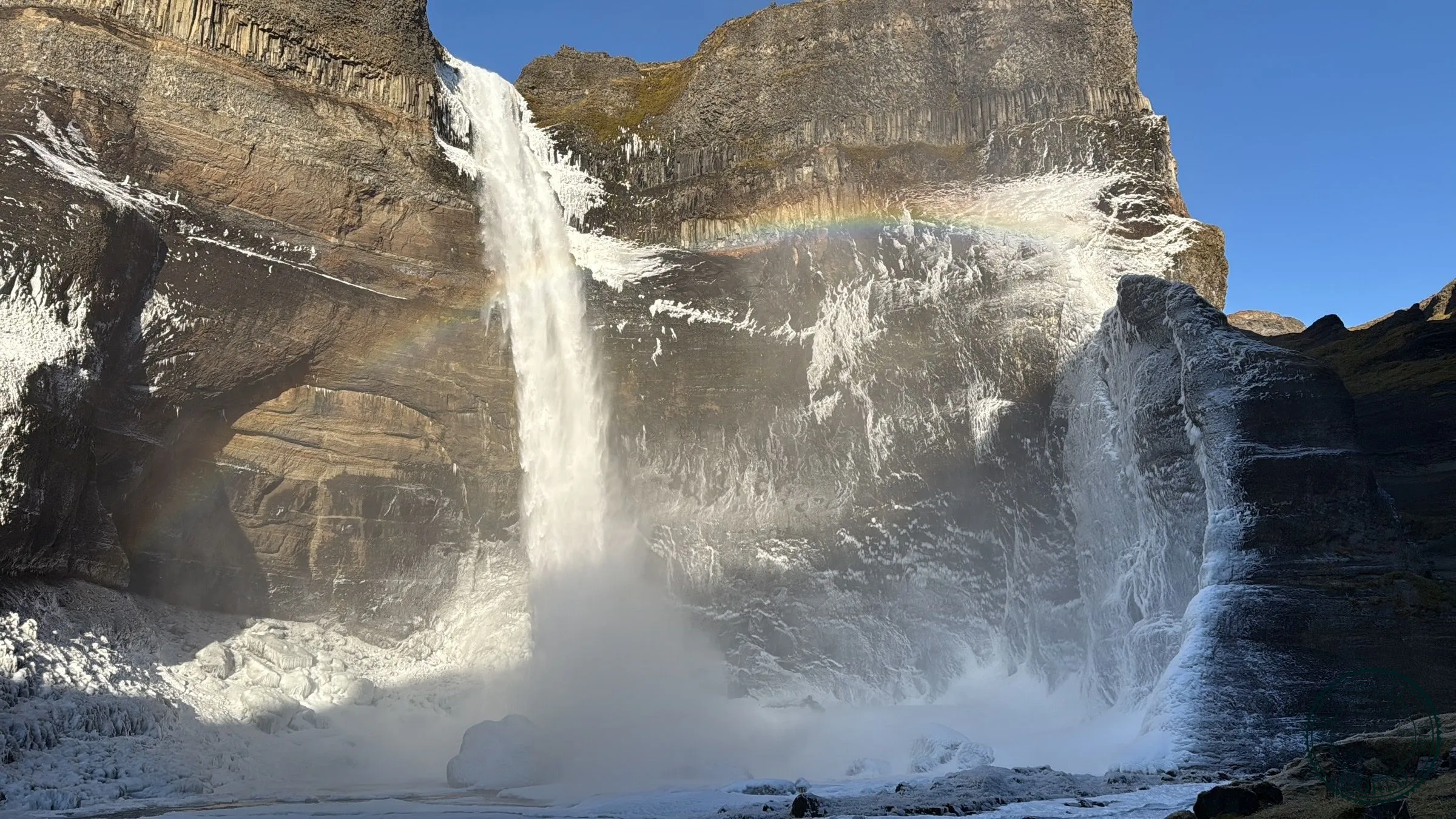
Háifoss
Háifoss drops 122 metres from a highland plateau into the Fossárdalur canyon — and right next to it, its smaller companion Granni falls side by side. The remote setting and sheer scale make this one of Iceland's most rewarding waterfalls to reach.
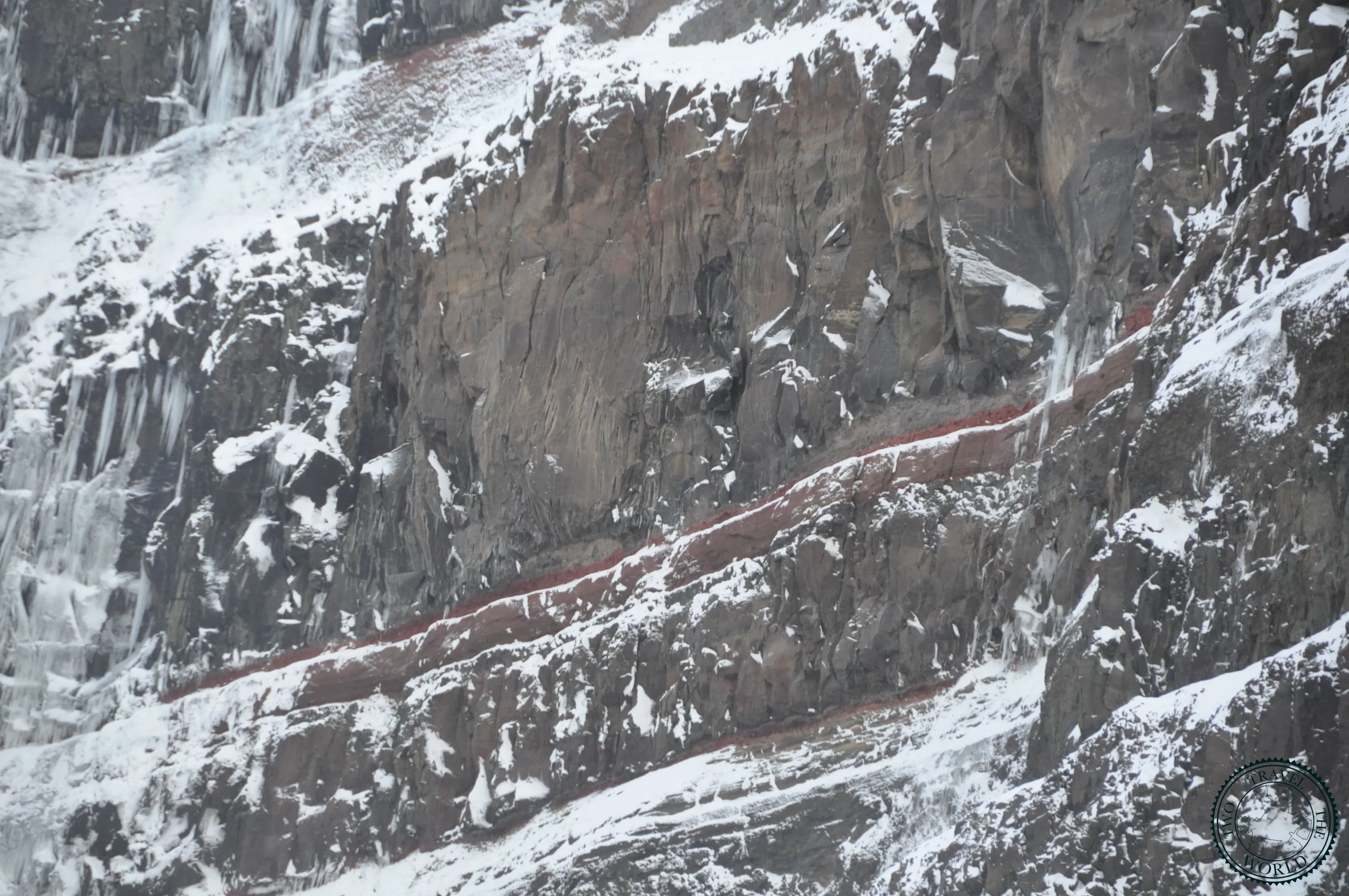
Hengifoss
Iceland's third-tallest waterfall drops 128 metres over cliff walls striped with layers of red clay and dark basalt — the geology alone is worth the 2.5-kilometre uphill hike, and the bonus waterfall of Litlanesfoss halfway up sweetens the deal.
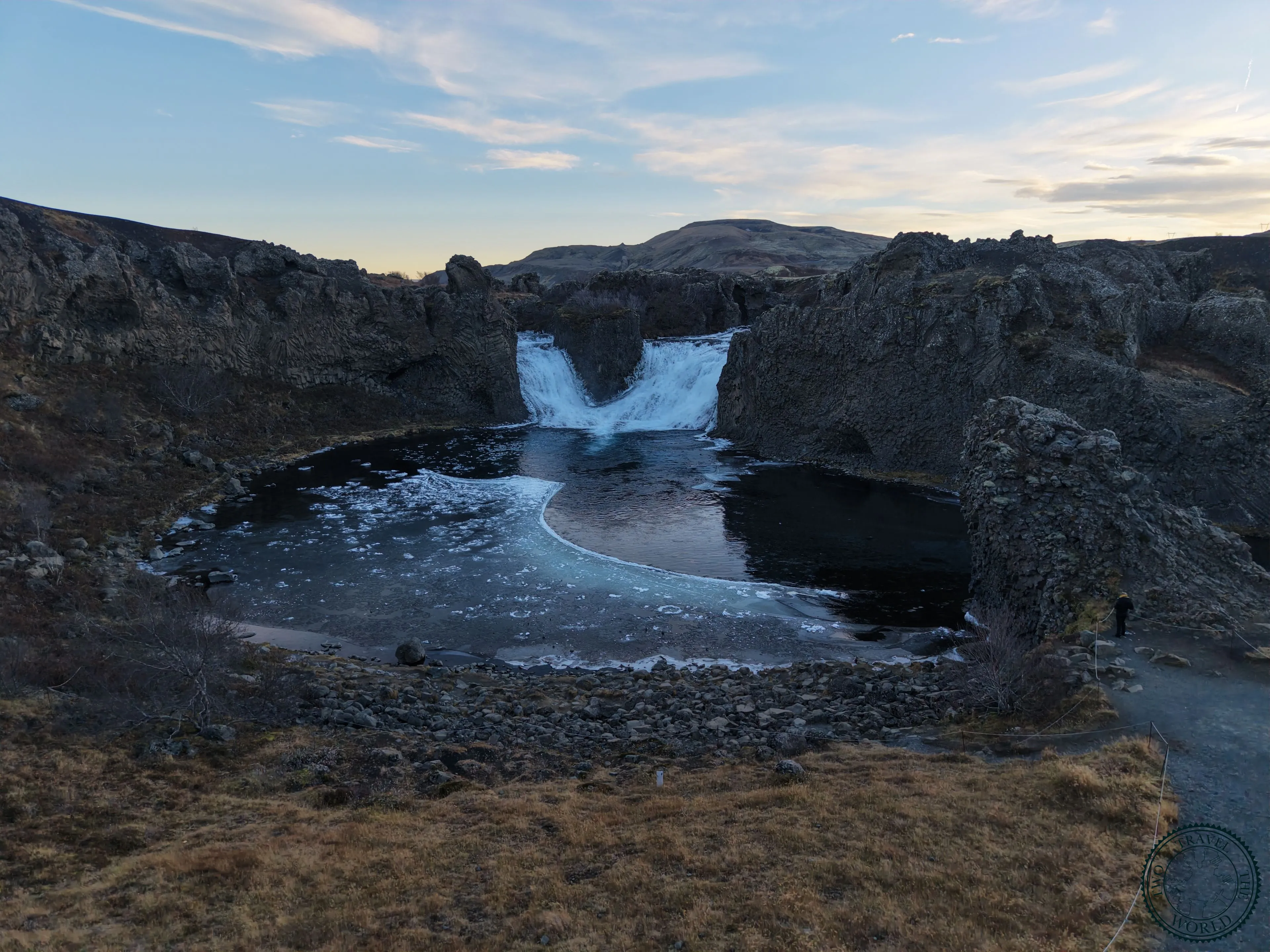
Hjálparfoss
Two streams merge and drop over a ledge of hexagonal basalt columns into a shared pool — Hjálparfoss is compact, easy to reach by regular car, and one of the most photogenic stops in the Þjórsárdalur valley.
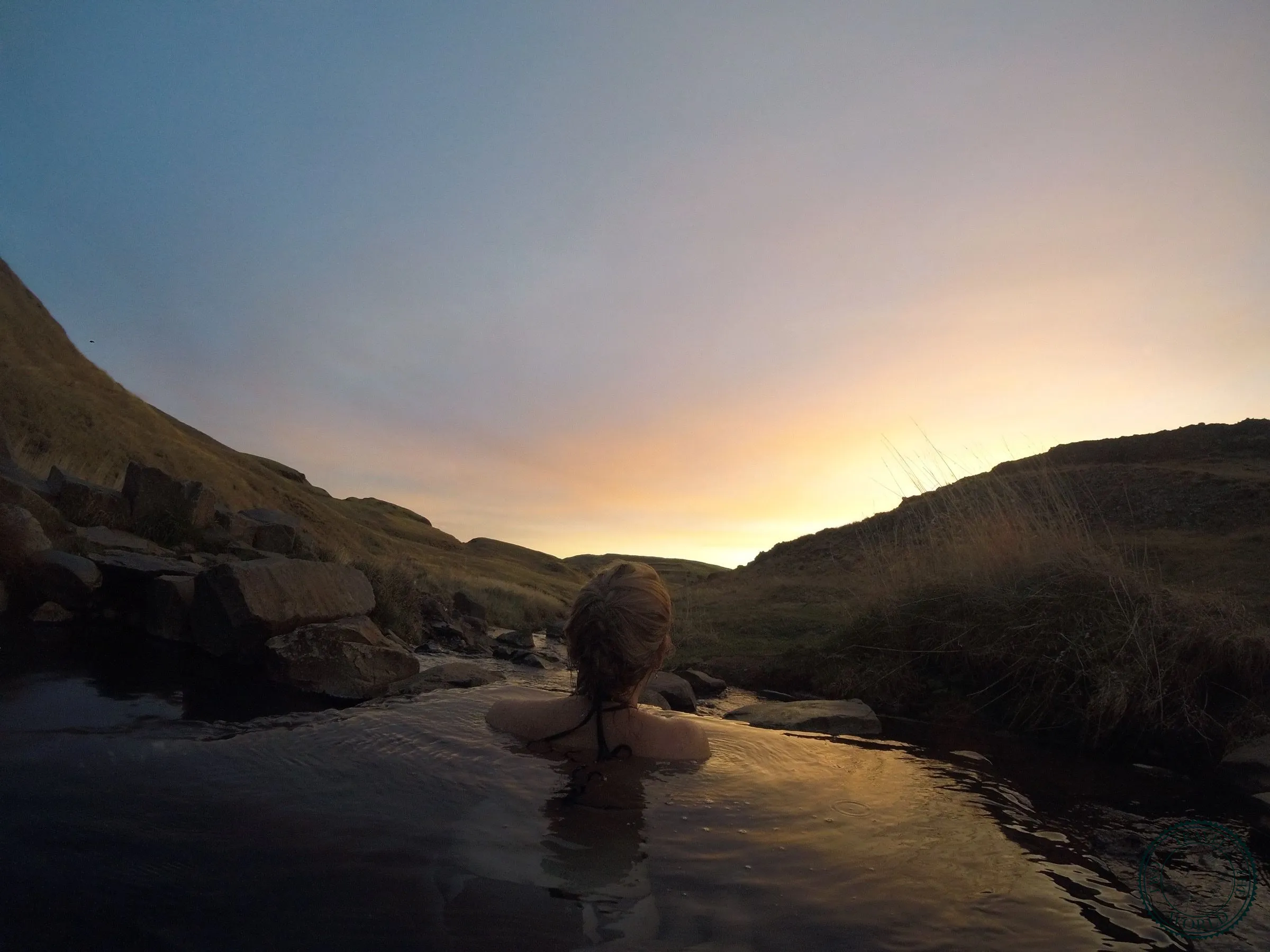
Hrunalaug
Hrunalaug is a small natural hot spring near Flúðir — three stone-lined pools at 32–40°C, privately managed, with a 90-minute time slot and no spa infrastructure in sight. Just warm water, open countryside, and quiet.
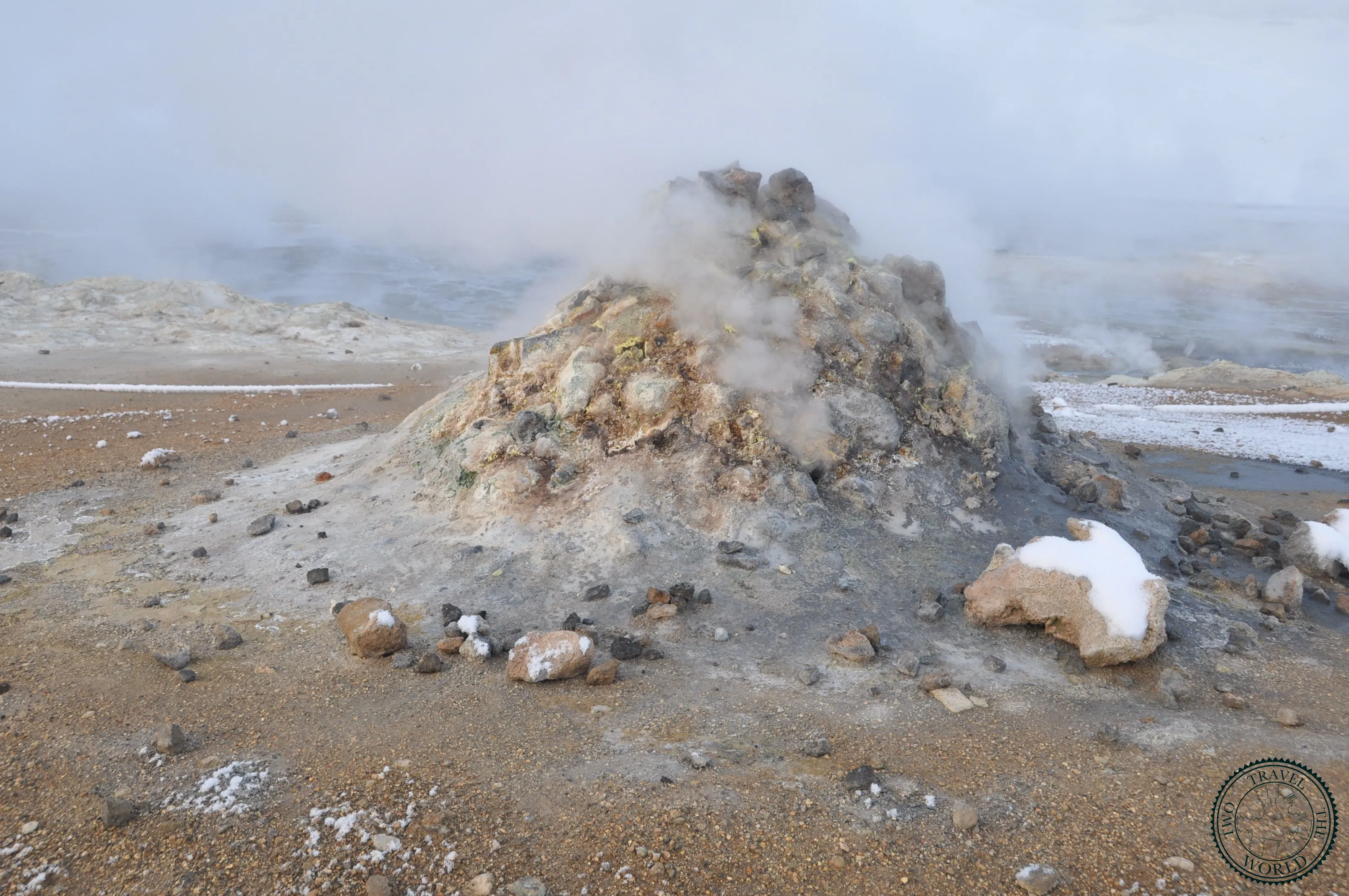
Hverir
A raw, otherworldly geothermal field east of Lake Mývatn where sulphur-crusted vents hiss, mud pots bubble, and the ground itself feels alive — no entrance fee, no barriers, just you and the Earth's plumbing on full display.
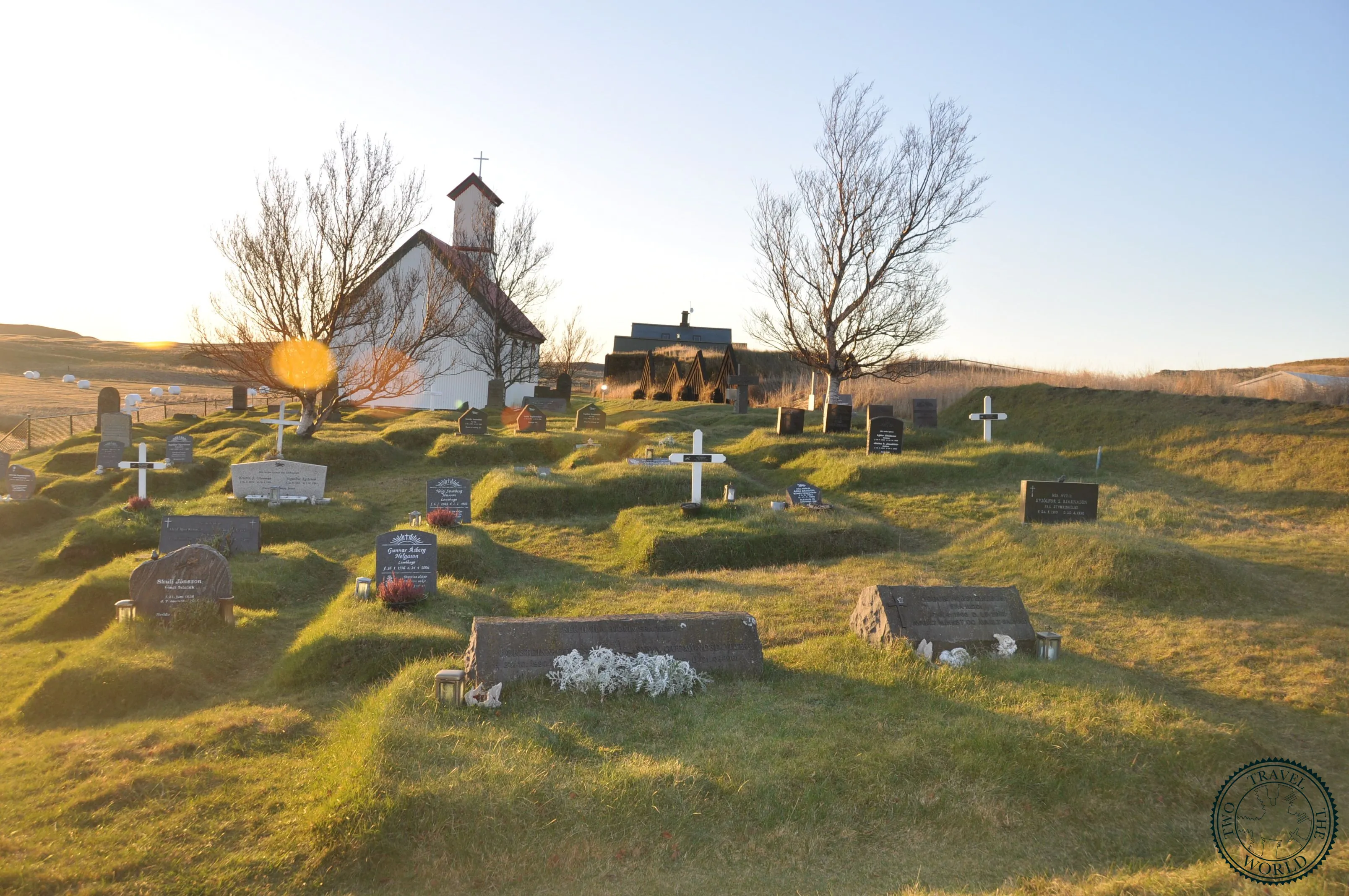
Keldur Turf Houses
Keldur is the oldest fully standing turf farmhouse in Iceland — a cluster of grass-roofed buildings dating to the 12th century, connected by an underground stone tunnel, in the heart of Njáls Saga country.

Kvernufoss
Kvernufoss is a 30-metre waterfall hiding in a gorge just a 15-minute walk from Skógafoss — you can walk behind the curtain of water through a natural alcove, and most days you'll have it almost entirely to yourself.

Nauthúsagil
Nauthúsagil is a narrow, moss-covered ravine on the flanks of Eyjafjallajökull — wade through a shallow stream, grab the fixed ropes, and squeeze into a canyon that opens onto a hidden waterfall at the back. It feels like trespassing into a secret.
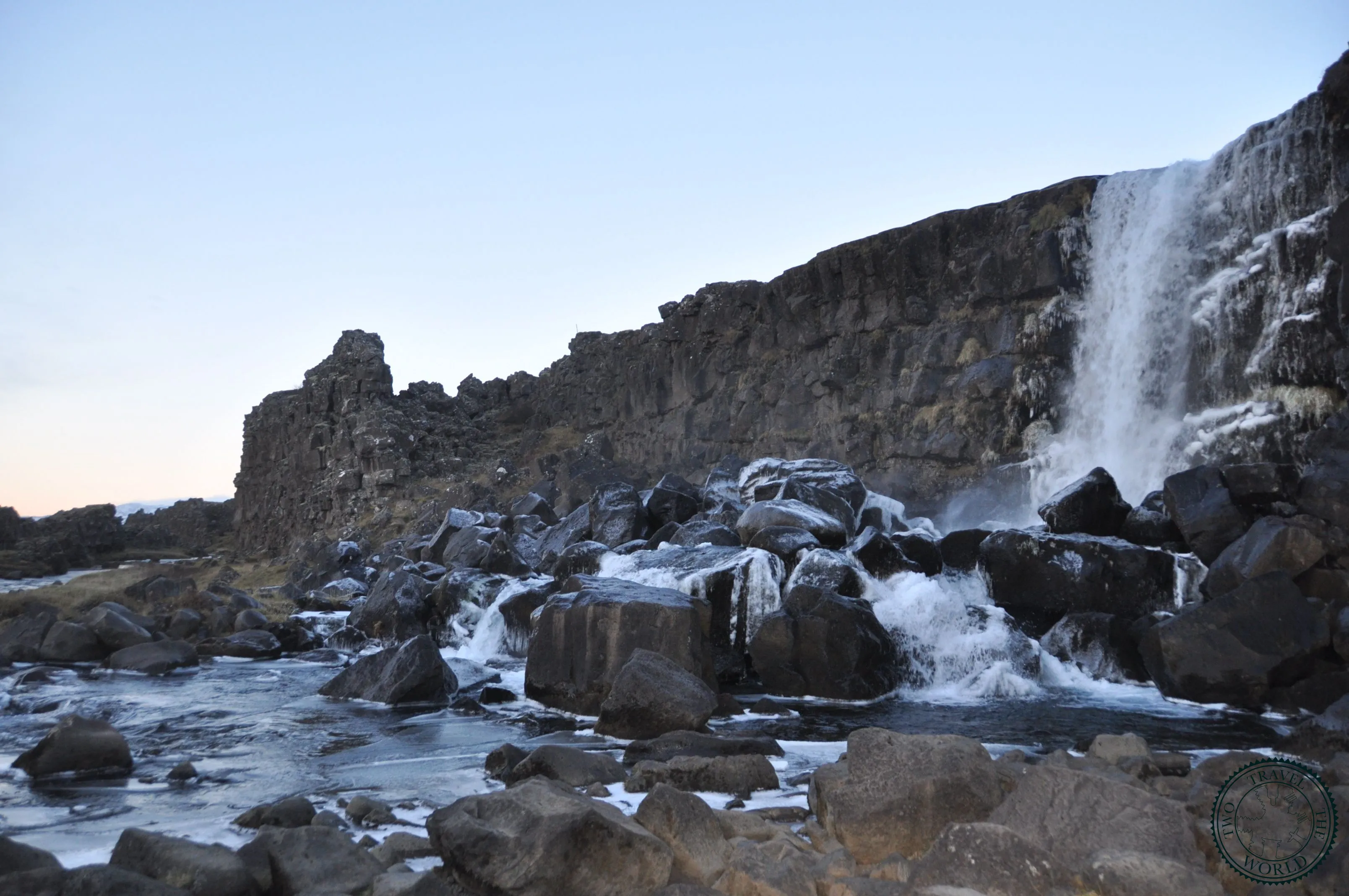
Öxarárfoss
Öxarárfoss drops 20 metres into the Almannagjá rift at Þingvellir National Park — a waterfall set literally between the North American and Eurasian tectonic plates, in the same gorge where Iceland's parliament was founded in 930 AD.

Promenade côtière d'Arnarstapi
Le sentier côtier entre Arnarstapi et Hellnar longe le bord de la péninsule de Snæfellsnes sur 2,5 km, passant devant des colonnes de basalte, des arches marines et des falaises à oiseaux. D'un côté, la statue d'un demi-troll veille sur le port. De l'autre, un petit café sert un ragoût de poisson avec vue sur l'océan.
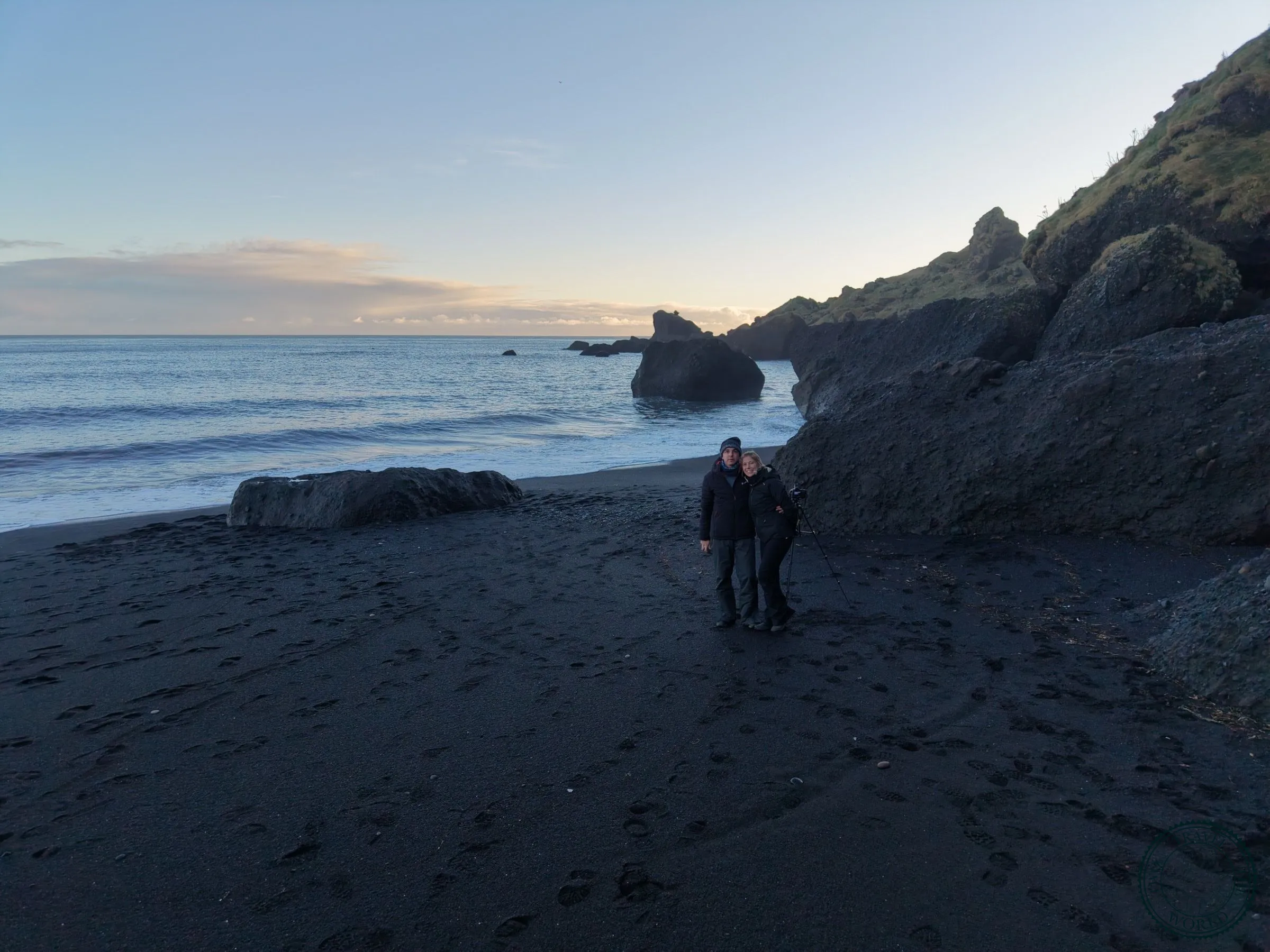
Reynisfjara Black Sand Beach
The basalt columns look like a giant pipe organ, the Reynisdrangar sea stacks rise from the surf like frozen trolls, and the sneaker waves will absolutely knock you off your feet if you turn your back on the ocean. Reynisfjara is magnificent and it demands respect.
Seljalandsfoss
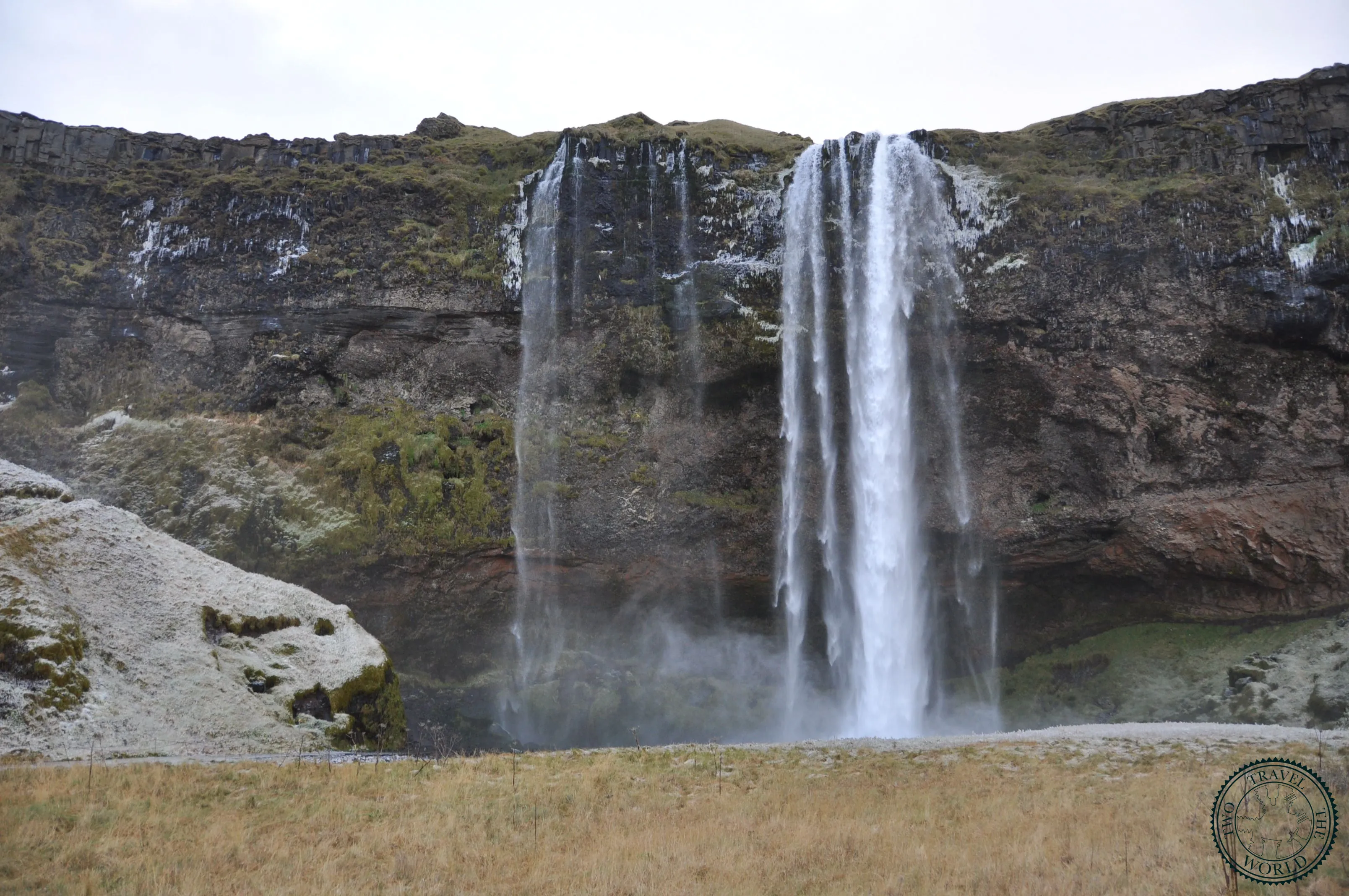
Seljalandsfoss is the waterfall you can walk behind — a 60-metre curtain of water fed by the Seljalandsá river, with a path that loops completely around the cliff face through spray, wind, and some of the best angles in Iceland.

Skógafoss
Skógafoss is a 60-metre wall of water so powerful it produces a permanent rainbow on sunny days — stand at its base and feel the ground shake, then climb 527 steps beside it for views all the way to the coast and the start of the Fimmvörðuháls trail.

Strokkur Geyser
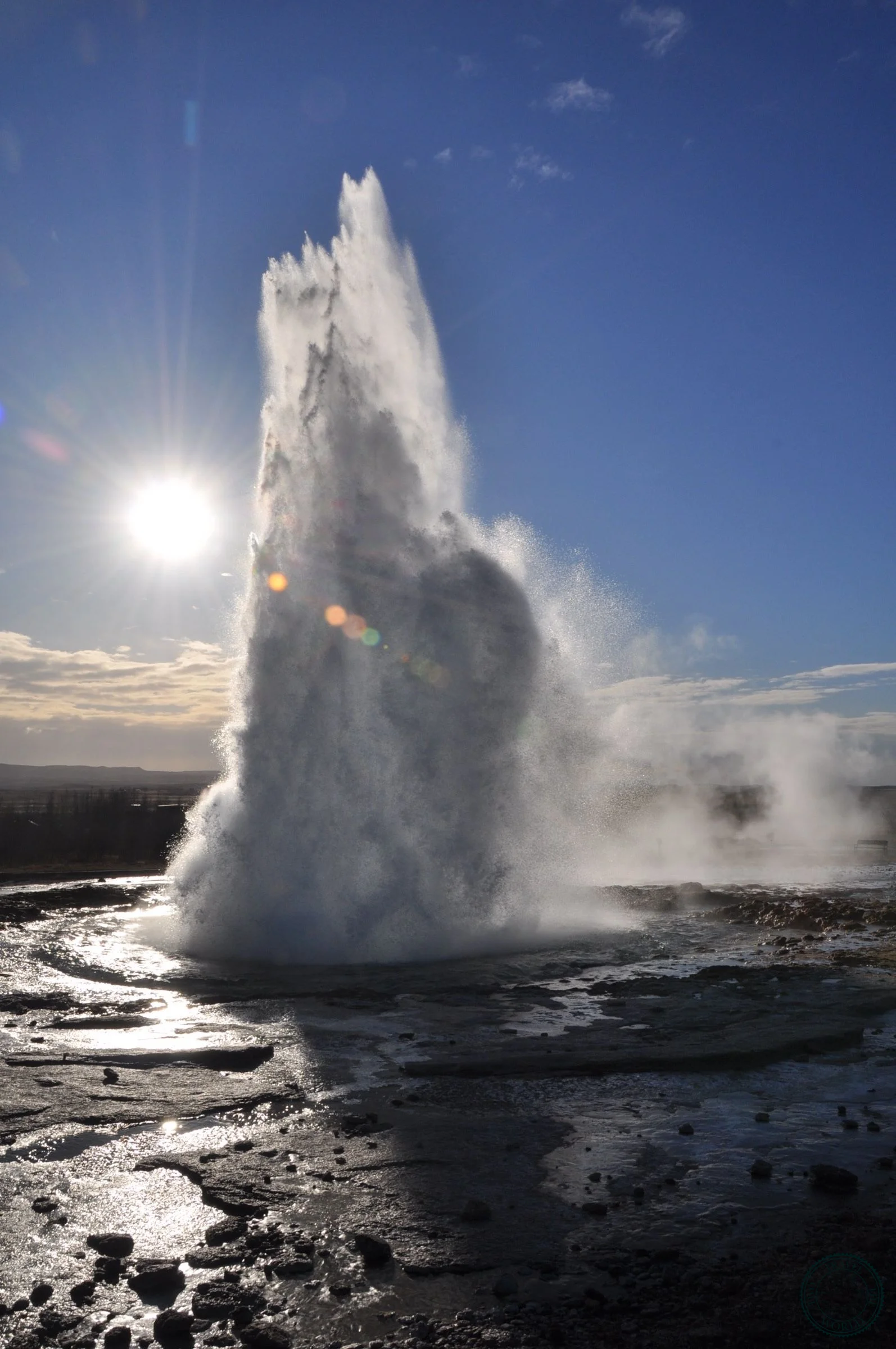
Strokkur erupts every 5 to 10 minutes, launching a column of boiling water up to 30 metres into the air — it's Iceland's most reliable geothermal performance, and watching the bubble form and burst never gets old, no matter how many times you see it.
Stuðlagil Canyon
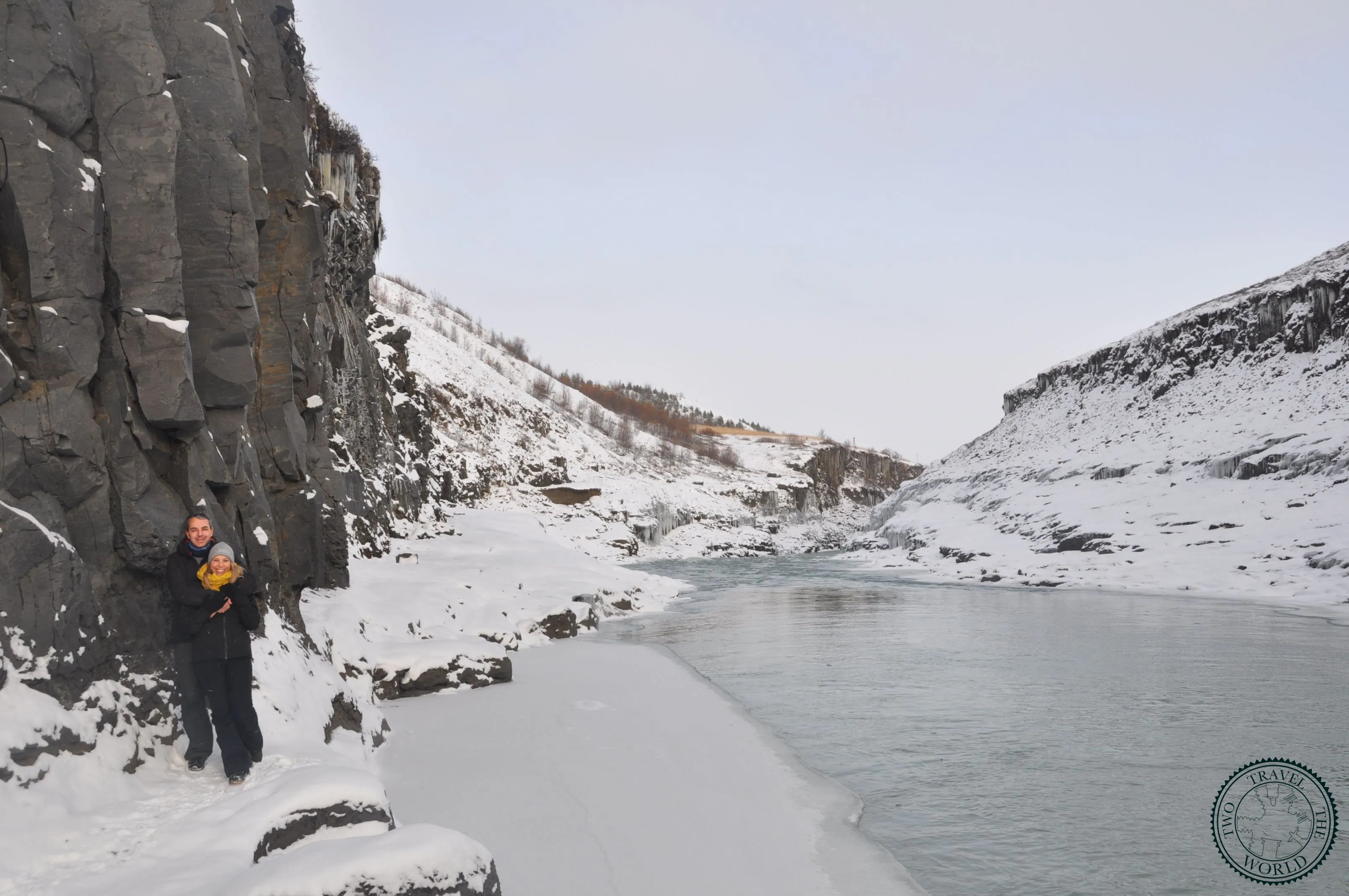
Stuðlagil is the canyon that broke the internet — towering hexagonal basalt columns rising from turquoise glacial water. It only became visible after a hydroelectric dam lowered the river level in 2009, and now it's the single best reason to detour into East Iceland.

Svínafellsjökull Glacier
Svínafellsjökull is a dramatic outlet glacier of Vatnajökull — deep crevasses, blue-white ice streaked with volcanic ash, and a glacial lagoon at its terminus. Walk to the viewpoint in 15 minutes, or join a guided hike with crampons for the full experience.