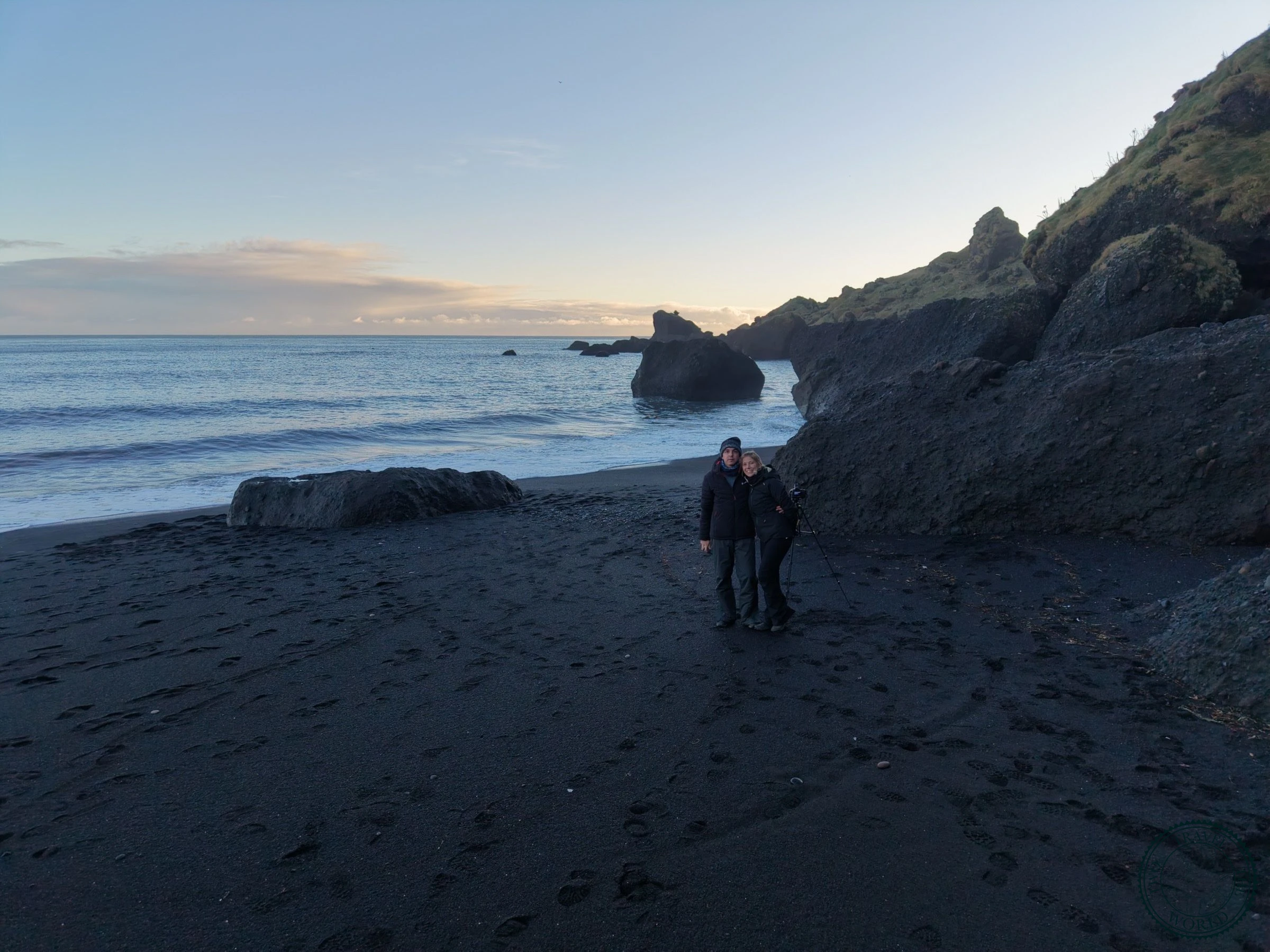

Reynisfjara Black Sand Beach
Basalt columns, sea stacks, and sneaker waves — stunning and dangerous
About This Experience
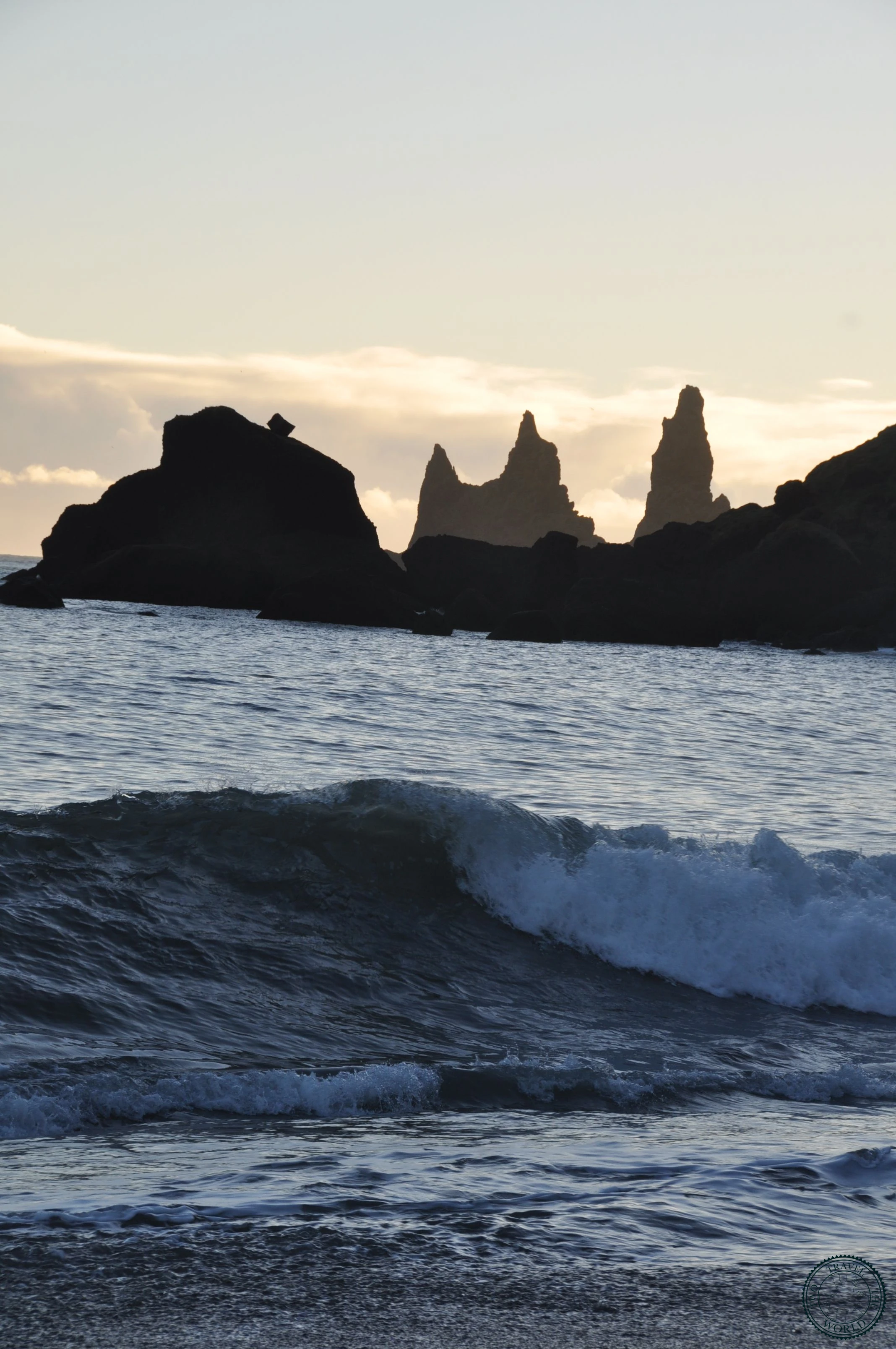
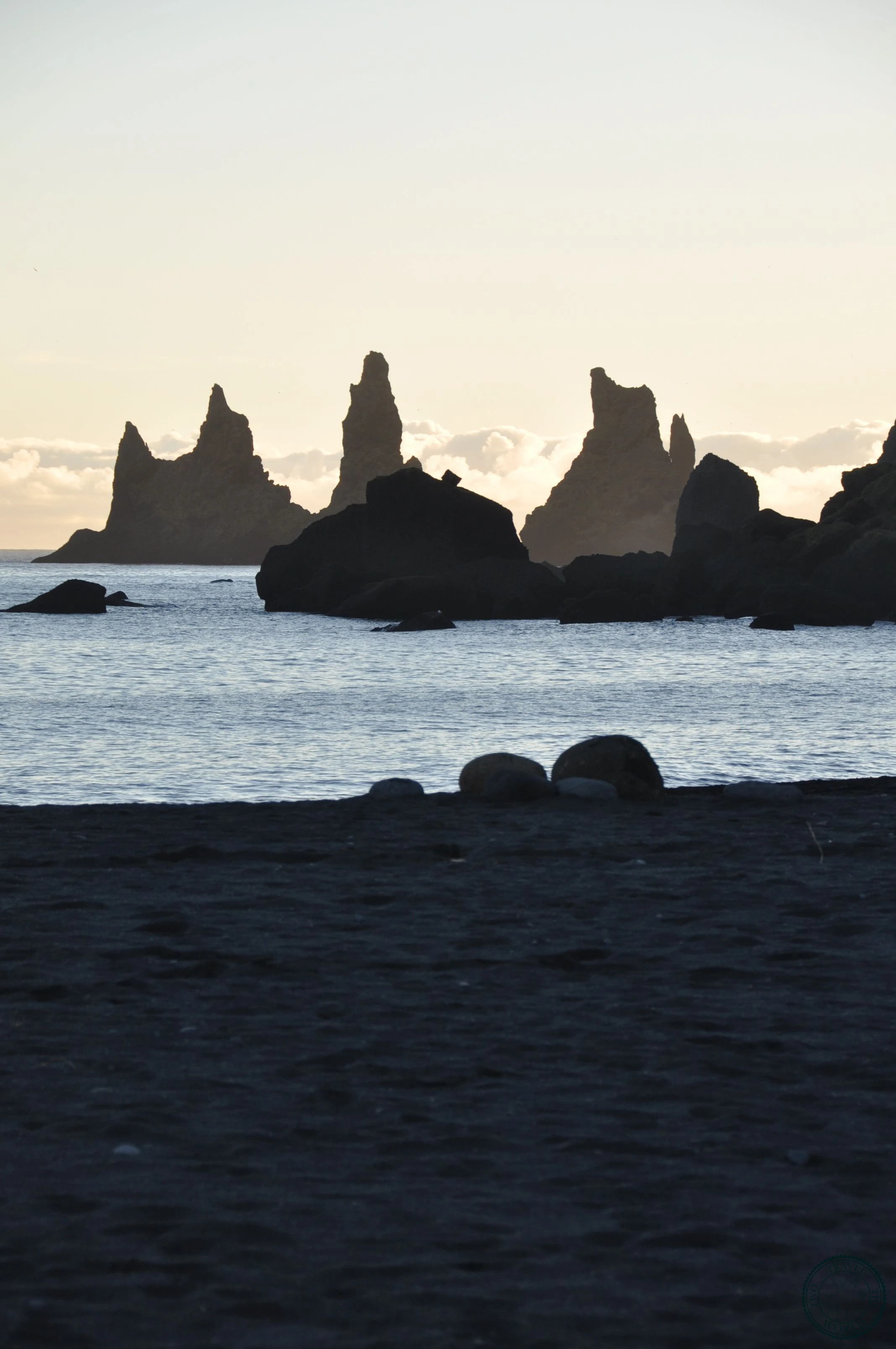
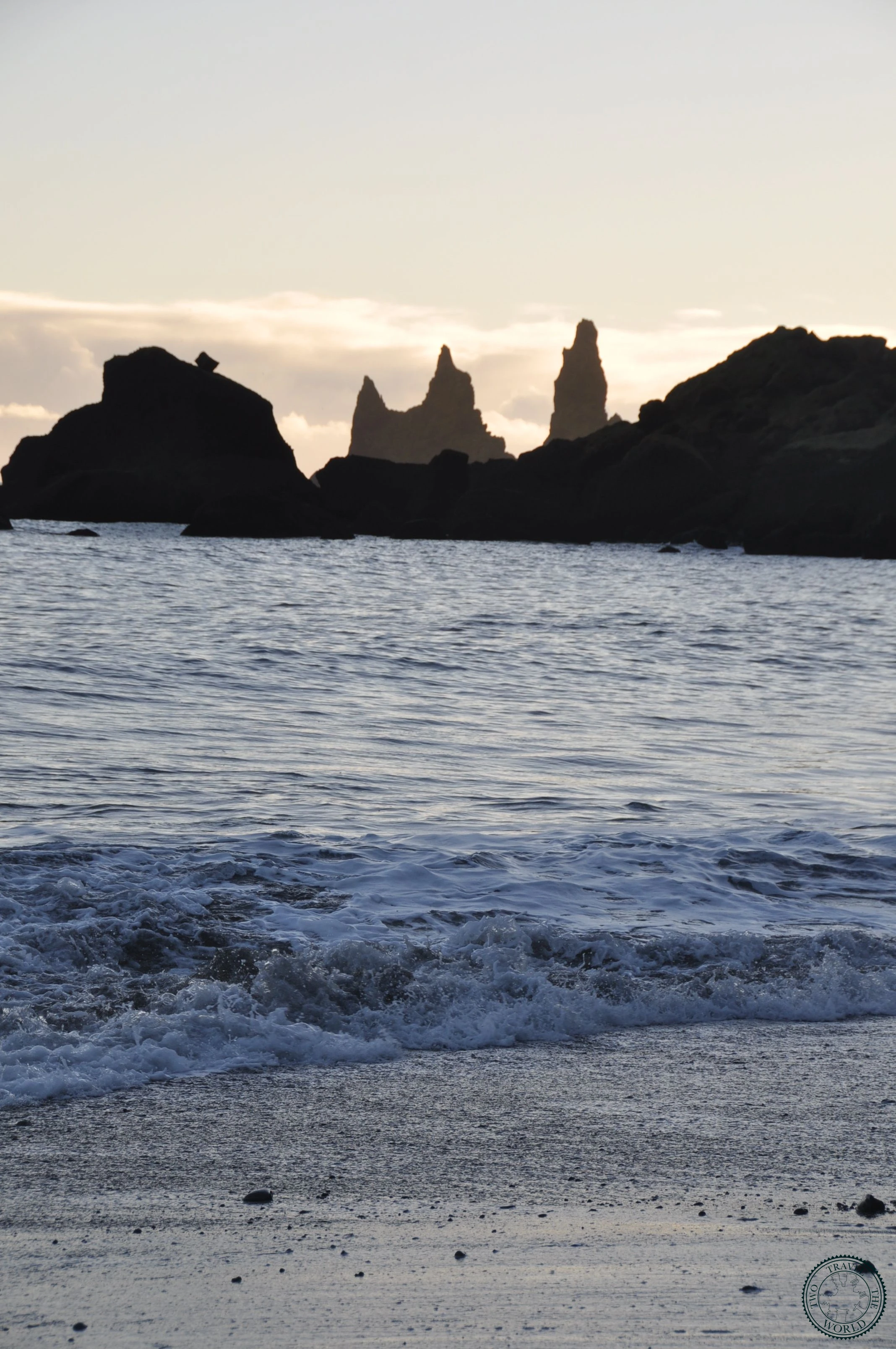
Reynisfjara is the kind of beach that makes you understand why Vikings told stories about trolls and sea monsters. The sand is jet black, the basalt columns along the cliff face look like they were carved by a geometric-obsessed giant, and the Reynisdrangar sea stacks offshore are said to be trolls caught by the sunrise and turned to stone.
We visited on a grey, windy day, which honestly felt like the right weather for this place. Sunshine would have felt wrong. The Atlantic waves were enormous — crashing onto the black sand with a force that sent white foam racing up the beach. We watched the warning signs come to life when a wave surged much further up the shore than the previous ones, soaking a couple who had their backs turned.
It's one of those places where the photos barely capture the reality. The sound, the wind, the scale of the basalt cave — you need to be standing there to feel it.
What to Expect
The beach is a 10-minute drive from Vik, with a large car park right at the edge of the sand. From the parking area, you walk down onto the black sand and immediately see the famous basalt column wall to your left (Hálsanefshellir cave) and the Reynisdrangar sea stacks straight ahead offshore.
The basalt columns are the main draw — a wall of hexagonal pillars rising about 20 metres, with a shallow cave at the base. People climb the lower columns for photos, though this isn't officially encouraged. The beach stretches to the east, and you can walk along it for views of the sea stacks from different angles.
The visit itself is short — an hour is plenty to see the columns, walk the beach, and take photos. But that hour is intense. The landscape genuinely feels otherworldly.
Practical Tips
- Never turn your back on the ocean — sneaker waves at Reynisfjara have killed visitors. This is not an exaggeration
- Stay well back from the water line; waves can surge 30+ metres further than the previous one without warning
- The basalt cave floods at high tide — check tide times before entering
- Morning visits tend to be less crowded than midday when tour buses arrive
- The black sand stains light-coloured clothing and gets into everything — dress accordingly
- Wind can be fierce; a windproof jacket makes a big difference
- The car park has a café (Black Beach Restaurant) with decent soup and coffee
- No entry fee; parking is free
- Don't climb high on the basalt columns — they're slippery and people have been injured falling
- Combine with Dyrhólaey viewpoint (10 minutes west) for puffin sightings in summer and a lighthouse view
Photo Gallery

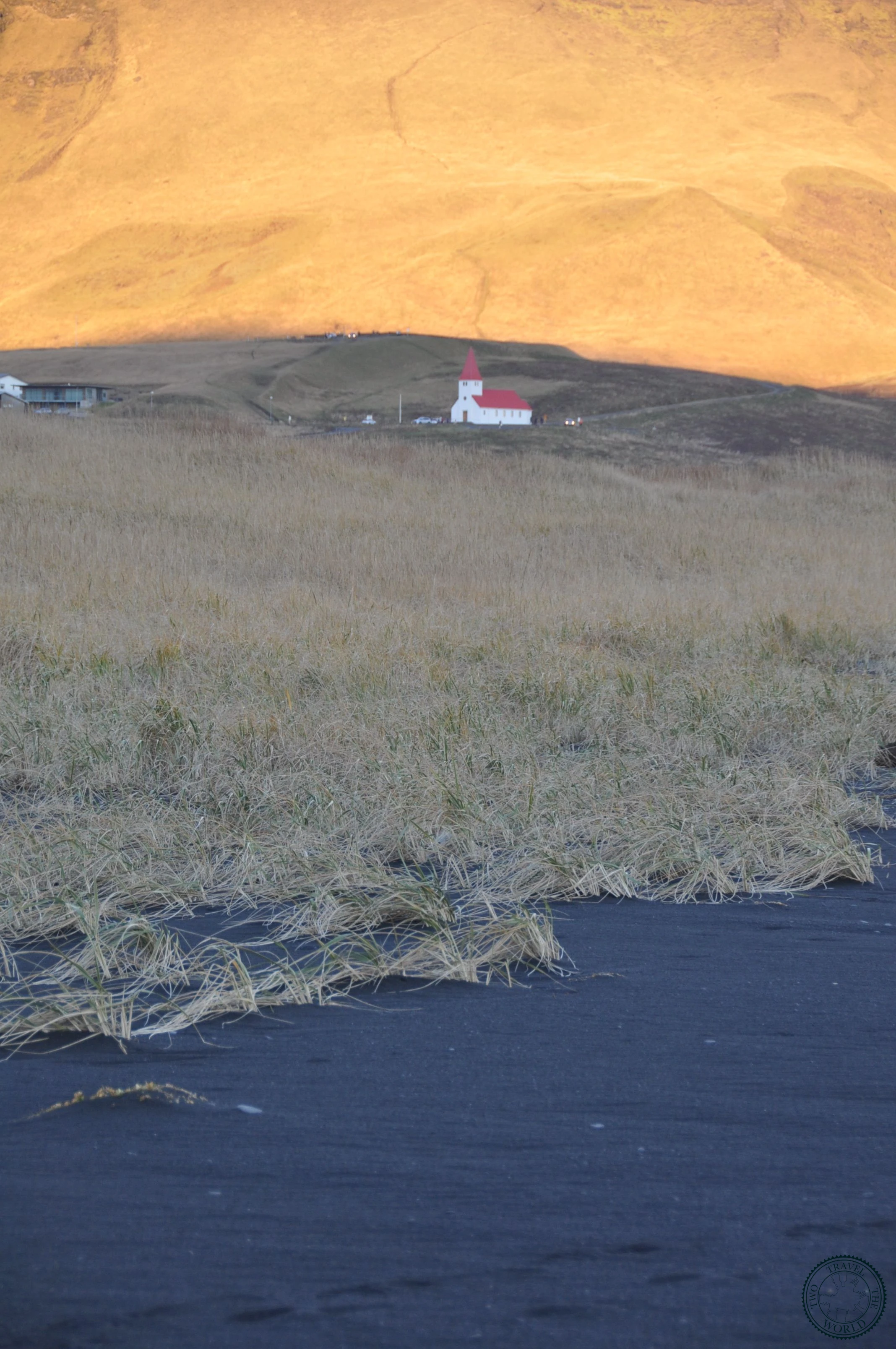
More Experiences in Vik
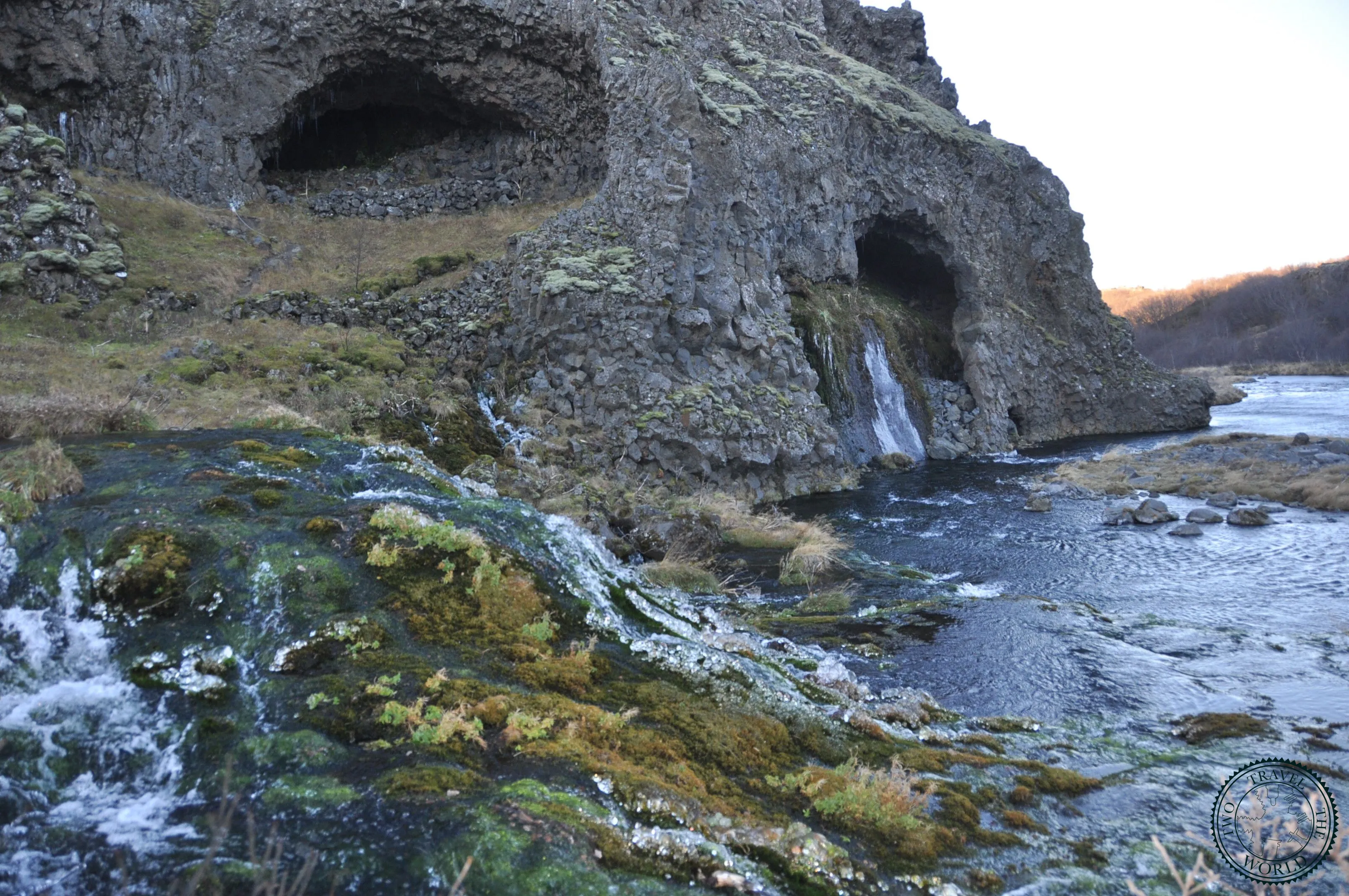
Gjáin Valley
Gjáin is a small, hidden valley in the Þjórsárdalur highlands — a pocket of green in the barren interior where waterfalls tumble over basalt, streams braid through moss-covered lava, and you might have it entirely to yourself.

Gljúfrabúi
Barely 500 metres from the tourist crowds at Seljalandsfoss, Gljúfrabúi hides behind a narrow crack in the rock — wade through ankle-deep water into a small canyon and look up to see a waterfall pouring into a natural cathedral.
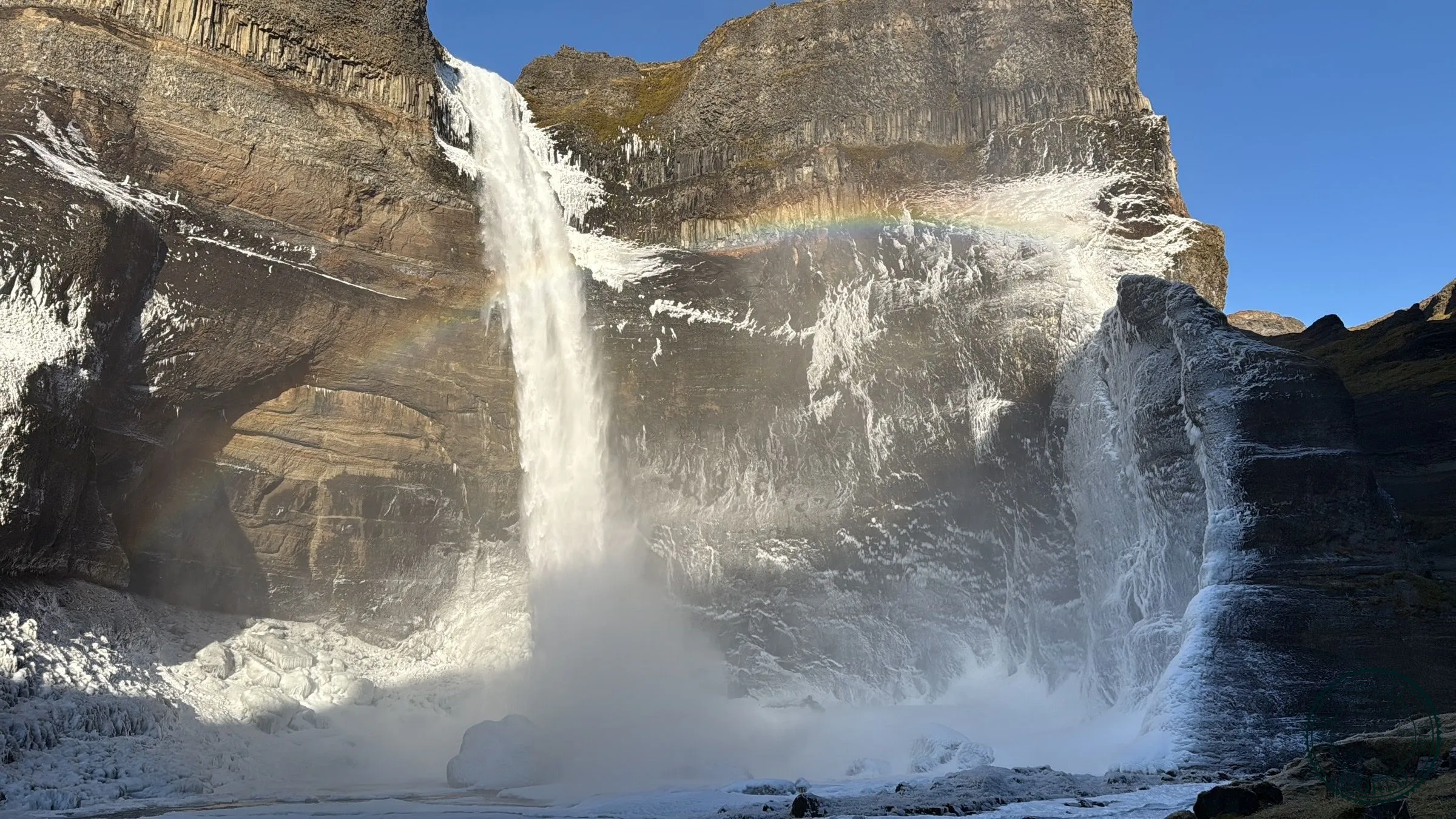
Háifoss
Háifoss drops 122 metres from a highland plateau into the Fossárdalur canyon — and right next to it, its smaller companion Granni falls side by side. The remote setting and sheer scale make this one of Iceland's most rewarding waterfalls to reach.
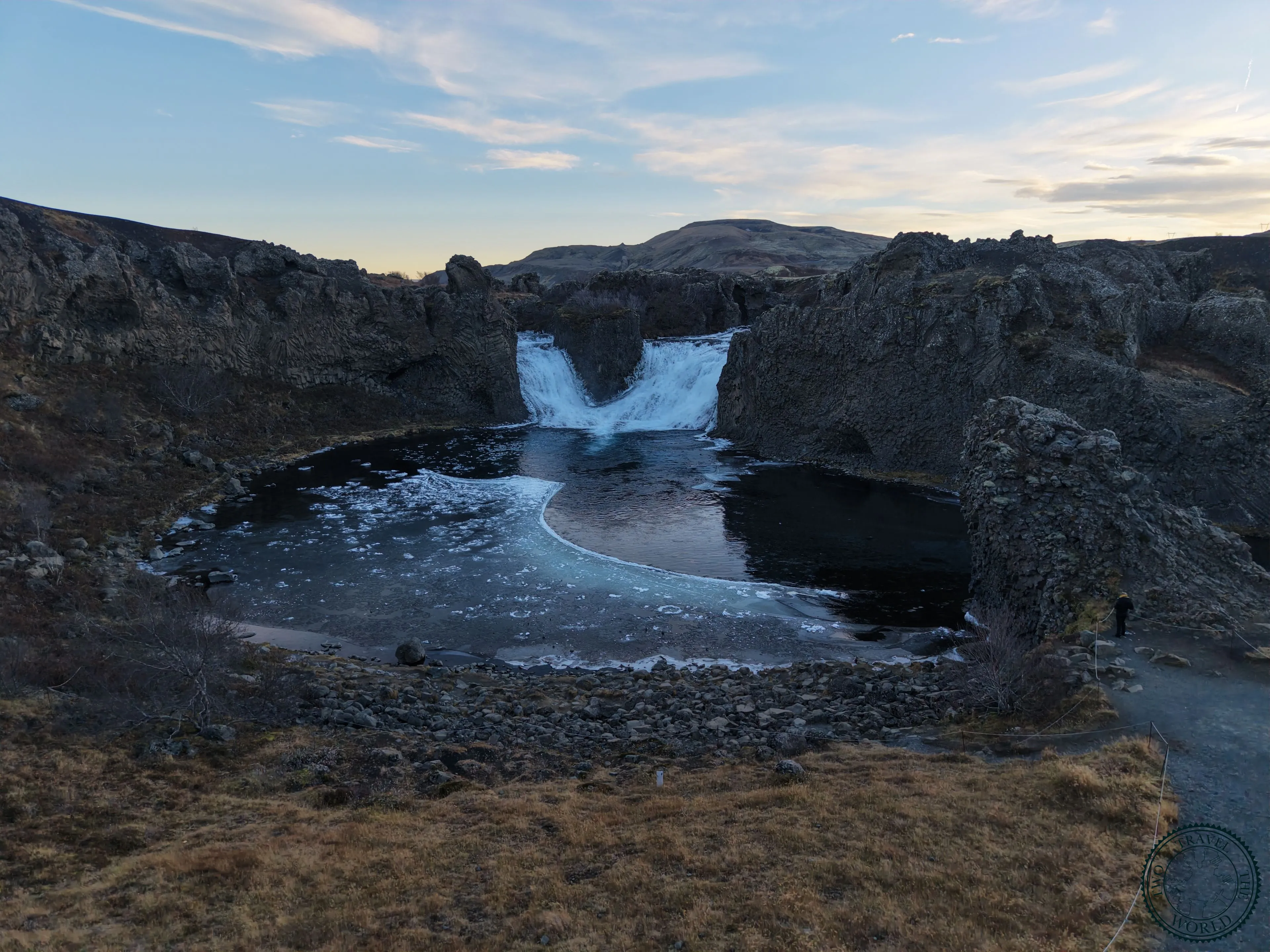
Hjálparfoss
Two streams merge and drop over a ledge of hexagonal basalt columns into a shared pool — Hjálparfoss is compact, easy to reach by regular car, and one of the most photogenic stops in the Þjórsárdalur valley.
Keldur Turf Houses
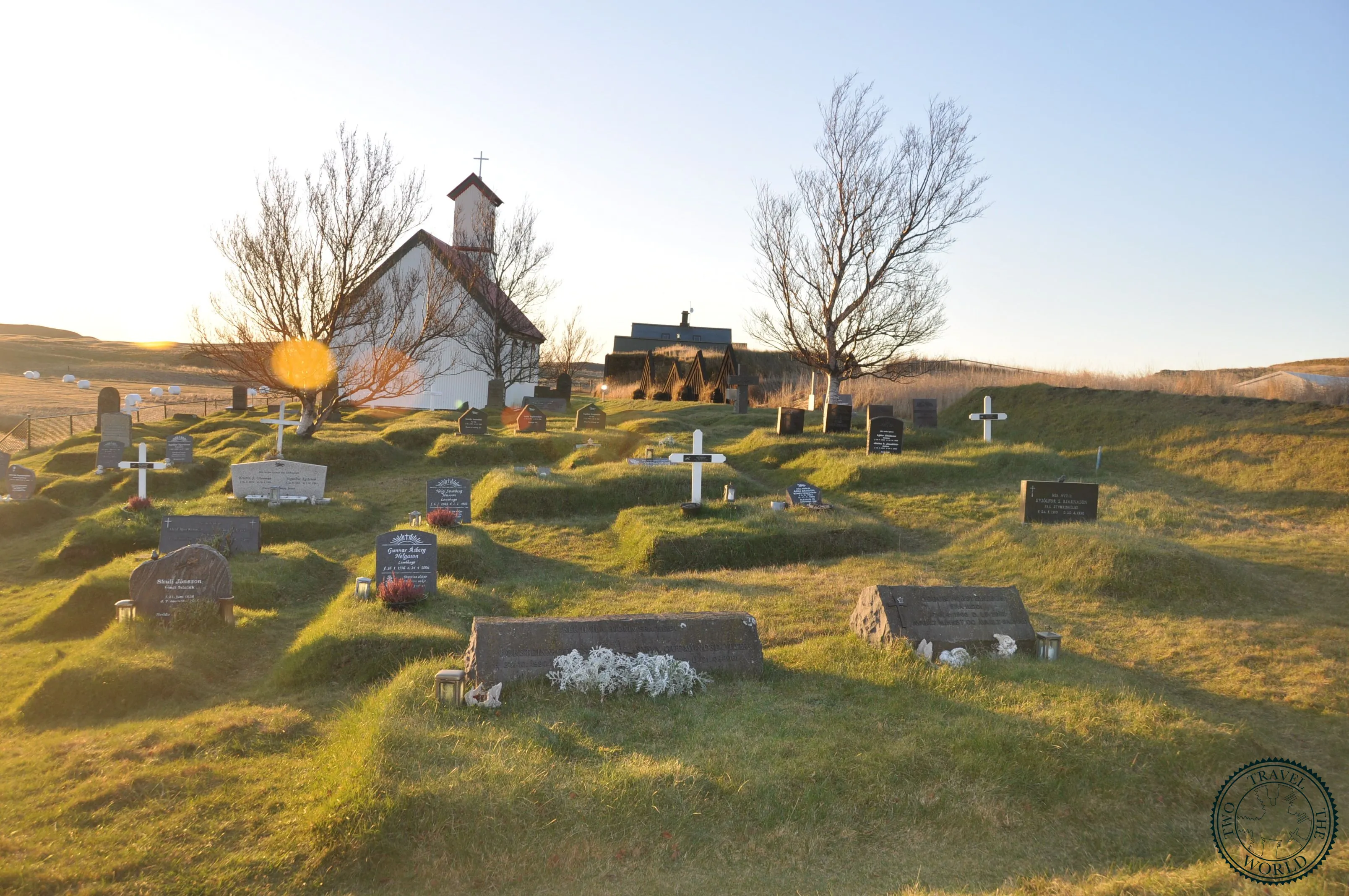
Keldur is the oldest fully standing turf farmhouse in Iceland — a cluster of grass-roofed buildings dating to the 12th century, connected by an underground stone tunnel, in the heart of Njáls Saga country.

Kvernufoss
Kvernufoss is a 30-metre waterfall hiding in a gorge just a 15-minute walk from Skógafoss — you can walk behind the curtain of water through a natural alcove, and most days you'll have it almost entirely to yourself.

Nauthúsagil
Nauthúsagil is a narrow, moss-covered ravine on the flanks of Eyjafjallajökull — wade through a shallow stream, grab the fixed ropes, and squeeze into a canyon that opens onto a hidden waterfall at the back. It feels like trespassing into a secret.
Seljalandsfoss
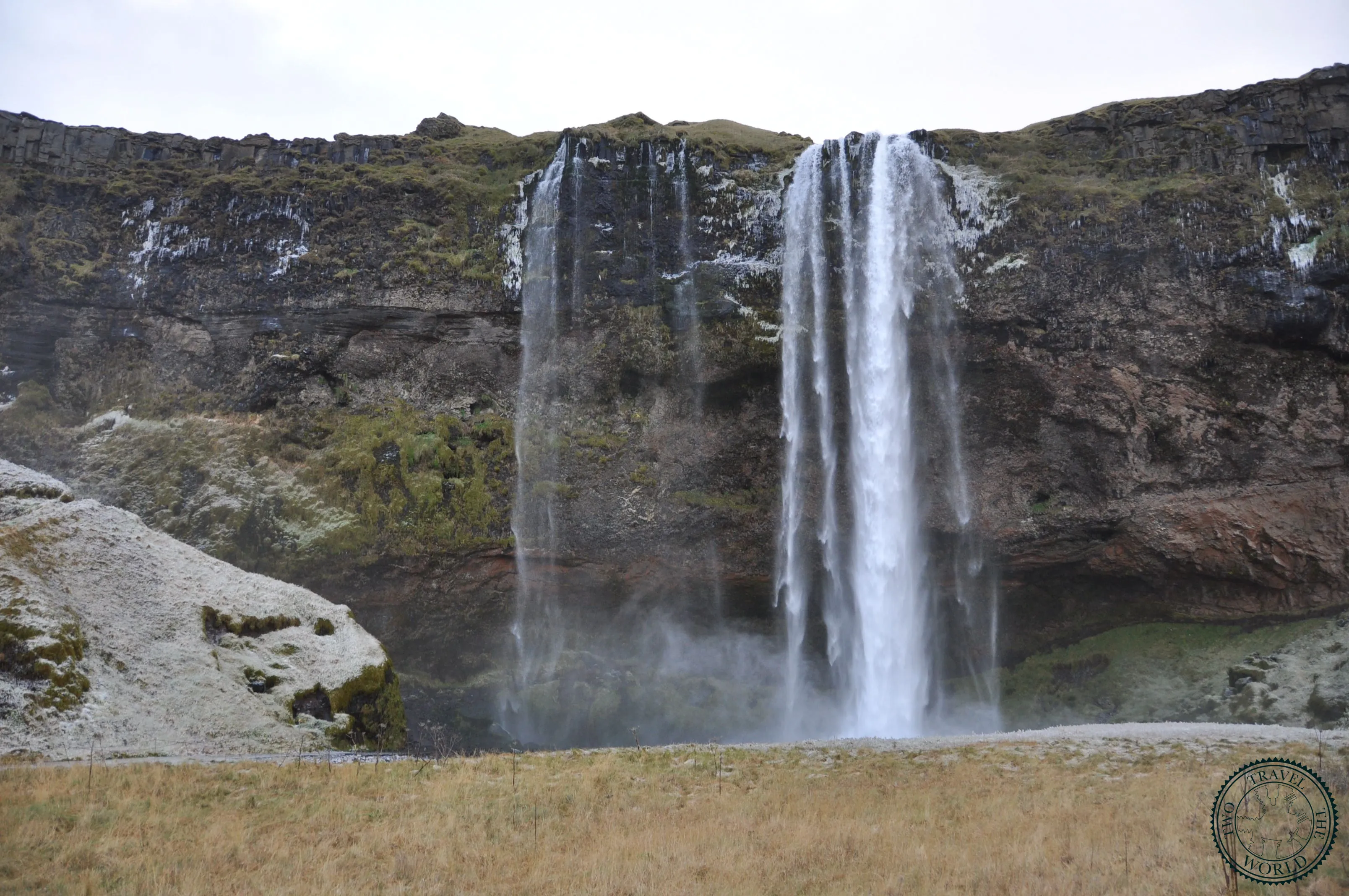
Seljalandsfoss is the waterfall you can walk behind — a 60-metre curtain of water fed by the Seljalandsá river, with a path that loops completely around the cliff face through spray, wind, and some of the best angles in Iceland.

Skógafoss
Skógafoss is a 60-metre wall of water so powerful it produces a permanent rainbow on sunny days — stand at its base and feel the ground shake, then climb 527 steps beside it for views all the way to the coast and the start of the Fimmvörðuháls trail.