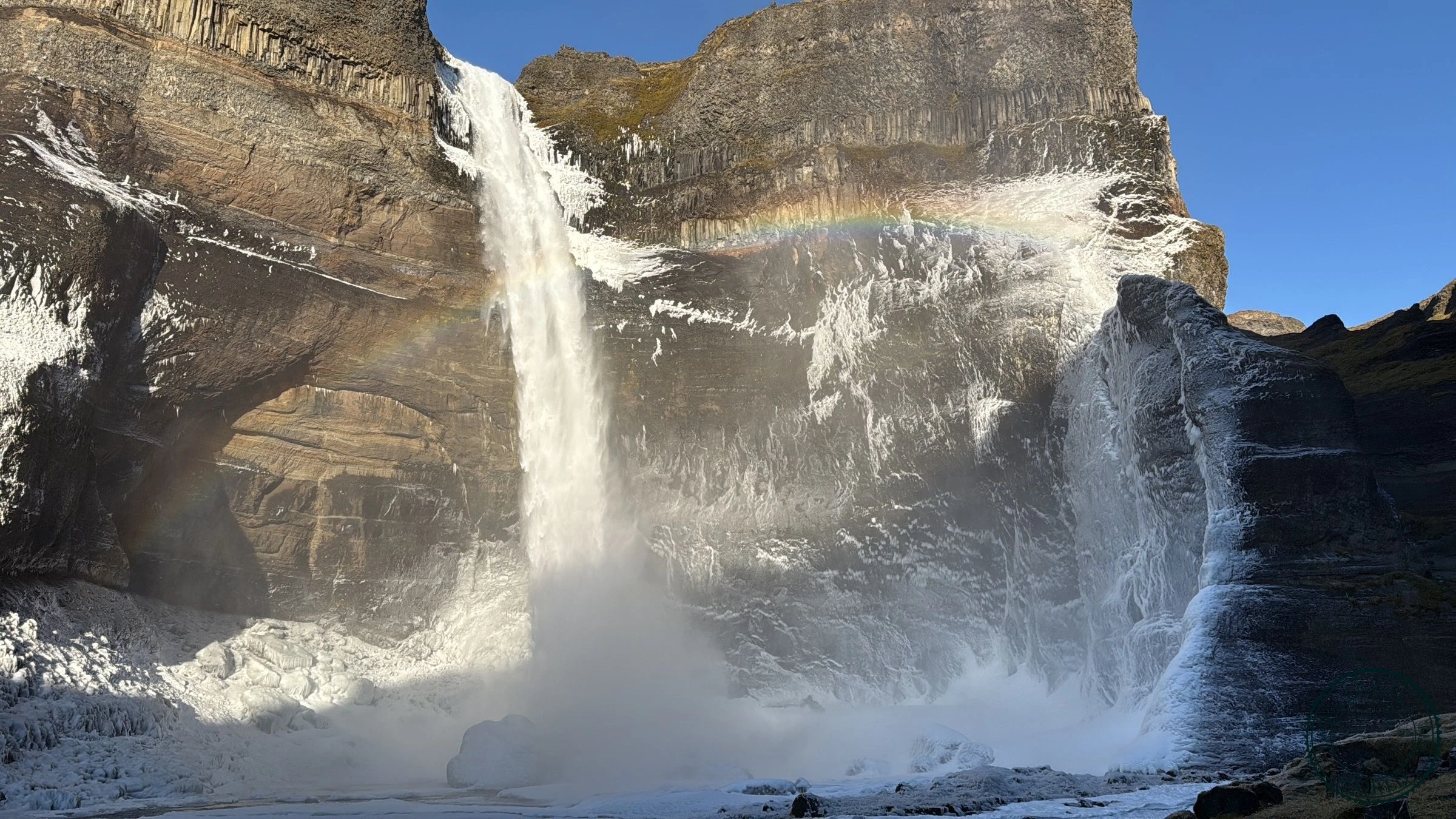

Háifoss
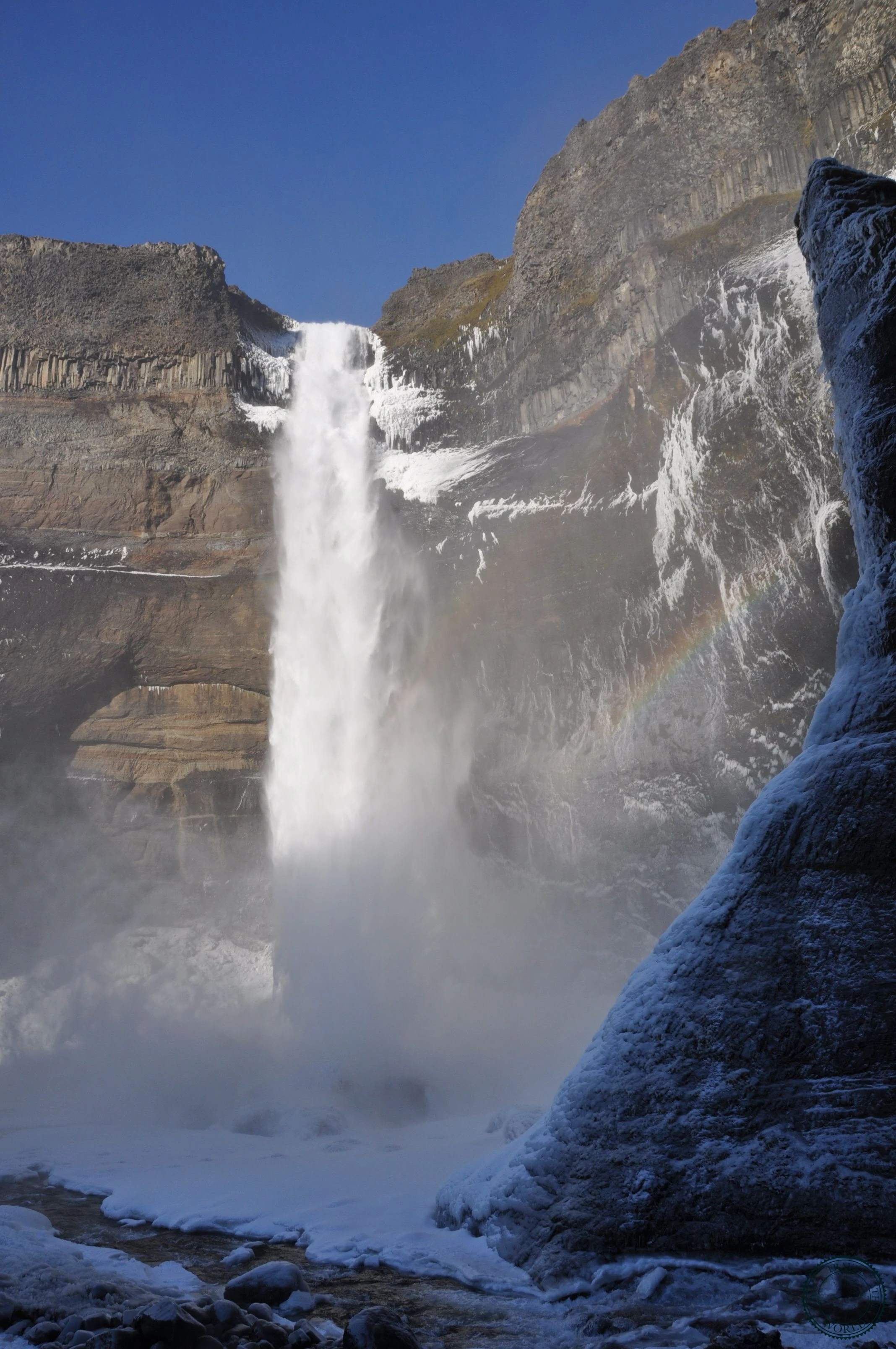
One of Iceland's tallest waterfalls, plunging 122 metres into a highland canyon
About This Experience
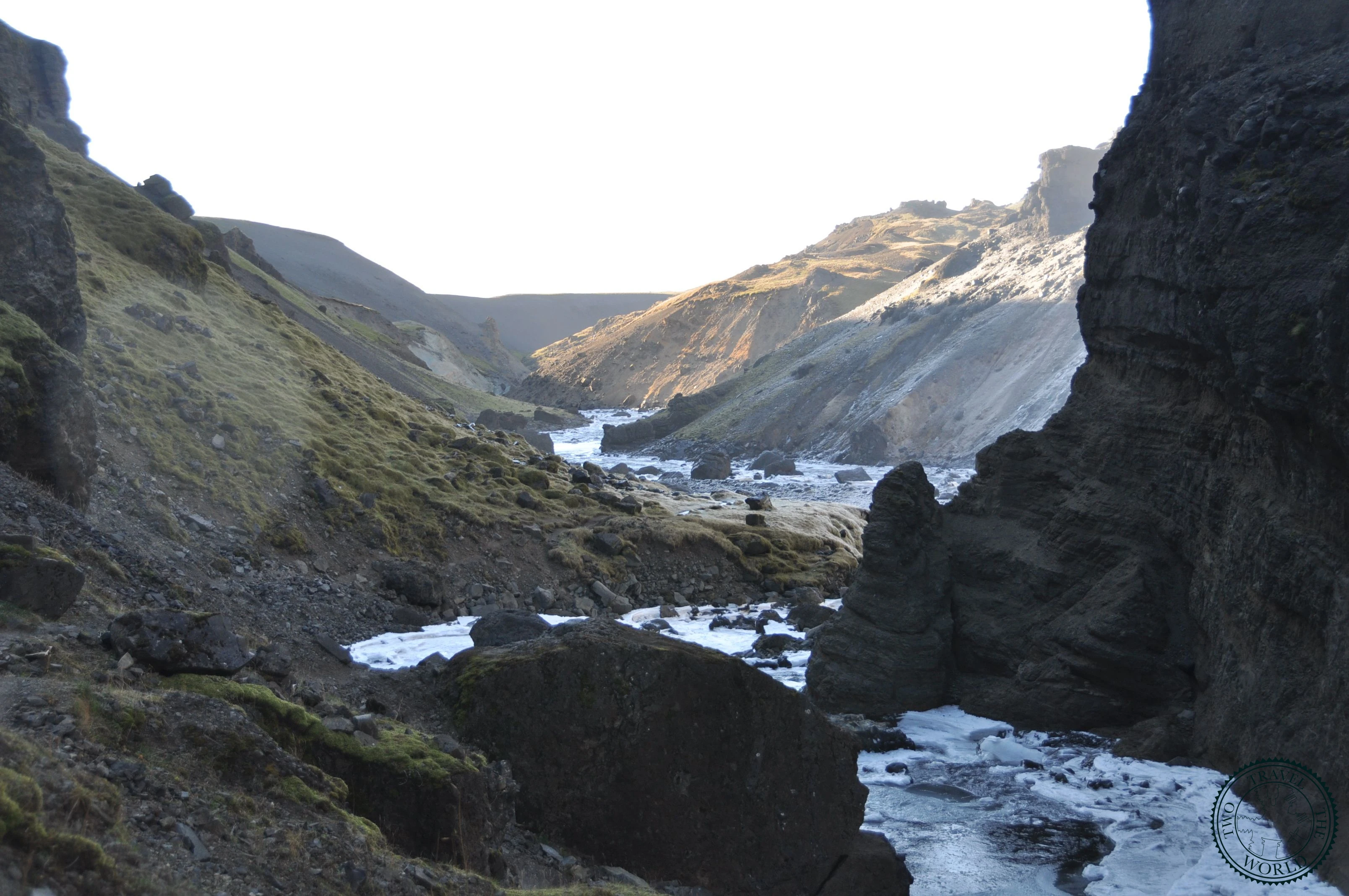
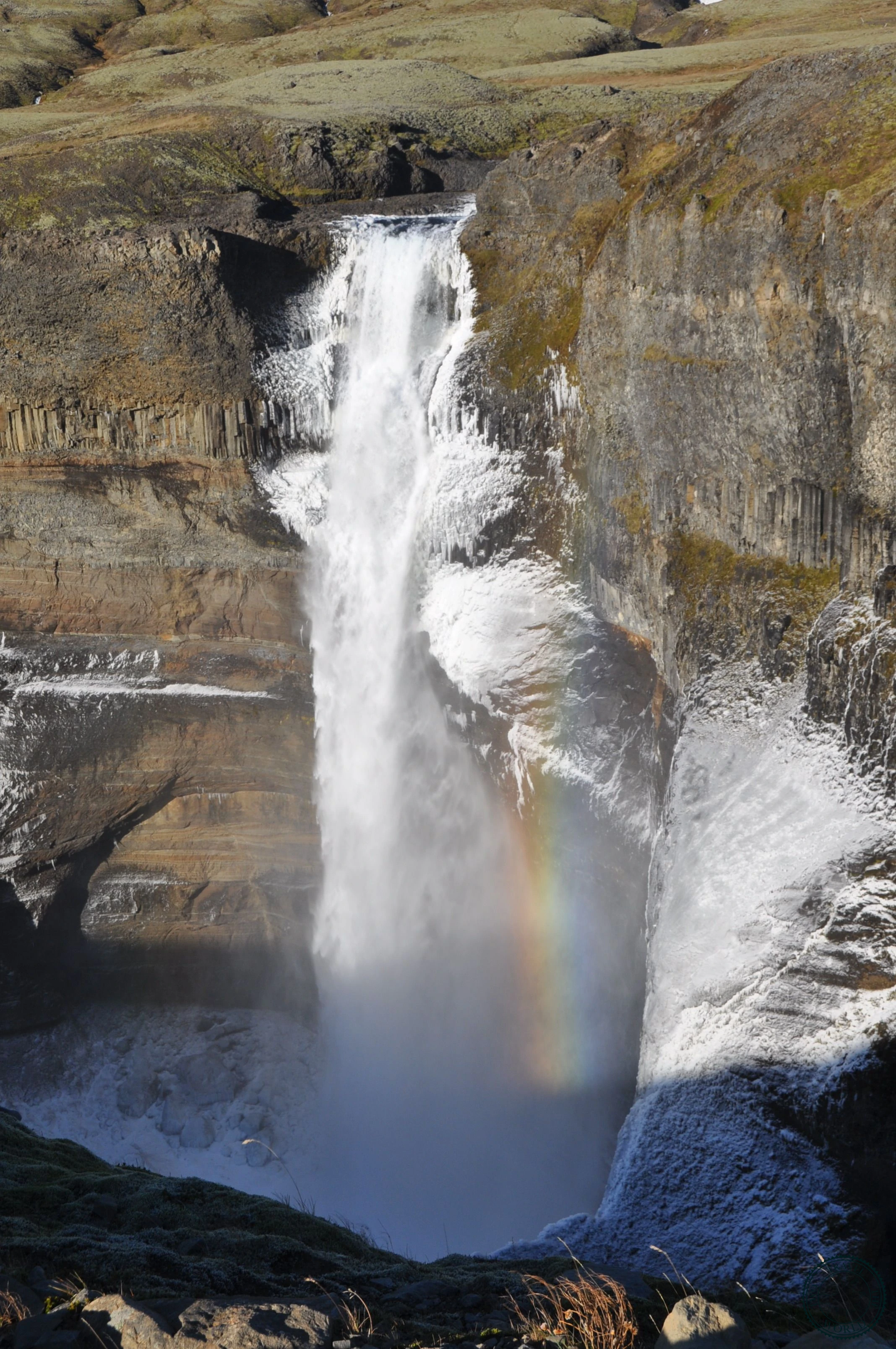
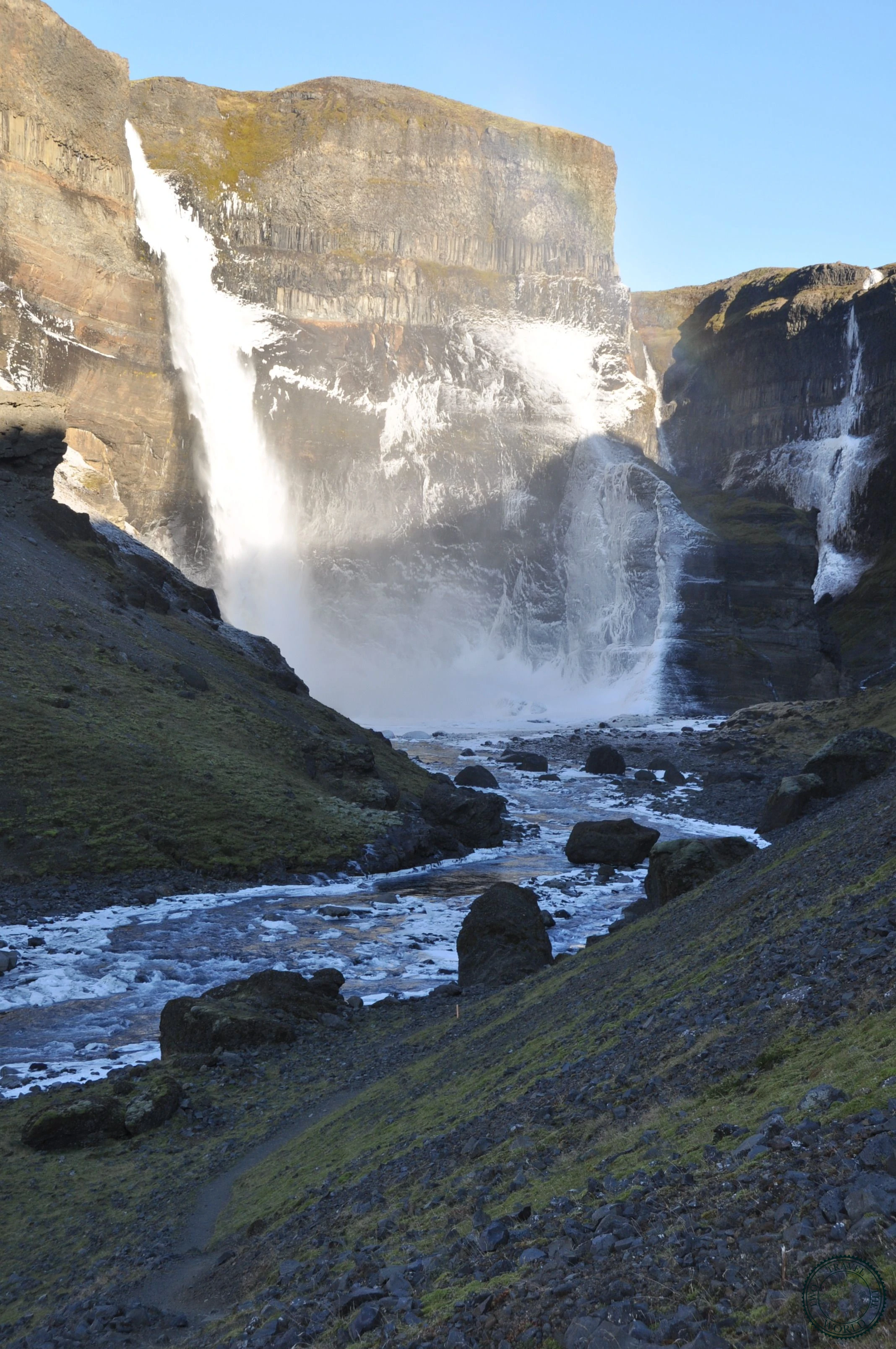
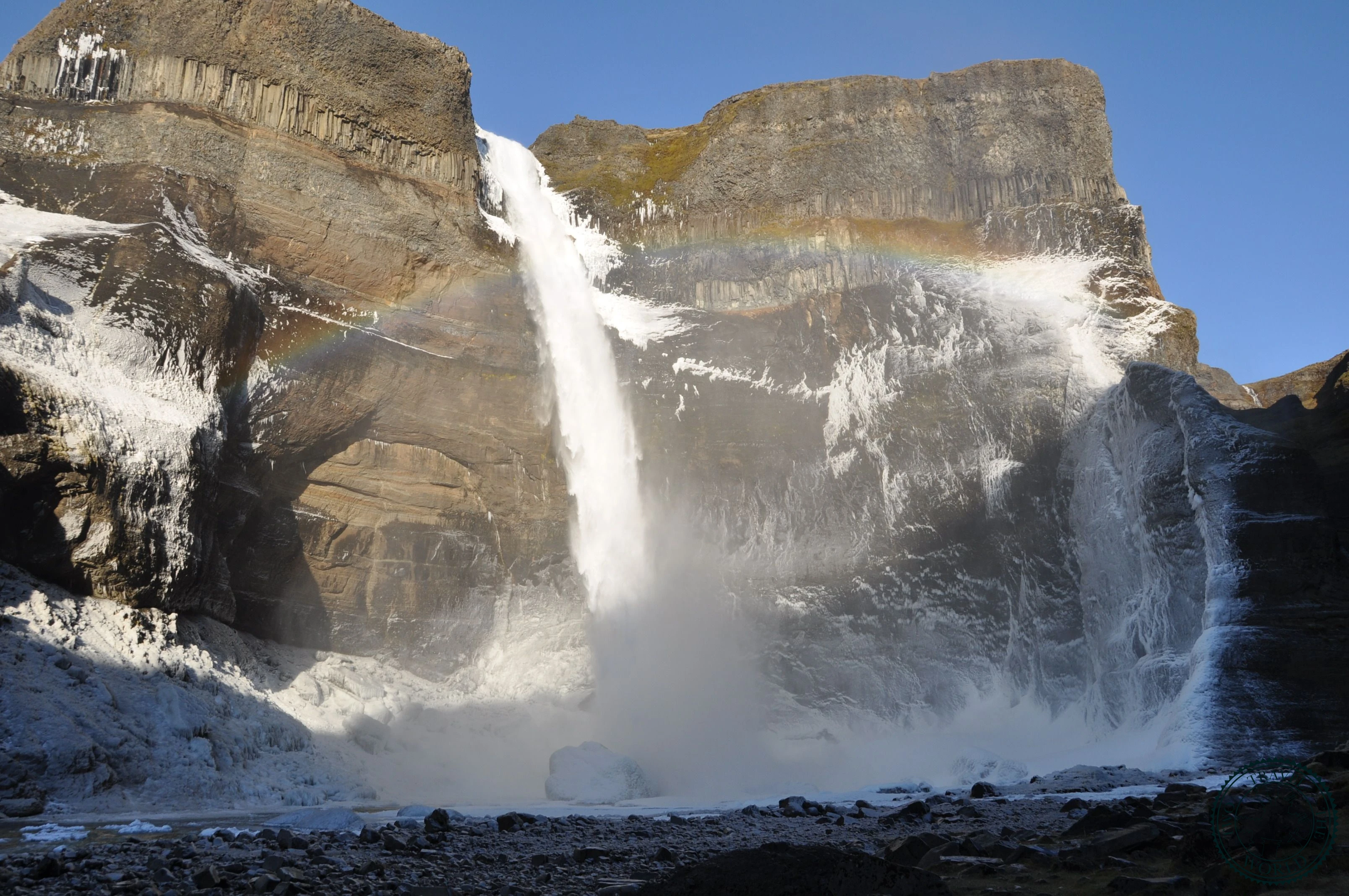
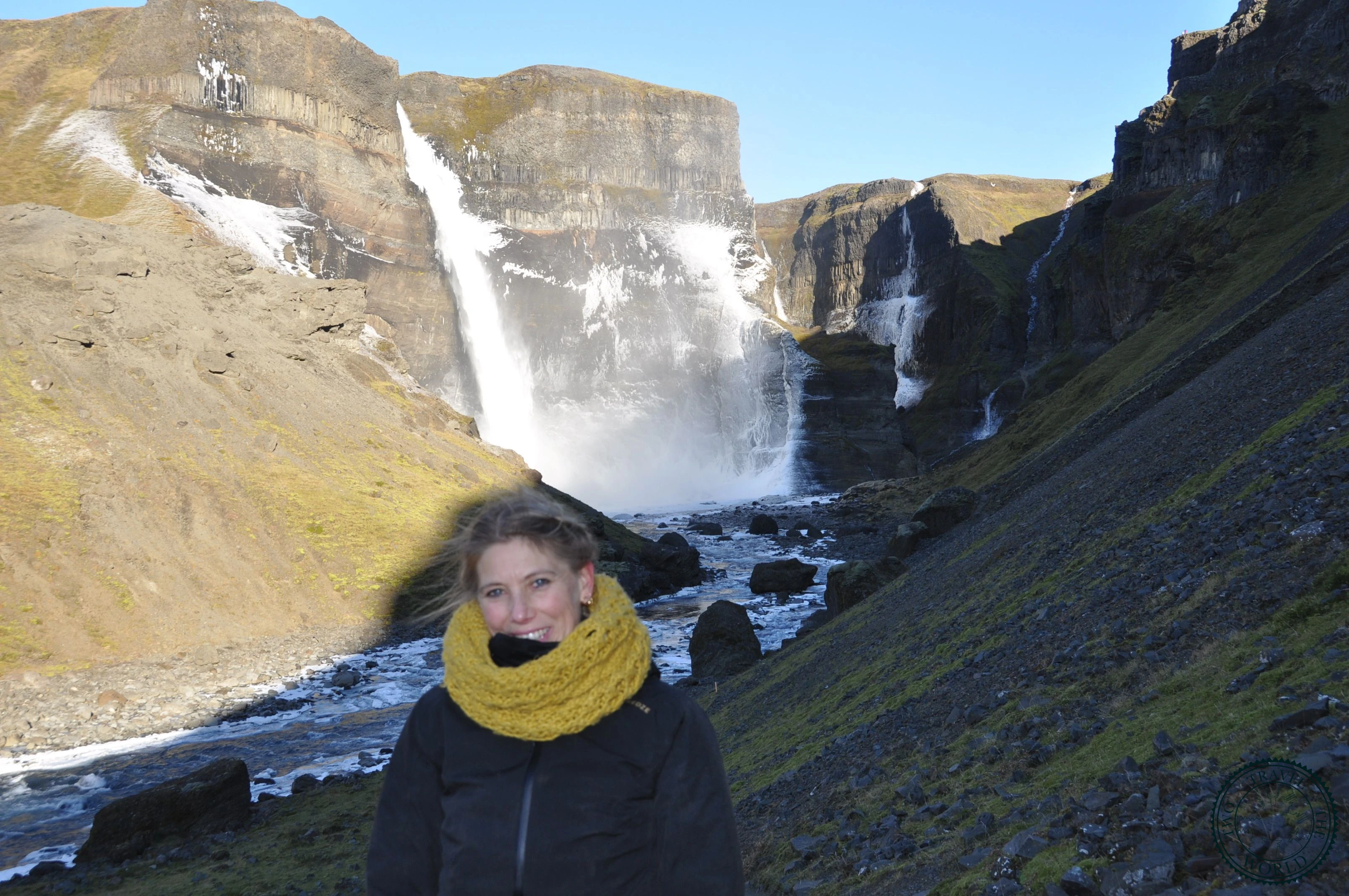
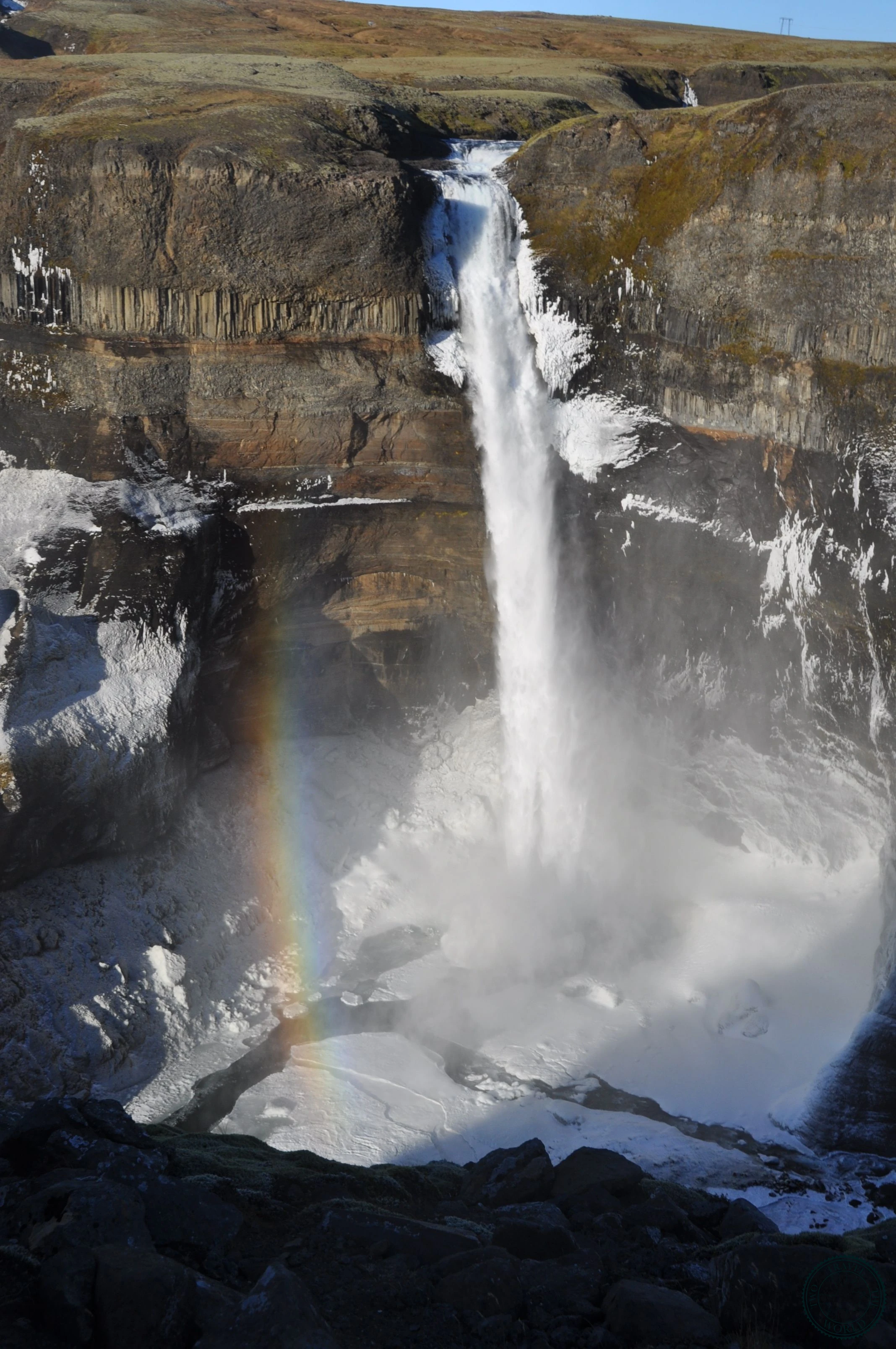
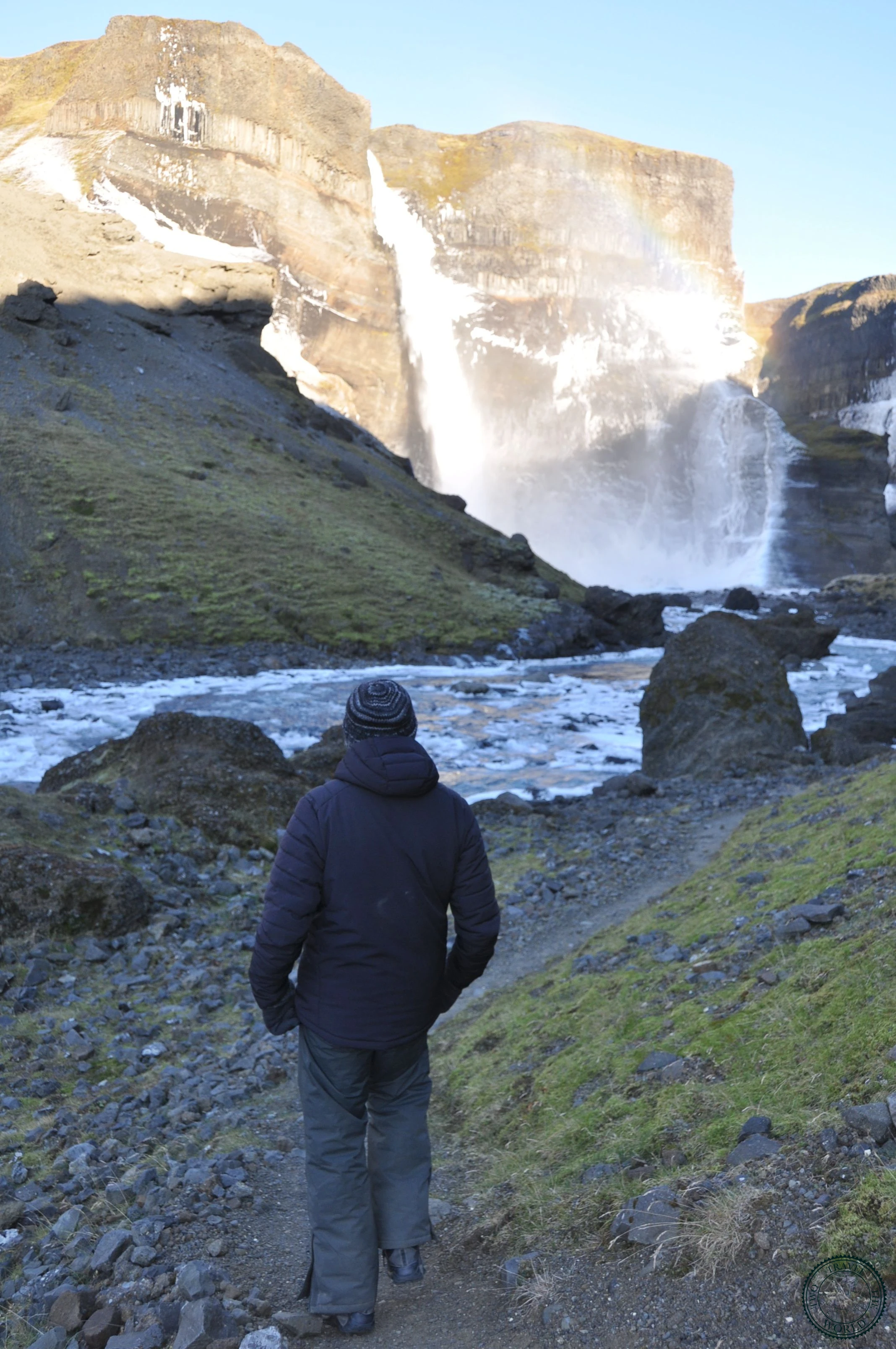
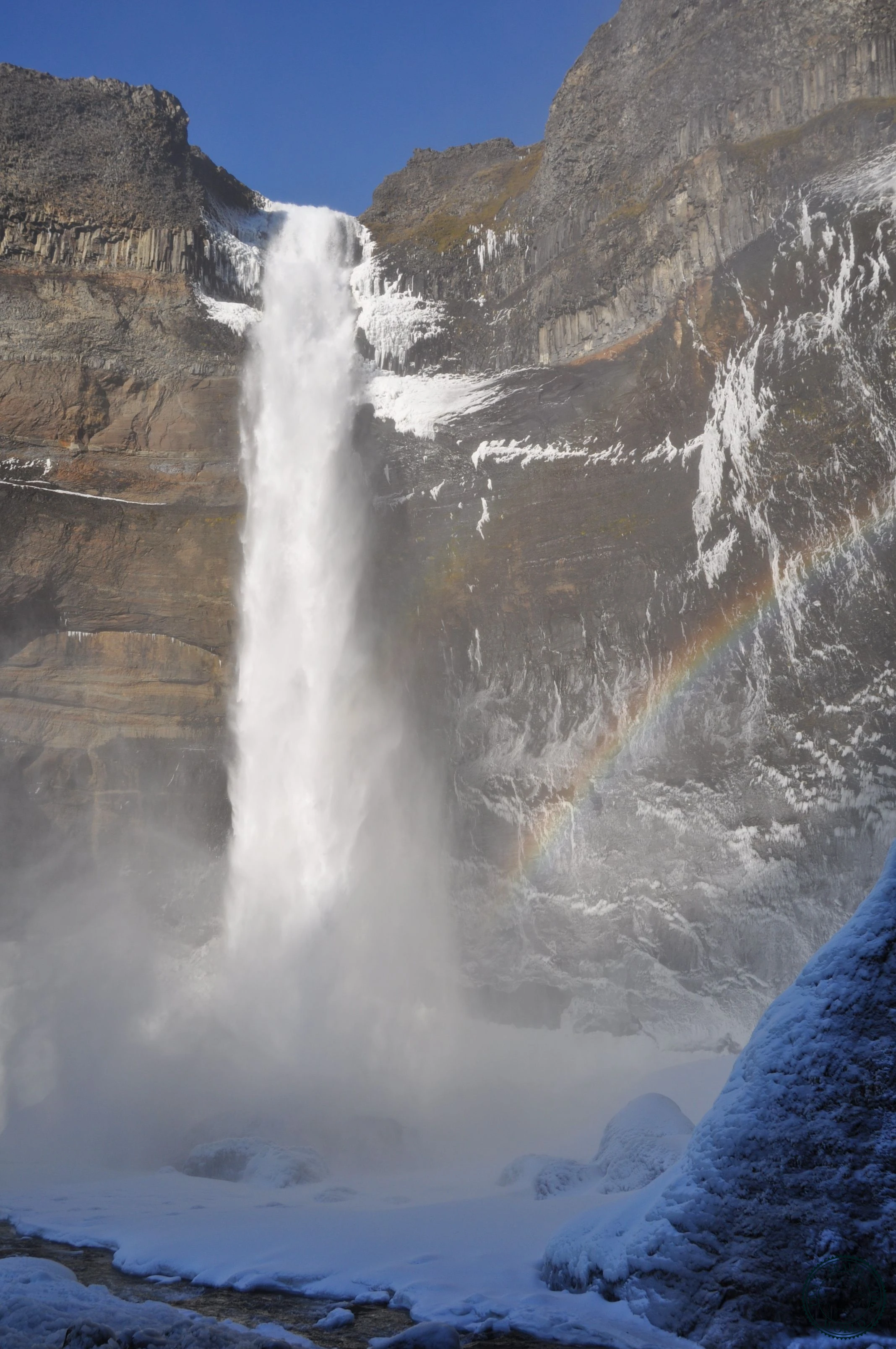
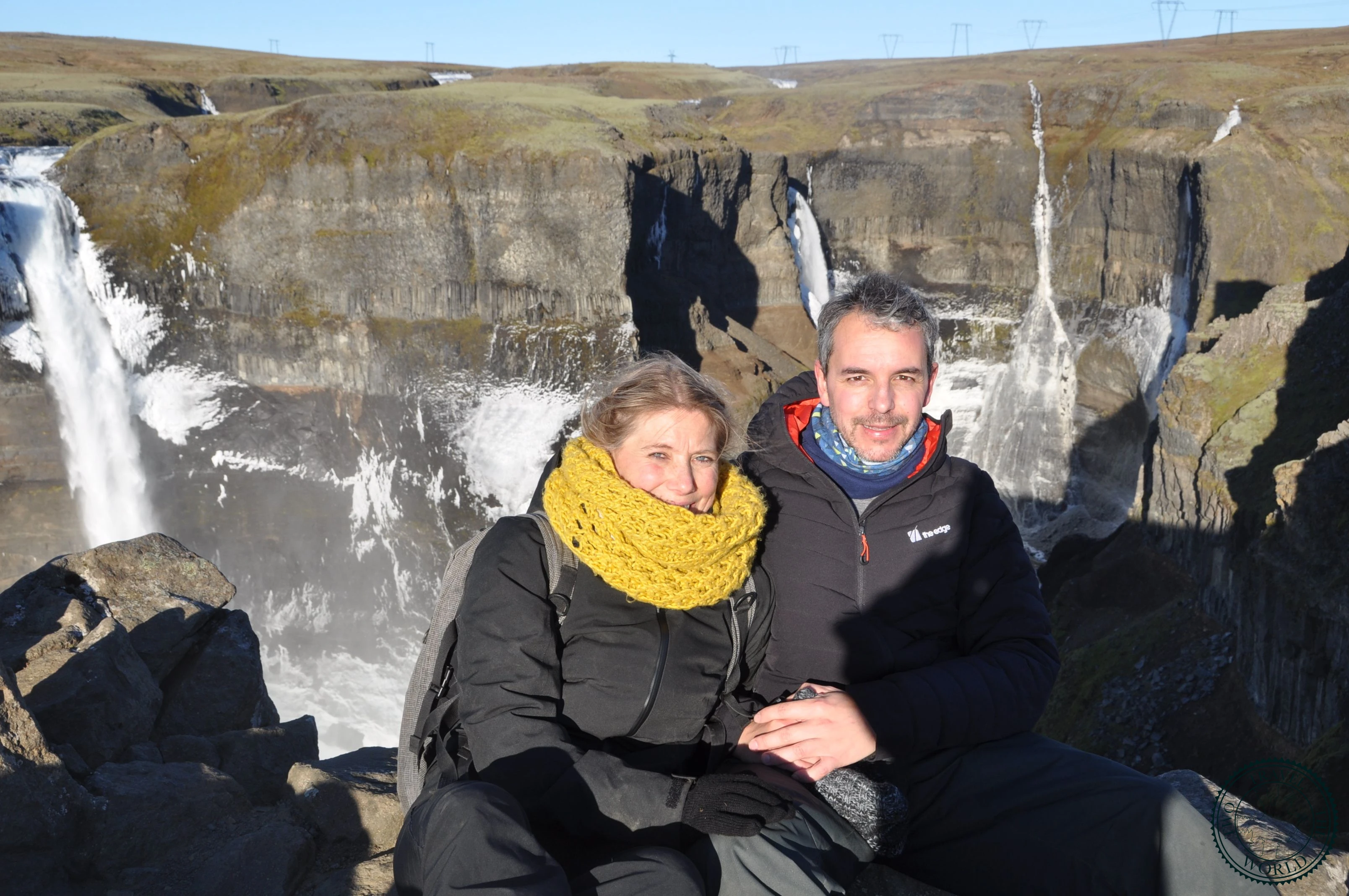
Háifoss is Iceland's fourth tallest waterfall at 122 metres, and the setting amplifies the scale. The Fossá river pours off the edge of a highland plateau into the Fossárdalur canyon — a deep gash in the landscape with sheer basalt walls striped in layers of colour. Right beside it, the smaller waterfall Granni ("The Neighbour") drops from the same cliff edge, creating a twin falls that face each other across the canyon.
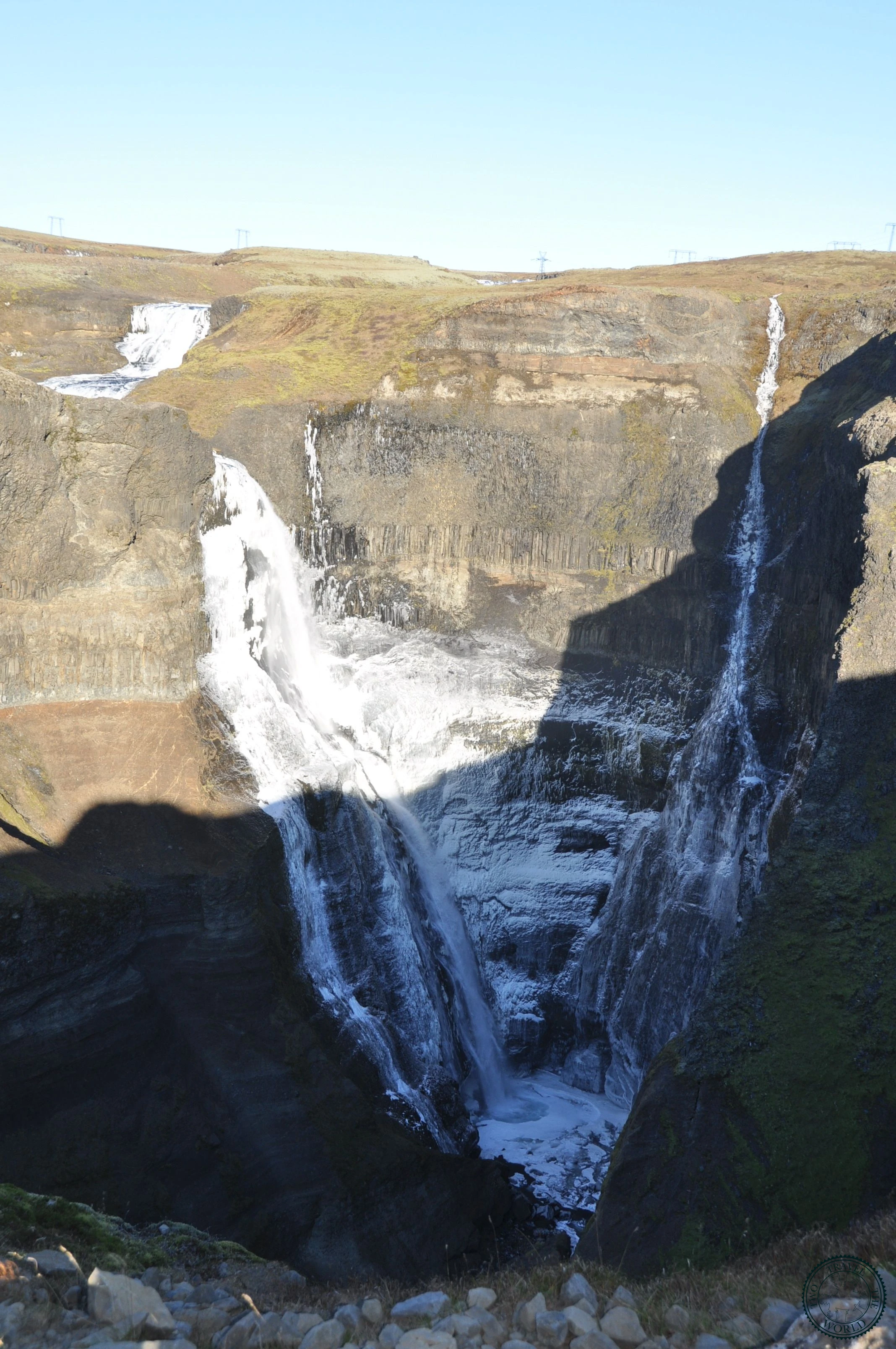
Getting here feels like an expedition. The last stretch of road is rough highland gravel, the landscape is barren volcanic desert, and then suddenly the canyon opens up in front of you with both waterfalls thundering into it. The contrast between the desolate plateau and the green canyon floor below is dramatic.
We arrived in late afternoon and had the viewpoint entirely to ourselves. The remoteness is a feature here — Háifoss doesn't get a fraction of the visitors that Gullfoss or Skógafoss attract, and the experience is better for it.

What to Expect
The drive requires a 4WD vehicle for the final section of gravel road. From the parking area, it's a short walk (10-15 minutes) to the canyon rim viewpoint. The viewpoint is unfenced — you're standing at the edge of a 122-metre drop, so stay well back.

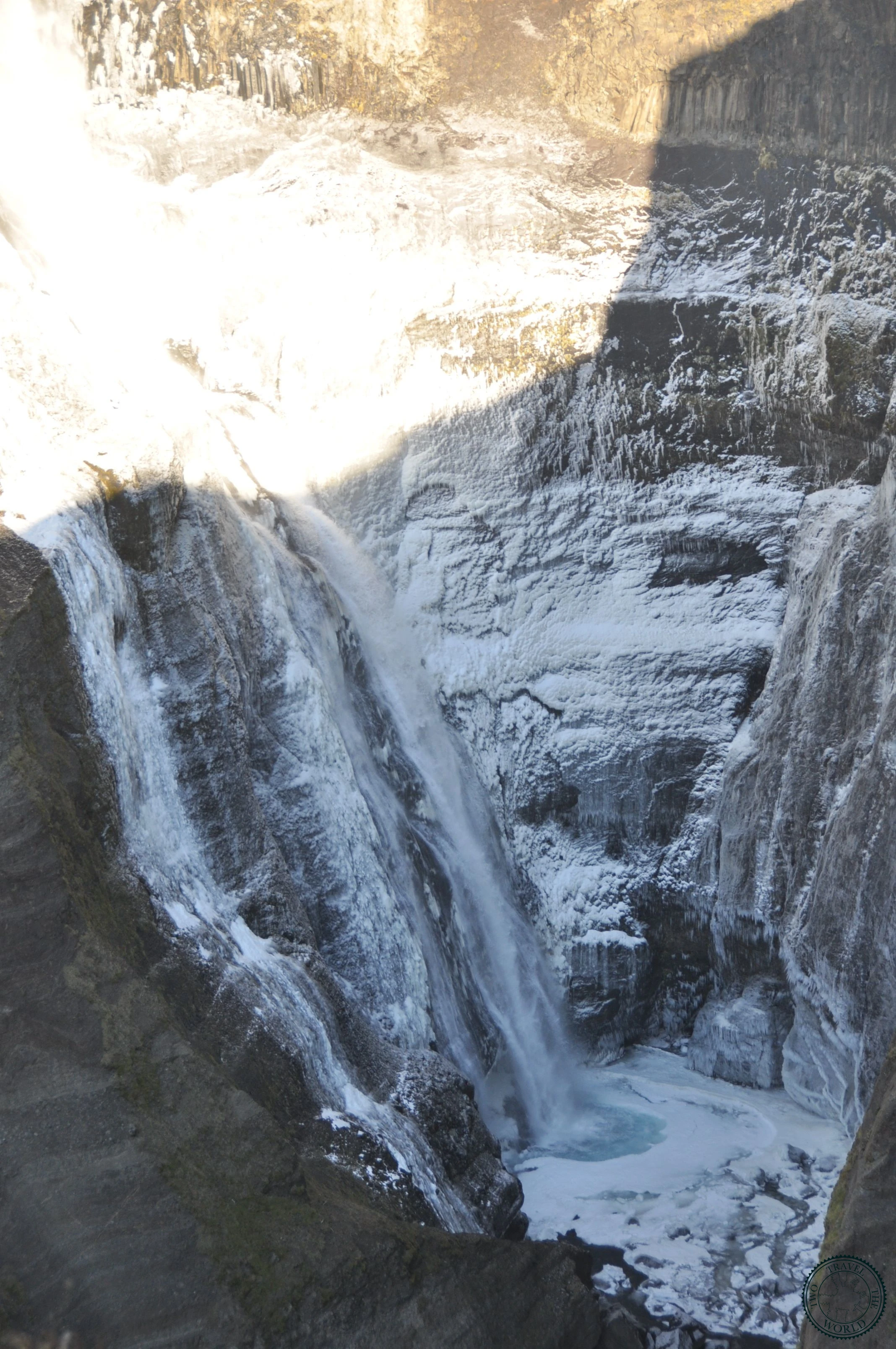
From the rim, you can see both Háifoss and Granni side by side. On clear days, Hekla volcano is visible in the distance. A rough trail descends into the canyon for a view from below, but it's steep, unstable, and only recommended for confident hikers.
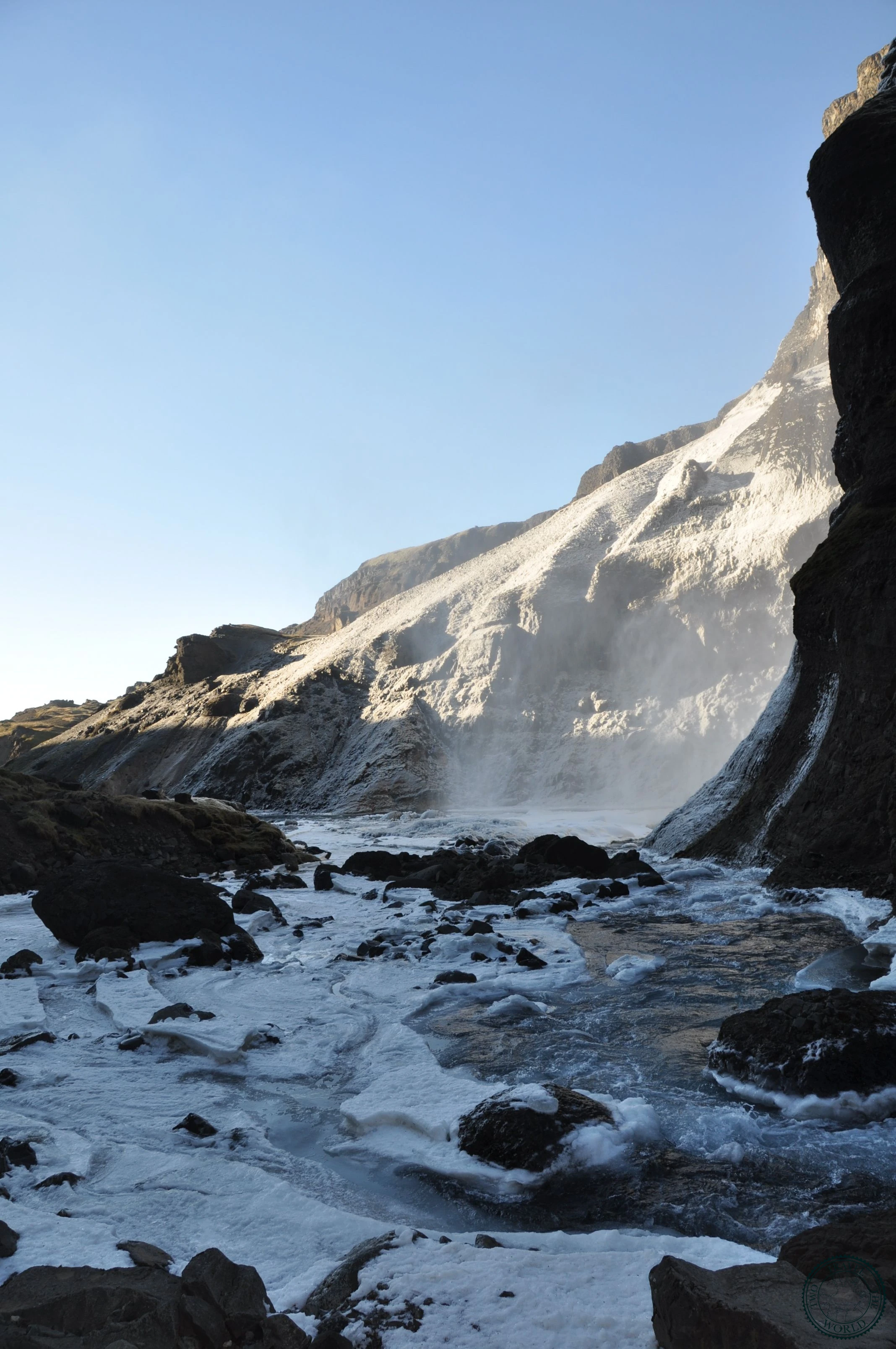
The canyon itself is a geological cross-section — layers of different lava flows and volcanic ash deposits are visible in the cliff walls, each one representing a different eruption over thousands of years.
Practical Tips
- 4WD vehicle is strongly recommended; the road is rough gravel with possible river crossings
- Best visited May to October; highland roads close in winter
- No facilities at the site — bring food, water, and extra fuel
- Stay well back from the unfenced canyon rim
- Combine with Gjáin valley (5 km) and Hjálparfoss (22 km) for a full day in Þjórsárdalur
- The drive from Reykjavik takes about 2.5 hours via Routes 1, 30, and 32
- Afternoon light illuminates the canyon walls best for photography
- Check road conditions at road.is before driving — highland roads open dates vary by year
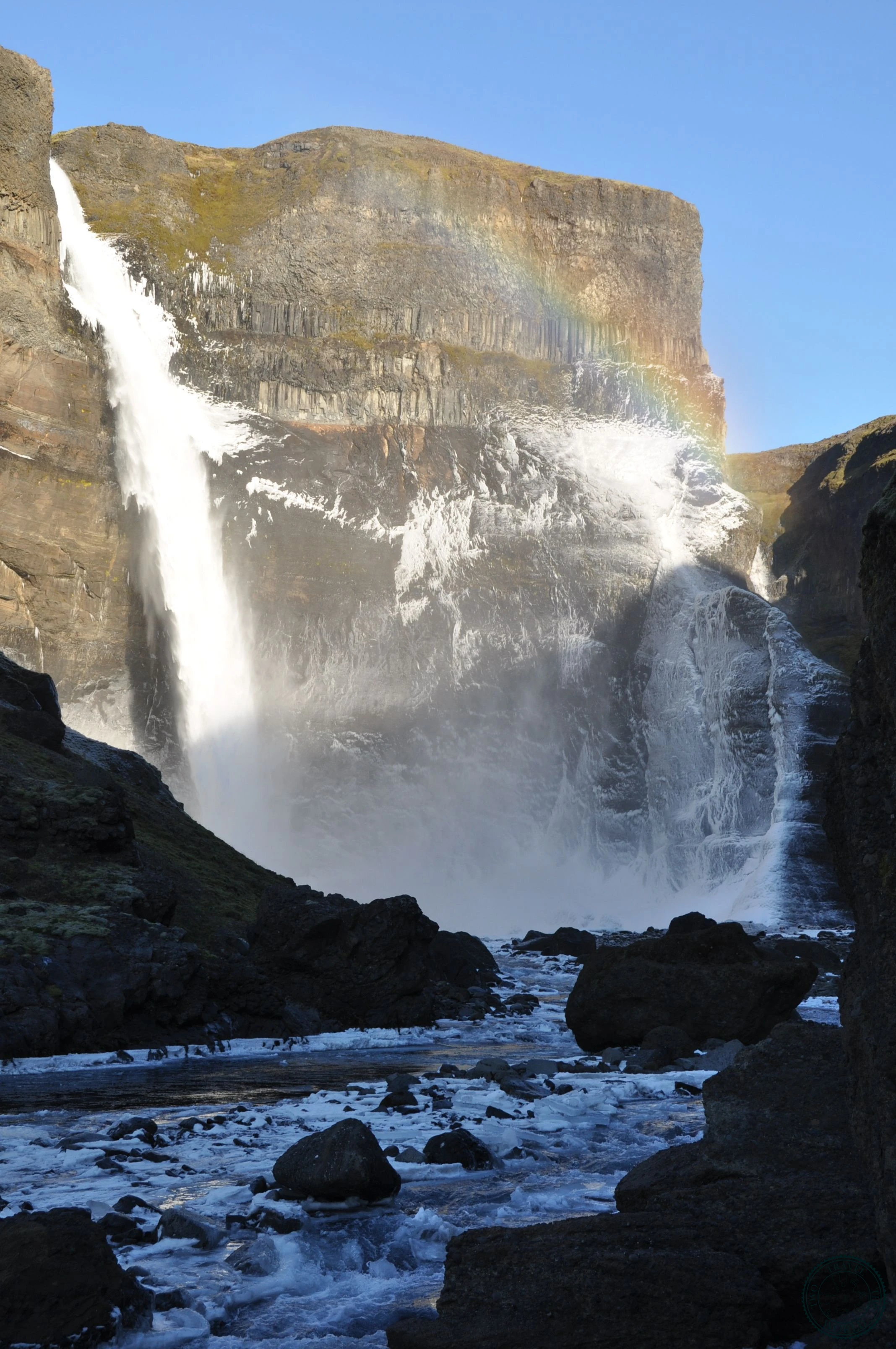
Photo Gallery




More Experiences in Vik
Gjáin Valley
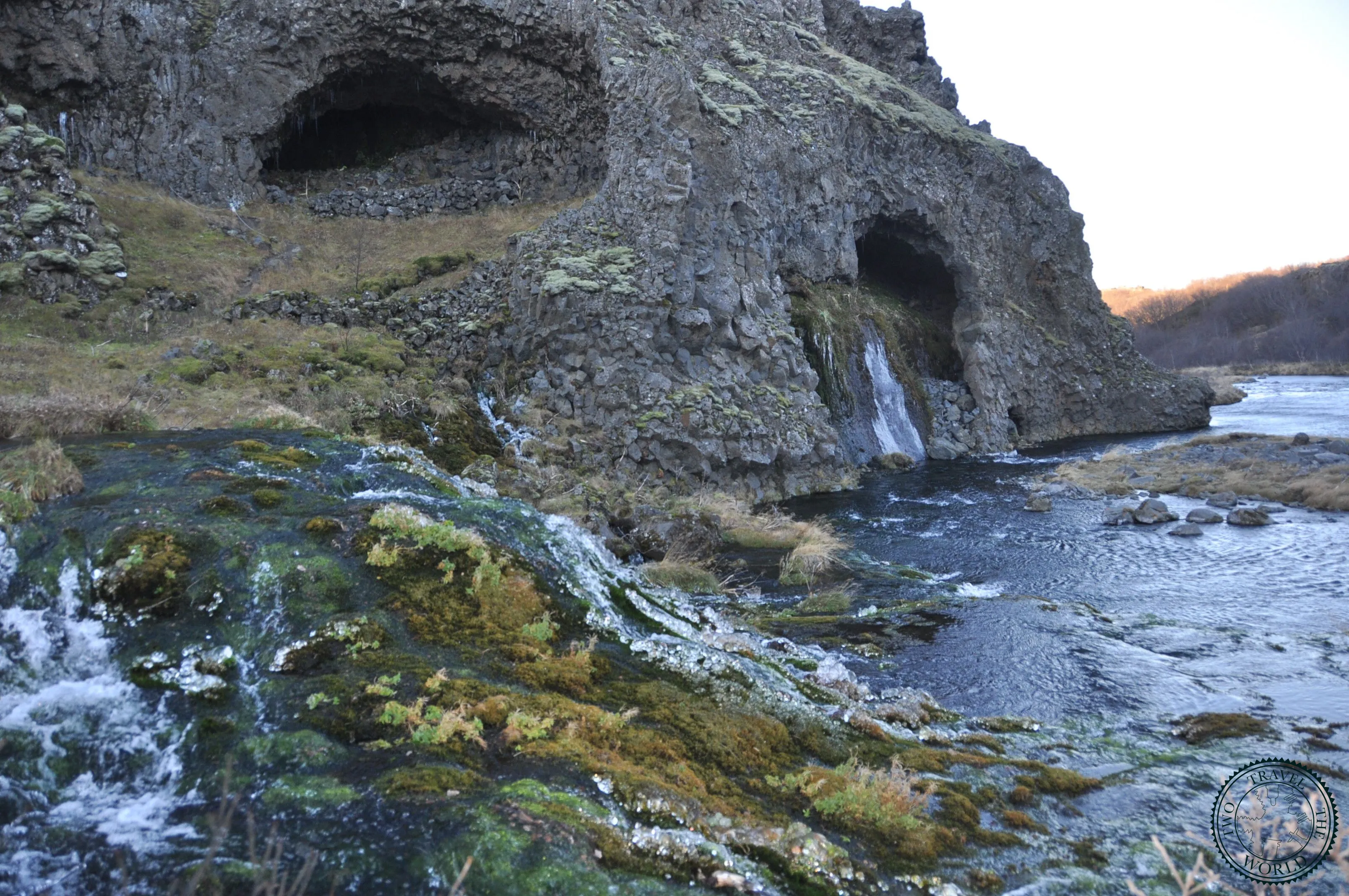
Gjáin is a small, hidden valley in the Þjórsárdalur highlands — a pocket of green in the barren interior where waterfalls tumble over basalt, streams braid through moss-covered lava, and you might have it entirely to yourself.

Gljúfrabúi
Barely 500 metres from the tourist crowds at Seljalandsfoss, Gljúfrabúi hides behind a narrow crack in the rock — wade through ankle-deep water into a small canyon and look up to see a waterfall pouring into a natural cathedral.
Hjálparfoss
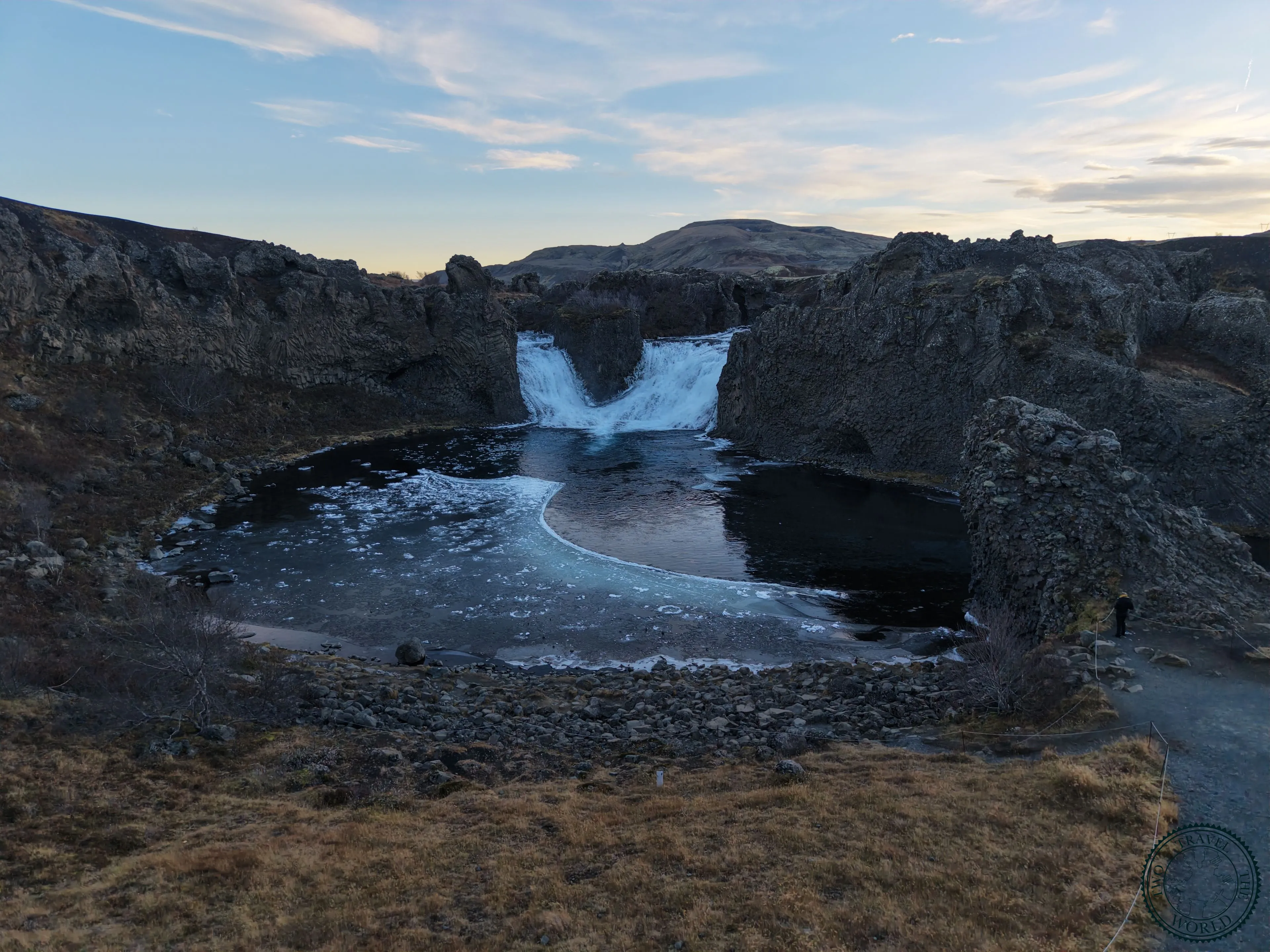
Two streams merge and drop over a ledge of hexagonal basalt columns into a shared pool — Hjálparfoss is compact, easy to reach by regular car, and one of the most photogenic stops in the Þjórsárdalur valley.
Keldur Turf Houses
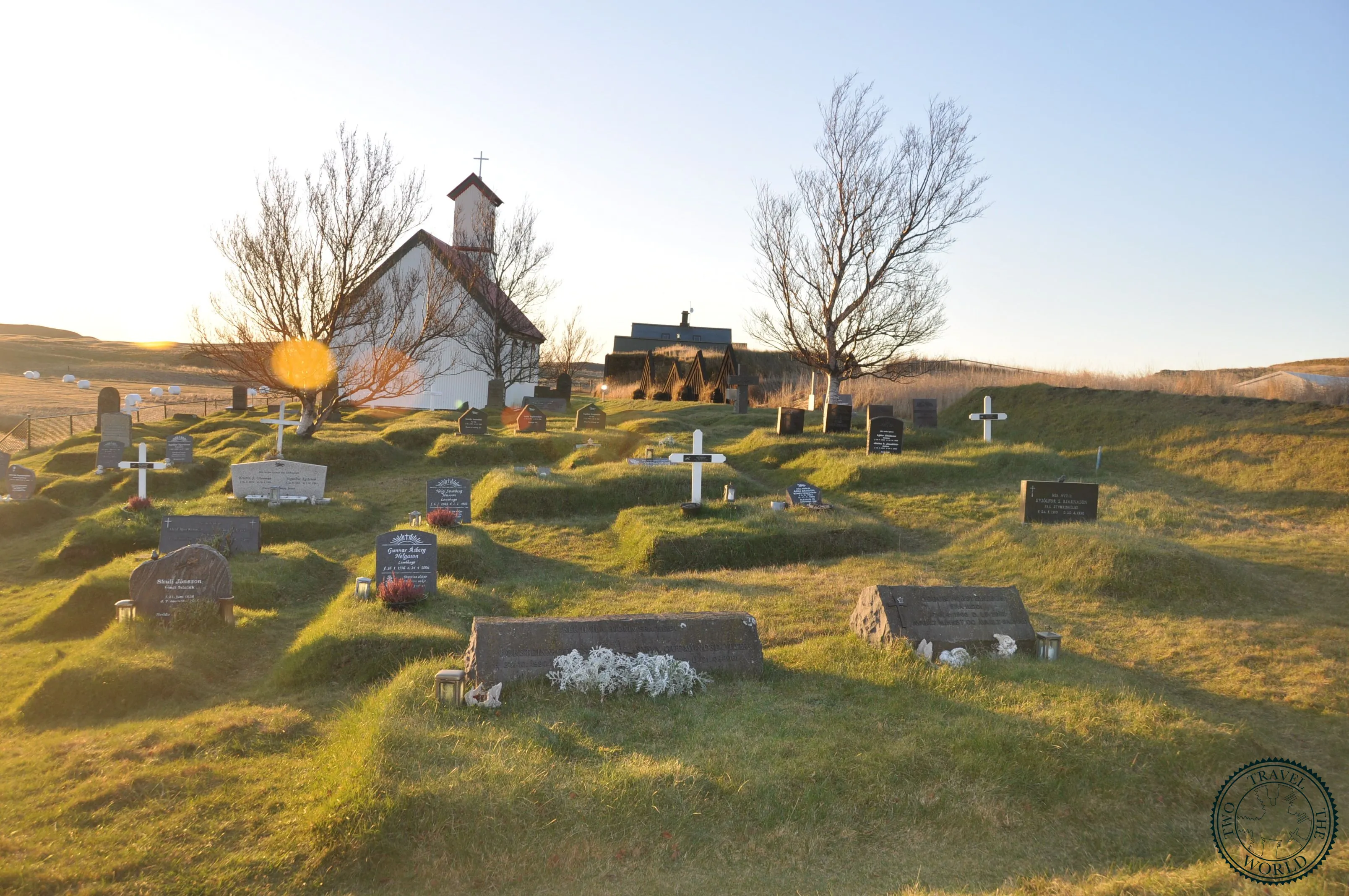
Keldur is the oldest fully standing turf farmhouse in Iceland — a cluster of grass-roofed buildings dating to the 12th century, connected by an underground stone tunnel, in the heart of Njáls Saga country.

Kvernufoss
Kvernufoss is a 30-metre waterfall hiding in a gorge just a 15-minute walk from Skógafoss — you can walk behind the curtain of water through a natural alcove, and most days you'll have it almost entirely to yourself.

Nauthúsagil
Nauthúsagil is a narrow, moss-covered ravine on the flanks of Eyjafjallajökull — wade through a shallow stream, grab the fixed ropes, and squeeze into a canyon that opens onto a hidden waterfall at the back. It feels like trespassing into a secret.
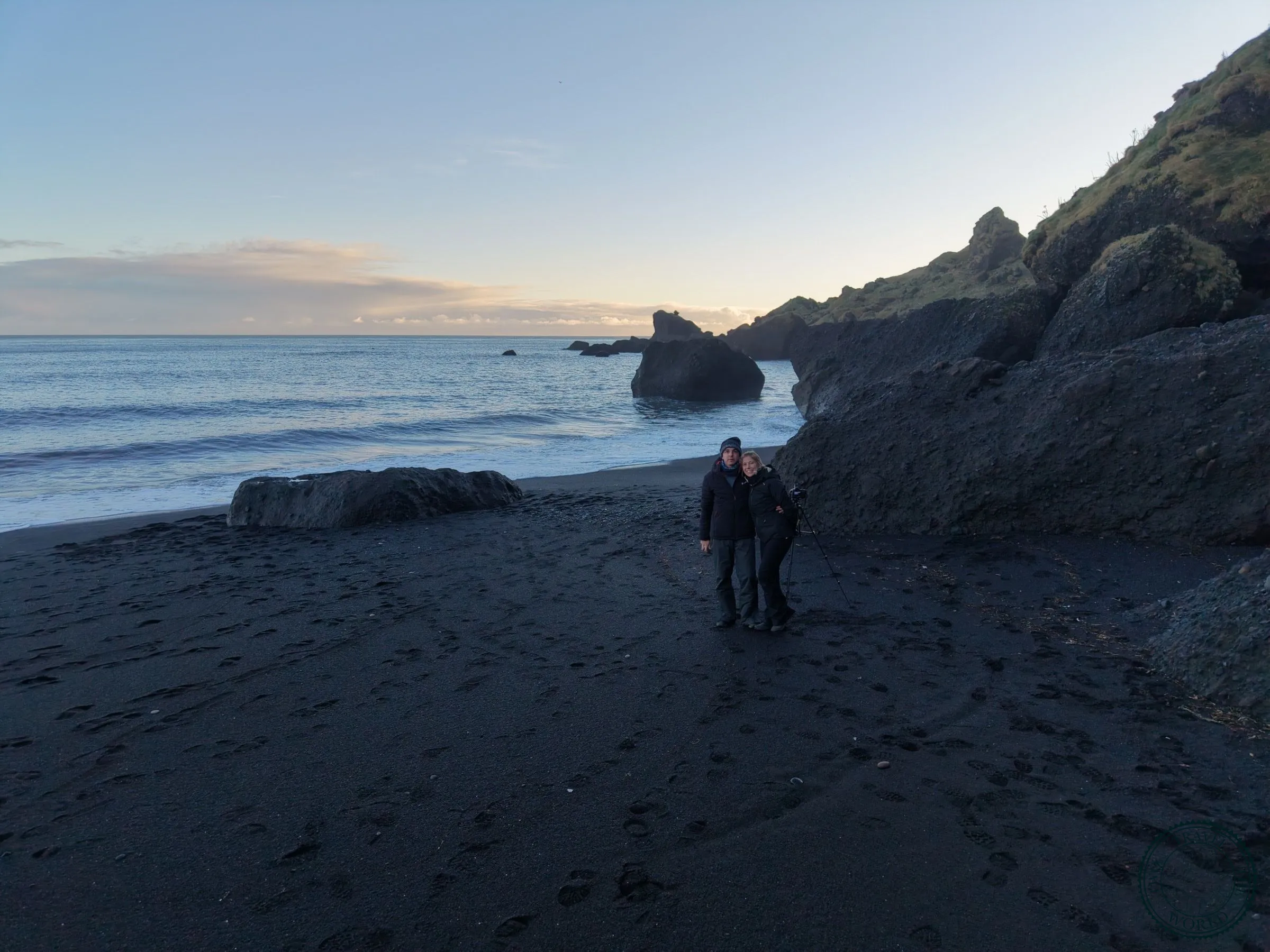
Reynisfjara Black Sand Beach
The basalt columns look like a giant pipe organ, the Reynisdrangar sea stacks rise from the surf like frozen trolls, and the sneaker waves will absolutely knock you off your feet if you turn your back on the ocean. Reynisfjara is magnificent and it demands respect.
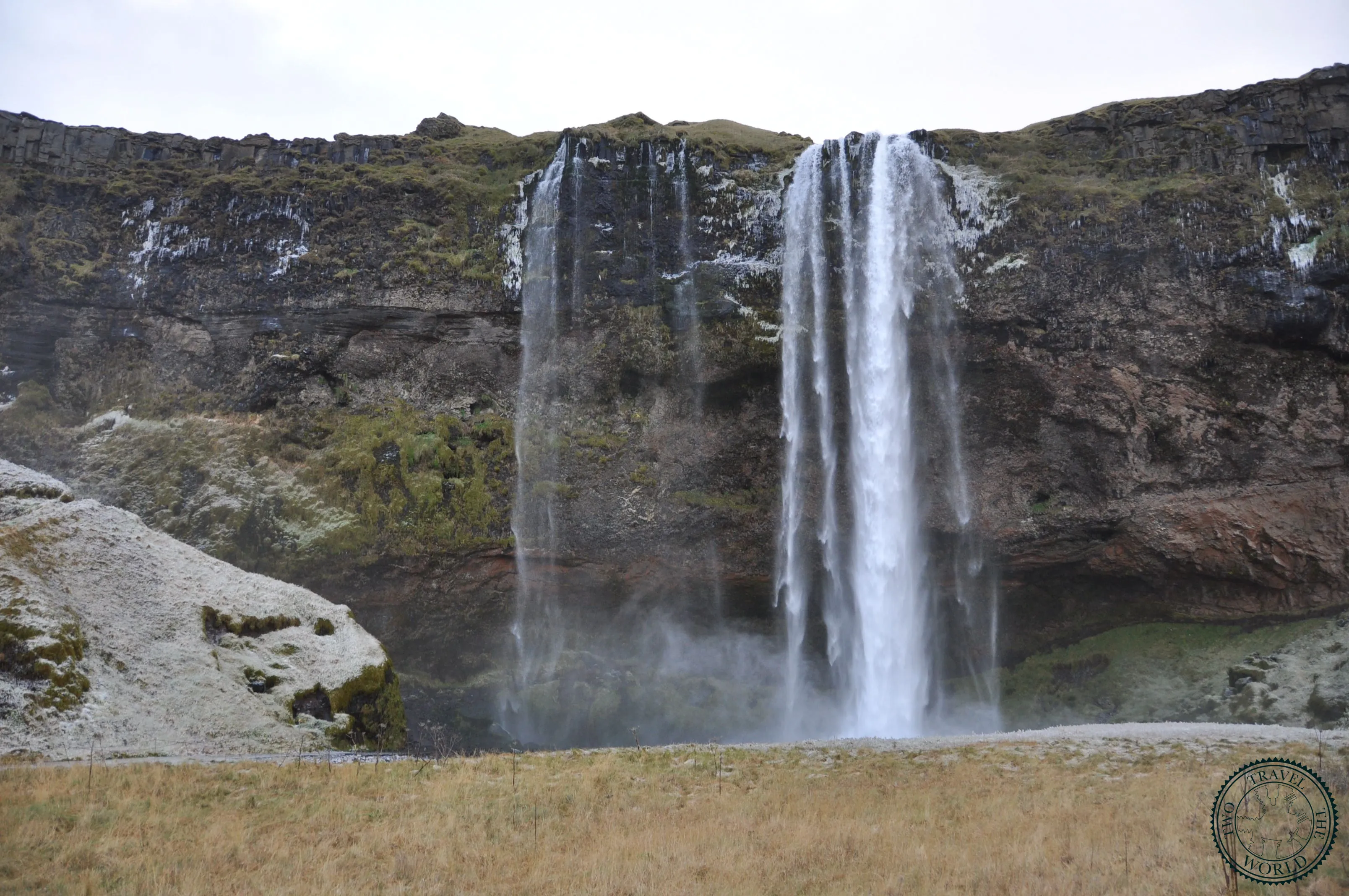
Seljalandsfoss
Seljalandsfoss is the waterfall you can walk behind — a 60-metre curtain of water fed by the Seljalandsá river, with a path that loops completely around the cliff face through spray, wind, and some of the best angles in Iceland.

Skógafoss
Skógafoss is a 60-metre wall of water so powerful it produces a permanent rainbow on sunny days — stand at its base and feel the ground shake, then climb 527 steps beside it for views all the way to the coast and the start of the Fimmvörðuháls trail.