

Keldur Turf Houses
Iceland's oldest standing turf farmhouse, from the age of the sagas
About This Experience
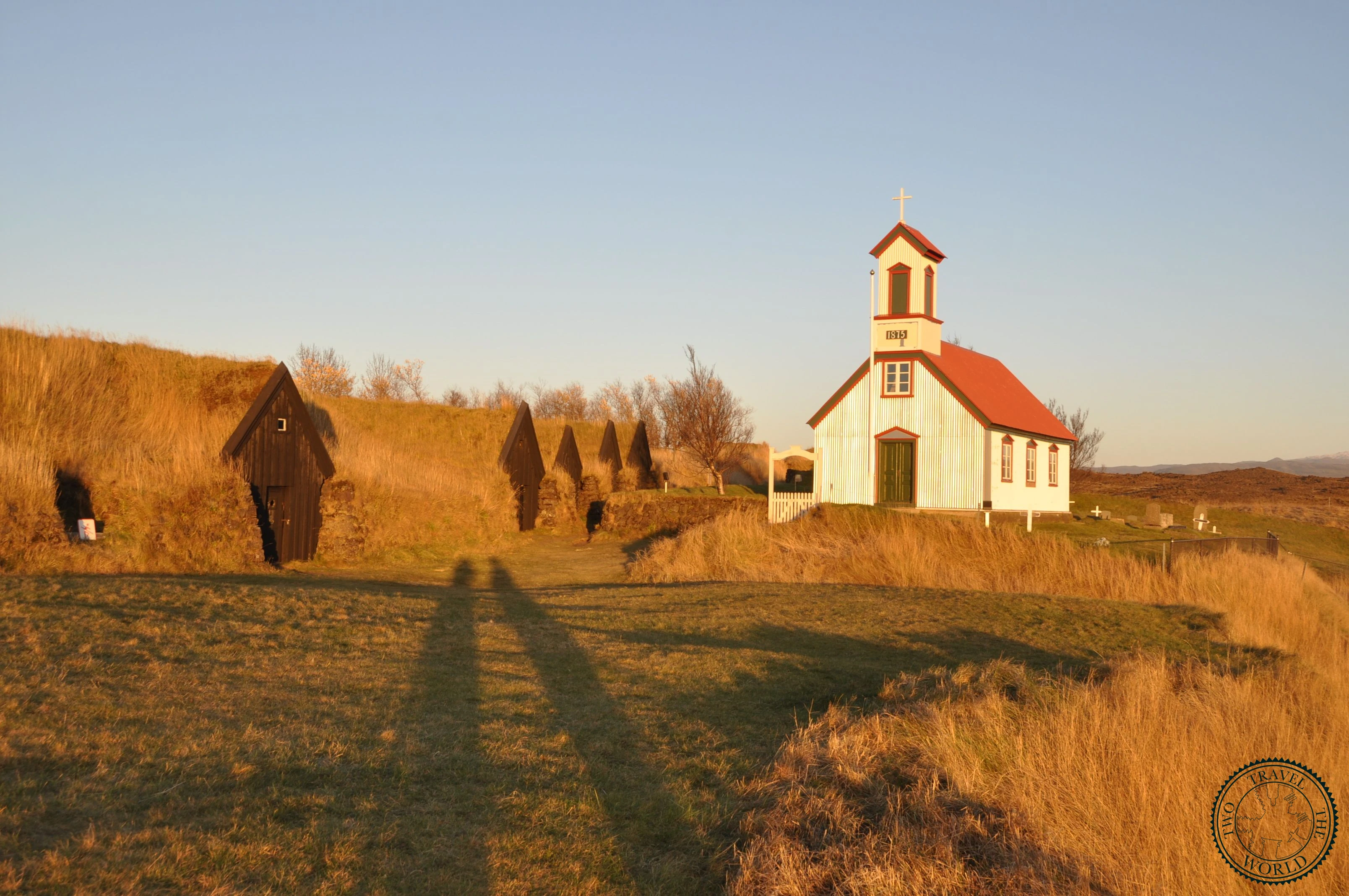
Keldur is a place that collapses the distance between modern Iceland and the saga age. The turf farmhouse here dates to the late 12th century, making it the oldest fully standing structure of its kind in Iceland. The buildings sit low in the landscape, their grass roofs blending into the surrounding meadow until you're almost on top of them.
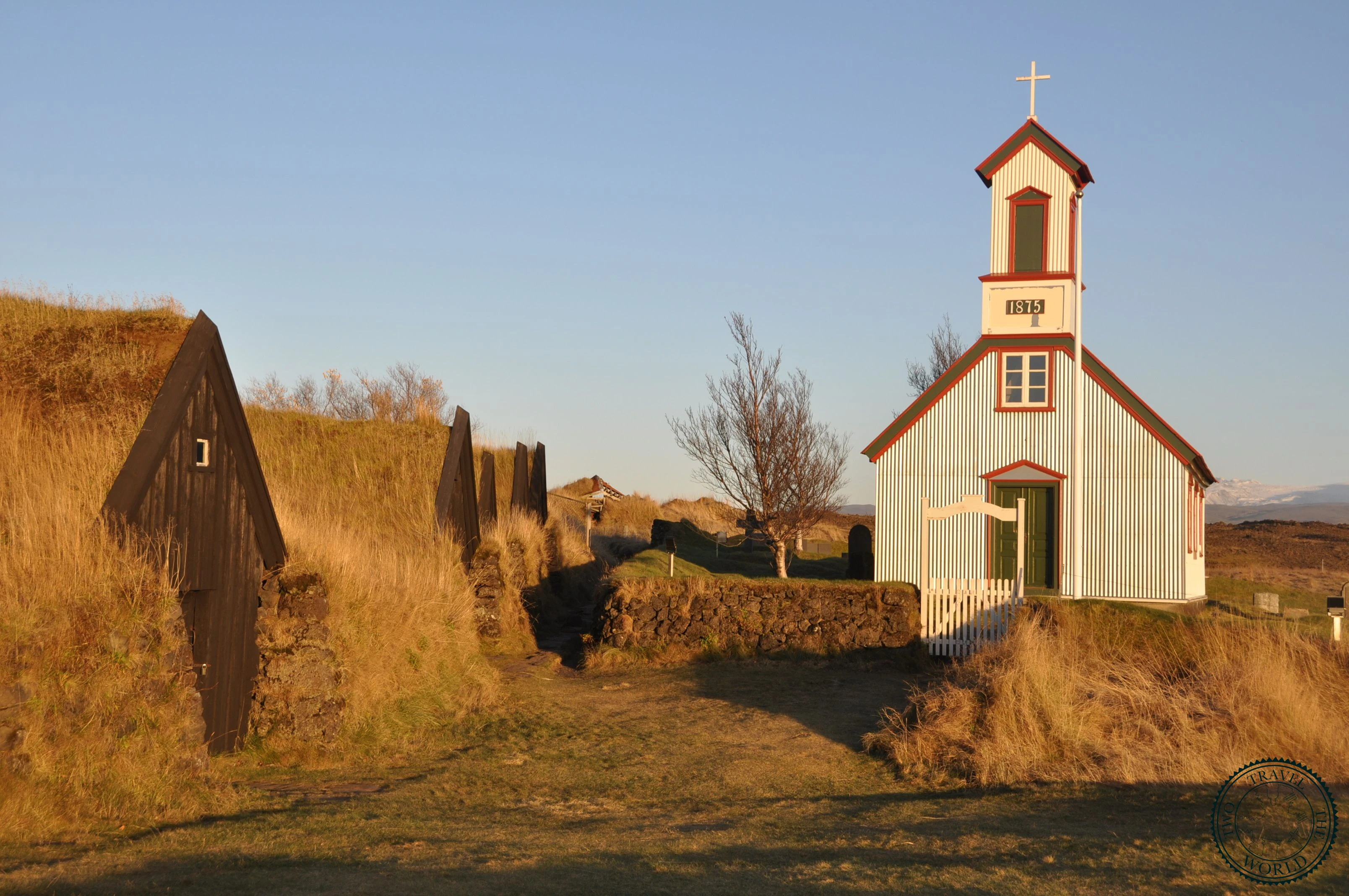
The farm appears in Njáls Saga, one of the most celebrated of the Icelandic sagas, as the home of Ingjaldur Höskuldsson. Walking through the low doorways and into the dark interiors, you get a visceral sense of how people lived here — thick turf walls insulating against the cold, timber frames supporting the roof, and a tunnel underground that may have served as an escape route during the violent feuds described in the sagas.


The underground passage is the most striking feature — a stone-lined tunnel roughly 20 metres long, dating to the 12th or 13th century. Crawling through it, you can't help but imagine who used it last and what they were running from.
What to Expect
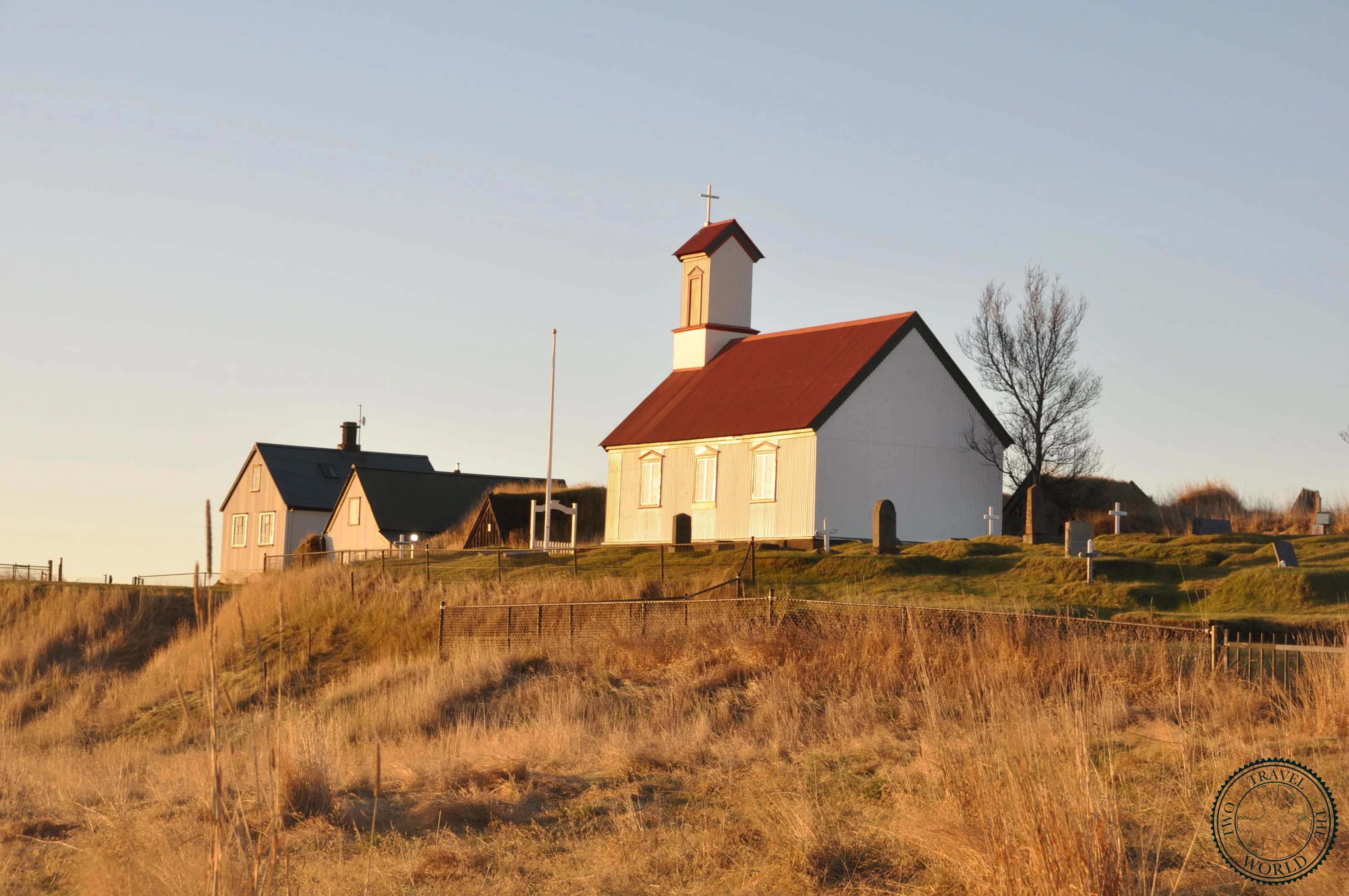
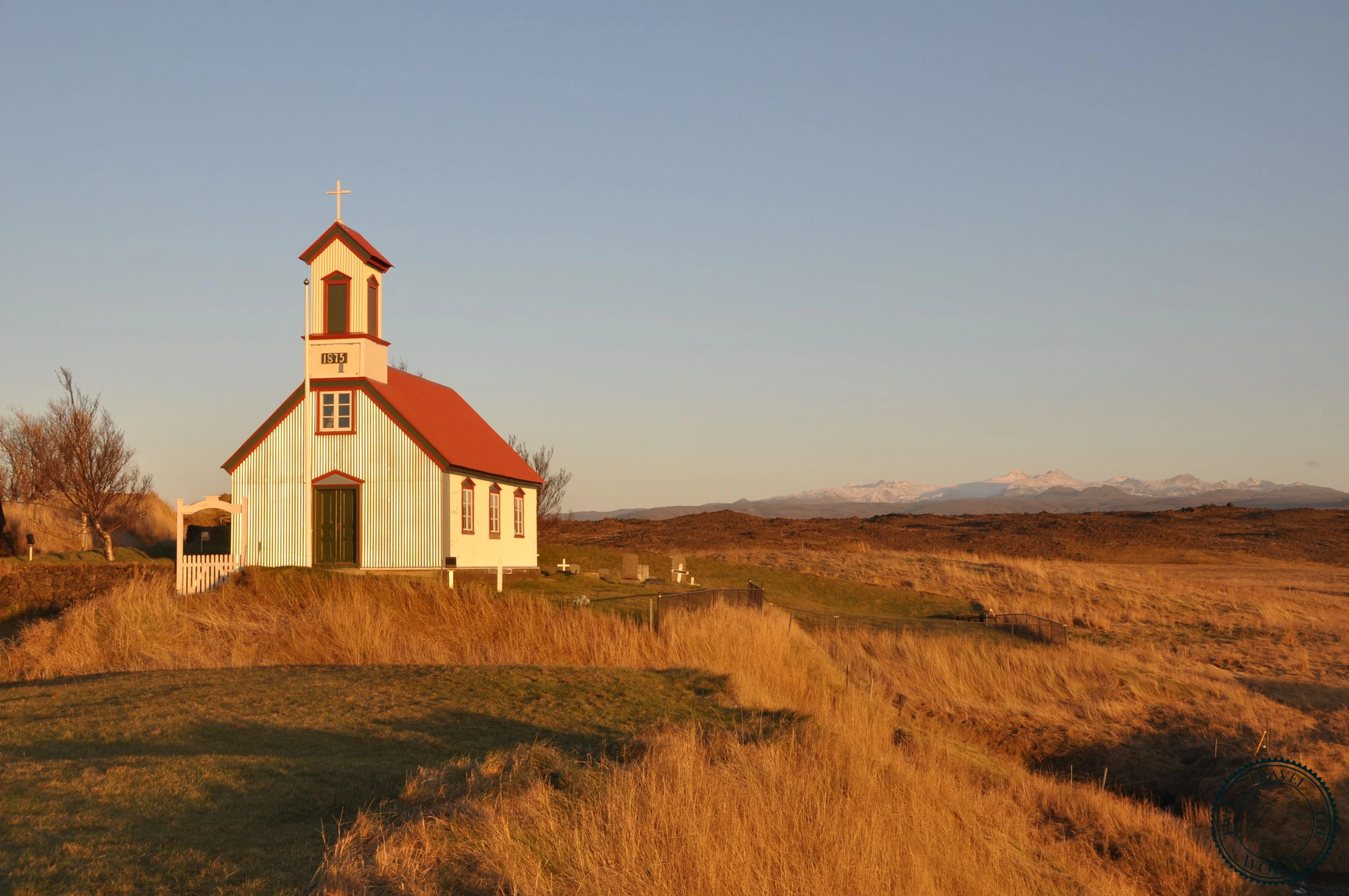
Keldur is managed by the National Museum of Iceland and open during summer months (typically June through August). A guide is usually present to explain the history and walk you through the buildings. The site includes the main farmhouse, several outbuildings, a church, and the underground passage.
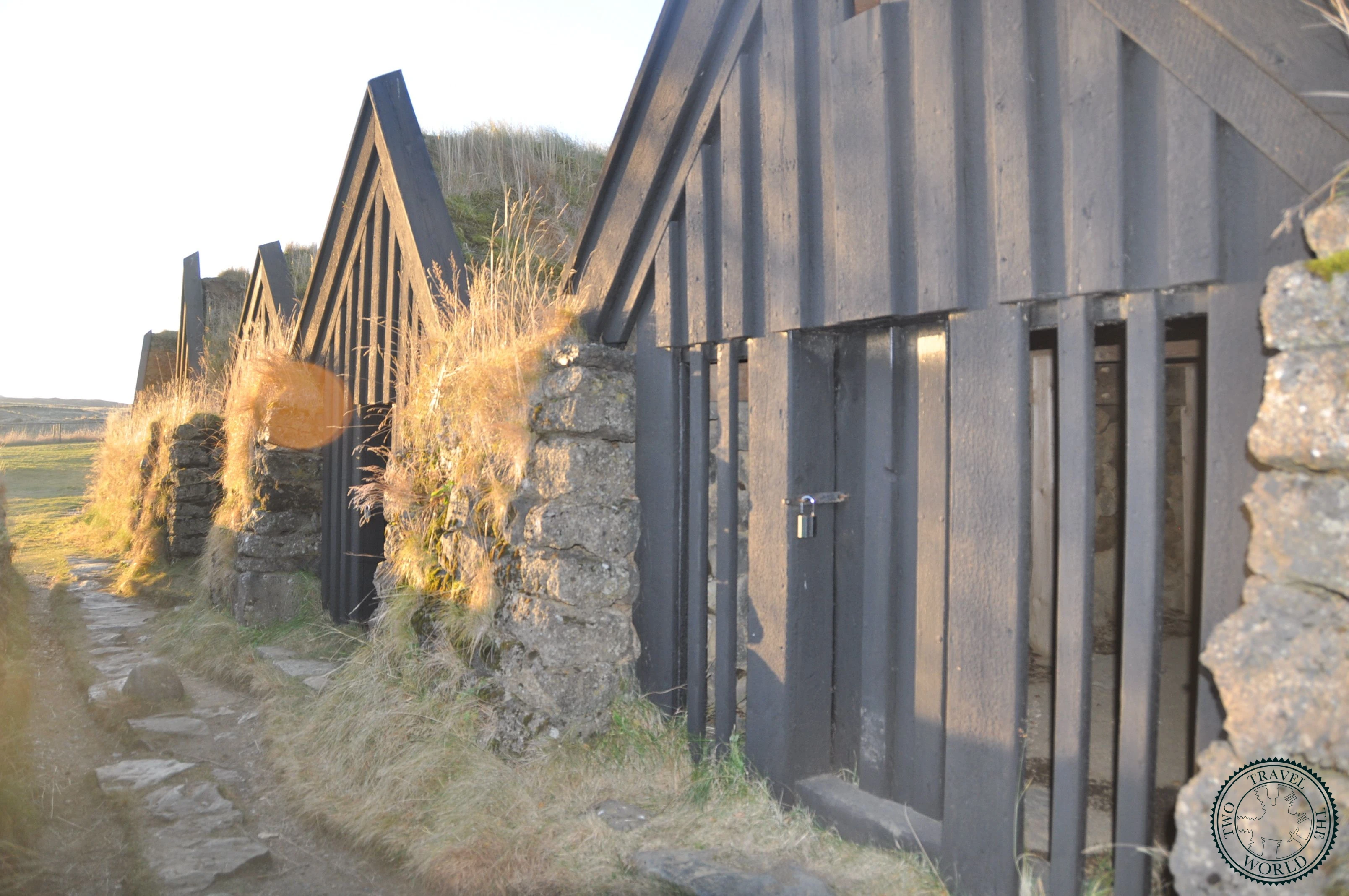
The farm is set in peaceful countryside between Hella and Hvolsvöllur, about 19 km off Route 1 on Road 264 (gravel, passable by 2WD). There's a small parking area and no admission fee (or minimal charge).
The visit takes about an hour — longer if you engage with the guide, who typically has deep knowledge of the saga connections and building techniques.
Practical Tips
- Open summer only (June–August) — verify hours at thjodminjasafn.is
- Road 264 is gravel but passable by regular car
- Free or minimal admission; donations welcome
- The underground tunnel is the highlight — ask the guide about it if it's not on the standard tour
- Combine with Njáls Saga Centre in Hvolsvöllur (20 km) for full saga context
- The drive from Vik takes about 45 minutes west; from Reykjavik about 1.75 hours east
- Bring a torch for the underground passage
- The churchyard and surrounding meadows are worth a quiet wander
Photo Gallery



More Experiences in Vik
Gjáin Valley
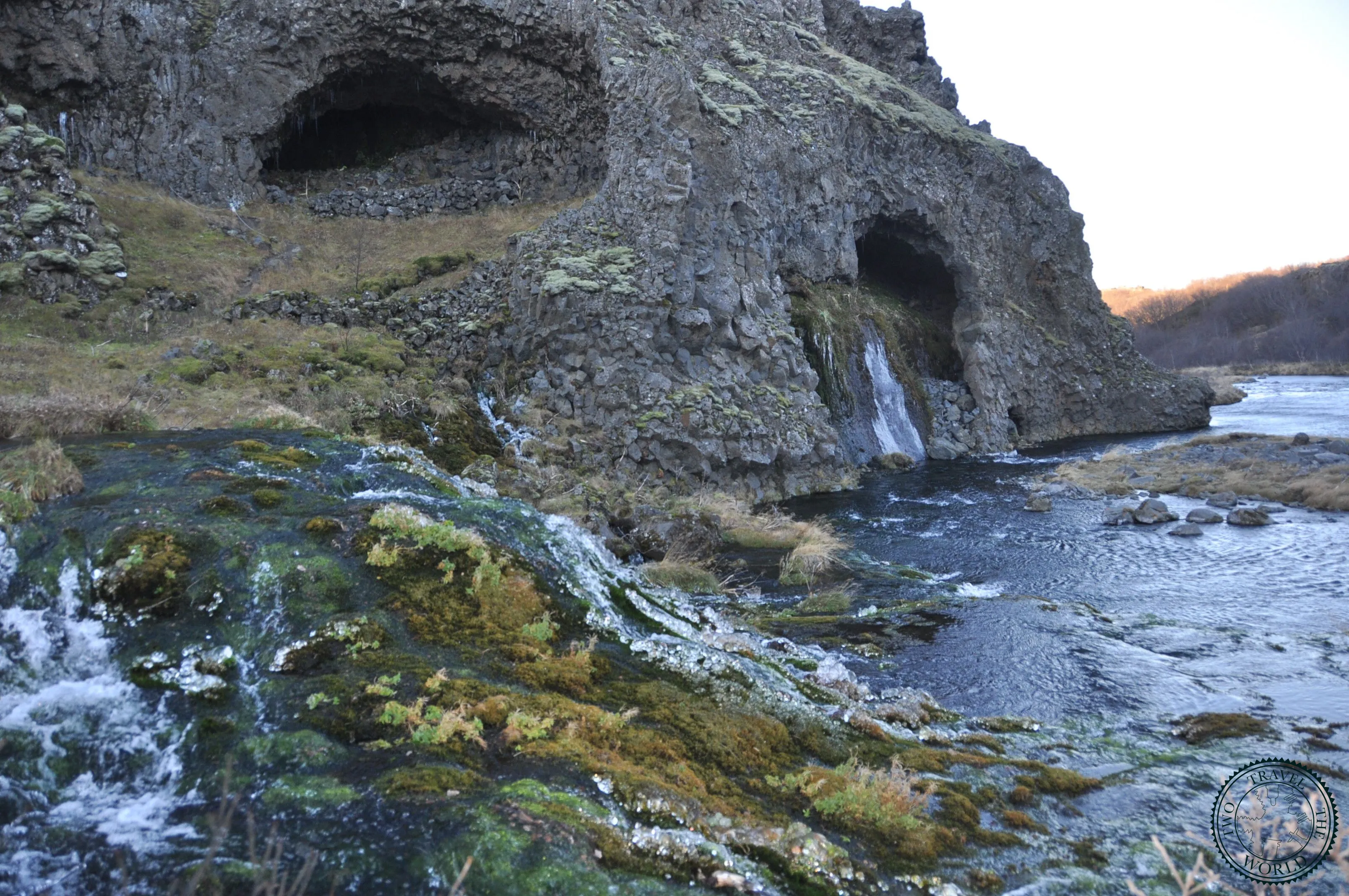
Gjáin is a small, hidden valley in the Þjórsárdalur highlands — a pocket of green in the barren interior where waterfalls tumble over basalt, streams braid through moss-covered lava, and you might have it entirely to yourself.

Gljúfrabúi
Barely 500 metres from the tourist crowds at Seljalandsfoss, Gljúfrabúi hides behind a narrow crack in the rock — wade through ankle-deep water into a small canyon and look up to see a waterfall pouring into a natural cathedral.
Háifoss
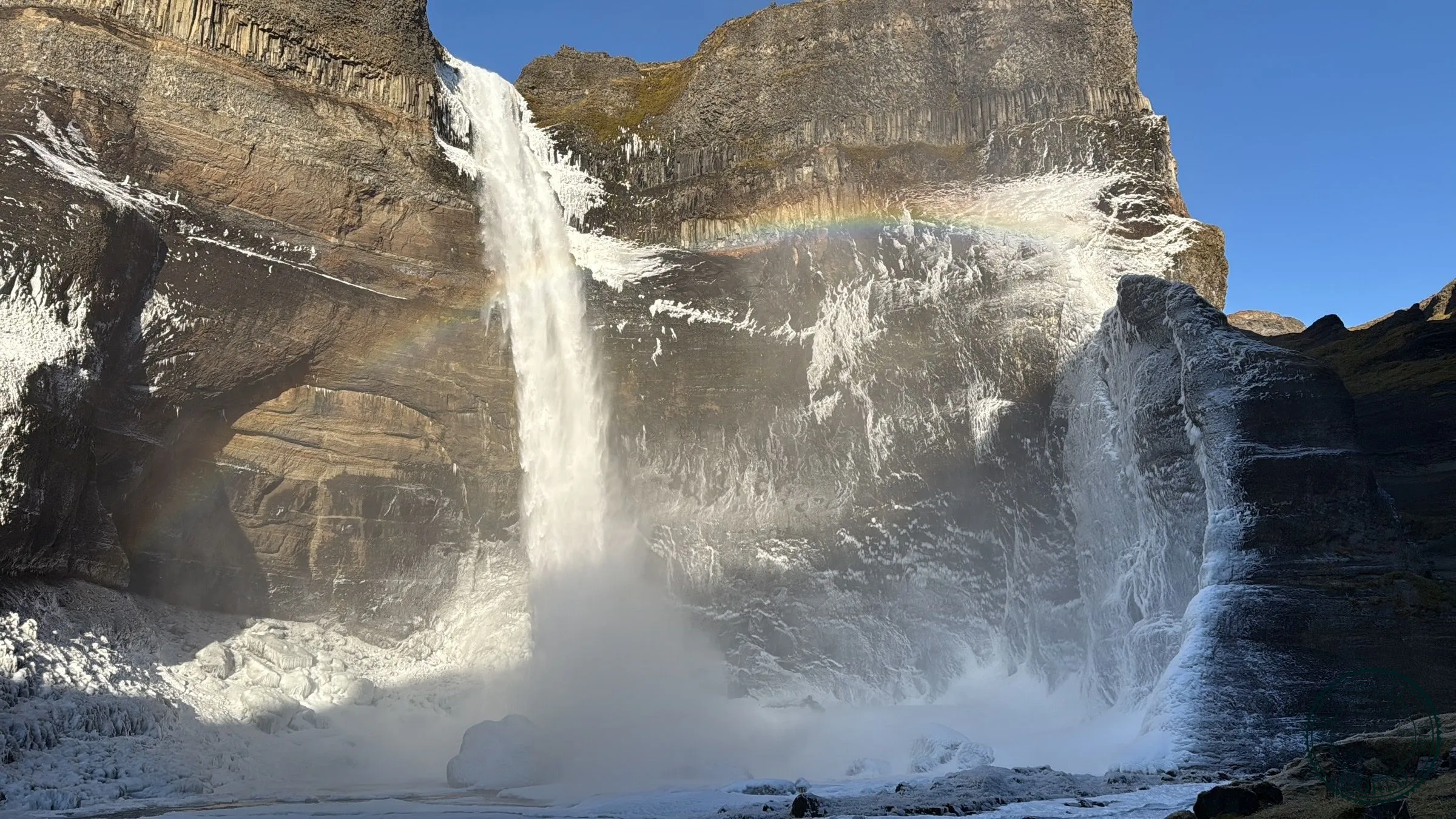
Háifoss drops 122 metres from a highland plateau into the Fossárdalur canyon — and right next to it, its smaller companion Granni falls side by side. The remote setting and sheer scale make this one of Iceland's most rewarding waterfalls to reach.
Hjálparfoss
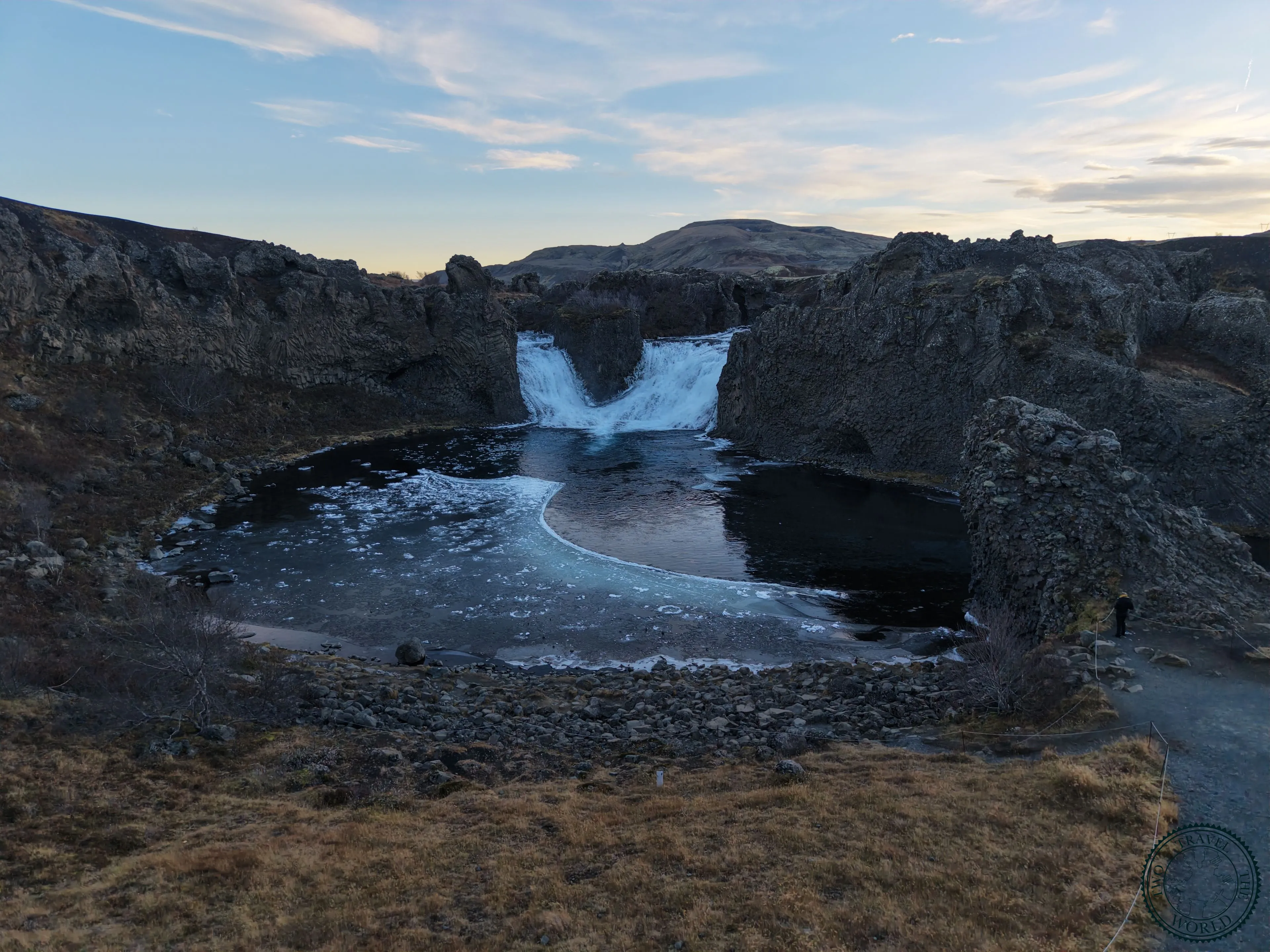
Two streams merge and drop over a ledge of hexagonal basalt columns into a shared pool — Hjálparfoss is compact, easy to reach by regular car, and one of the most photogenic stops in the Þjórsárdalur valley.

Kvernufoss
Kvernufoss is a 30-metre waterfall hiding in a gorge just a 15-minute walk from Skógafoss — you can walk behind the curtain of water through a natural alcove, and most days you'll have it almost entirely to yourself.

Nauthúsagil
Nauthúsagil is a narrow, moss-covered ravine on the flanks of Eyjafjallajökull — wade through a shallow stream, grab the fixed ropes, and squeeze into a canyon that opens onto a hidden waterfall at the back. It feels like trespassing into a secret.
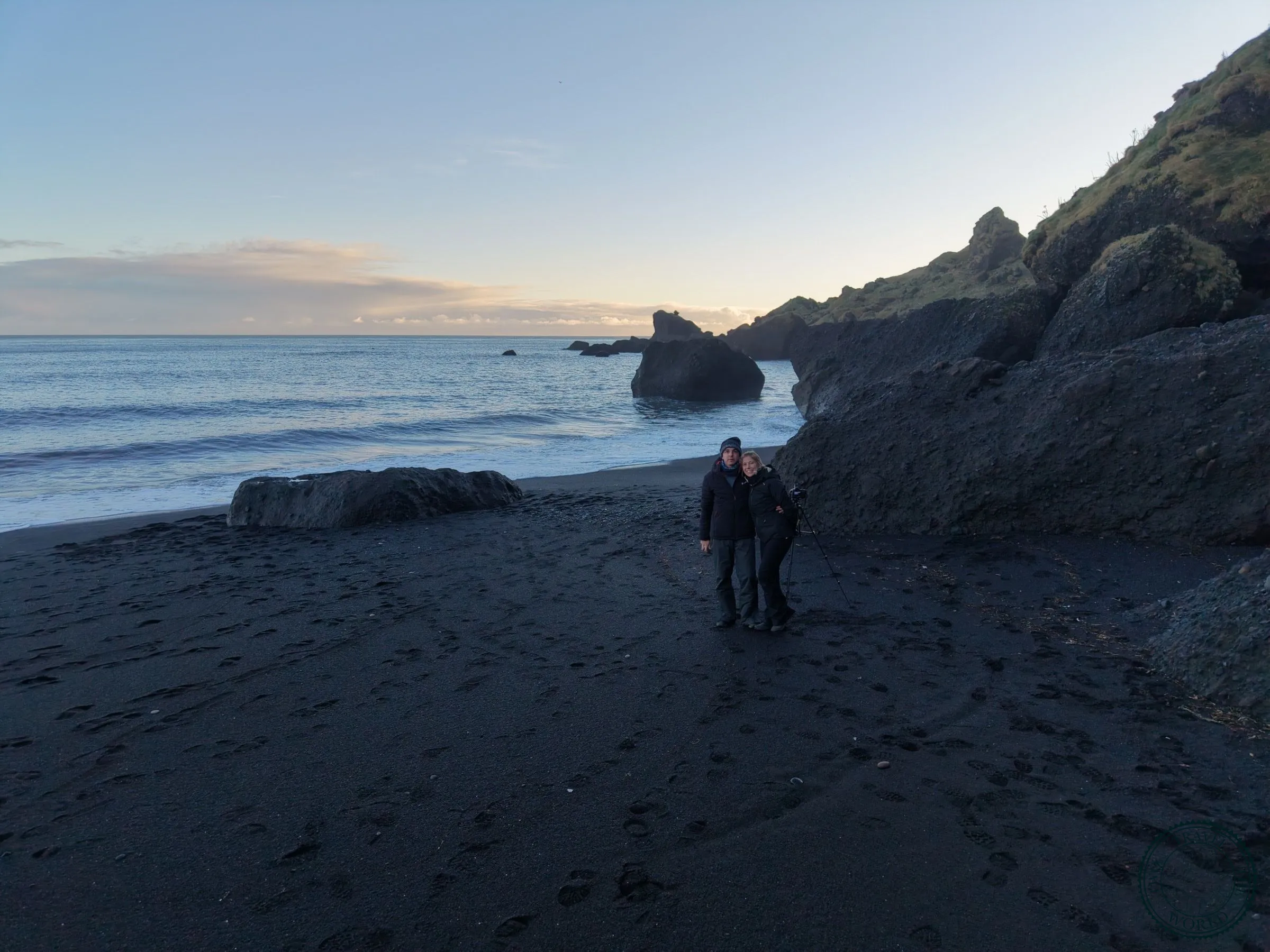
Reynisfjara Black Sand Beach
The basalt columns look like a giant pipe organ, the Reynisdrangar sea stacks rise from the surf like frozen trolls, and the sneaker waves will absolutely knock you off your feet if you turn your back on the ocean. Reynisfjara is magnificent and it demands respect.
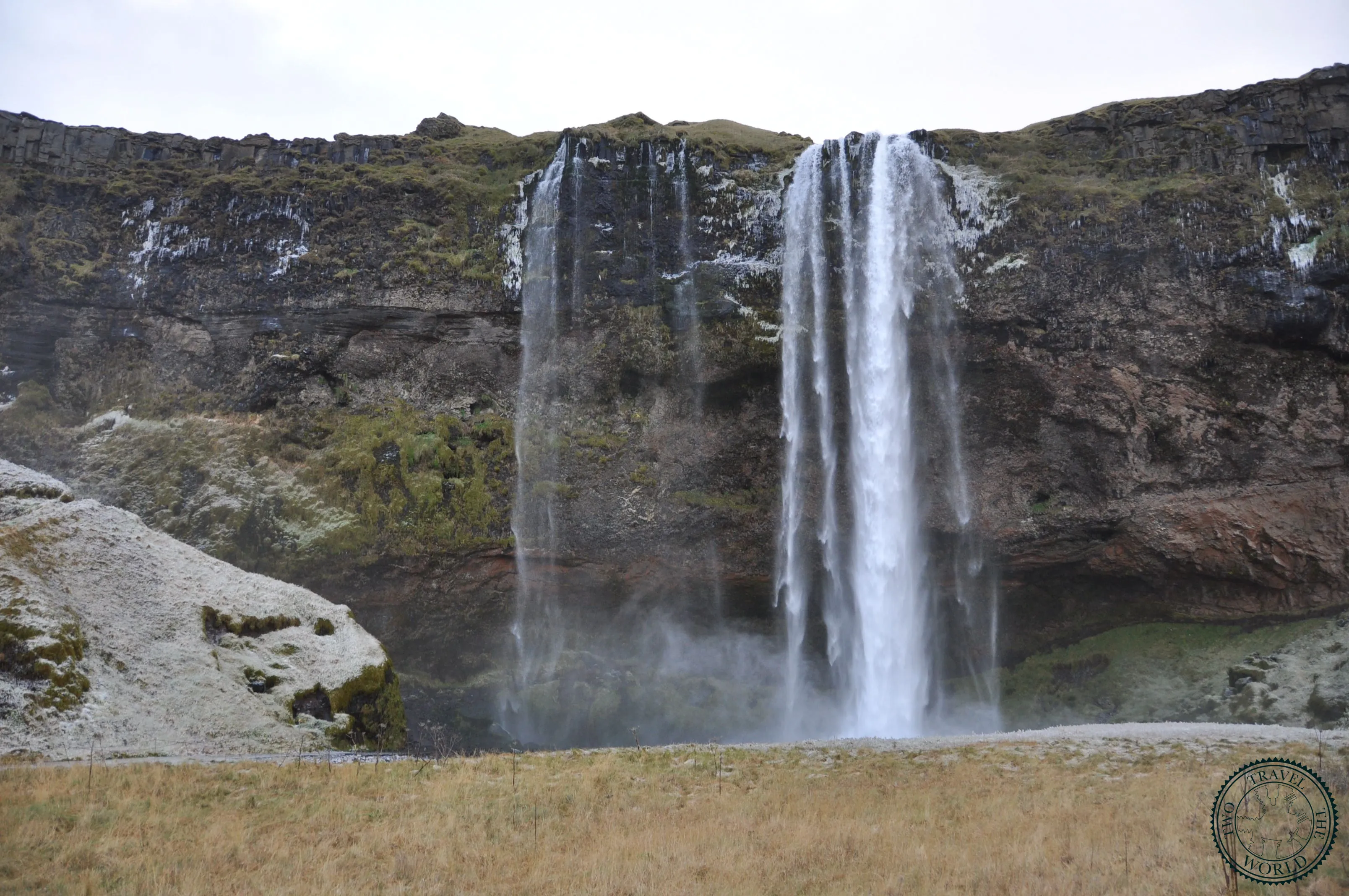
Seljalandsfoss
Seljalandsfoss is the waterfall you can walk behind — a 60-metre curtain of water fed by the Seljalandsá river, with a path that loops completely around the cliff face through spray, wind, and some of the best angles in Iceland.

Skógafoss
Skógafoss is a 60-metre wall of water so powerful it produces a permanent rainbow on sunny days — stand at its base and feel the ground shake, then climb 527 steps beside it for views all the way to the coast and the start of the Fimmvörðuháls trail.