Eiríksstaðir Viking Museum
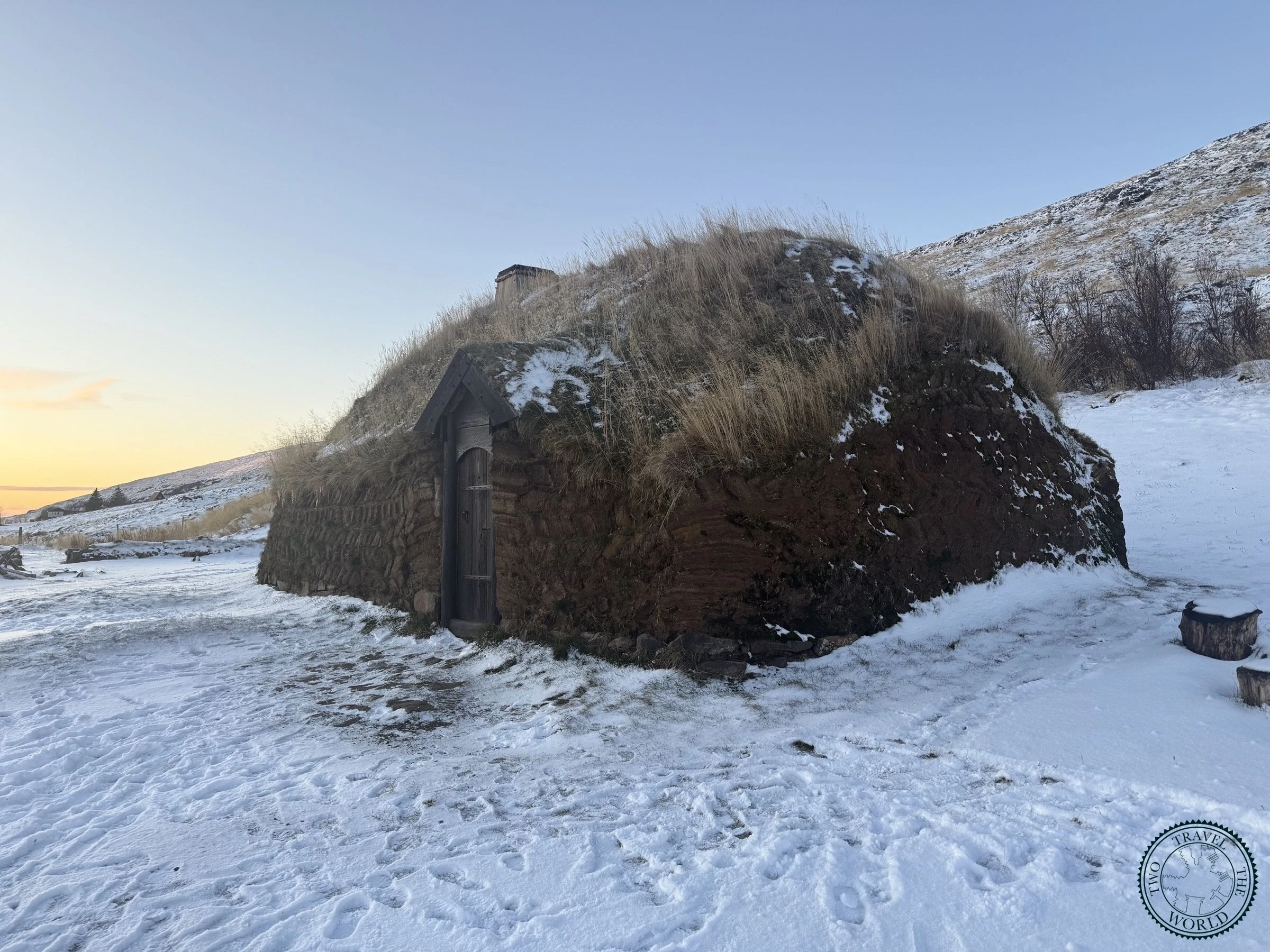
The reconstructed longhouse of Erik the Red in West Iceland
About This Experience
Eiríksstaðir sits in the Haukadalur valley in the Dalir region of West Iceland, about 150 km north of Reykjavík. This is the site where Eiríkur Þorvaldsson — Erik the Red — farmed before his banishment to Greenland around 982 AD, and where his son Leif Eiríksson was likely born. The original longhouse foundations were excavated in the 1990s. Beside them, a full-scale reconstruction was built in 1999 using the same methods, tools, and materials available to Icelandic settlers a thousand years earlier: driftwood, turf, and stone.
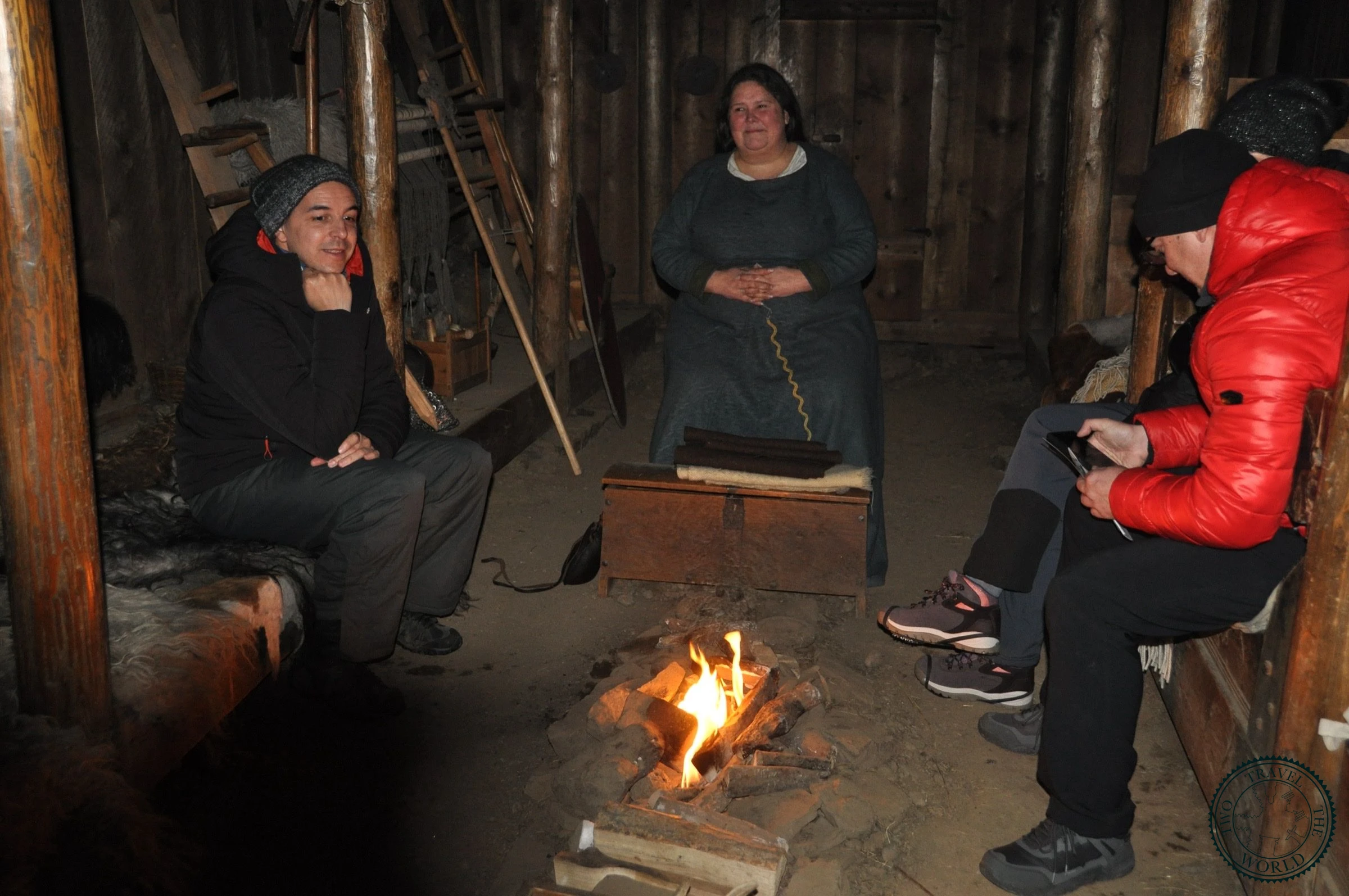
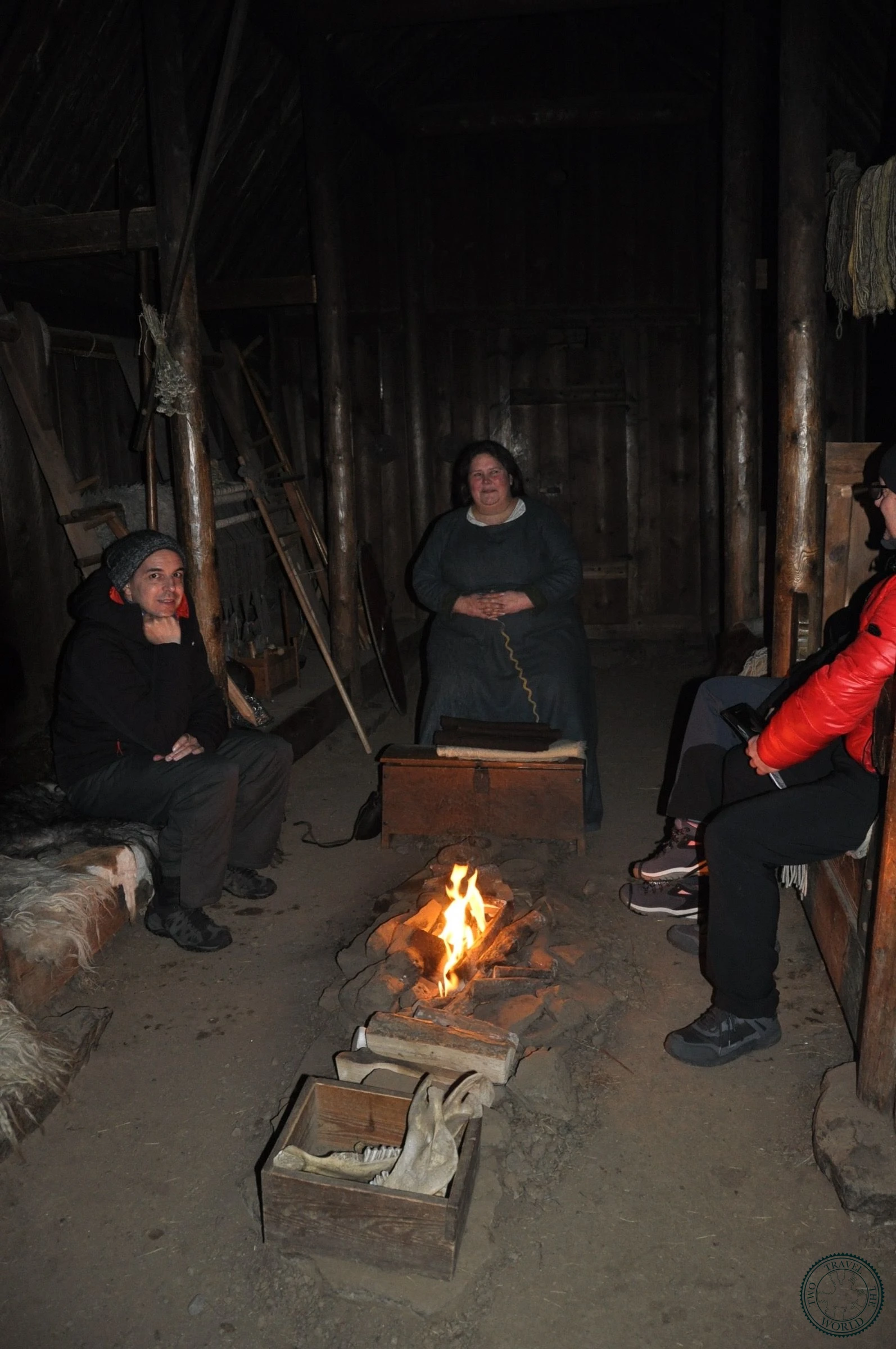
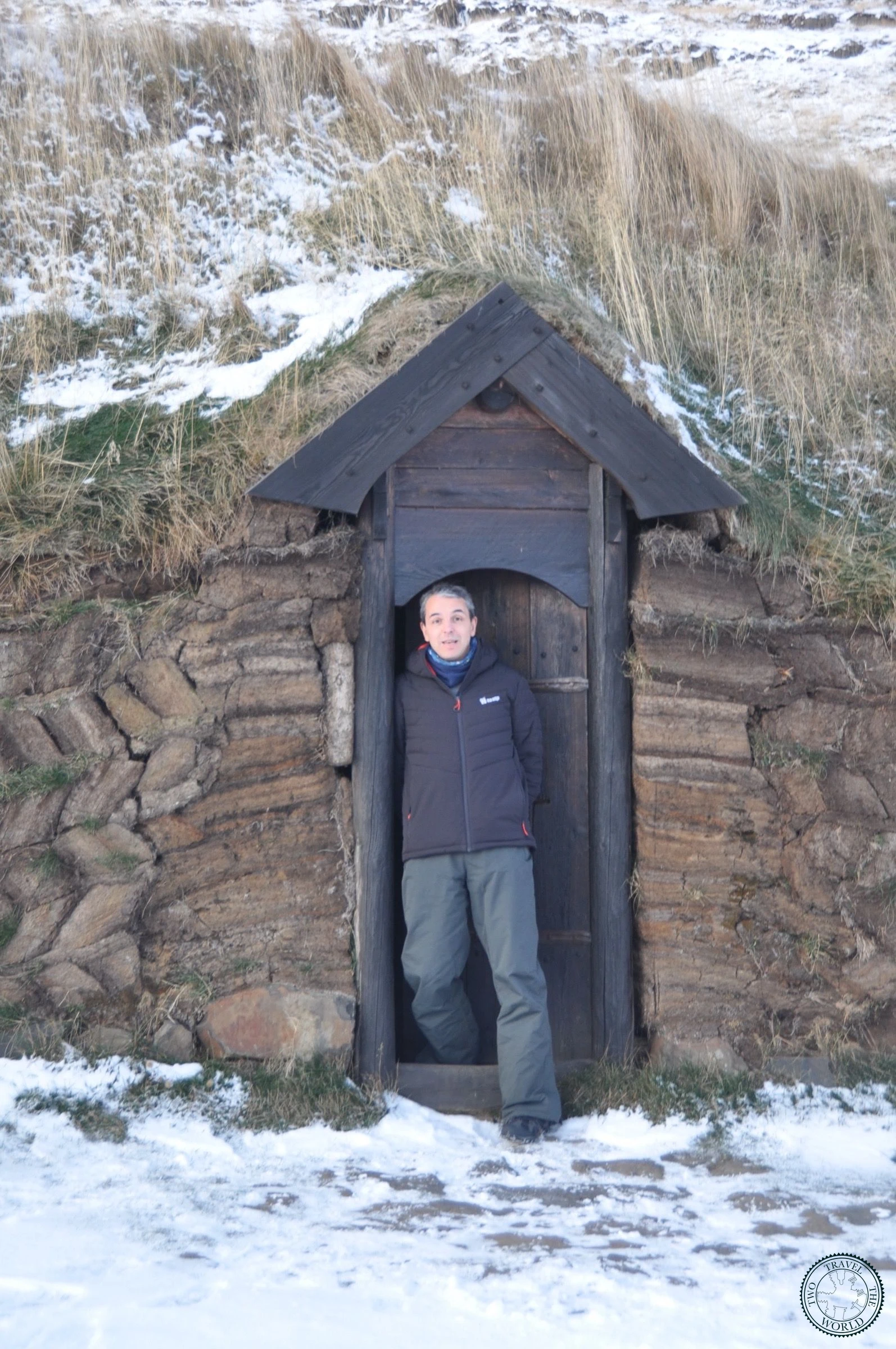
The museum is not a collection of artefacts behind glass. You step through a narrow wooden doorway into a dim, smoky interior. A guide dressed in period clothing sits by an open fire in the centre of the longhouse and tells the Saga of Erik the Red in English. You sit on the turf benches along the walls, the same layout the original house would have had, while the fire crackles and the turf walls keep the wind out. The whole thing feels closer to time travel than a museum visit.
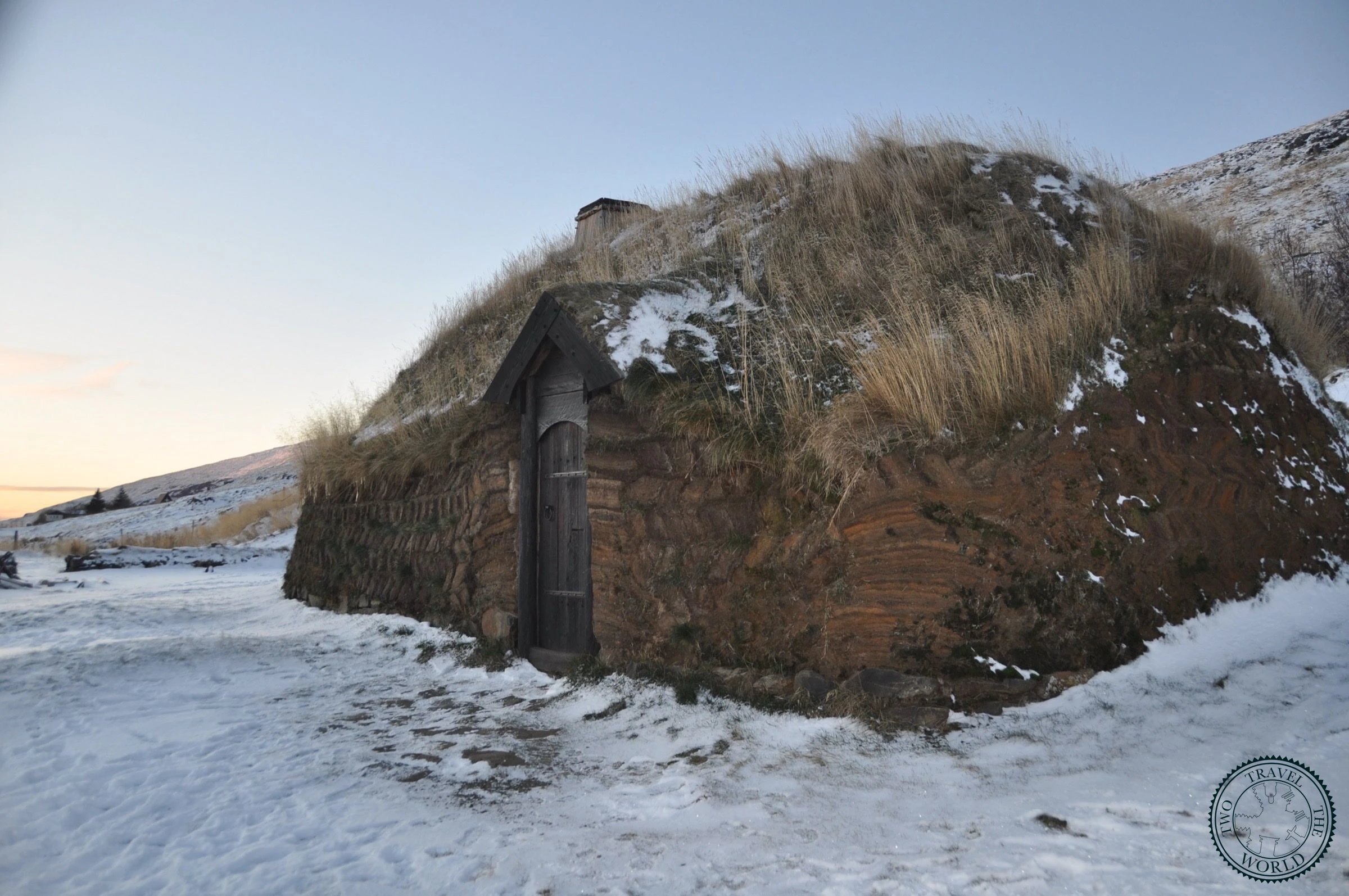
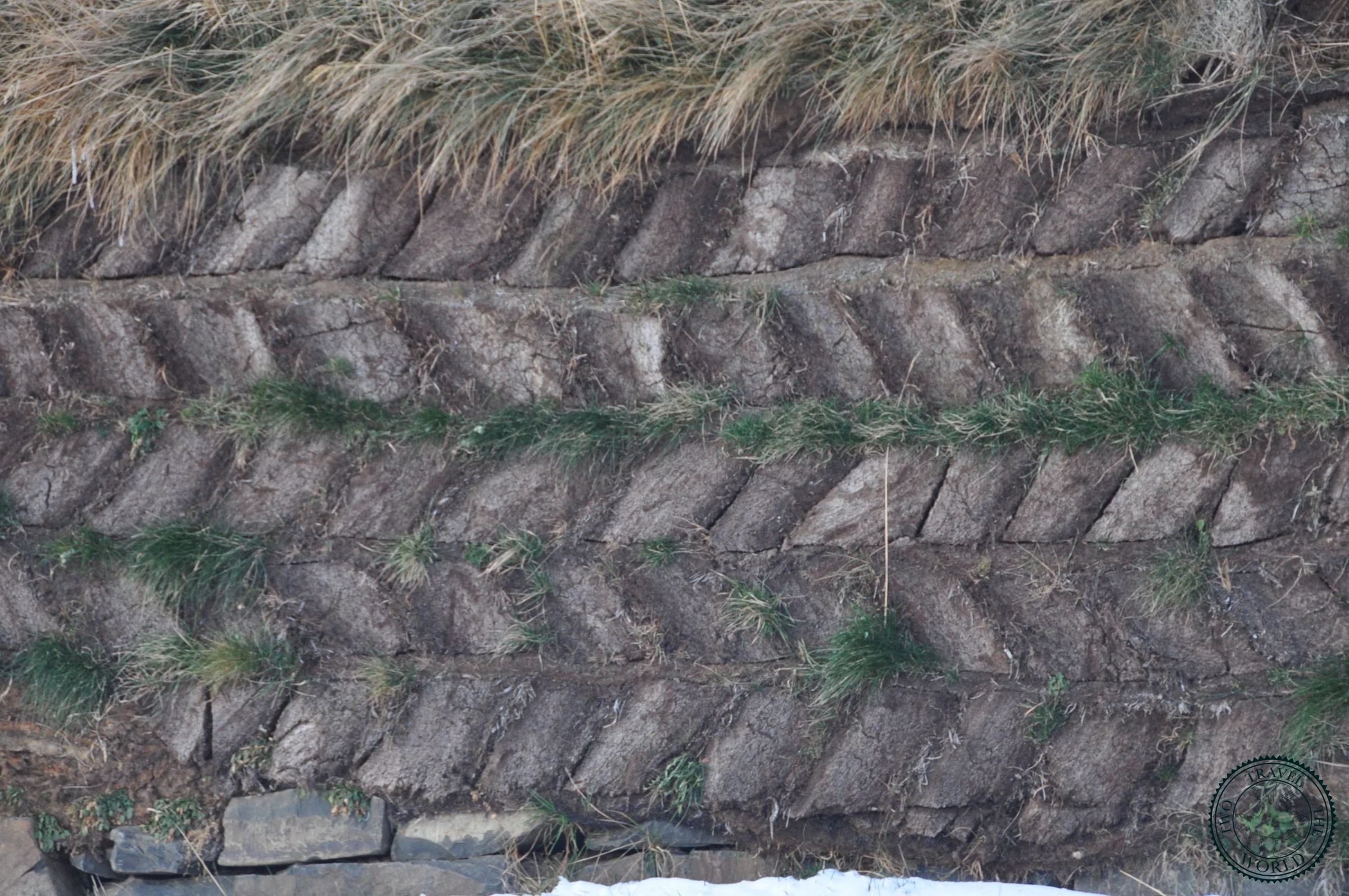
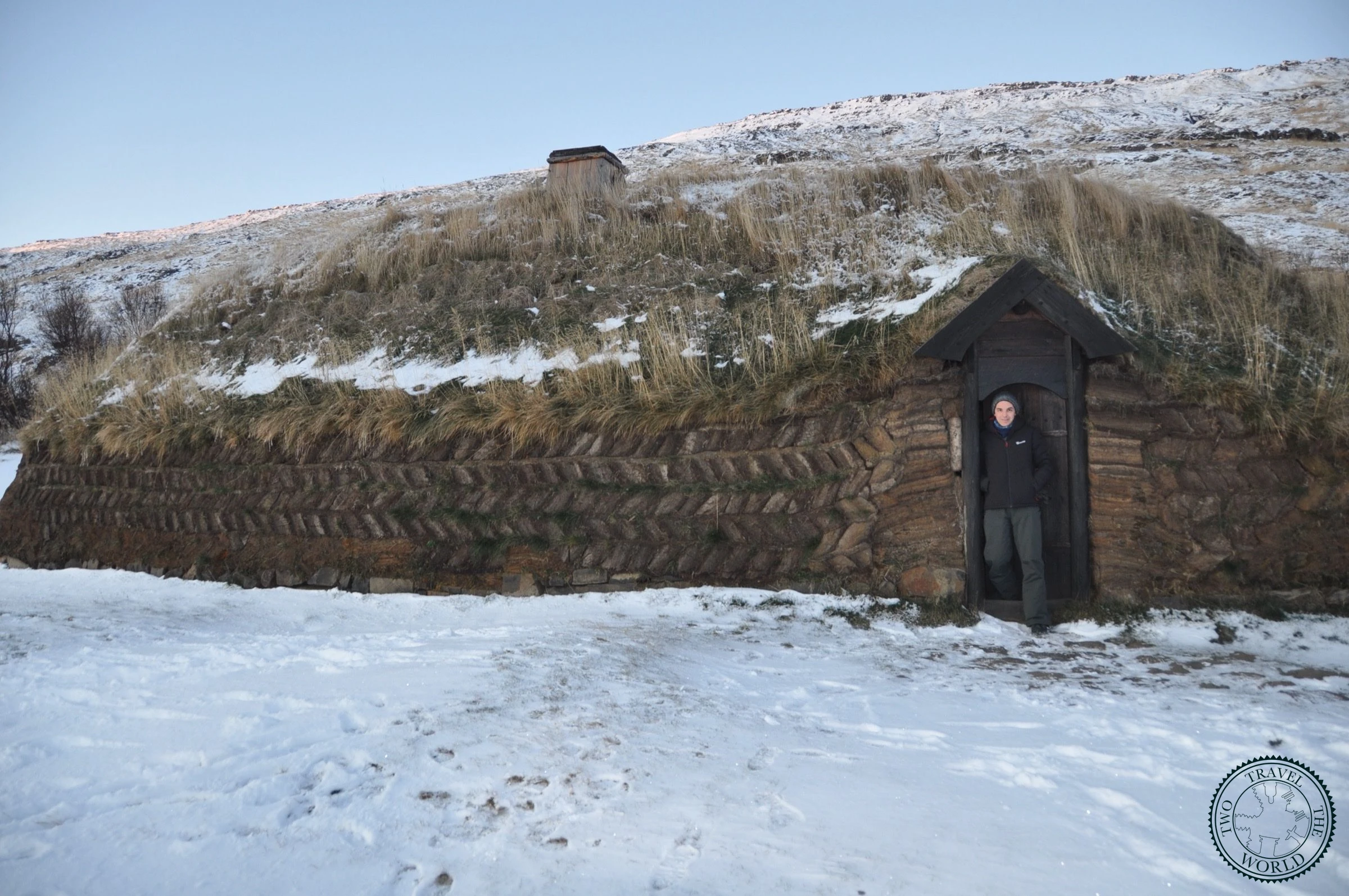
The longhouse itself is worth studying from the outside. The walls are built in a herringbone turf pattern — layers of turf cut into strips and stacked at angles for structural strength and water drainage. The grass roof blends into the hillside behind it. From a distance, if no one told you it was there, you might walk past it.
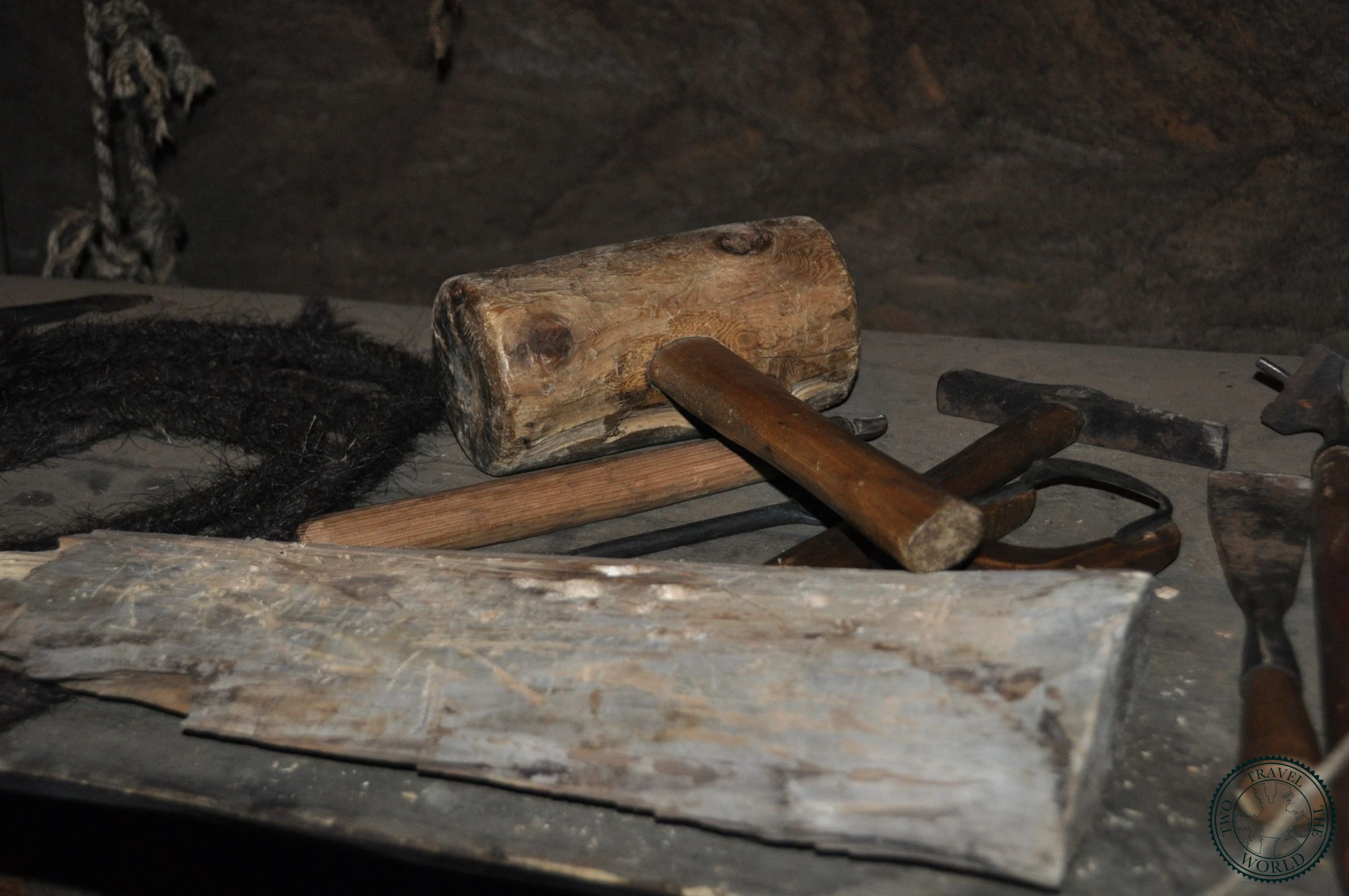
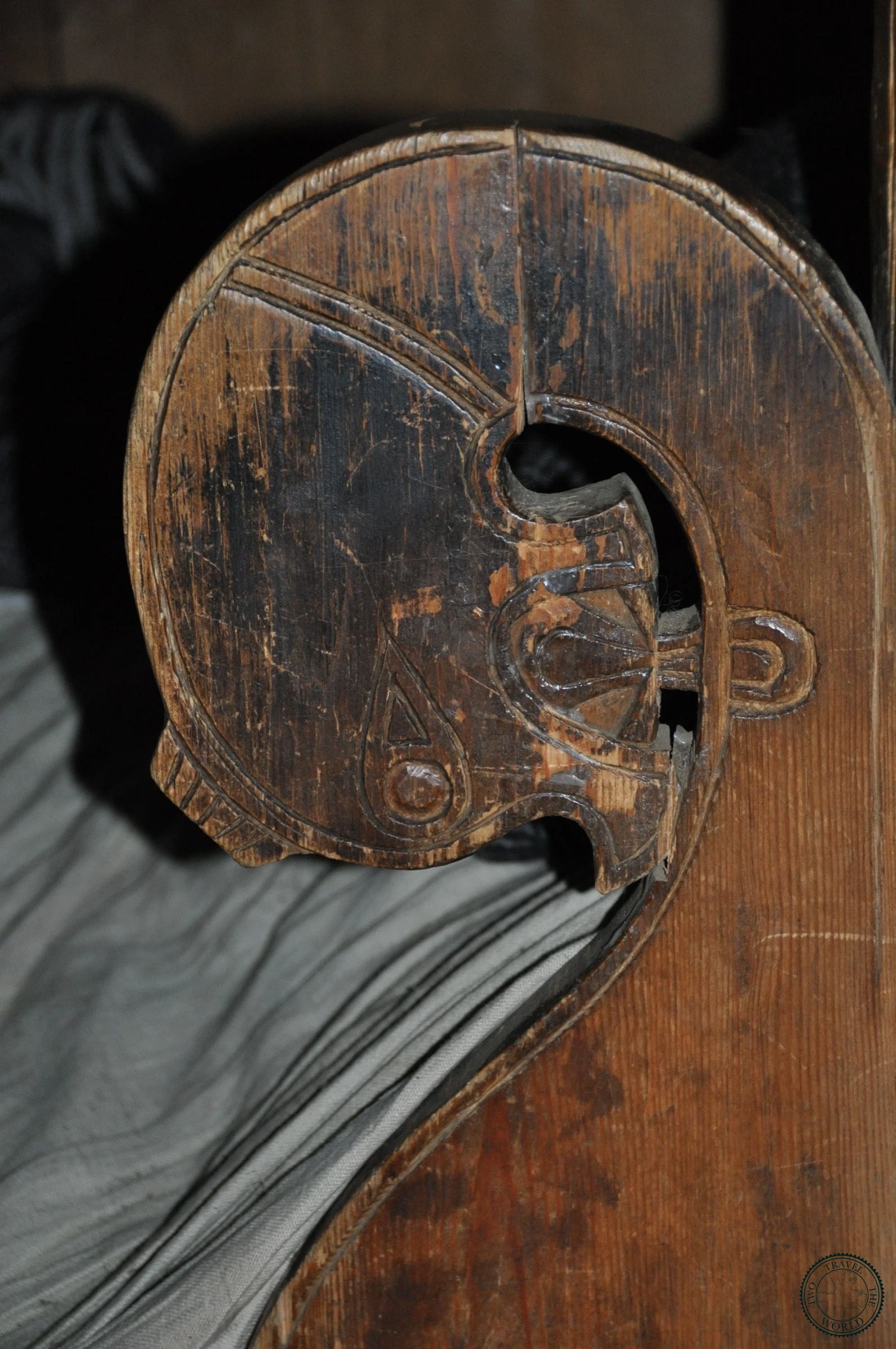
Inside, replica tools and everyday objects are laid out around the longhouse — wooden mallets, iron blades, animal furs, a loom. You can pick things up, try on a chainmail shirt, and handle the kind of implements that the settlers would have used daily. The carved wooden details on the furniture give a sense of the craftsmanship that existed alongside the rough conditions.
Erik the Red and Leif Eiríksson
The saga behind this place is one of the great adventure stories of the medieval world. Erik the Red was banished from Norway for killings, then banished from Iceland for more killings, and sailed west to find Greenland around 982 AD. He named it "Greenland" to attract settlers — a piece of marketing that worked. His son Leif, born at or near this site, later sailed further west and reached North America around the year 1000, roughly five centuries before Columbus.
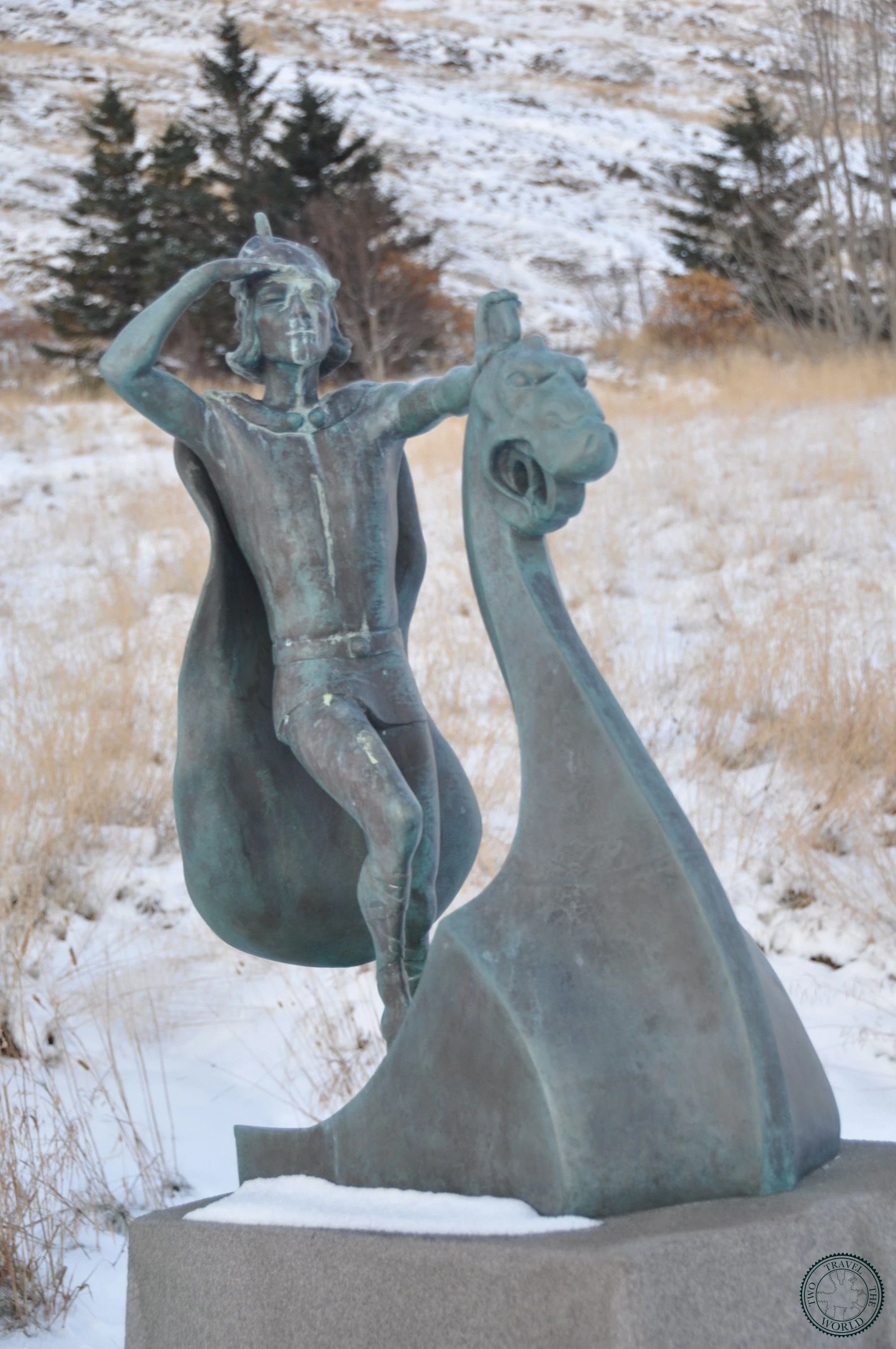
A bronze statue of Leif Eiríksson stands near the site, looking out across the valley. The museum was formally opened in 2000 to mark the thousand-year anniversary of Leif's voyage to Vinland.
Practical Tips
- Open daily April–October, 10:00–17:00; closed in winter
- Admission around 2,000 ISK for adults; children under 12 free
- Stories told in English throughout the day — join any time
- Located 8 km from Búðardalur via Road 371 (Haukadalsvegur); about 2.5 hours from Reykjavík
- No public transport — you need a car
- The site is exposed; bring a windproof layer even in summer
- Allow 45–90 minutes depending on how long you stay for the storytelling
- Combine with a stop in Reykholt (Snorri Sturluson's medieval estate) on the drive back to Reykjavík
Photo Gallery

More Experiences in Reykjavik
Blue Lagoon
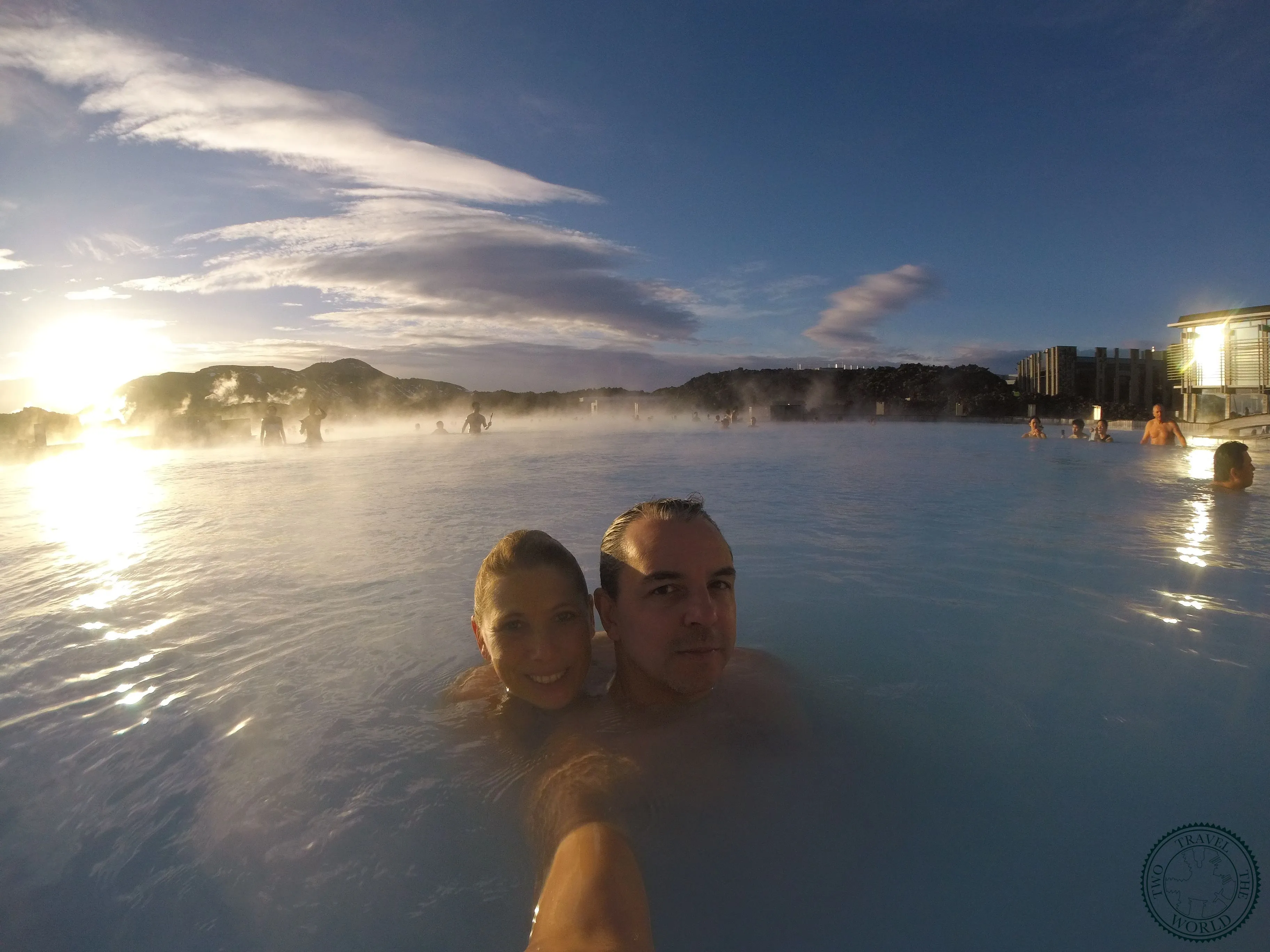
We'll be honest — we went in sceptical about the hype and the price tag. But floating in milky-blue water surrounded by black lava rock at 8 AM, with steam rising into the cold air and hardly anyone else around, won us over.
Brúarfoss
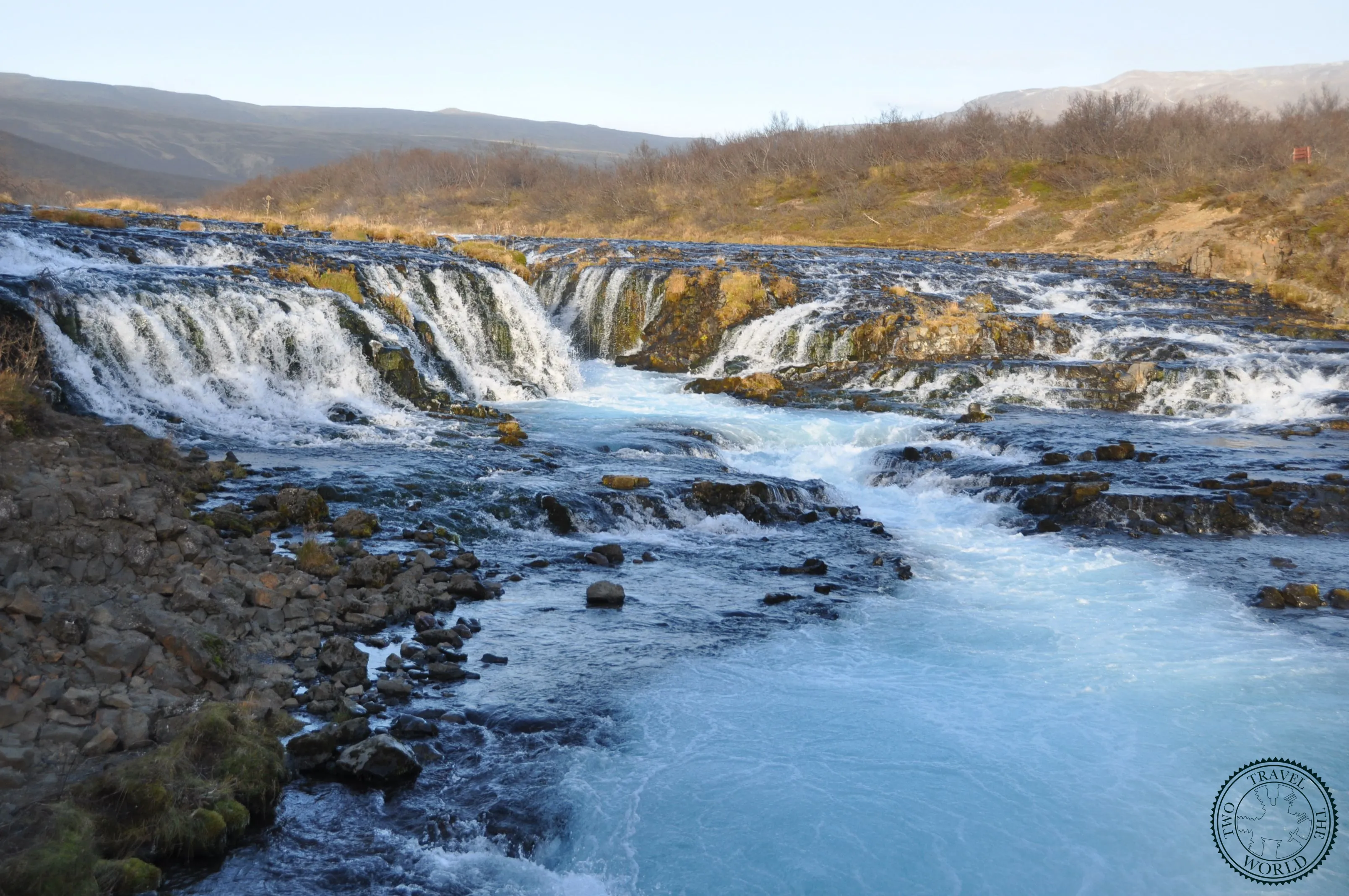
Brúarfoss might be the most vivid blue waterfall in Iceland — glacial meltwater from Langjökull filters through lava rock and emerges an almost unreal turquoise, cascading across a wide rocky shelf in a series of braided channels.
Fagradalsfjall Volcano Trail
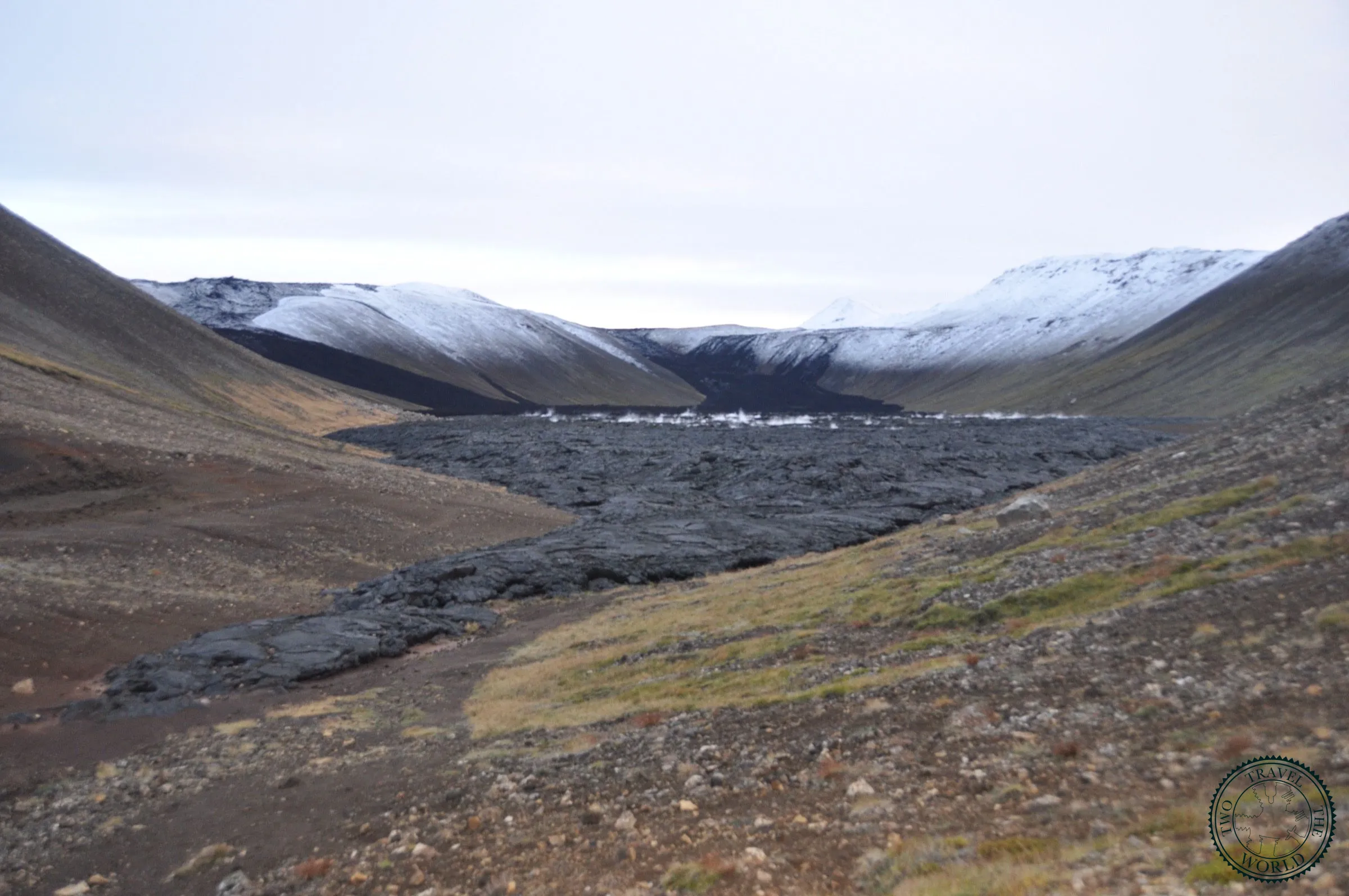
The Reykjanes Peninsula eruptions reshaped this landscape between 2021 and 2025 — walking across still-warm lava fields with steam rising from cracks is about as close to another planet as you'll get without leaving Earth.
Gullfoss
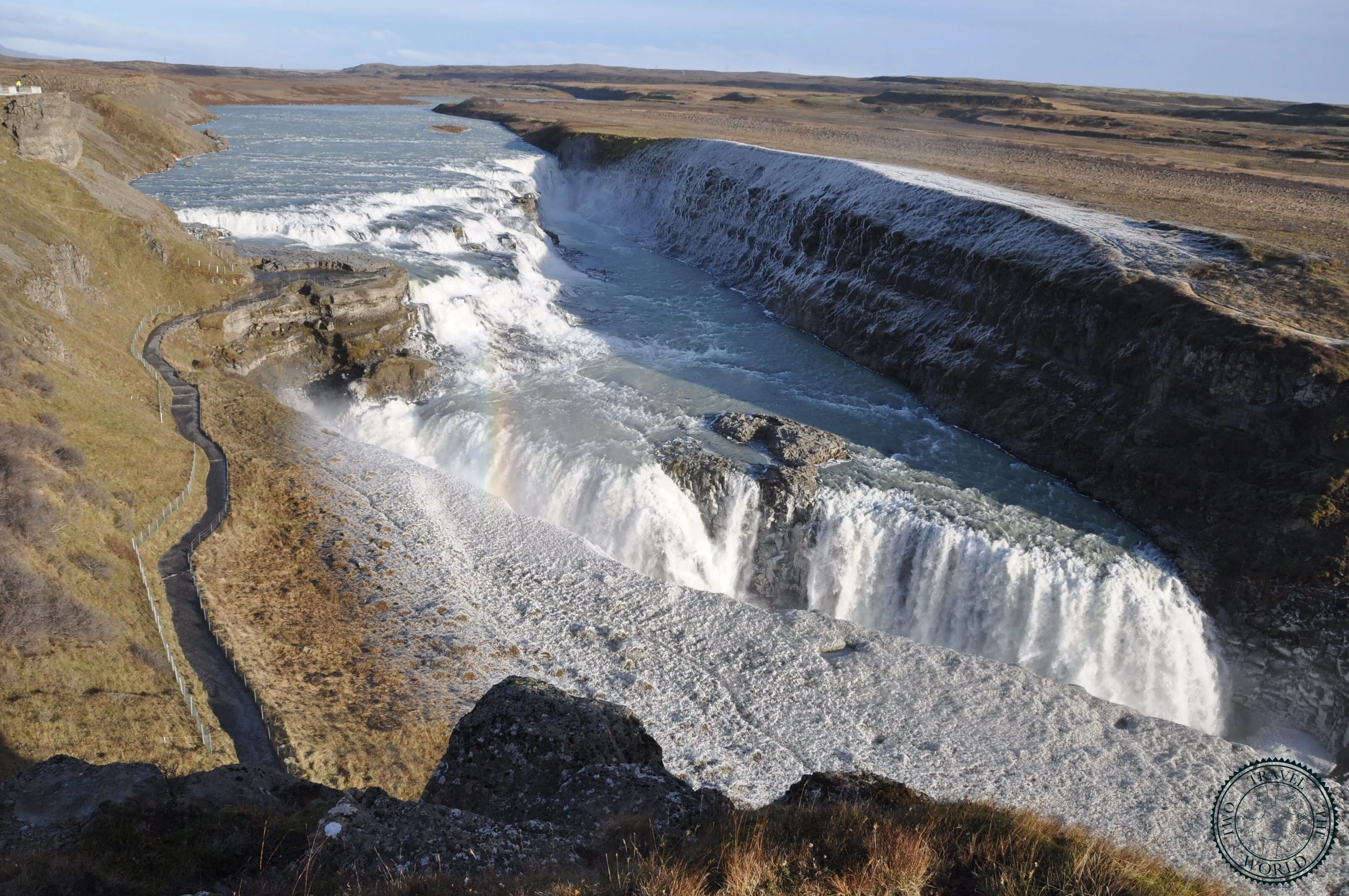
Gullfoss chute de 32 mètres en deux étapes spectaculaires avant de disparaître dans un canyon étroit — placez-vous au point de vue inférieur et la puissance brute de la Hvítá vous frappe en pleine poitrine, avec une bonne dose d'embruns.
Öxarárfoss
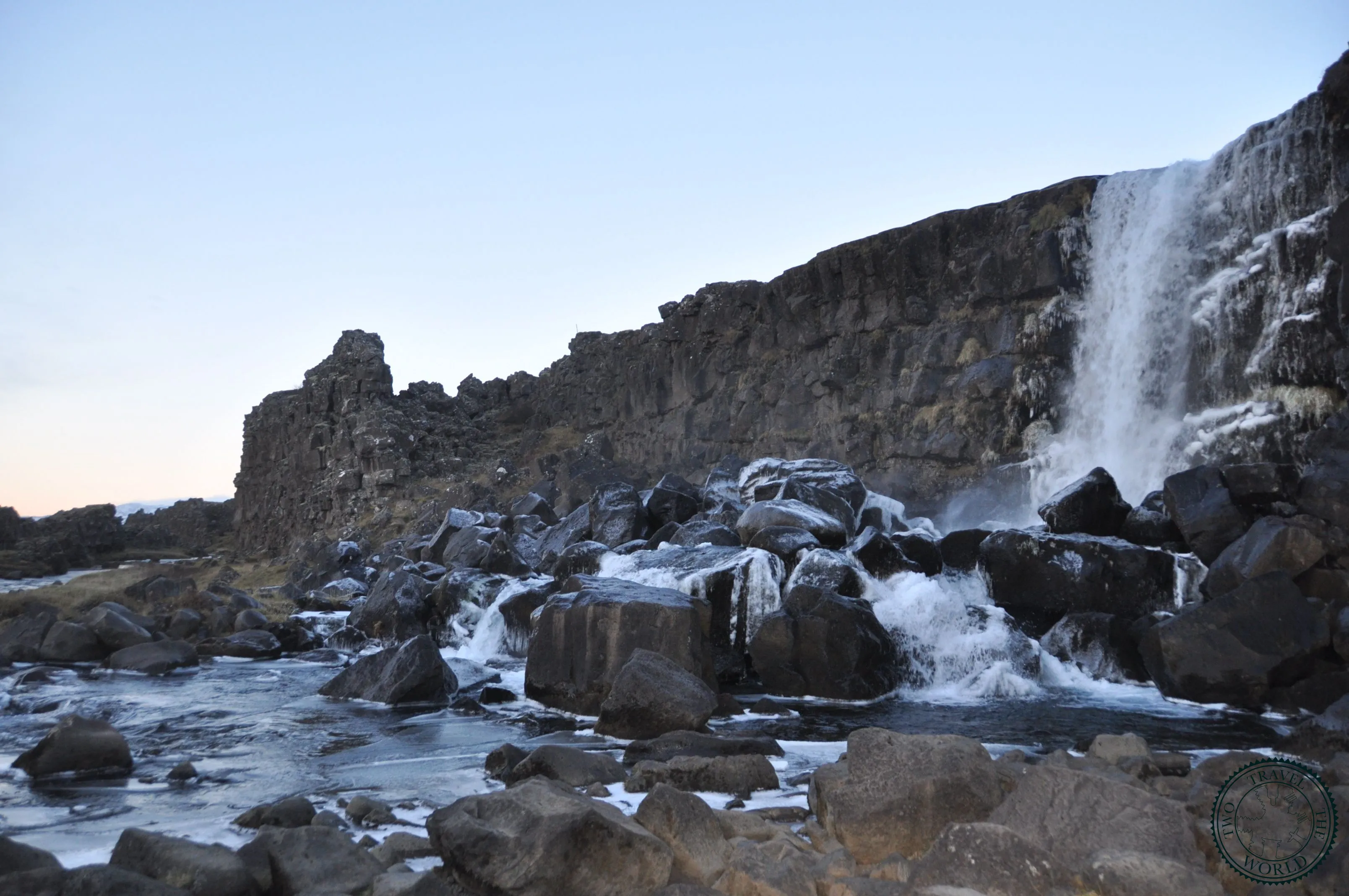
Öxarárfoss drops 20 metres into the Almannagjá rift at Þingvellir National Park — a waterfall set literally between the North American and Eurasian tectonic plates, in the same gorge where Iceland's parliament was founded in 930 AD.

Promenade côtière d'Arnarstapi
Le sentier côtier entre Arnarstapi et Hellnar longe le bord de la péninsule de Snæfellsnes sur 2,5 km, passant devant des colonnes de basalte, des arches marines et des falaises à oiseaux. D'un côté, la statue d'un demi-troll veille sur le port. De l'autre, un petit café sert un ragoût de poisson avec vue sur l'océan.

Strokkur Geyser
Strokkur erupts every 5 to 10 minutes, launching a column of boiling water up to 30 metres into the air — it's Iceland's most reliable geothermal performance, and watching the bubble form and burst never gets old, no matter how many times you see it.