
Gullfoss
Iceland's golden waterfall — a two-tiered giant that shakes the ground
Practical Tips
- Visit early morning or late afternoon to avoid tour buses (heaviest 10 AM – 3 PM)
- The lower platform soaks you — waterproof jacket and trousers are not optional
- Sturdy waterproof boots with grip; paths are slippery year-round
- Upper and lower platforms give completely different perspectives — do both
- Gullfoss Café serves excellent lamb soup and homemade cakes
- Free parking and clean toilet facilities at the visitor centre
- 1.5 hours from Reykjavík via Route 35; last stop on the Golden Circle
- Winter: lower staircase often closed due to ice; upper platform stays open
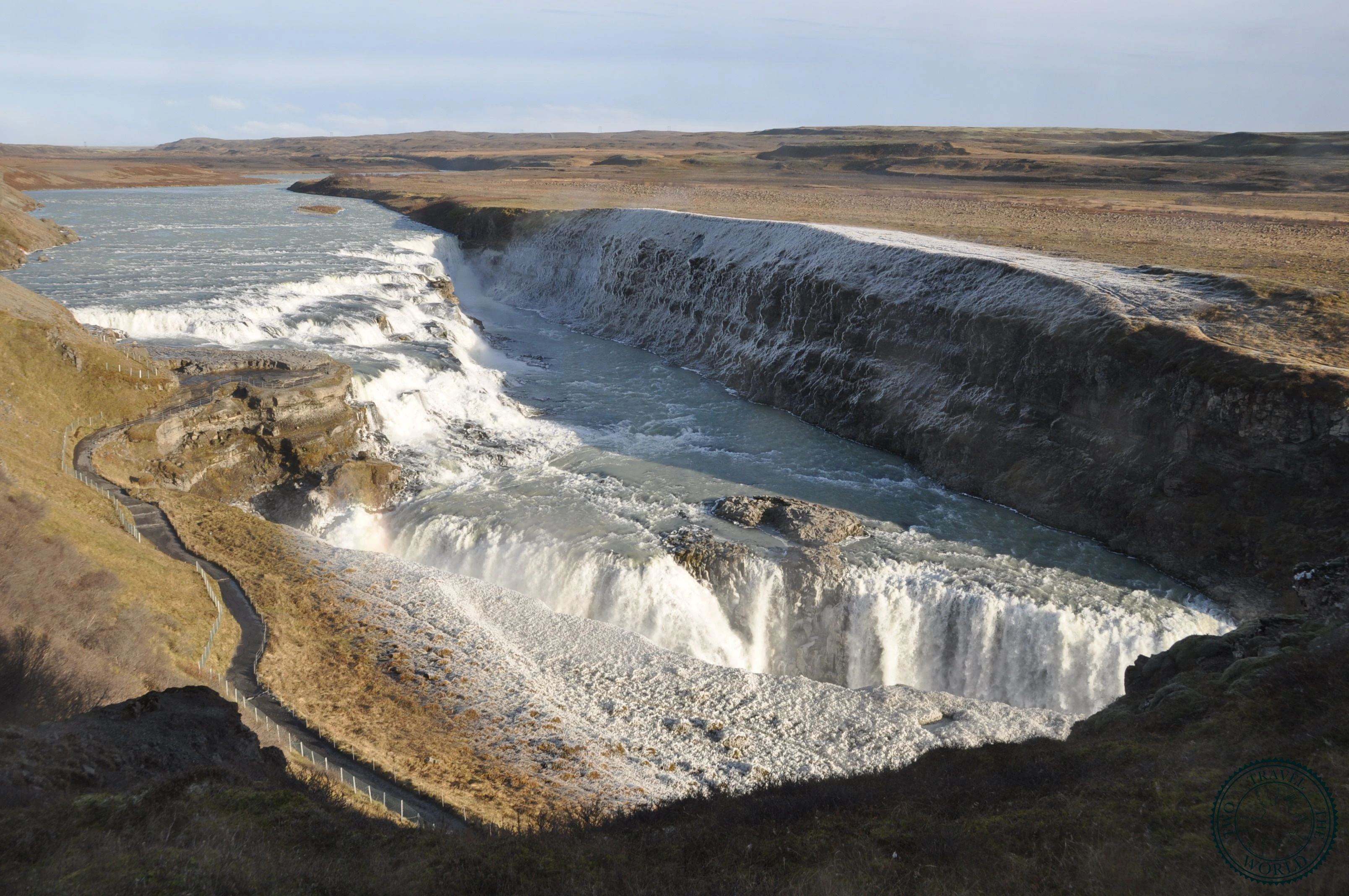
Gullfoss is one of those places where photos genuinely undersell it. The Hvítá river, swollen with glacial meltwater from Langjökull, drops in two stages before vanishing into a narrow canyon — and what hits you first isn't the sight but the sound: a deep, chest-rattling rumble you feel as much as hear.
The Falls
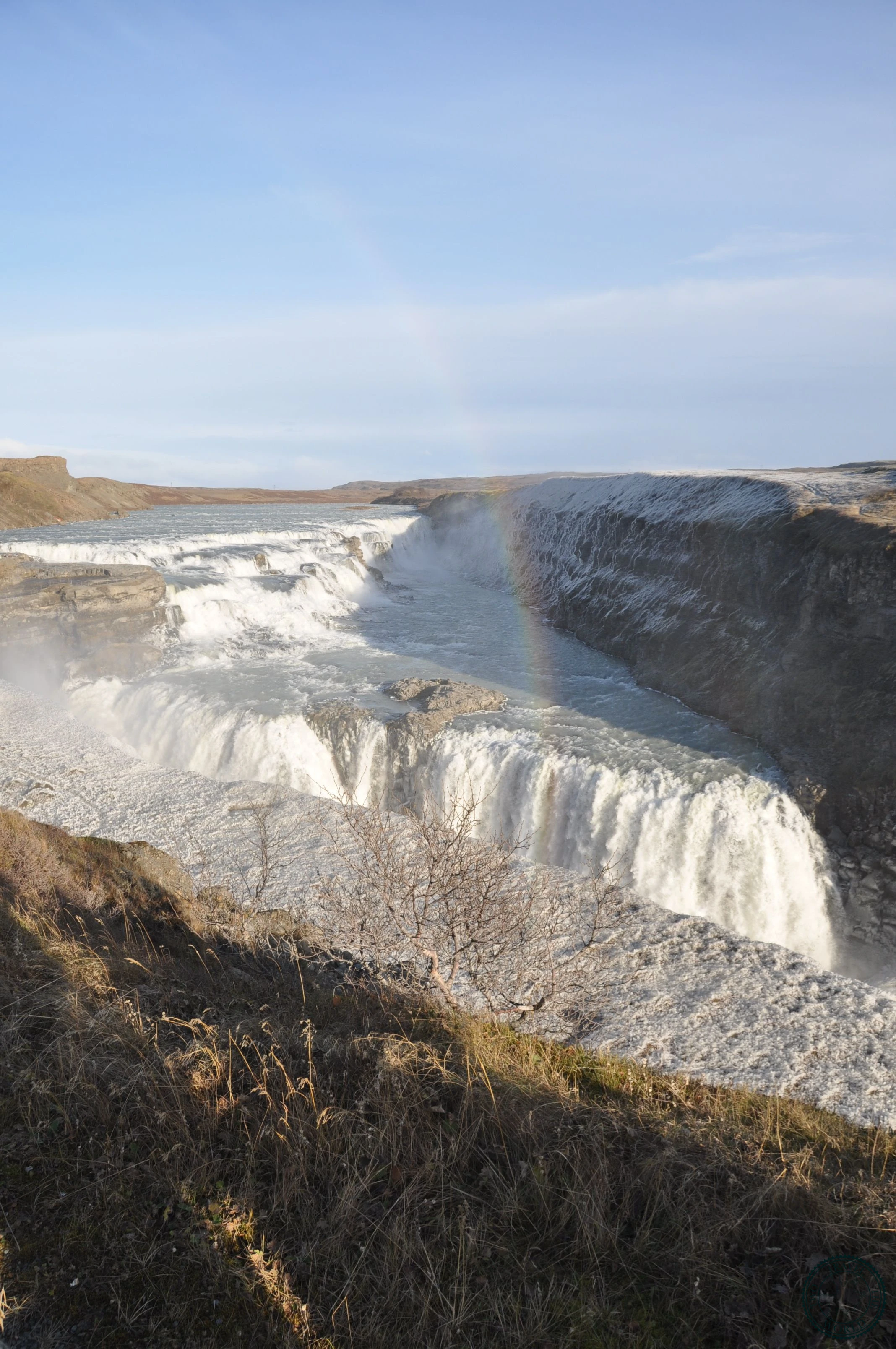
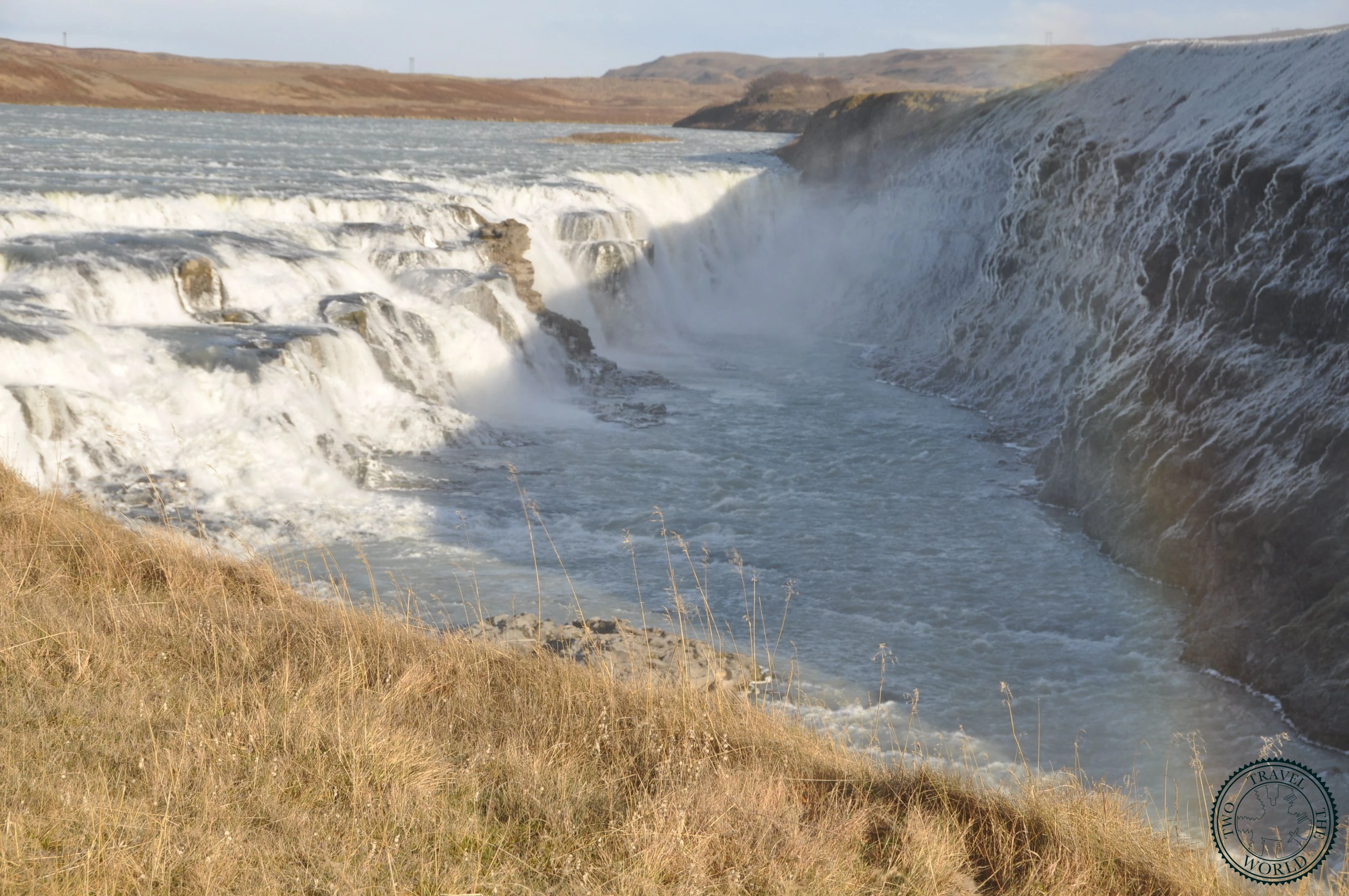
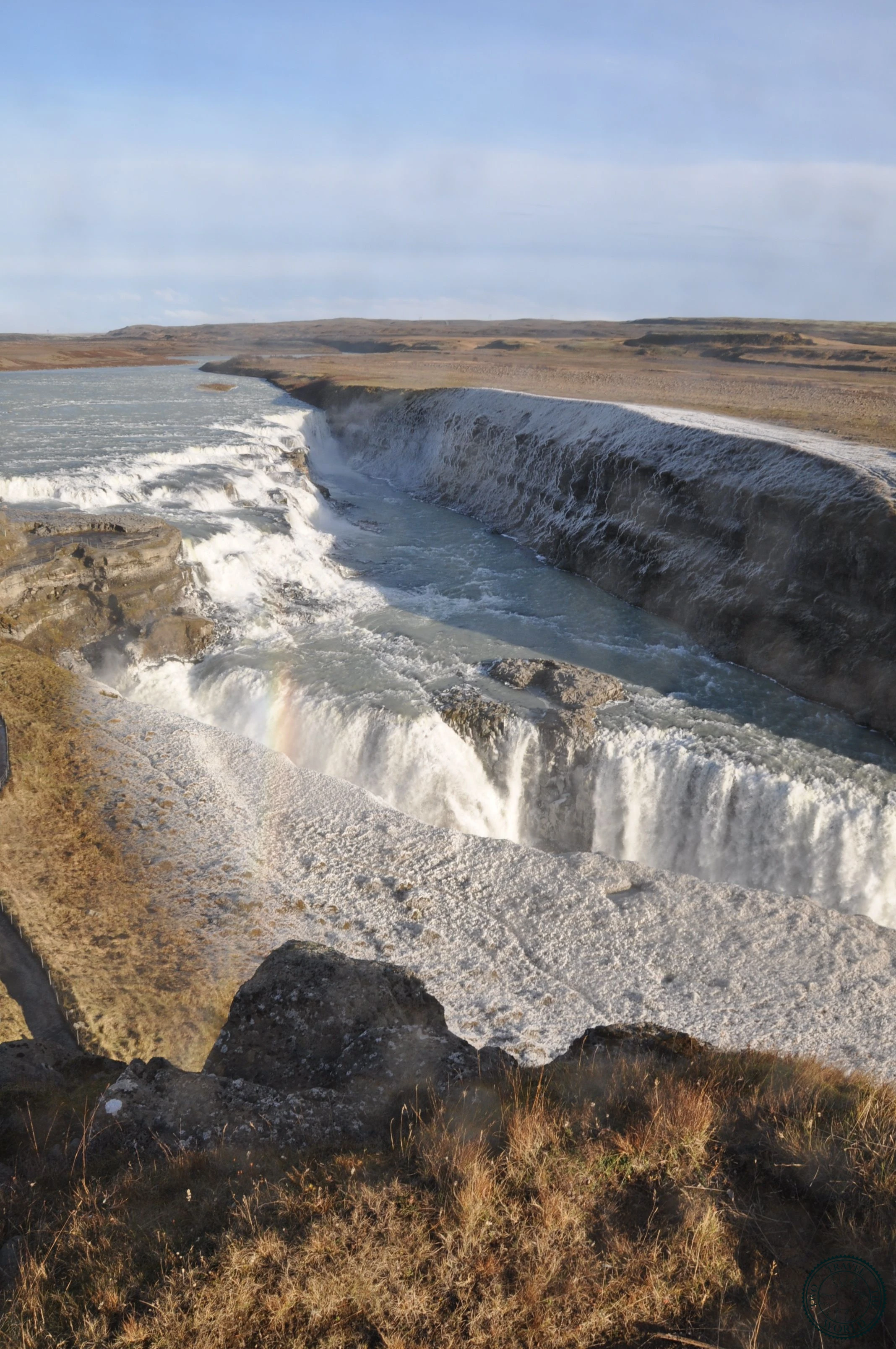
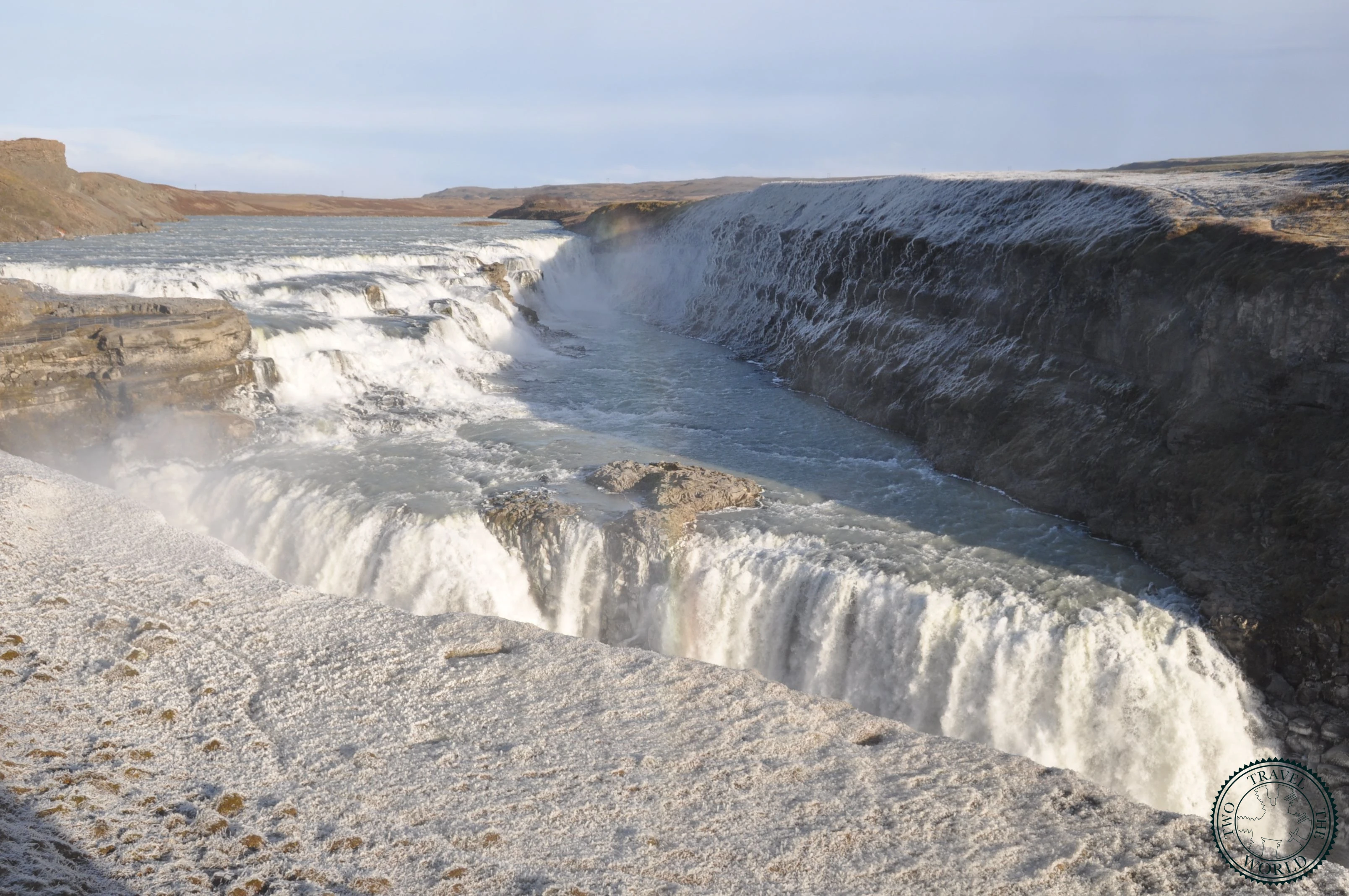
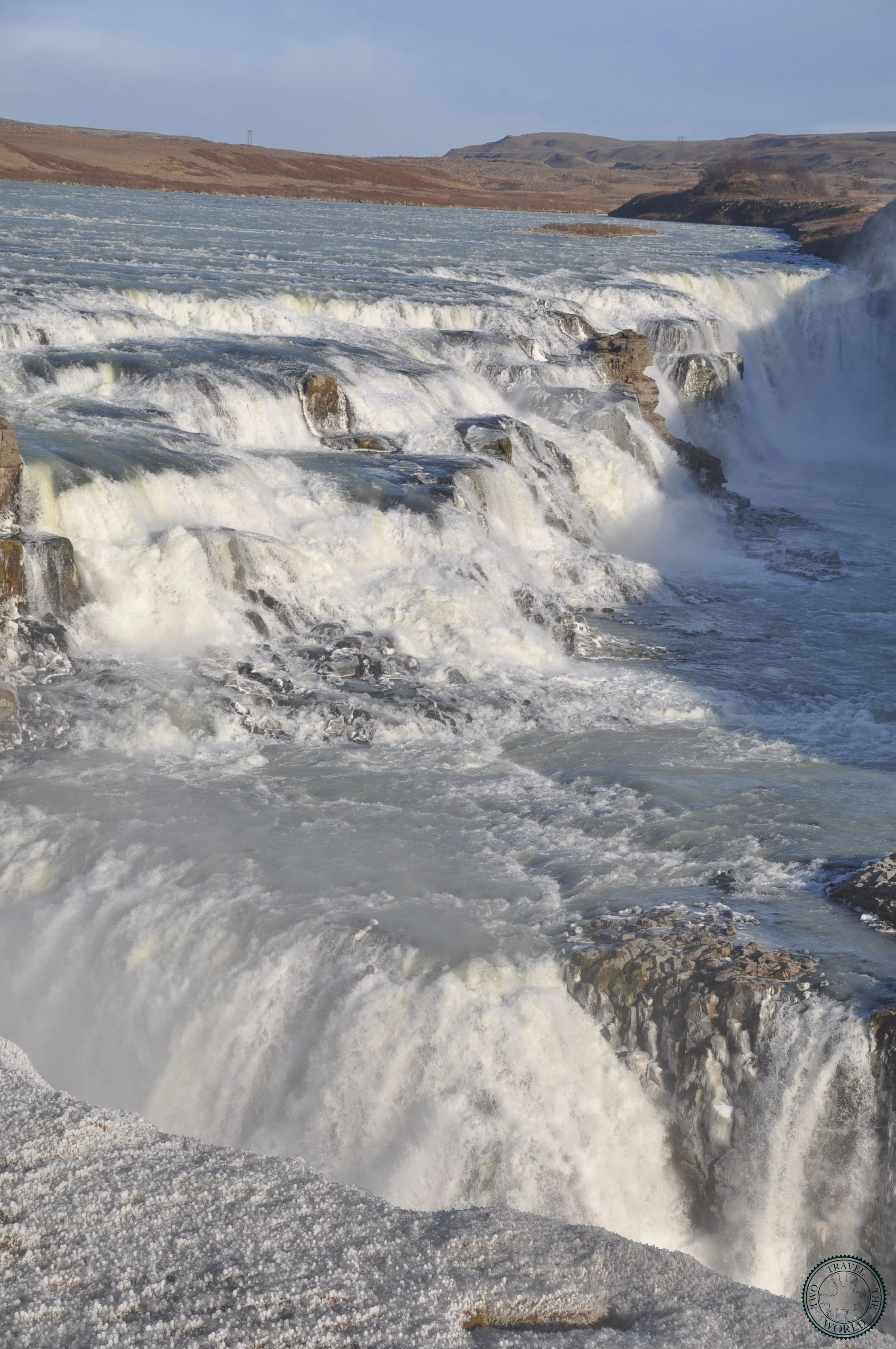
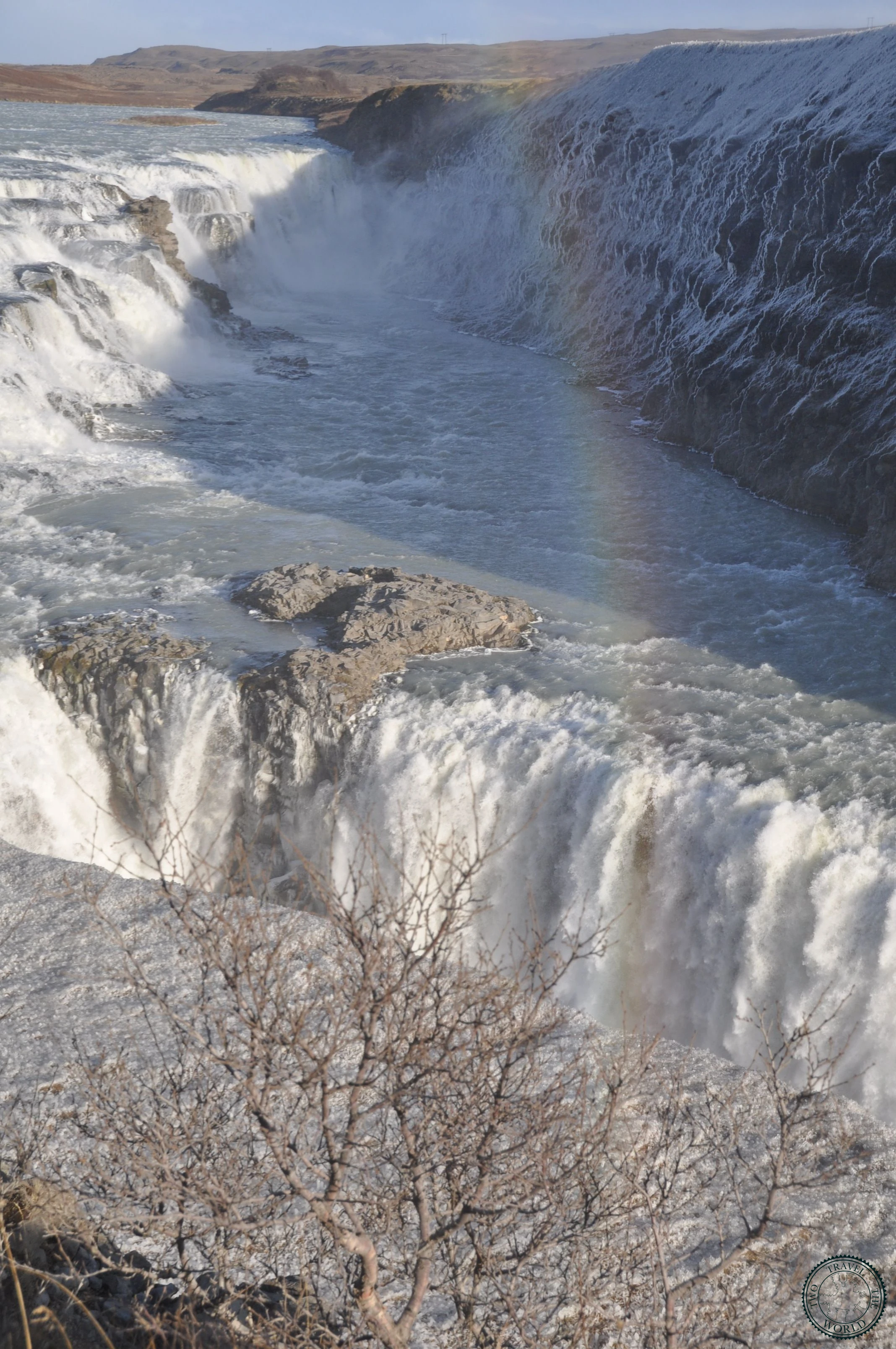
The Hvítá flows down a wide, curved staircase of rock before plunging in two stages: an 11-metre drop where the river fans out across a ledge of hard dolerite, then — almost at a right angle — a 21-metre plunge into a crevice so narrow that from certain angles the river appears to simply vanish into the earth. The total drop is 32 metres.

The canyon below is about 2.5 km long, 20 metres wide and up to 70 metres deep. Geologists think it was carved either by a catastrophic glacial outburst flood at the end of the ice age, or, more likely, by the steady work of the river over thousands of years, exploiting a soft layer of conglomerate and gravel sandwiched between harder basalt. That gravel layer matters because Gullfoss is not finished: the falls are still retreating upstream as water washes loose sediment out from beneath the dolerite ledges.
The name means "golden waterfall." The likely explanation is the glacial flour carried by the Hvítá, fine rock sediment that gives the water its golden-brown colour in sunlight. Others point to the golden hue the falls take in late-afternoon light. There is also a folk legend about a Viking who threw his gold into the falls rather than let anyone else have it. The name stuck well enough that the entire Golden Circle route is named after it.
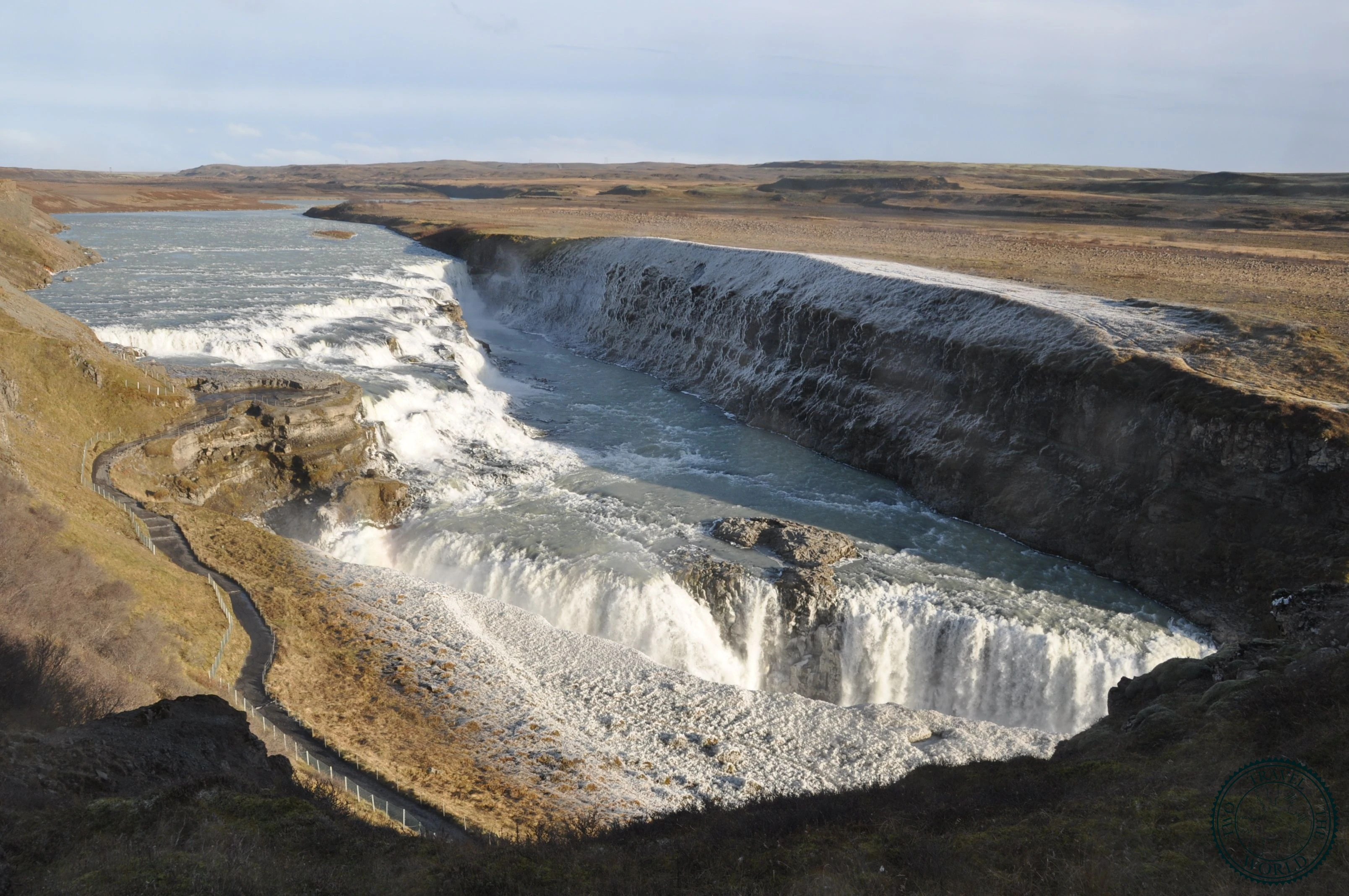
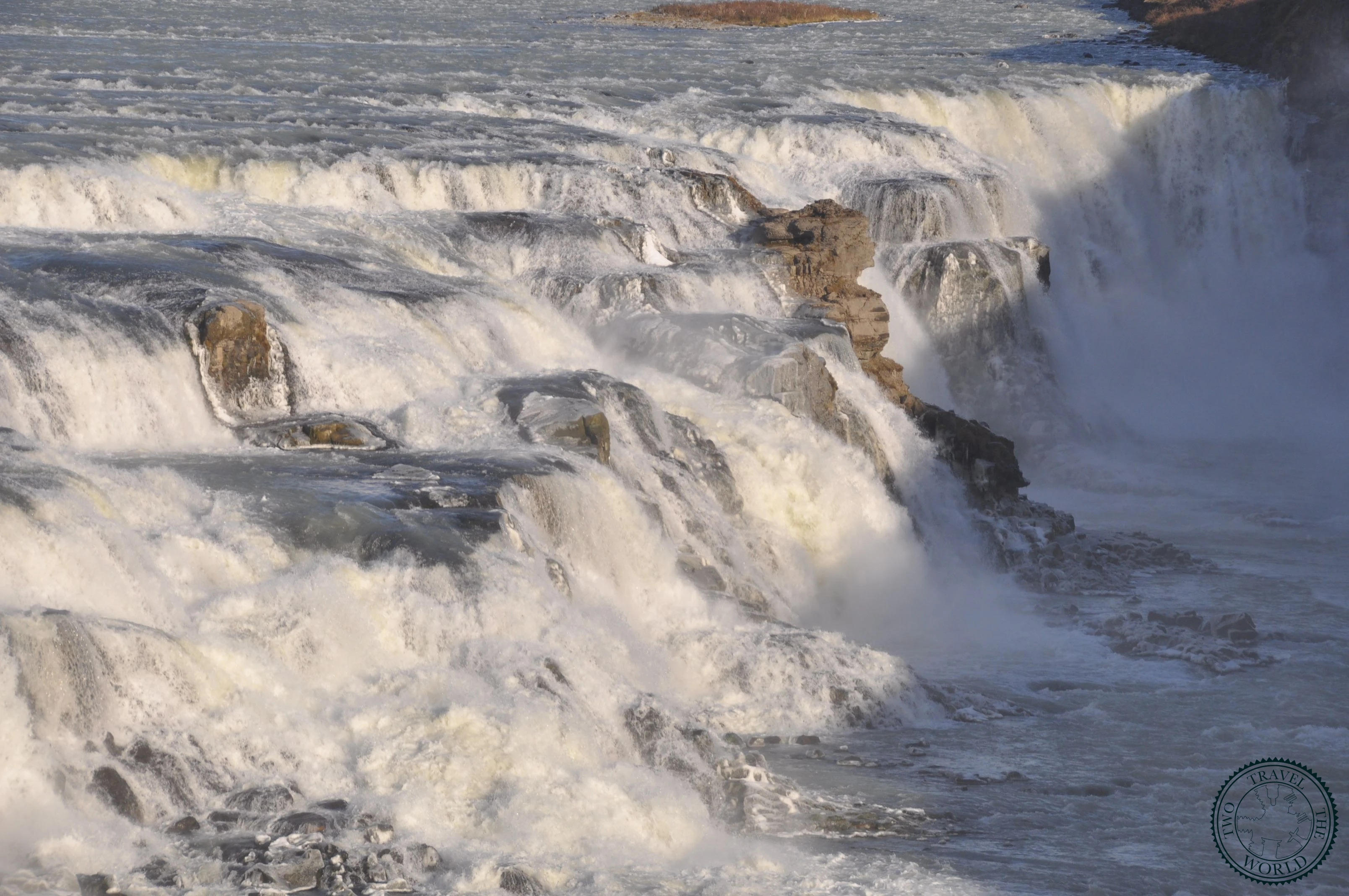
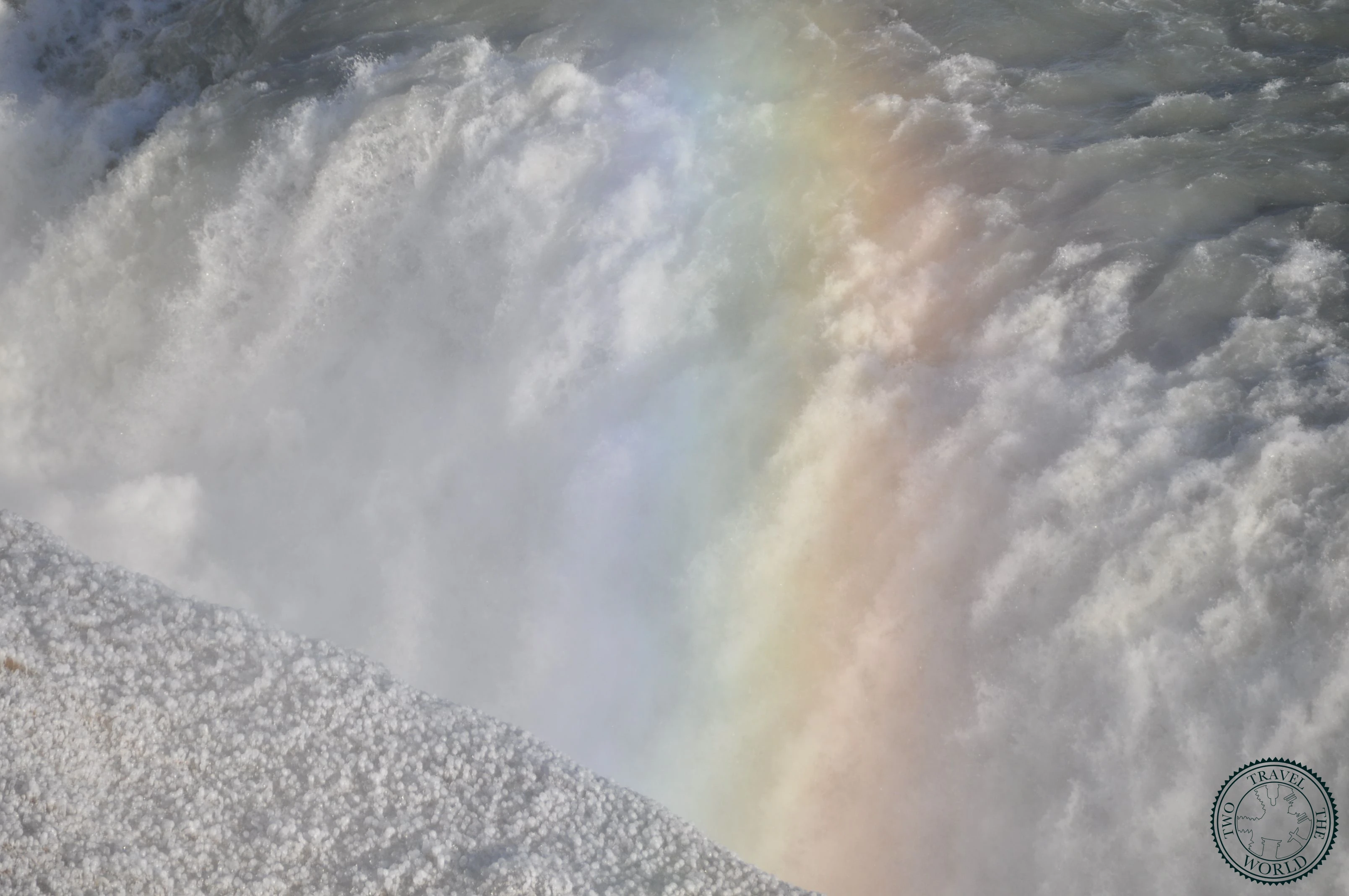
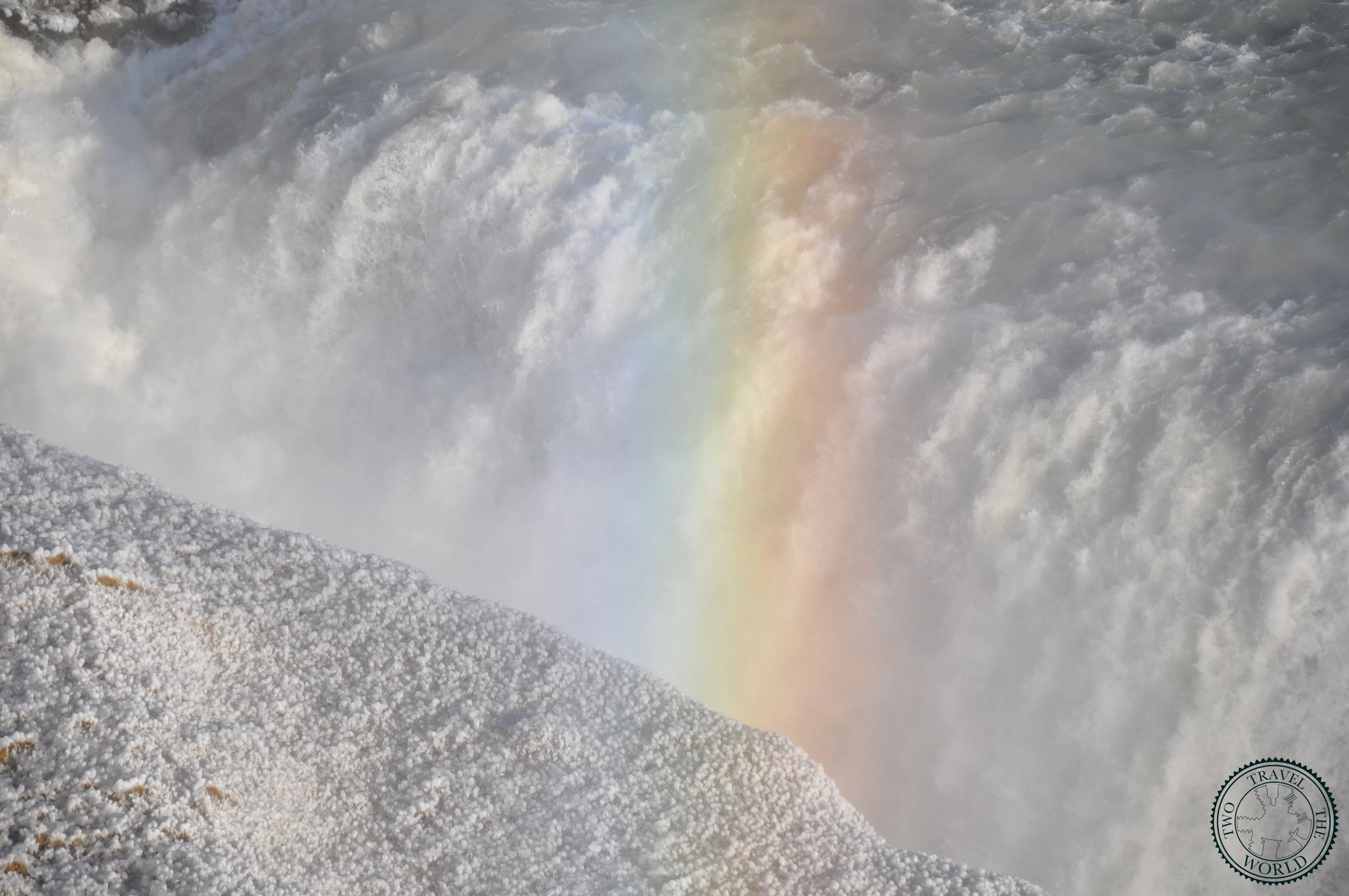
When we visited on a sunny afternoon, rainbows arced permanently through the spray — the kind of sight that makes you stop mid-sentence. On overcast days the falls have a rawer, more powerful look: all white water and grey mist, the canyon edges dissolving into cloud.
Gullfoss nearly became a hydroelectric dam. In 1907, an English businessman named Howell leased the falls from landowner Tómas Tómasson with plans to harness the Hvítá for power. His daughter Sigríður, born at Brattholt farm near the canyon, refused to let it happen.
Sigríður made repeated trips to Reykjavík — 120 km each way — to campaign against the project, meeting government officials and rallying support. Popular legend says she walked barefoot, though historian Helgi Skúli Kjartansson notes the trips were more likely made on horseback. She reportedly threatened to throw herself into the falls if construction went ahead.
She hired a lawyer: Sveinn Björnsson, who would later become Iceland's first president when the republic was established in 1944. The legal case did not succeed in court, but it did not need to. Howell's project ran out of money and the lease payments lapsed. Sigríður lost the case and won the argument. By the time the dam plans collapsed, Gullfoss had become something people cared about protecting, and that shift in attitude mattered more than any court ruling.
Upper vs Lower Viewpoint
Upper Platform
The upper platform gives you a wide, panoramic view of both tiers and the canyon stretching into the distance. It is the better spot for photos that capture the full scale of the falls. The path from the car park is wheelchair-accessible and takes about 5 minutes on a well-maintained gravel surface. The wind up here can be fierce — we watched someone's hat take flight directly into the canyon.
Lower Platform
The lower platform takes you right to the edge of the first drop. The spray here is constant and the noise is overwhelming — you feel the power of the water in your ribcage. A staircase descends from the upper level (another 5-10 minutes). The path is slippery in all seasons — sturdy boots with grip are essential, and microspikes are worth bringing in winter. The lower platform closes when conditions are icy, which is most of the winter.

Summer vs Winter
In summer, up to 140 cubic metres of water per second crash over the falls — peaking in June and July when glacial melt from Langjökull is at its highest. The spray is at its heaviest, the rainbows most frequent, and the surrounding hillsides are green. During spring floods, the volume can spike to nearly 2,000 m3/s, turning Gullfoss into one of the most powerful waterfalls in Europe.
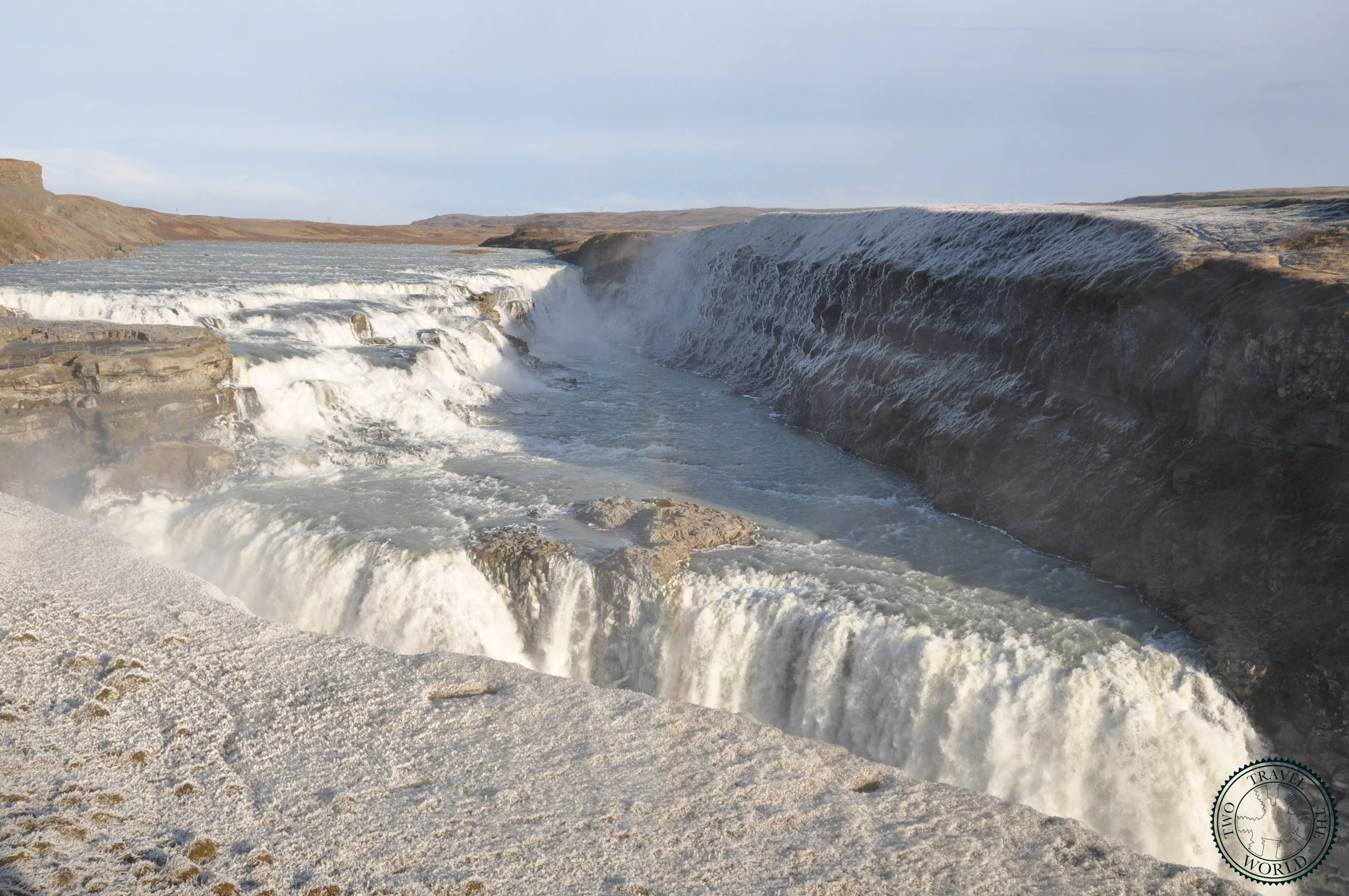
Winter drops the flow to around 80 m3/s, but the falls look more dramatic, not less. The canyon walls grow thick with ice, jagged icicles and translucent sheets that catch the low winter light. The landscape turns white. With only 4-5 hours of daylight and far fewer visitors, you get the place nearly to yourself. On clear nights, the Northern Lights are visible from the area.
Stand at the lower viewpoint and the sheer force of the Hvítá river hits you in the chest — along with a fair amount of spray.
Photo Gallery


More Experiences in Reykjavik

Arnarstapi Coastal Walk
The coastal path between Arnarstapi and Hellnar follows the edge of the Snæfellsnes Peninsula for 2.5 km past basalt columns, sea arches, and bird cliffs. At one end, a half-troll's statue watches over the harbour. At the other, a small café serves fish stew with an ocean view.
Blue Lagoon
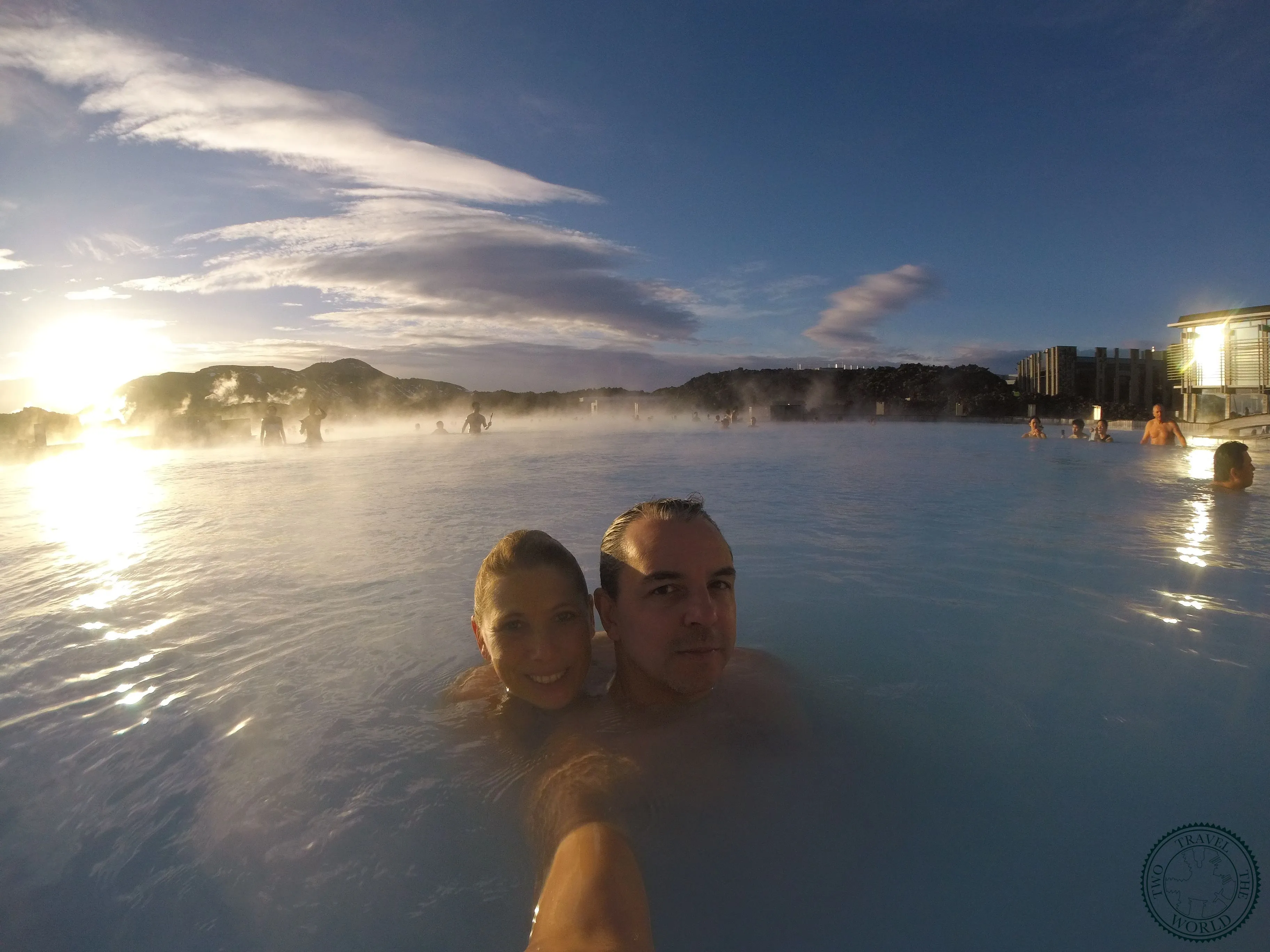
We'll be honest — we went in sceptical about the hype and the price tag. But floating in milky-blue water surrounded by black lava rock at 8 AM, with steam rising into the cold air and hardly anyone else around, won us over.
Brúarfoss
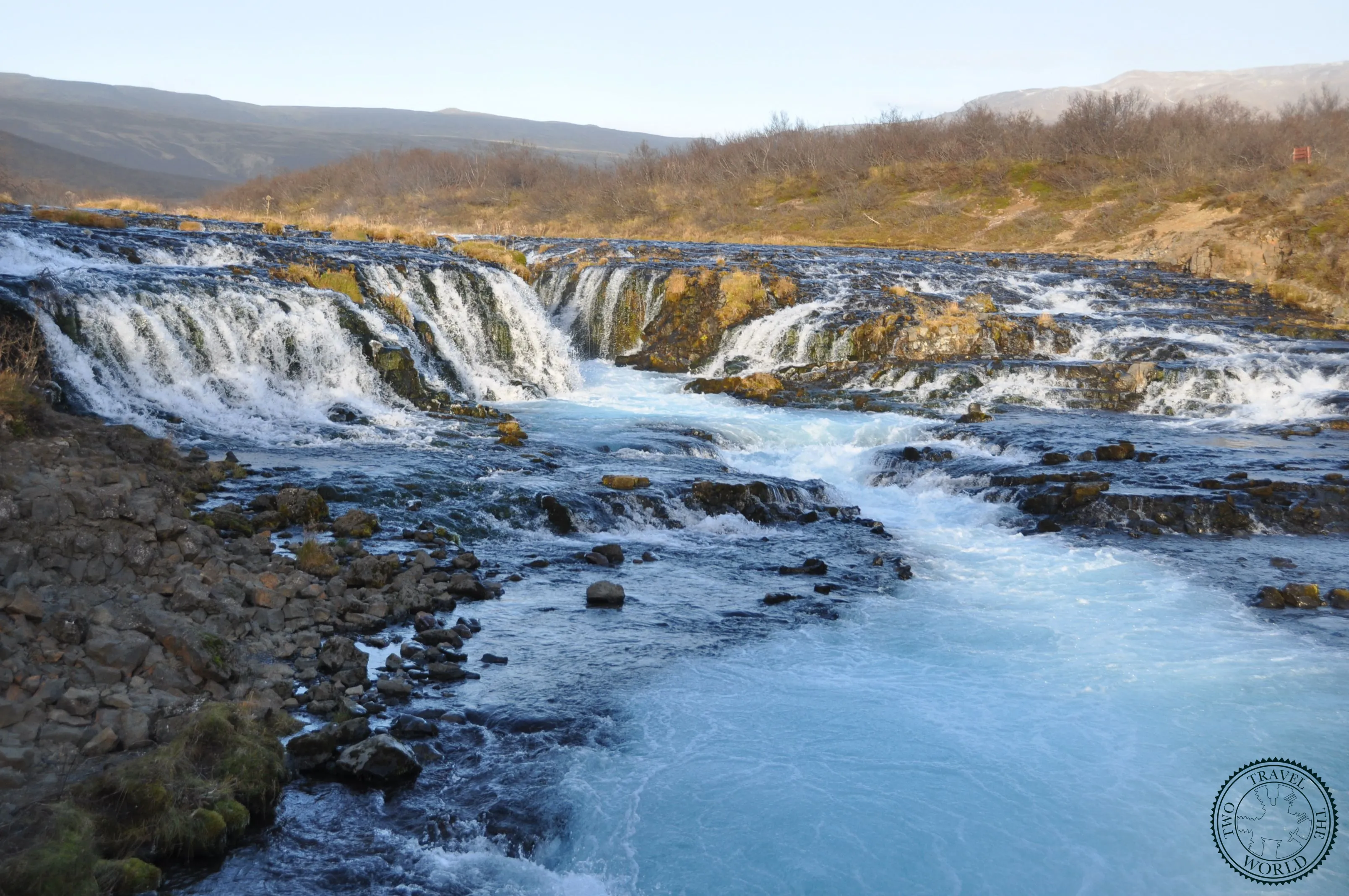
Brúarfoss might be the most vivid blue waterfall in Iceland — glacial meltwater from Langjökull filters through lava rock and emerges an almost unreal turquoise, cascading across a wide rocky shelf in a series of braided channels.
Eiríksstaðir Viking Museum
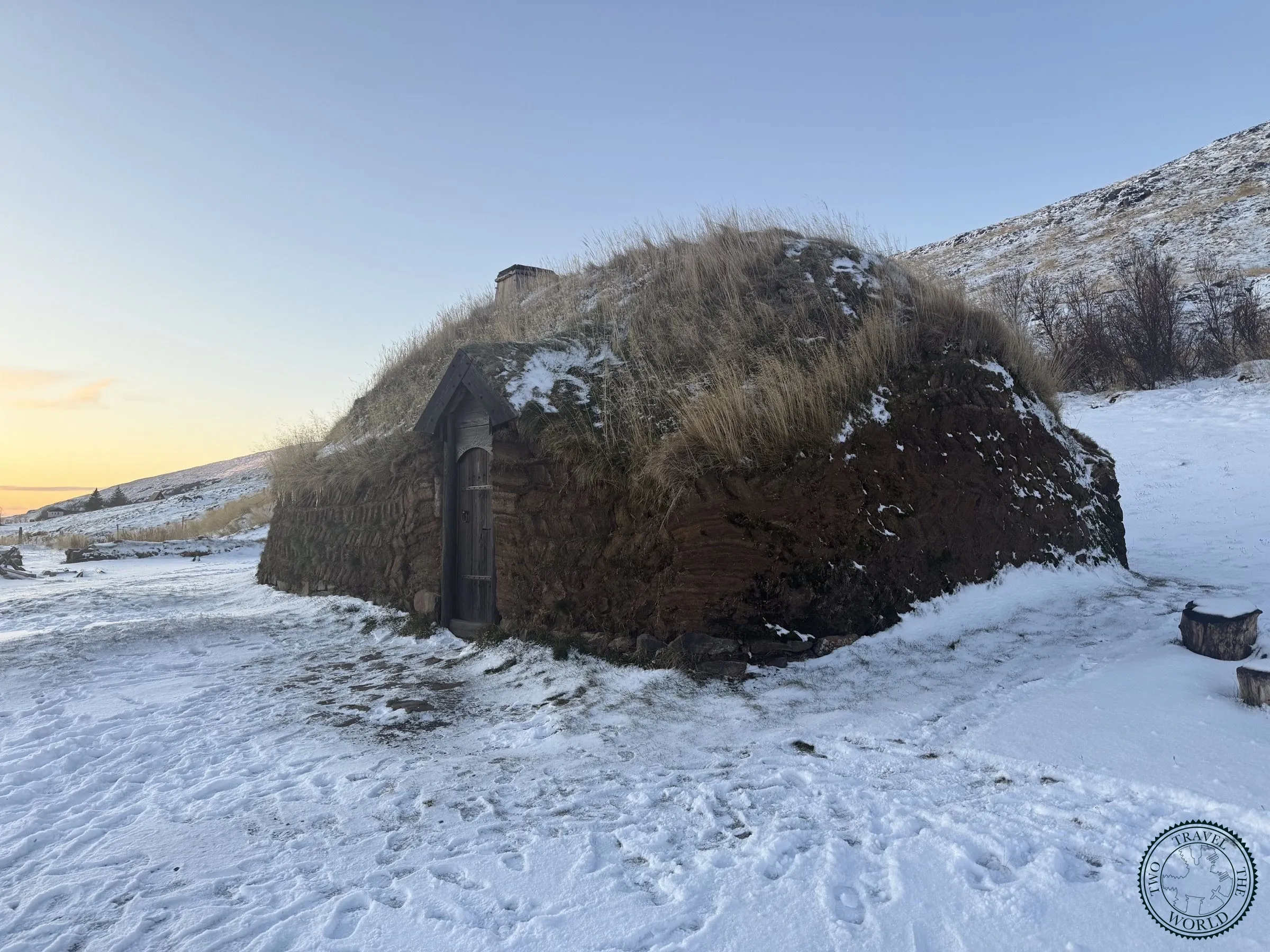
Eiríksstaðir is a reconstructed Viking longhouse in the Dalir region of West Iceland — the former homestead of Erik the Red and likely birthplace of his son Leif Eiríksson, the first known European to reach the Americas. A guide in period dress tells the sagas by an open fire.
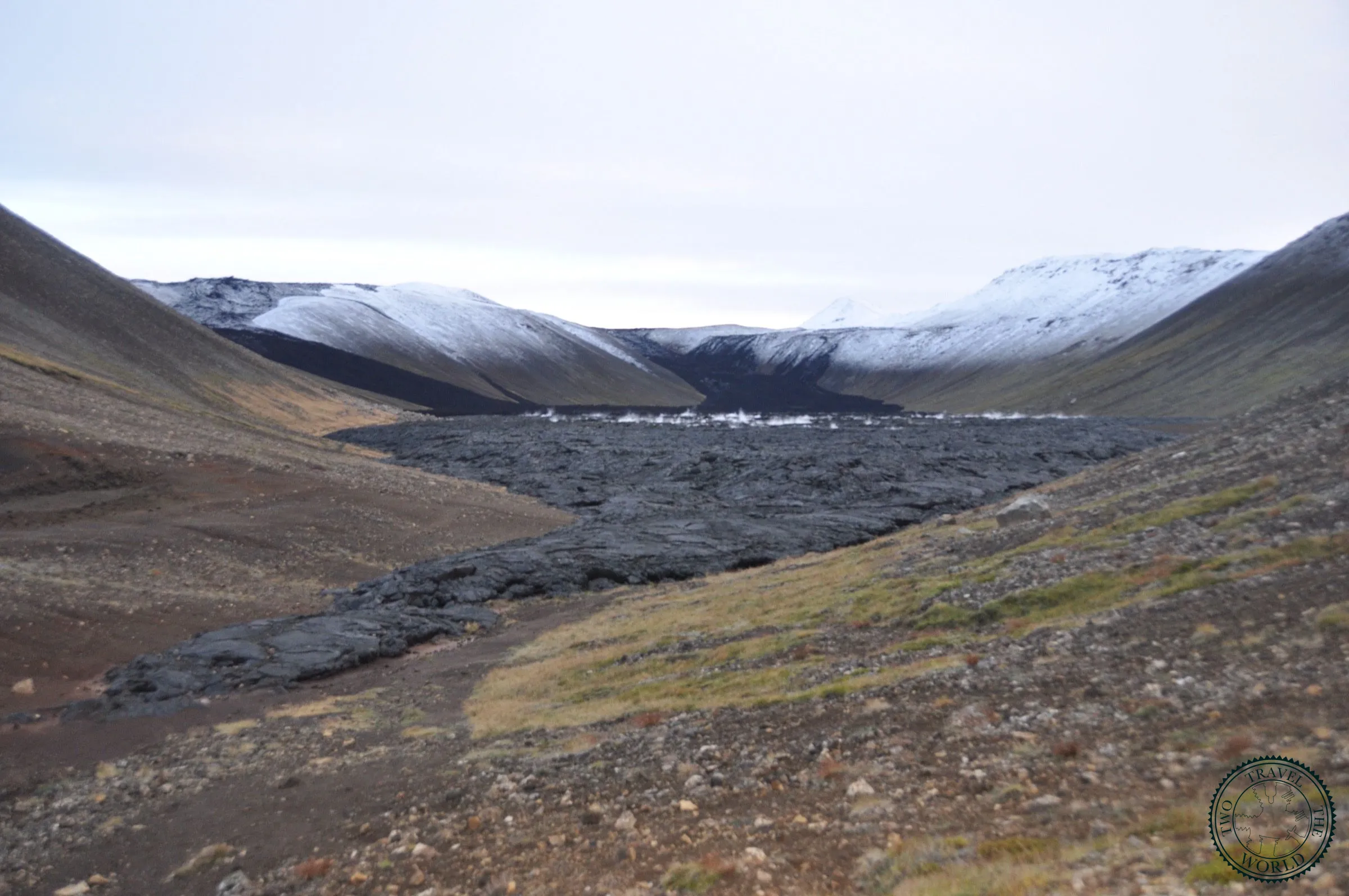
Fagradalsfjall Volcano Trail
The Reykjanes Peninsula eruptions reshaped this landscape between 2021 and 2025 — walking across still-warm lava fields with steam rising from cracks is about as close to another planet as you'll get without leaving Earth.
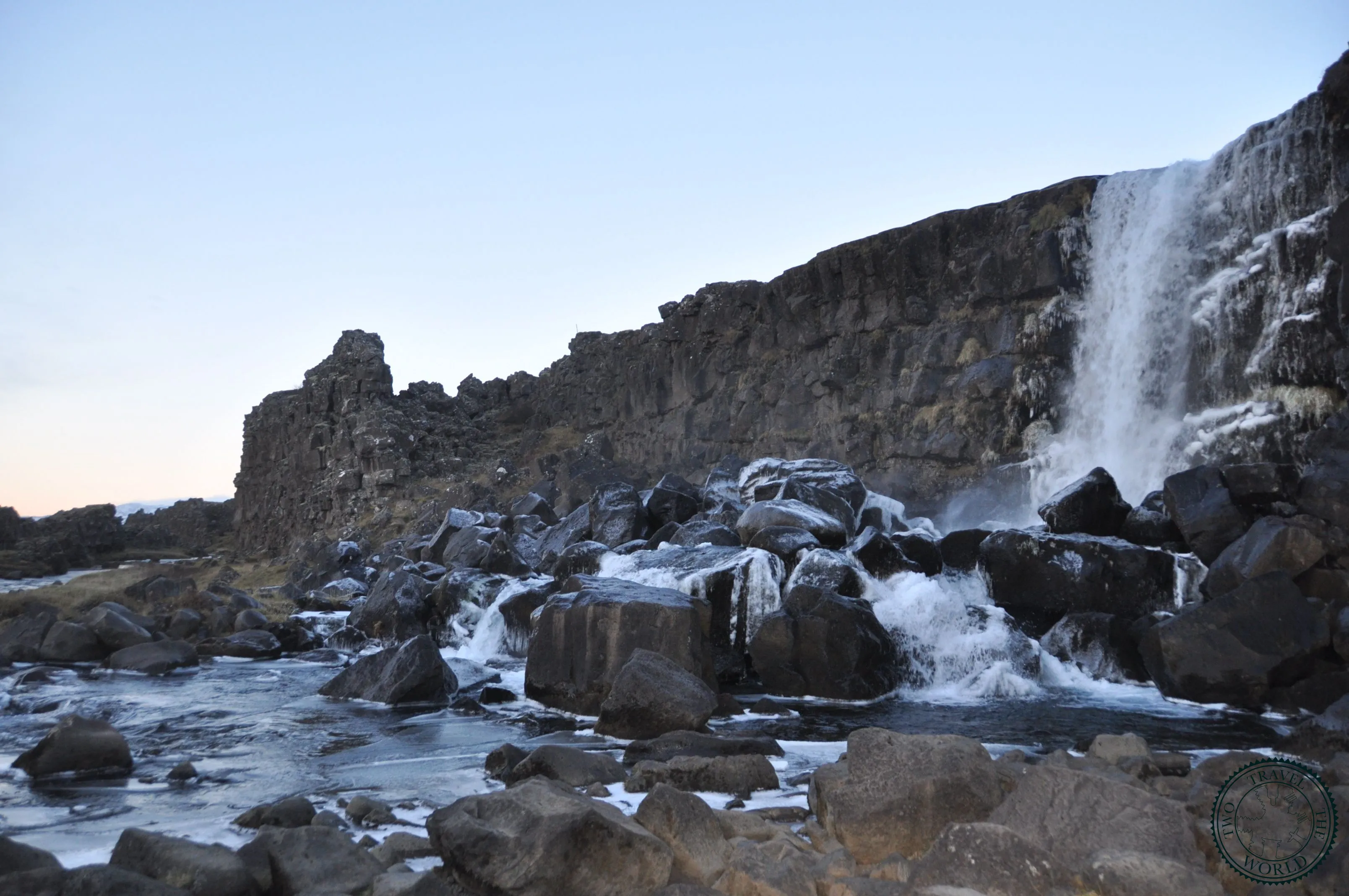
Öxarárfoss
Öxarárfoss drops 20 metres into the Almannagjá rift at Þingvellir National Park — a waterfall set literally between the North American and Eurasian tectonic plates, in the same gorge where Iceland's parliament was founded in 930 AD.

Strokkur Geyser
Strokkur erupts every 5 to 10 minutes, launching a column of boiling water up to 30 metres into the air — it's Iceland's most reliable geothermal performance, and watching the bubble form and burst never gets old, no matter how many times you see it.