Öxarárfoss
A waterfall between tectonic plates at the birthplace of democracy
About This Experience
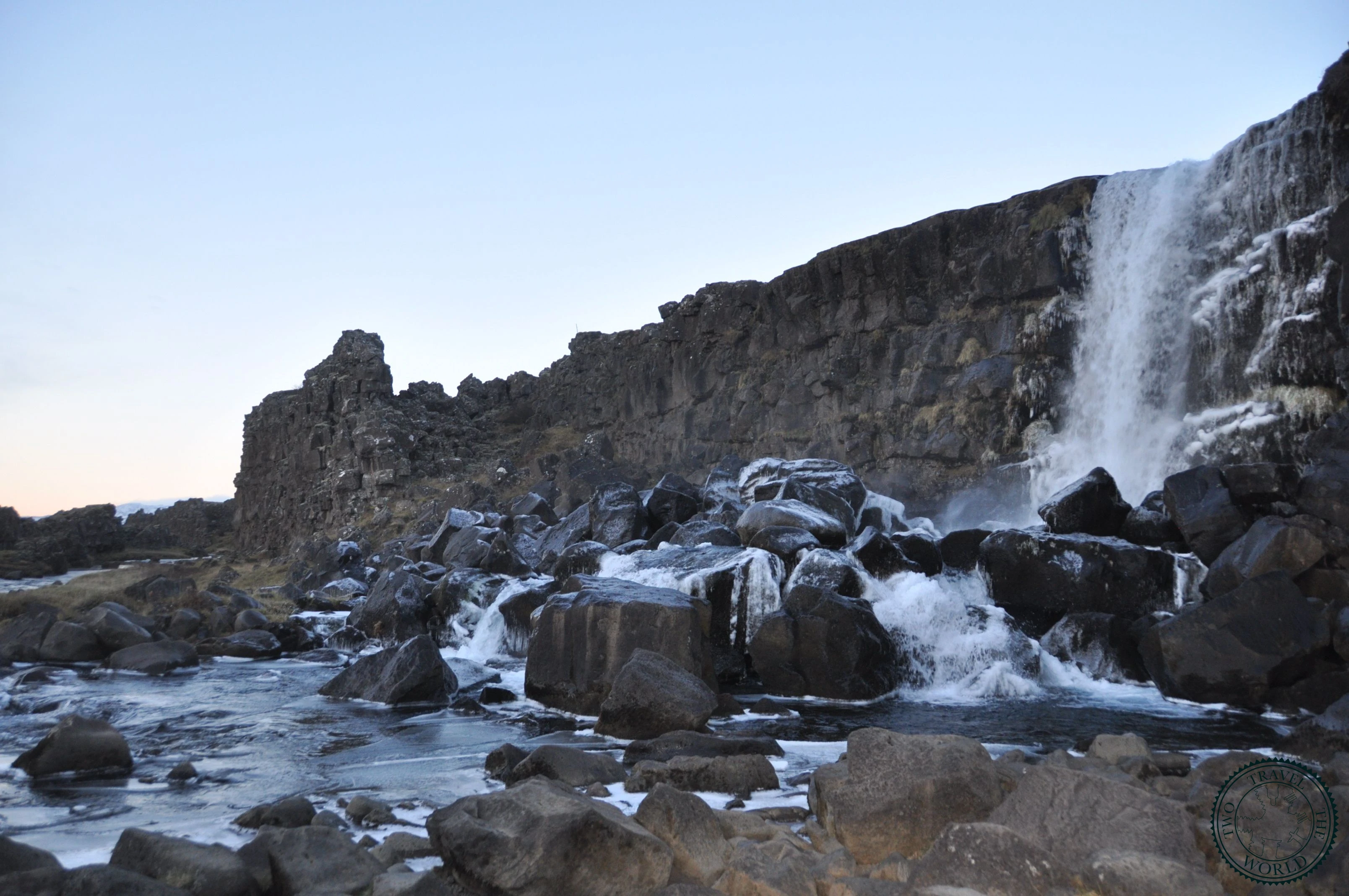
Öxarárfoss is a waterfall with an unusual origin story. The Öxará river was actually diverted by 10th-century settlers to flow through the Almannagjá gorge at Þingvellir, providing fresh water for the annual parliament gatherings. The river now drops about 20 metres over a basalt ledge into the rift valley — a waterfall that exists because humans redirected a river over a thousand years ago.
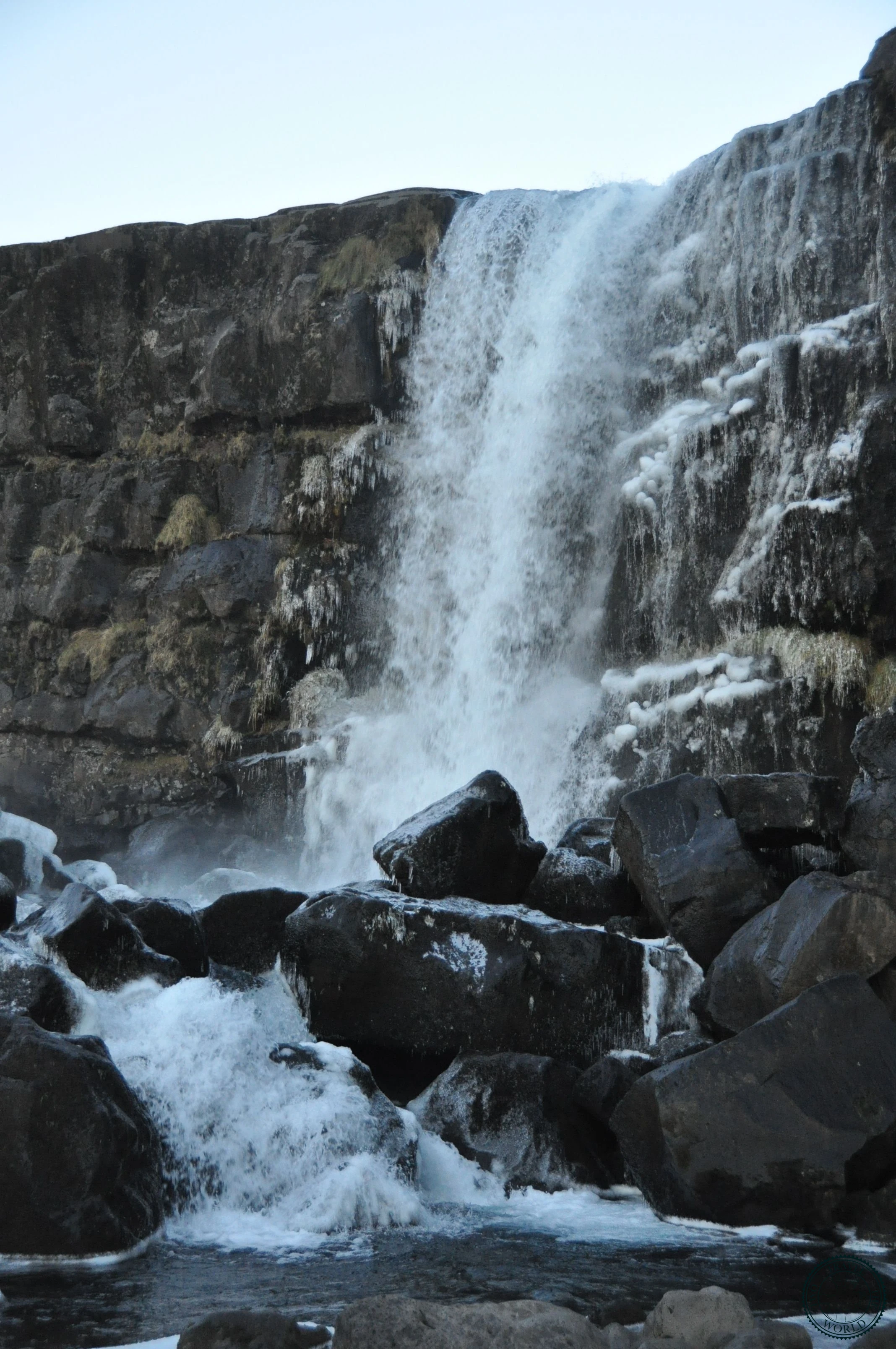
The setting is what makes it. You're standing in the Almannagjá rift, the visible boundary of the North American tectonic plate, with sheer rock walls on either side. The waterfall pours into this gap, collecting in a pool surrounded by dark basalt rubble. In winter, the falls partially freeze into a blue-white ice formation that photographers travel specifically to see.
We walked here during our Golden Circle drive, and the combination of the geological drama (tectonic plates literally pulling apart) and the human history (Iceland's parliament, the Althing, was founded right here in 930 AD) gives the place a weight that most waterfalls don't have.
What to Expect
From the main Þingvellir car park (P1), the walk to Öxarárfoss takes about 15-20 minutes along the Almannagjá rift path. The trail is well-maintained with boardwalks and steps. You pass through the rift gorge itself — the towering cliff face on your left is the edge of the North American plate.
The waterfall is visible from the path, and a viewing area lets you get close. In summer, the pool is clear enough to see the rocky bottom. In winter, ice formations can build up dramatically around the falls.
The walk continues past the falls deeper into the rift valley if you want to extend the hike. The full Almannagjá path takes about 40 minutes end to end.
Practical Tips
- Part of the Almannagjá rift walk at Þingvellir — a natural extension of any Golden Circle visit
- 15-20 minute walk from car park P1 on a well-maintained path
- Beautiful in all seasons; winter ice formations are especially photogenic
- Þingvellir parking costs 750 ISK per car
- Combine with the visitor centre for context on the Althing parliament history
- The drive from Reykjavik takes about 45 minutes via Route 36
- Morning visits are quieter; tour buses arrive from mid-morning
- The trail can be icy in winter — bring traction devices if visiting November to March
Photo Gallery
More Experiences in Reykjavik

Arnarstapi Coastal Walk
The coastal path between Arnarstapi and Hellnar follows the edge of the Snæfellsnes Peninsula for 2.5 km past basalt columns, sea arches, and bird cliffs. At one end, a half-troll's statue watches over the harbour. At the other, a small café serves fish stew with an ocean view.
Blue Lagoon
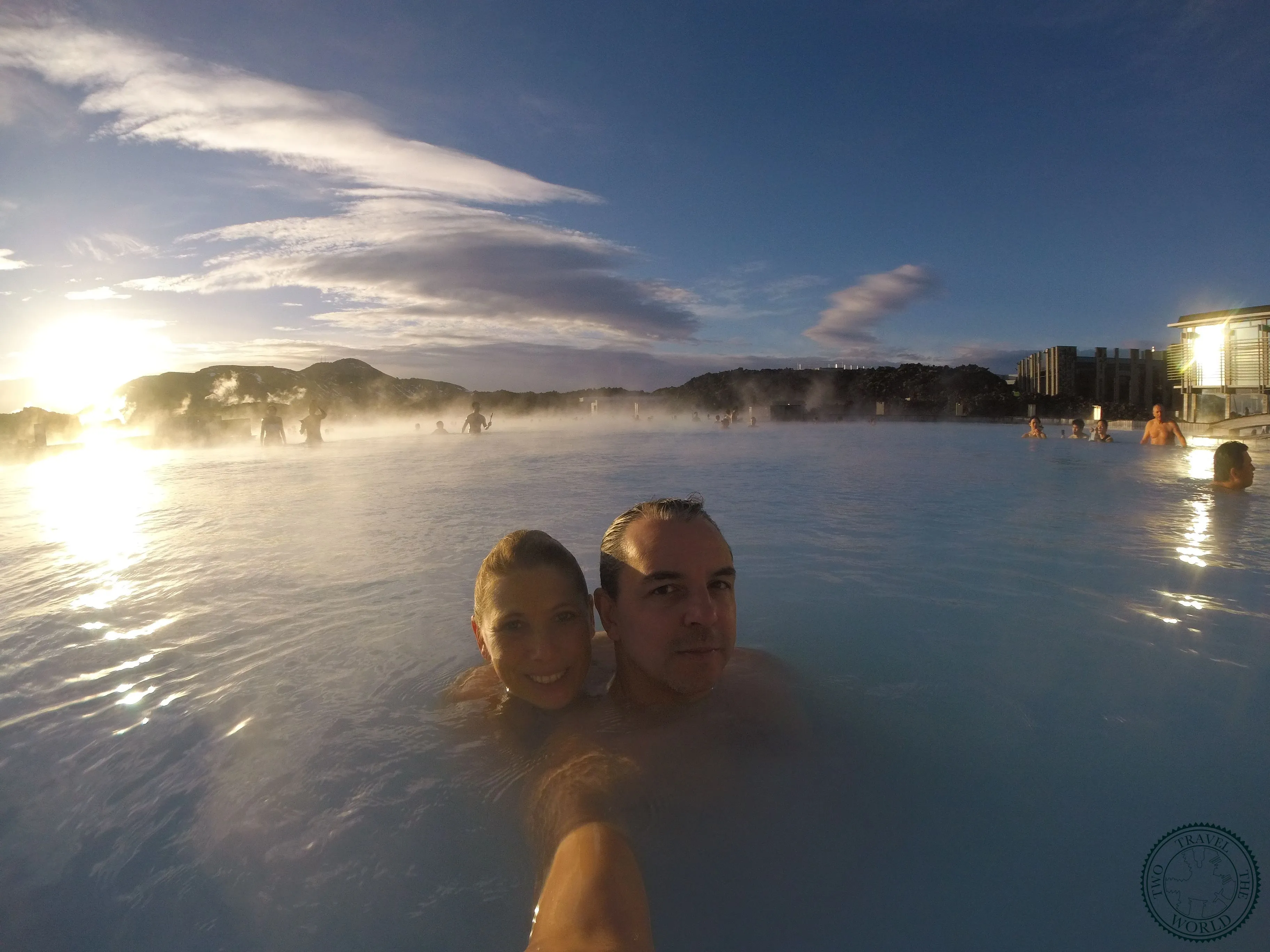
We'll be honest — we went in sceptical about the hype and the price tag. But floating in milky-blue water surrounded by black lava rock at 8 AM, with steam rising into the cold air and hardly anyone else around, won us over.
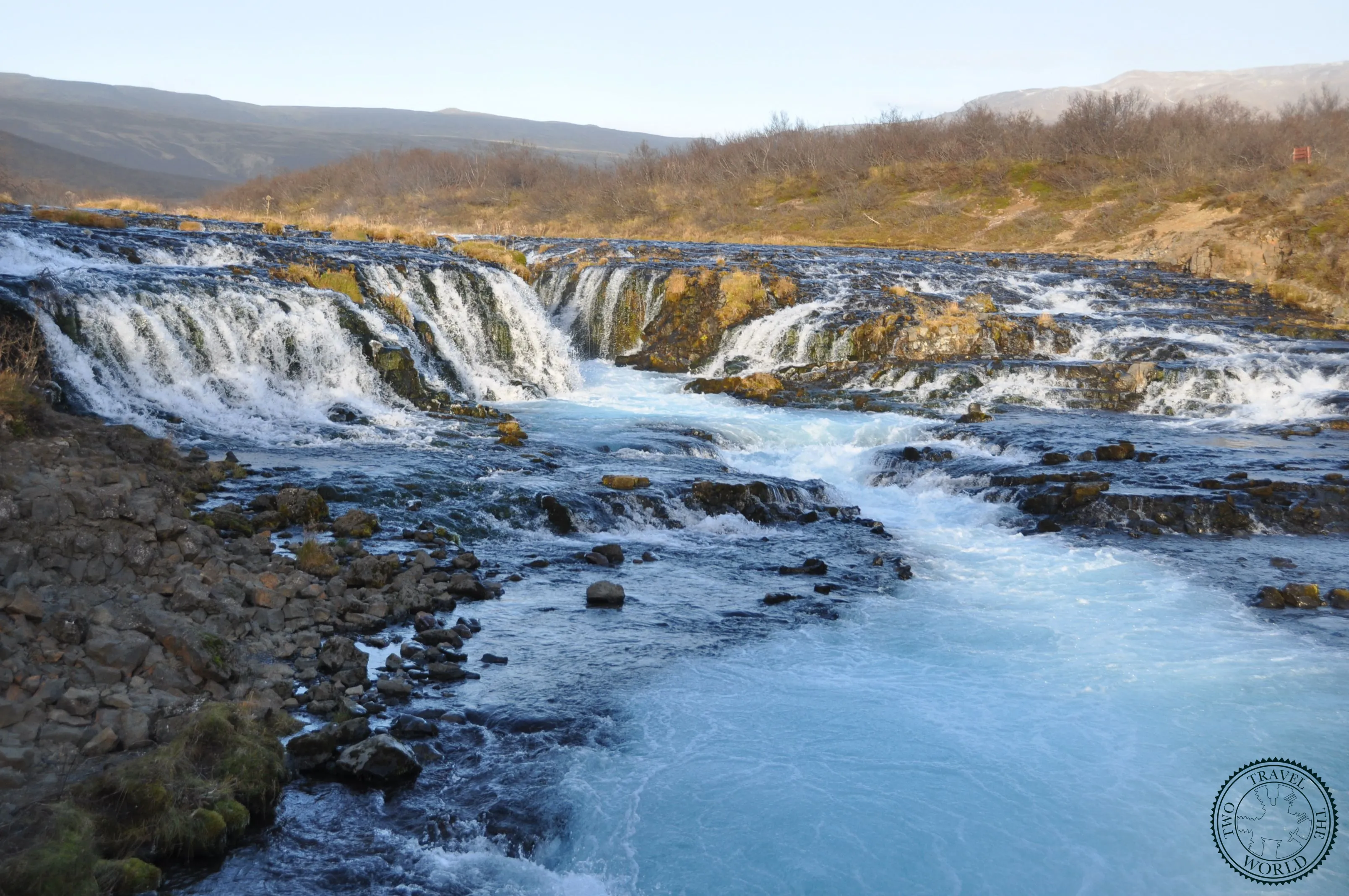
Brúarfoss
Brúarfoss might be the most vivid blue waterfall in Iceland — glacial meltwater from Langjökull filters through lava rock and emerges an almost unreal turquoise, cascading across a wide rocky shelf in a series of braided channels.
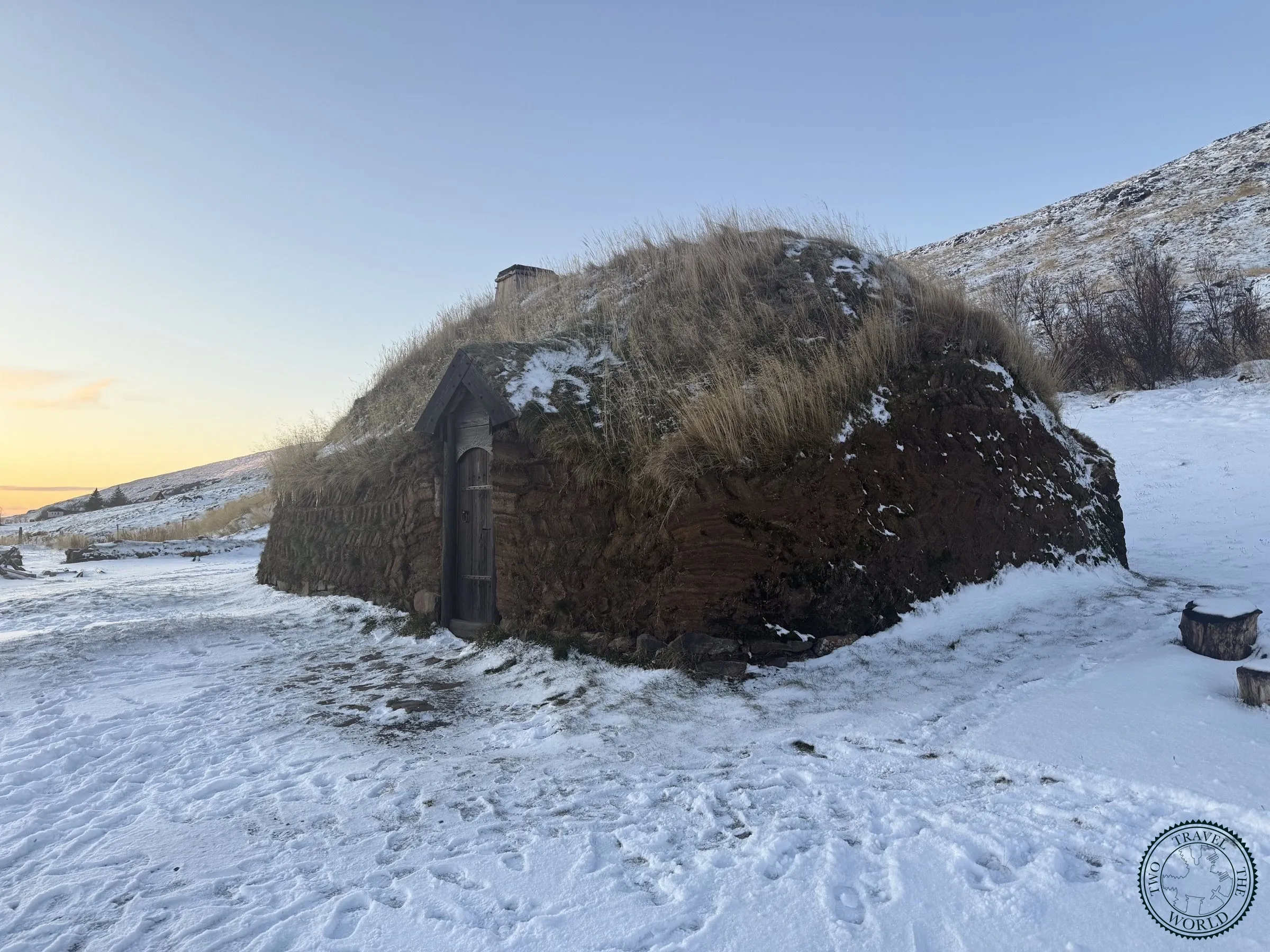
Eiríksstaðir Viking Museum
Eiríksstaðir is a reconstructed Viking longhouse in the Dalir region of West Iceland — the former homestead of Erik the Red and likely birthplace of his son Leif Eiríksson, the first known European to reach the Americas. A guide in period dress tells the sagas by an open fire.
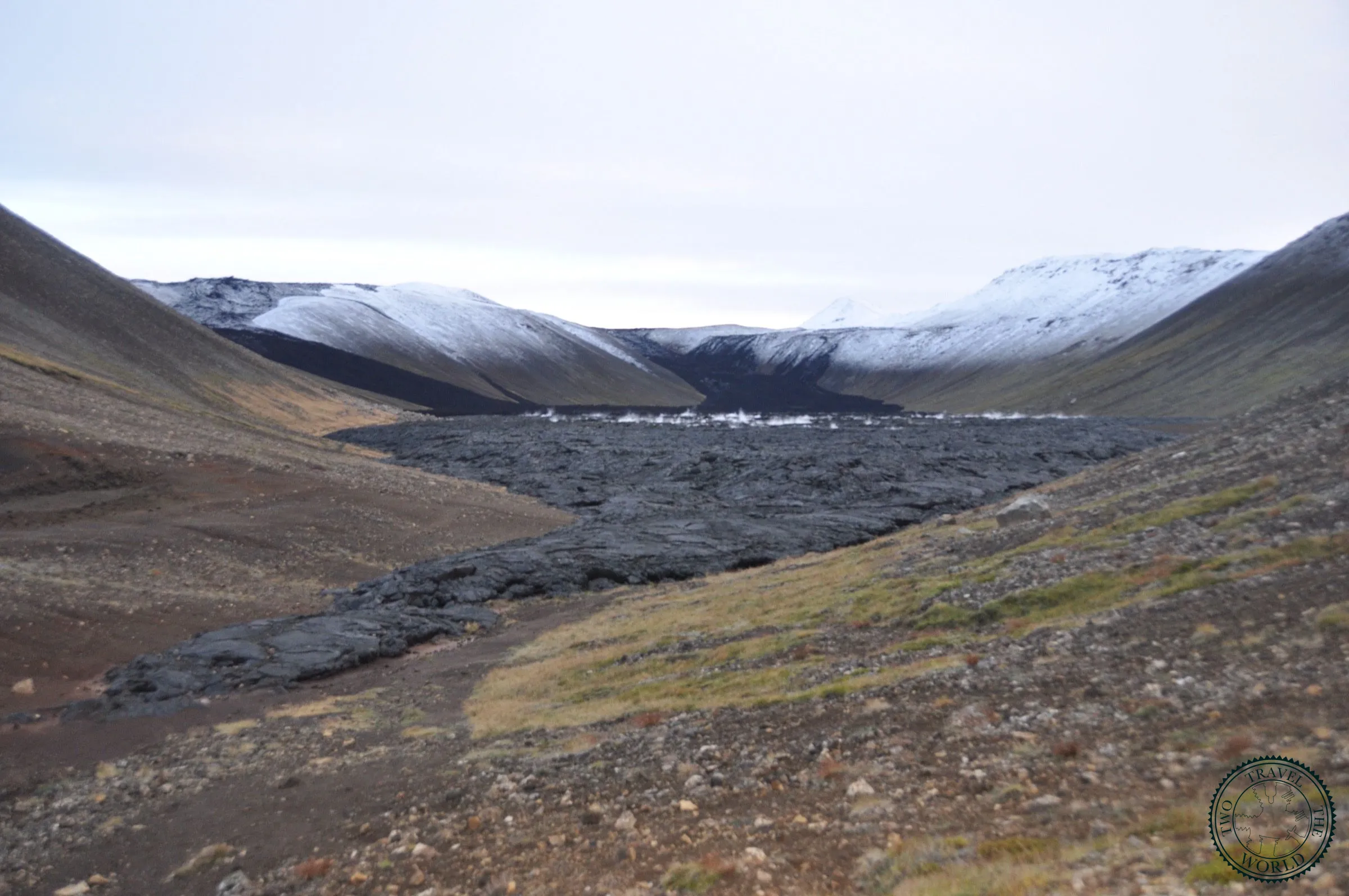
Fagradalsfjall Volcano Trail
The Reykjanes Peninsula eruptions reshaped this landscape between 2021 and 2025 — walking across still-warm lava fields with steam rising from cracks is about as close to another planet as you'll get without leaving Earth.
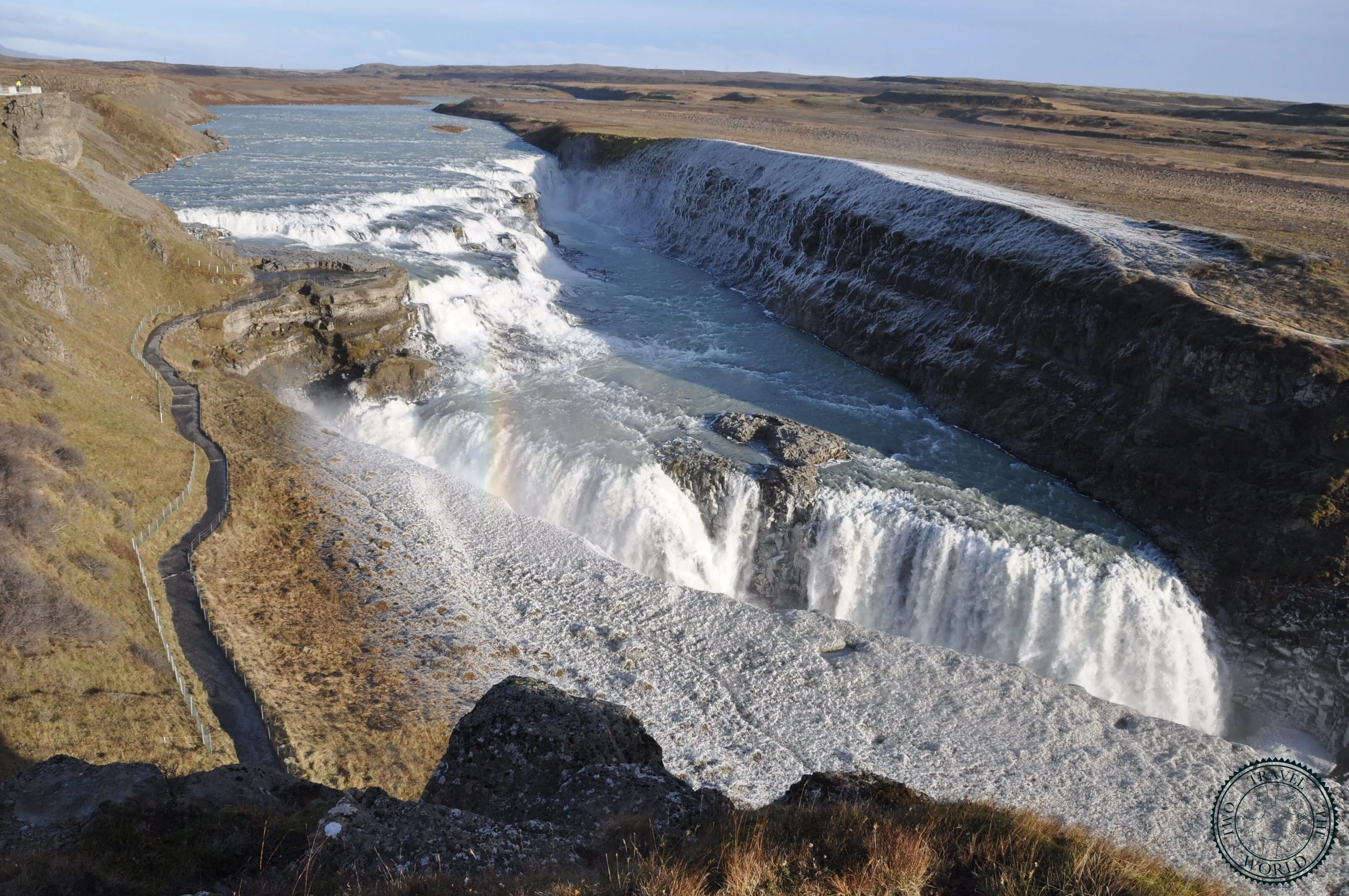
Gullfoss
Gullfoss drops 32 metres in two dramatic stages before vanishing into a narrow canyon — stand at the lower viewpoint and the sheer force of the Hvítá river hits you in the chest, along with a fair amount of spray.

Strokkur Geyser
Strokkur erupts every 5 to 10 minutes, launching a column of boiling water up to 30 metres into the air — it's Iceland's most reliable geothermal performance, and watching the bubble form and burst never gets old, no matter how many times you see it.