

Skógafoss
A 60-metre wall of water with 527 steps to the top
About This Experience
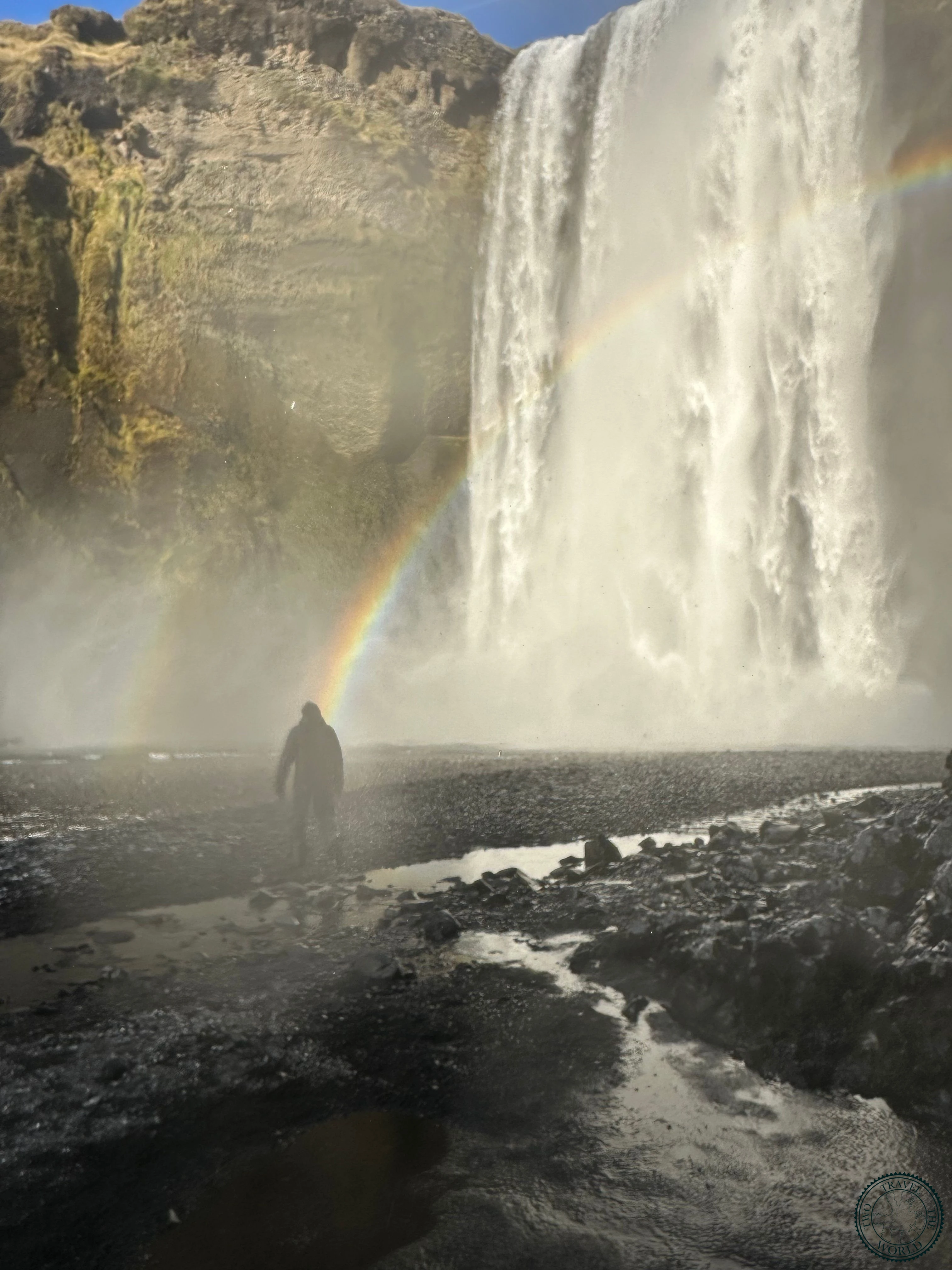
Skógafoss is pure brute force. The Skógá river drops 60 metres over what were once coastal cliffs, crashing into a wide pool at the base with enough power to produce a permanent cloud of spray. On sunny days, rainbows appear — sometimes double — arcing through the mist. According to legend, the Viking settler Þrasi Þórólfsson hid a treasure chest behind the falls, and the first men to find it managed to grab the ring on the side before the chest slipped away. That ring is now kept at the Skógar Museum next door.
The waterfall is dramatic from the base, but the real reward is the staircase. 527 metal steps climb the eastern side of the cliff to a platform at the top, where you can look straight down into the cascade and out over the south coast flatlands to the ocean. On a clear day, the Westman Islands are visible on the horizon.
From the top, the path continues as the Fimmvörðuháls hiking trail — a famous two-day trek between Skógafoss and Þórsmörk that passes between the Eyjafjallajökull and Mýrdalsjökull glaciers and crosses the lava field from the 2010 eruption.
What to Expect
The waterfall is right next to Route 1 at the village of Skógar, visible from the road. A large free car park sits at the base. Walk across the flat ground to the falls — the spray starts hitting you from about 50 metres away.
The 527-step staircase begins on the right side (facing the falls) and takes about 15-20 minutes to climb. It's well-maintained with metal stairs and handrails. At the top, a viewing platform offers the birds-eye perspective. From here, you can either return the same way or continue along the Fimmvörðuháls trail for a short exploration.
The Skógar Folk Museum at the base is one of Iceland's best regional museums — a collection of turf houses, historical artefacts, and a transport museum. Worth an hour if you have time.
Practical Tips
- Parking is free at Skógafoss (unlike Seljalandsfoss)
- The 527 steps are worth the effort — bring water and take your time
- You'll get sprayed at the base; bring a waterproof jacket
- Sunny days produce reliable rainbows — best photographed from the left side (facing the falls)
- The Skógar Folk Museum next door is surprisingly excellent; allow an hour
- Kvernufoss is a 15-minute walk east from the museum — most people miss it
- The drive from Vik takes about 30 minutes west on Route 1
- Morning visits are less crowded; the falls face south so midday light is direct
Photo Gallery

More Experiences in Vik
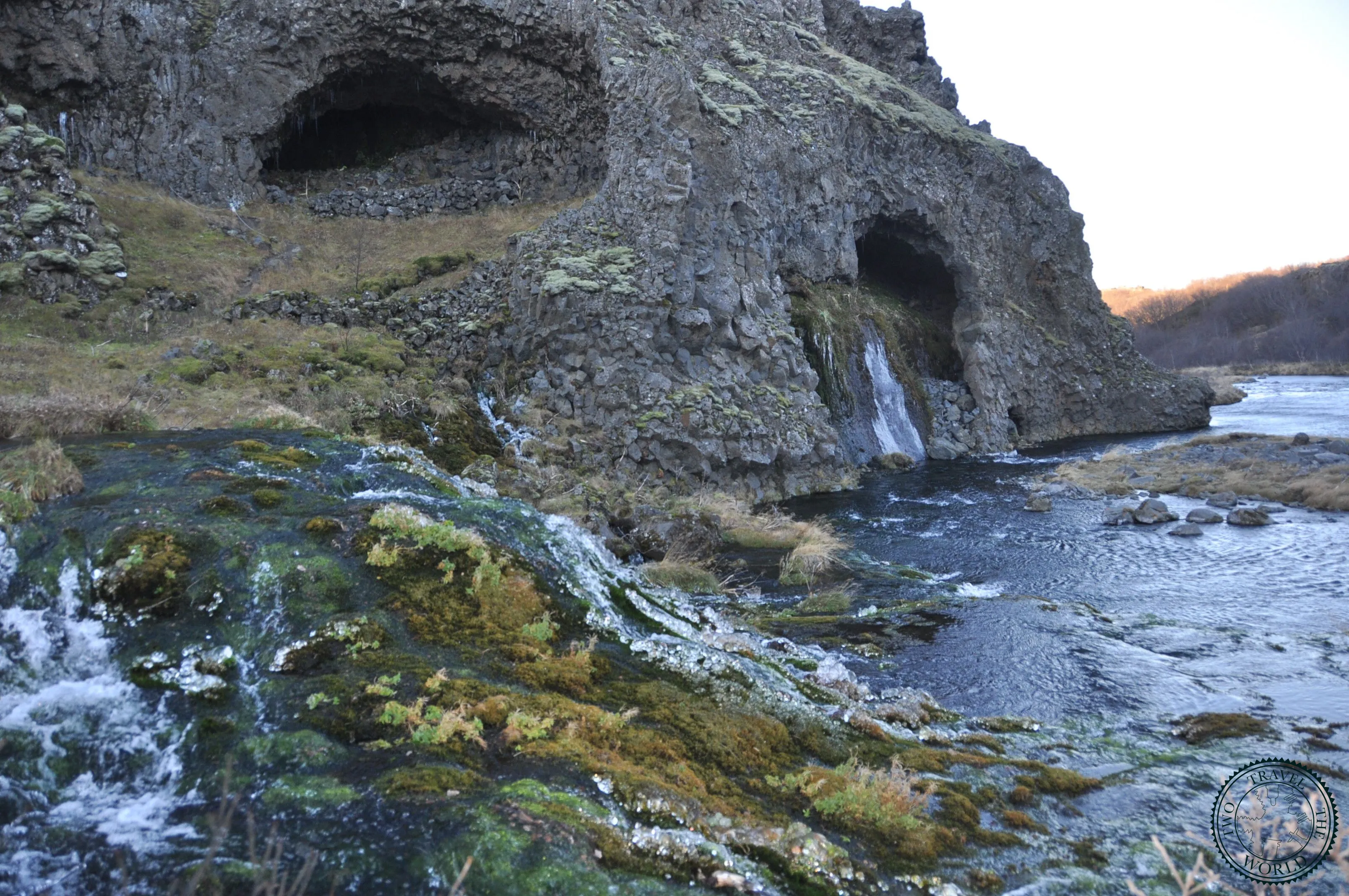
Gjáin Valley
Gjáin is a small, hidden valley in the Þjórsárdalur highlands — a pocket of green in the barren interior where waterfalls tumble over basalt, streams braid through moss-covered lava, and you might have it entirely to yourself.

Gljúfrabúi
Barely 500 metres from the tourist crowds at Seljalandsfoss, Gljúfrabúi hides behind a narrow crack in the rock — wade through ankle-deep water into a small canyon and look up to see a waterfall pouring into a natural cathedral.
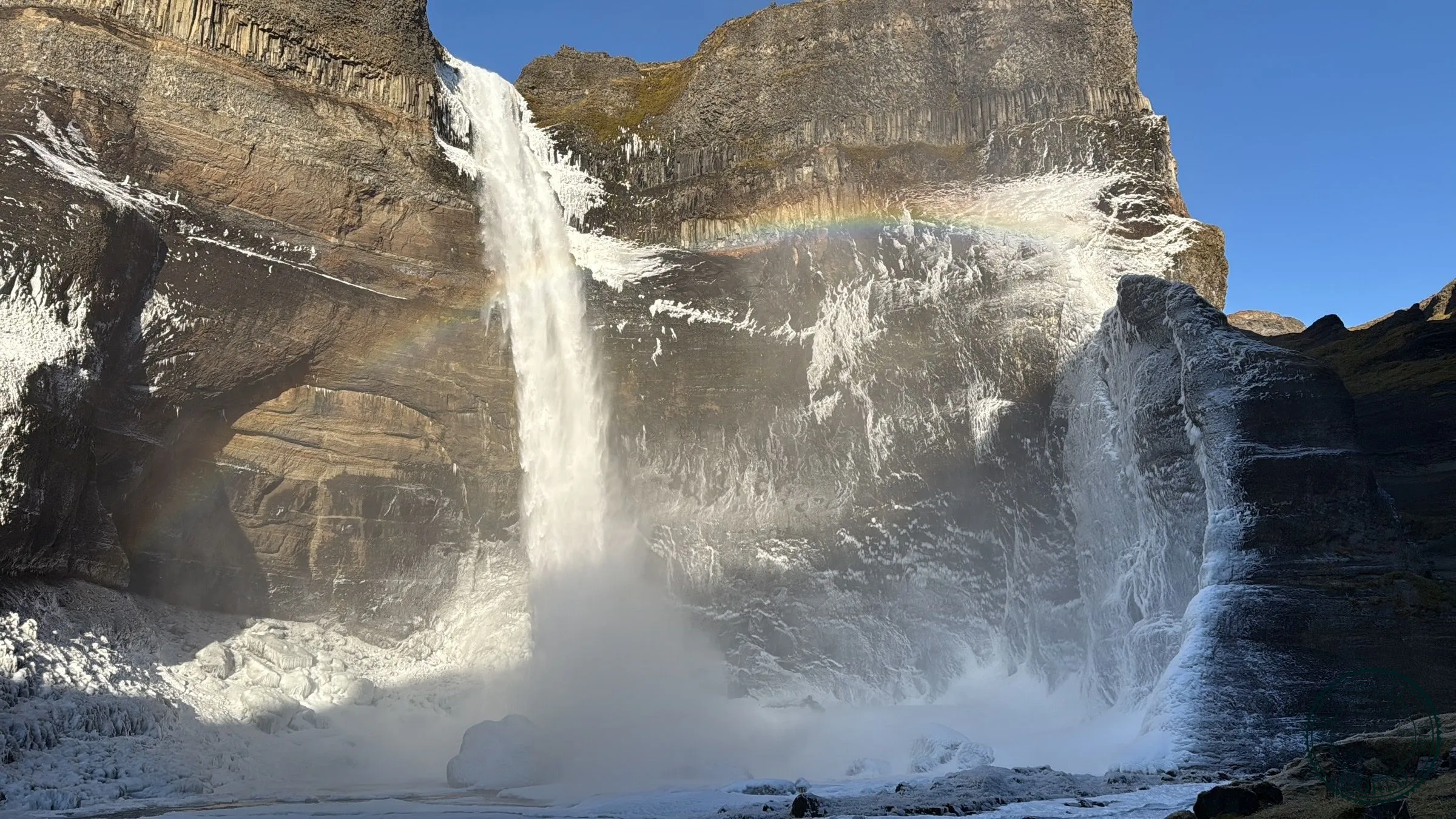
Háifoss
Háifoss drops 122 metres from a highland plateau into the Fossárdalur canyon — and right next to it, its smaller companion Granni falls side by side. The remote setting and sheer scale make this one of Iceland's most rewarding waterfalls to reach.
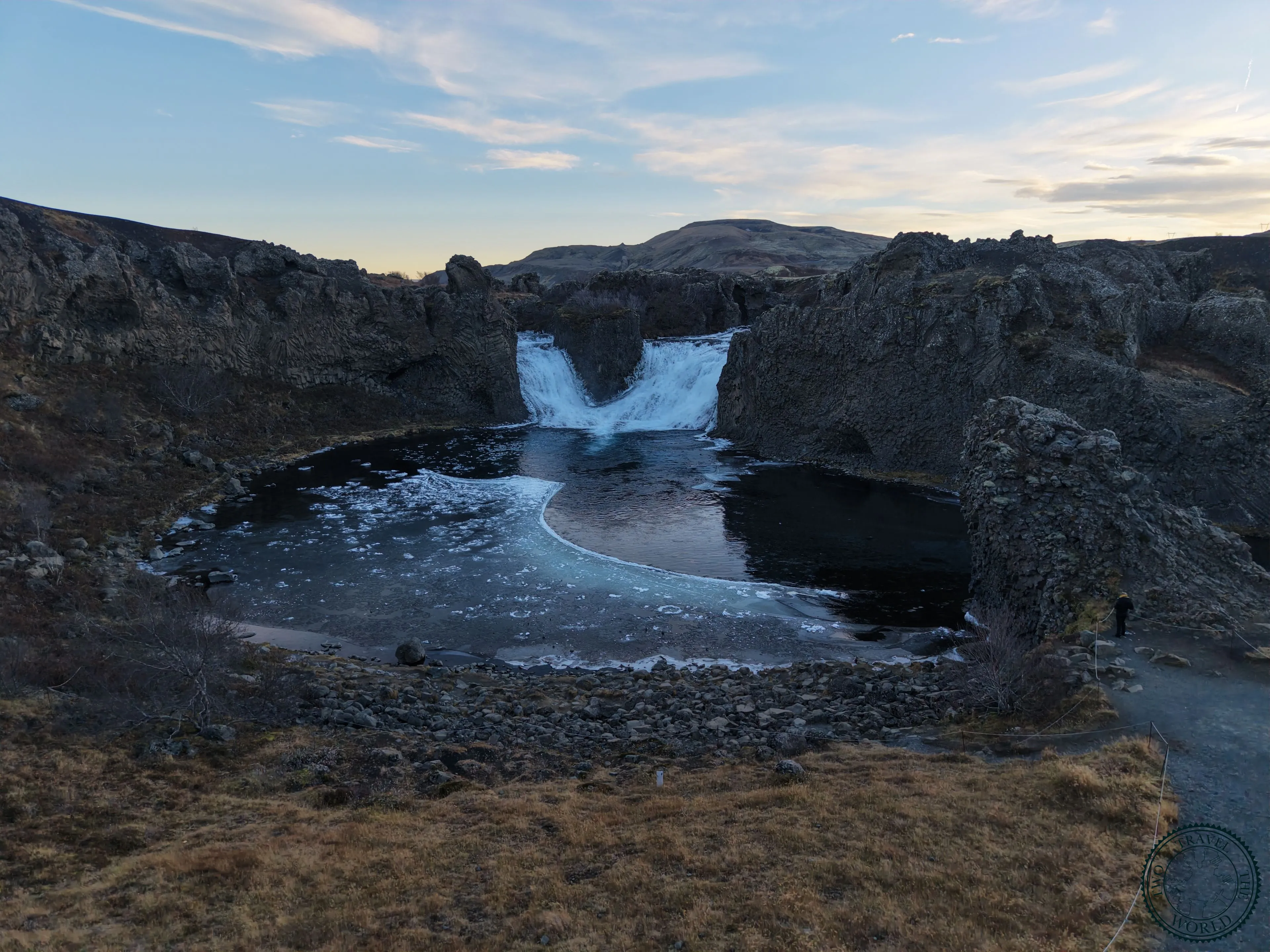
Hjálparfoss
Two streams merge and drop over a ledge of hexagonal basalt columns into a shared pool — Hjálparfoss is compact, easy to reach by regular car, and one of the most photogenic stops in the Þjórsárdalur valley.
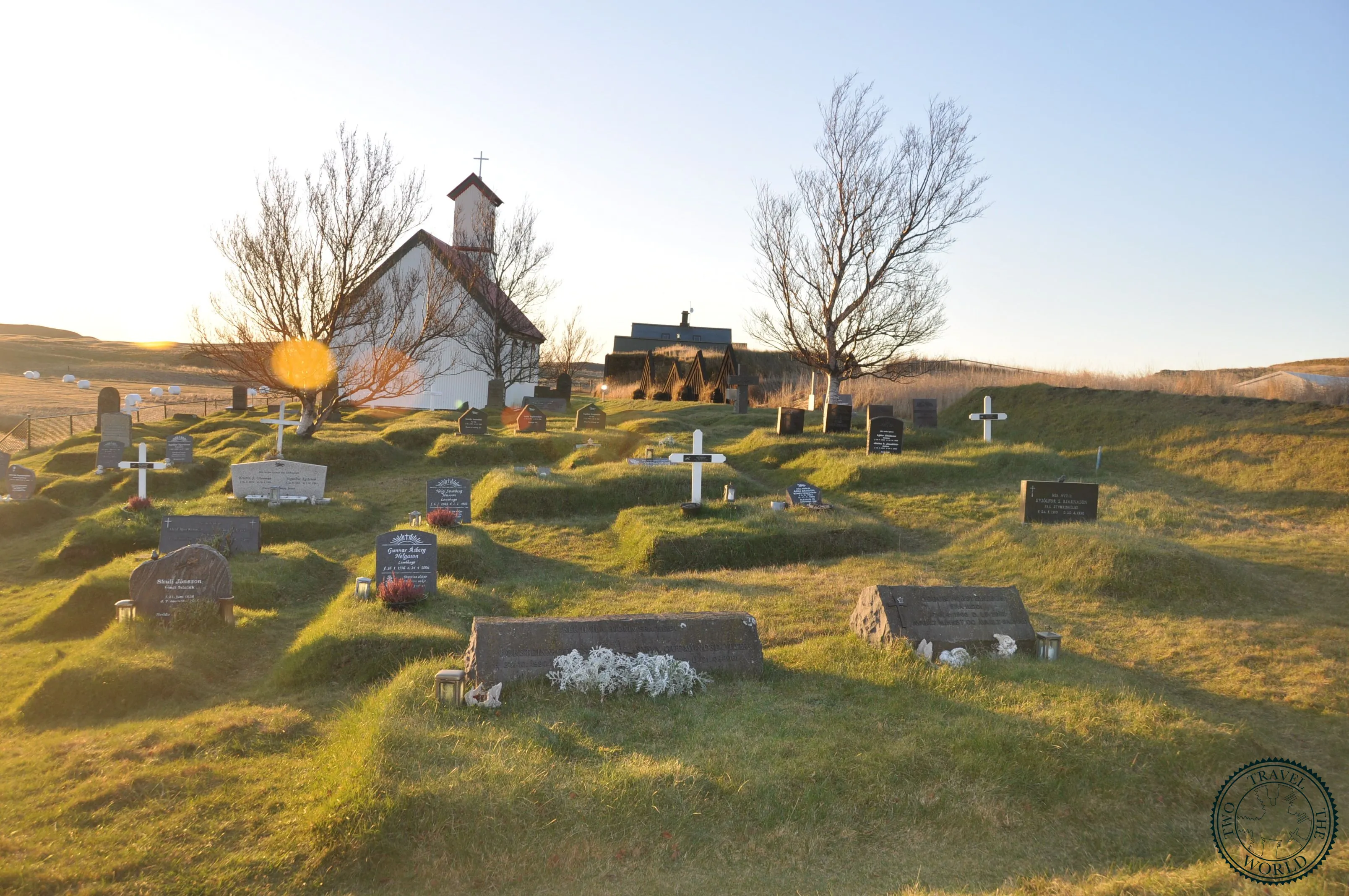
Keldur Turf Houses
Keldur is the oldest fully standing turf farmhouse in Iceland — a cluster of grass-roofed buildings dating to the 12th century, connected by an underground stone tunnel, in the heart of Njáls Saga country.

Kvernufoss
Kvernufoss is a 30-metre waterfall hiding in a gorge just a 15-minute walk from Skógafoss — you can walk behind the curtain of water through a natural alcove, and most days you'll have it almost entirely to yourself.

Nauthúsagil
Nauthúsagil is a narrow, moss-covered ravine on the flanks of Eyjafjallajökull — wade through a shallow stream, grab the fixed ropes, and squeeze into a canyon that opens onto a hidden waterfall at the back. It feels like trespassing into a secret.
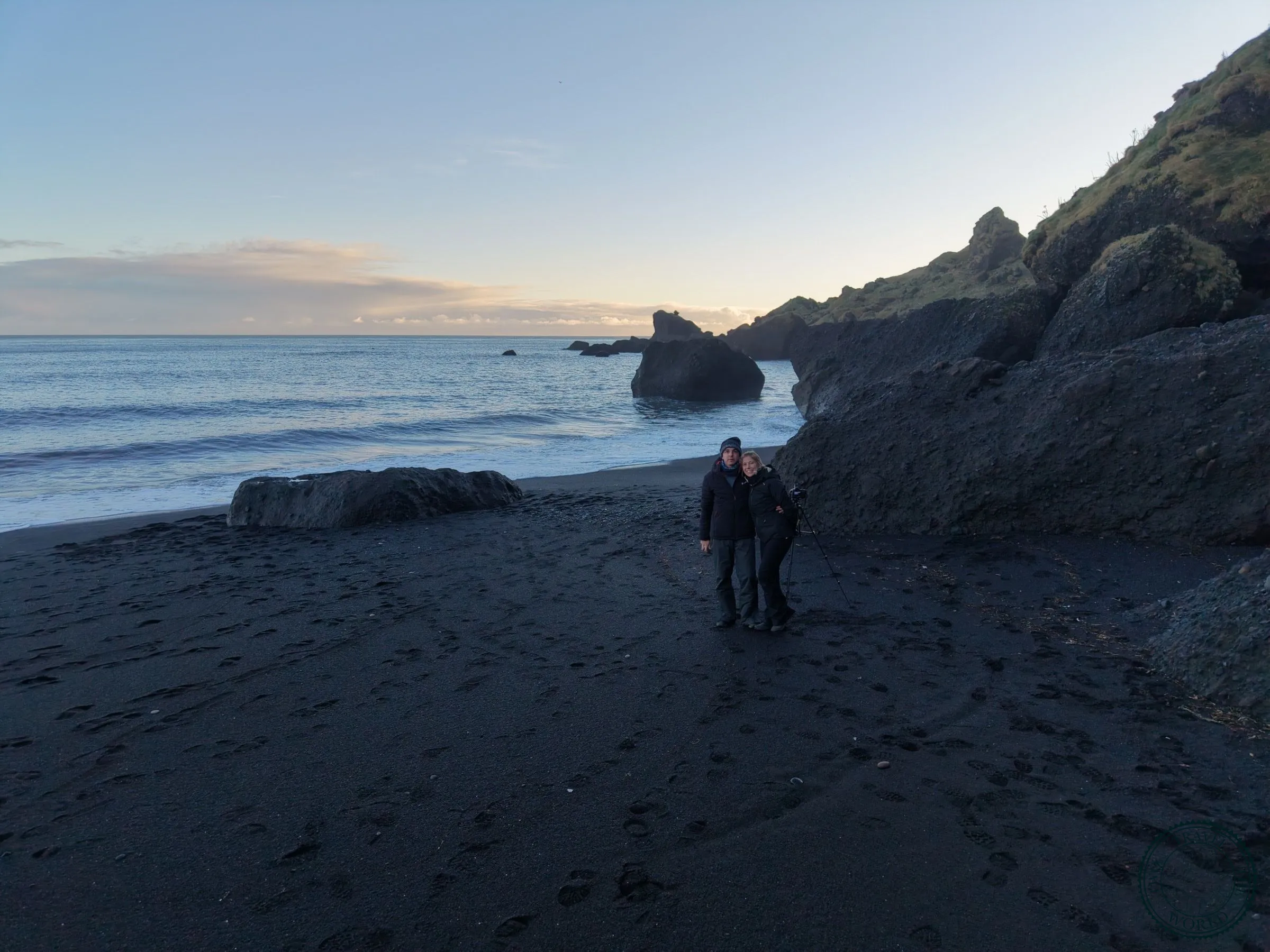
Reynisfjara Black Sand Beach
The basalt columns look like a giant pipe organ, the Reynisdrangar sea stacks rise from the surf like frozen trolls, and the sneaker waves will absolutely knock you off your feet if you turn your back on the ocean. Reynisfjara is magnificent and it demands respect.
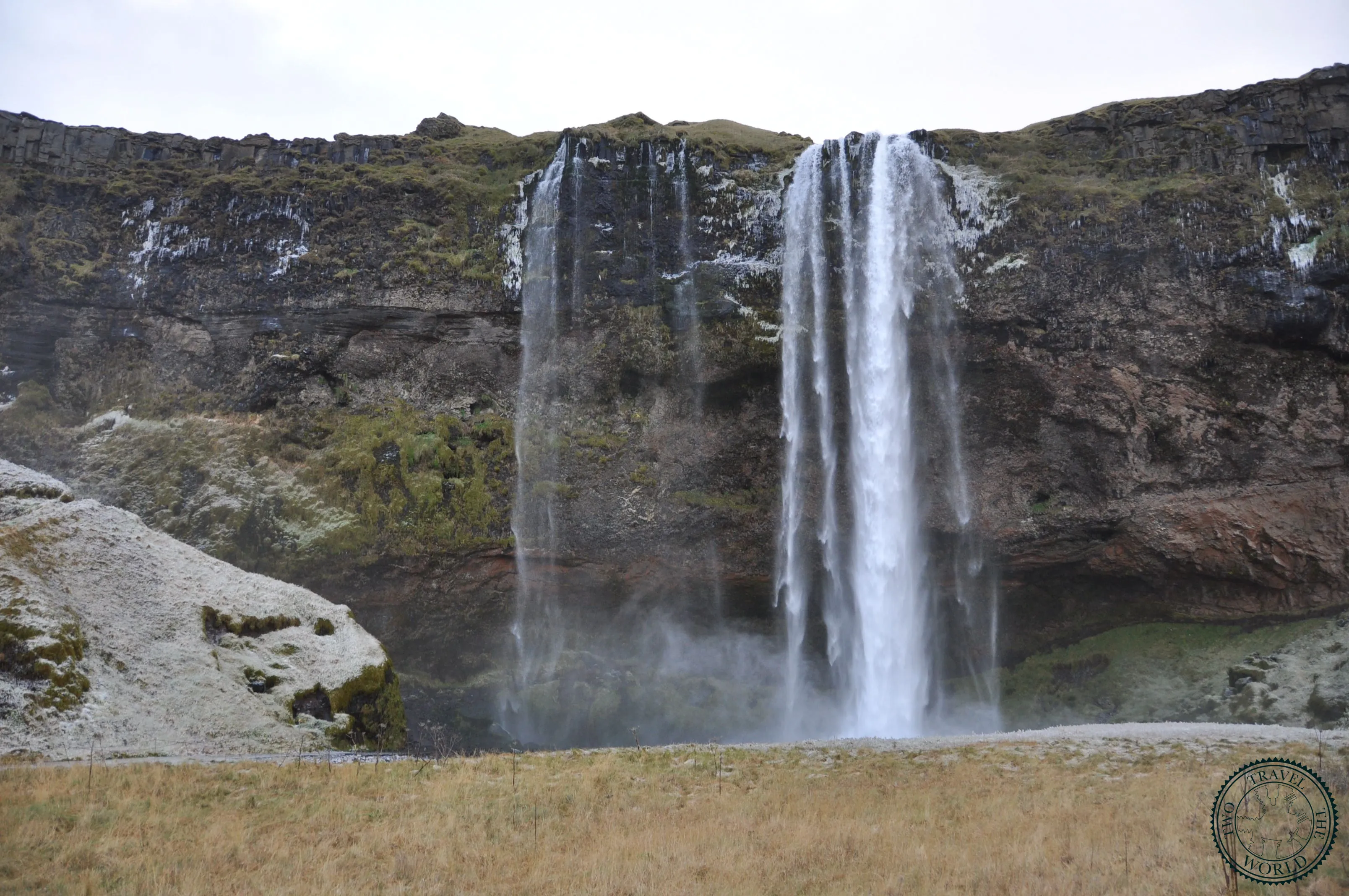
Seljalandsfoss
Seljalandsfoss is the waterfall you can walk behind — a 60-metre curtain of water fed by the Seljalandsá river, with a path that loops completely around the cliff face through spray, wind, and some of the best angles in Iceland.