

Nauthúsagil
A moss-lined canyon with a hidden waterfall beneath Eyjafjallajökull
About This Experience
Nauthúsagil barely appears in guidebooks, which is part of its appeal. It's a narrow ravine carved into volcanic tuff on the western flanks of Eyjafjallajökull, and reaching the waterfall at its end requires wading through a shallow stream, squeezing through gaps in the rock, and hauling yourself along fixed ropes bolted to the canyon walls.
The canyon itself is the experience. The walls are covered in thick, green moss that drips with moisture, and the ravine narrows until you can almost touch both sides at once. Light filters down from above, giving everything a cathedral quality. At the back, Nauthúsafoss drops into the enclosed space — a modest waterfall by Icelandic standards, but the journey to reach it makes it feel earned.
We visited after a morning at Seljalandsfoss (about 10 km away) and were completely alone in the canyon. The contrast between the tourist crowds at the famous waterfall and the total solitude here was surreal.
What to Expect
The turnoff is on Road 249 (the road toward Þórsmörk), behind Stóra-Mörk farm. A regular 2WD car can reach the Nauthúsagil parking area — the F-road starts further along toward Þórsmörk.
From the parking spot, a short trail leads to the canyon entrance. The stream is ankle-deep in normal conditions but can reach knee-depth after rain or glacial melt. Fixed ropes along the canyon walls help with balance and grip as you scramble over rocks and wade through the water.
The canyon narrows progressively, and the final section before the waterfall is the tightest. The whole walk-in takes about 20-30 minutes. Allow the same for the return.
Practical Tips
- Waterproof boots are essential — you will be wading through water the entire way
- The fixed ropes are bolted to the walls; use them — the rocks are slippery
- Bring a waterproof case for your phone and camera
- Best visited June to September; the stream can flood with glacial meltwater earlier in the season
- A 2WD car can reach the parking area; the F-road to Þórsmörk starts further along Road 249
- Combine with Seljalandsfoss and Gljúfrabúi (both within 10 km)
- Not recommended for young children or those uncomfortable in tight, enclosed spaces
- The drive from Vik takes about 40 minutes west on Route 1, then Road 249
Photo Gallery


More Experiences in Vik
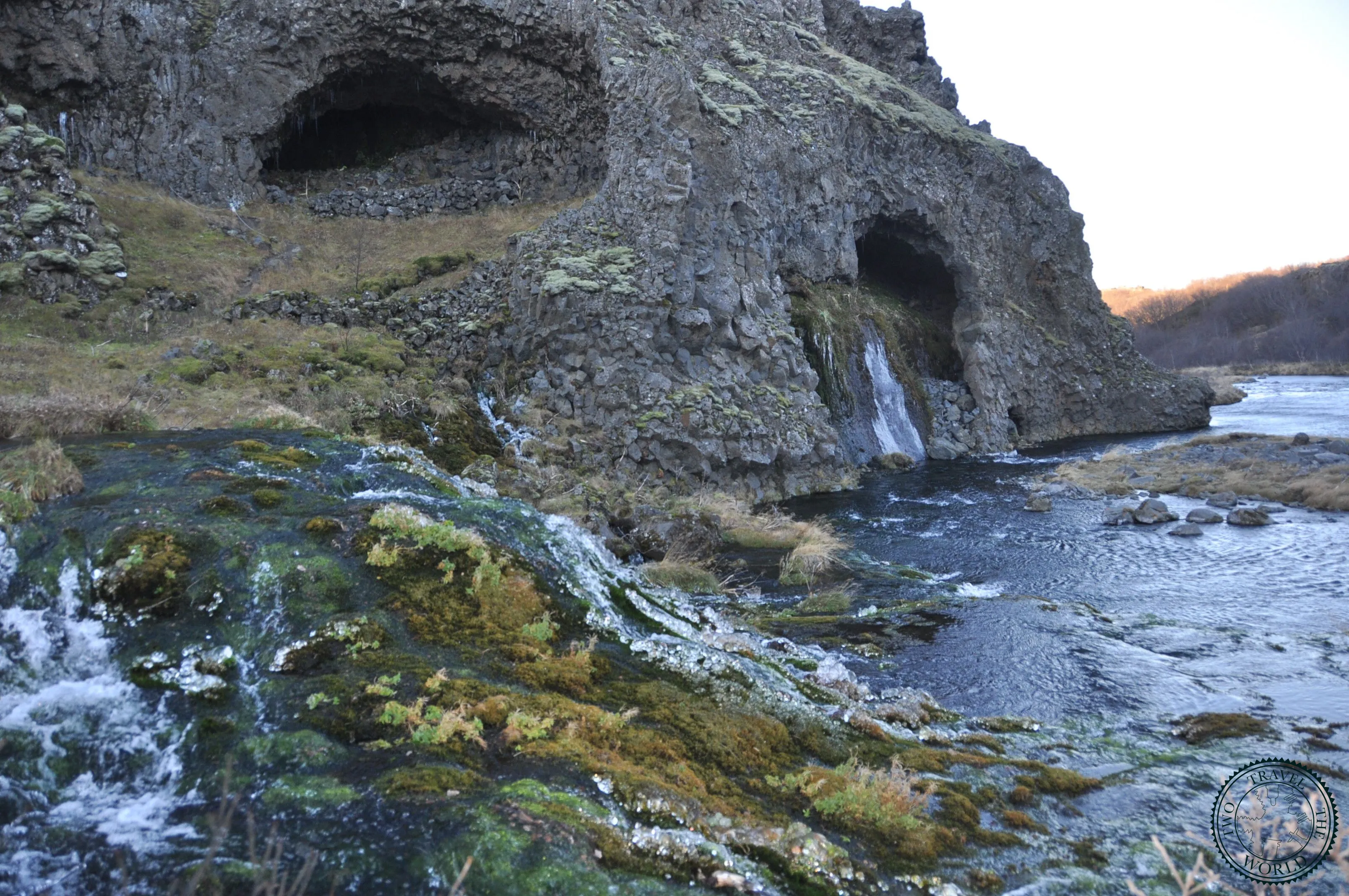
Gjáin Valley
Gjáin is a small, hidden valley in the Þjórsárdalur highlands — a pocket of green in the barren interior where waterfalls tumble over basalt, streams braid through moss-covered lava, and you might have it entirely to yourself.

Gljúfrabúi
Barely 500 metres from the tourist crowds at Seljalandsfoss, Gljúfrabúi hides behind a narrow crack in the rock — wade through ankle-deep water into a small canyon and look up to see a waterfall pouring into a natural cathedral.
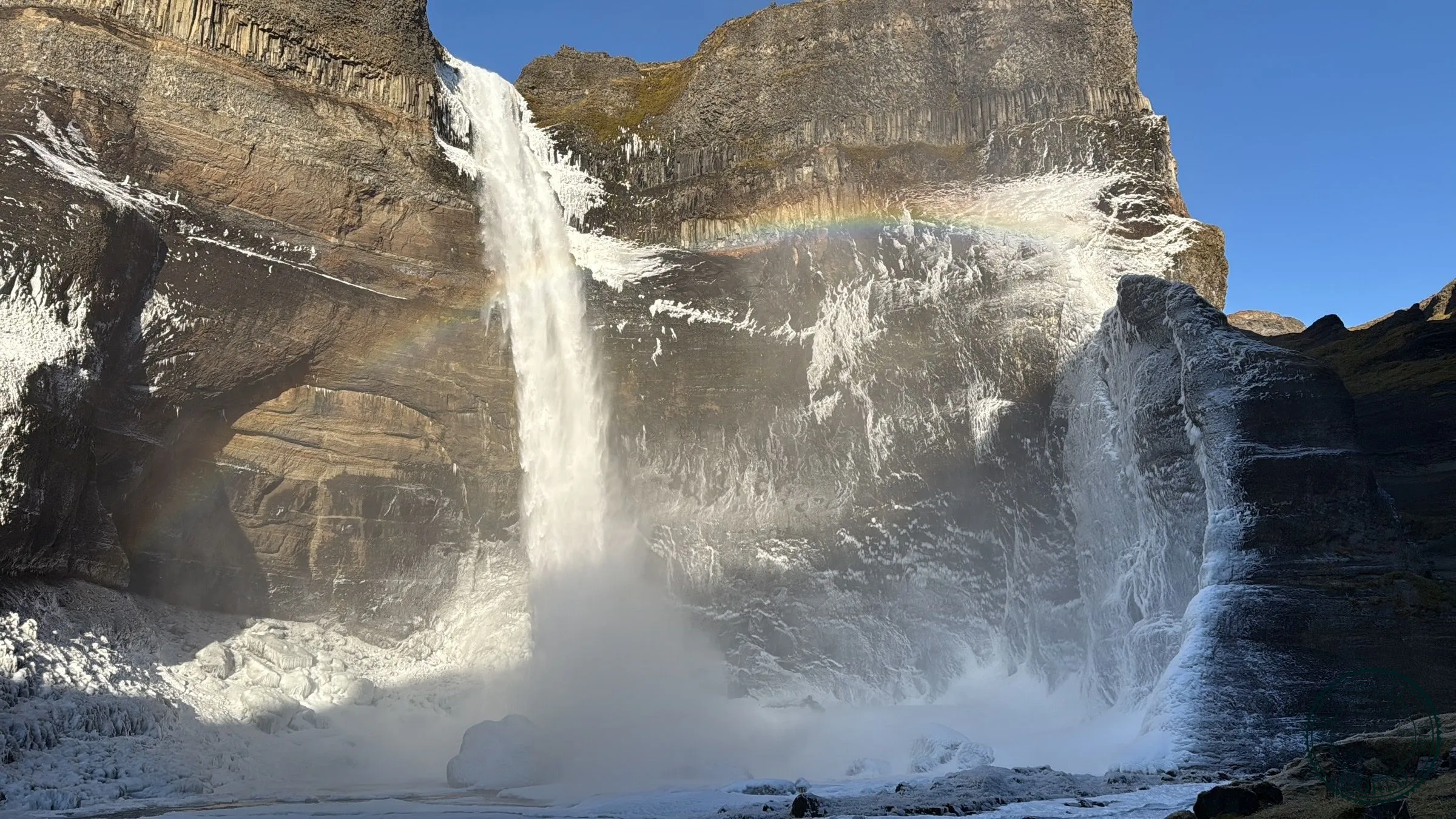
Háifoss
Háifoss drops 122 metres from a highland plateau into the Fossárdalur canyon — and right next to it, its smaller companion Granni falls side by side. The remote setting and sheer scale make this one of Iceland's most rewarding waterfalls to reach.
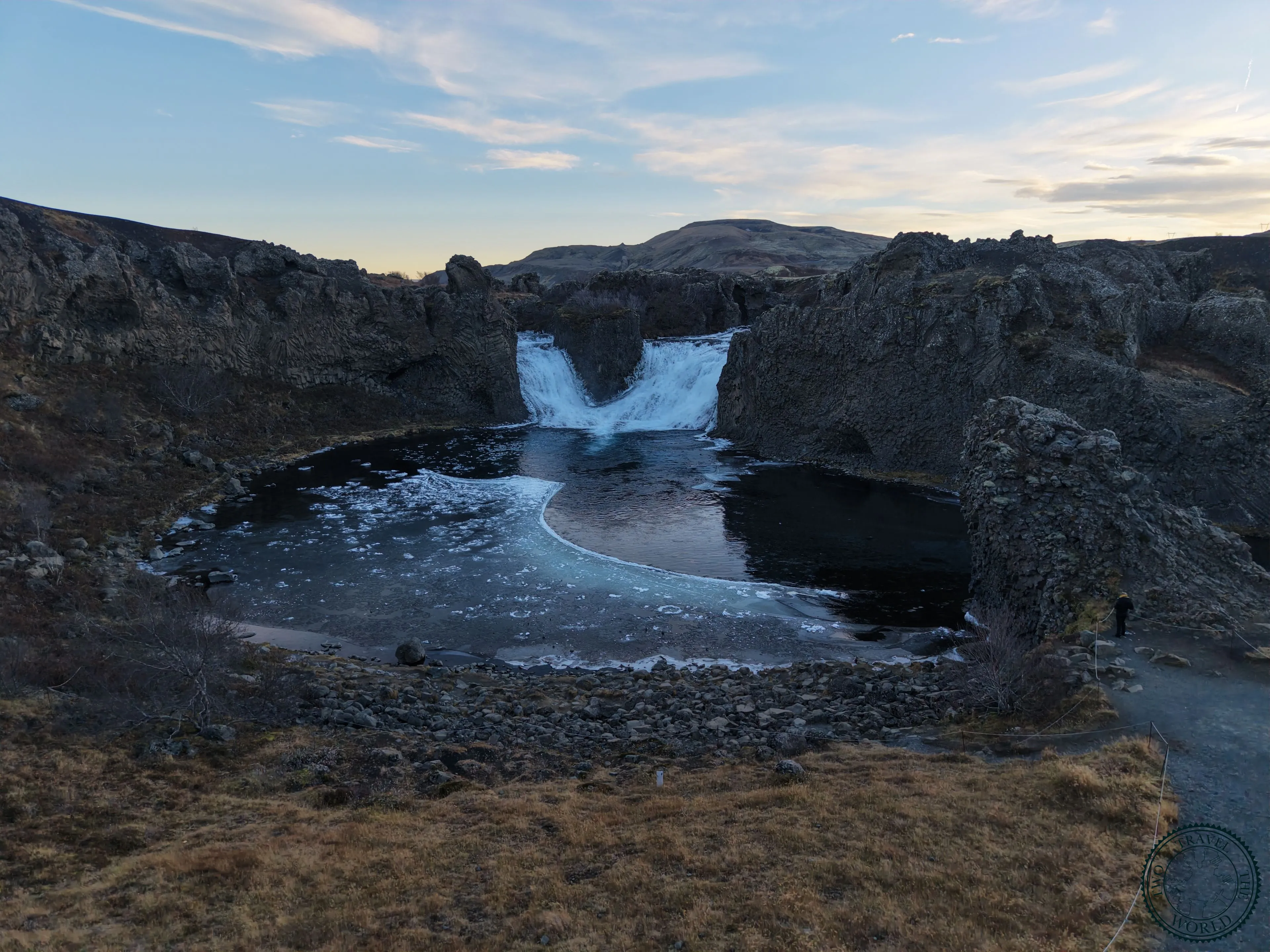
Hjálparfoss
Two streams merge and drop over a ledge of hexagonal basalt columns into a shared pool — Hjálparfoss is compact, easy to reach by regular car, and one of the most photogenic stops in the Þjórsárdalur valley.
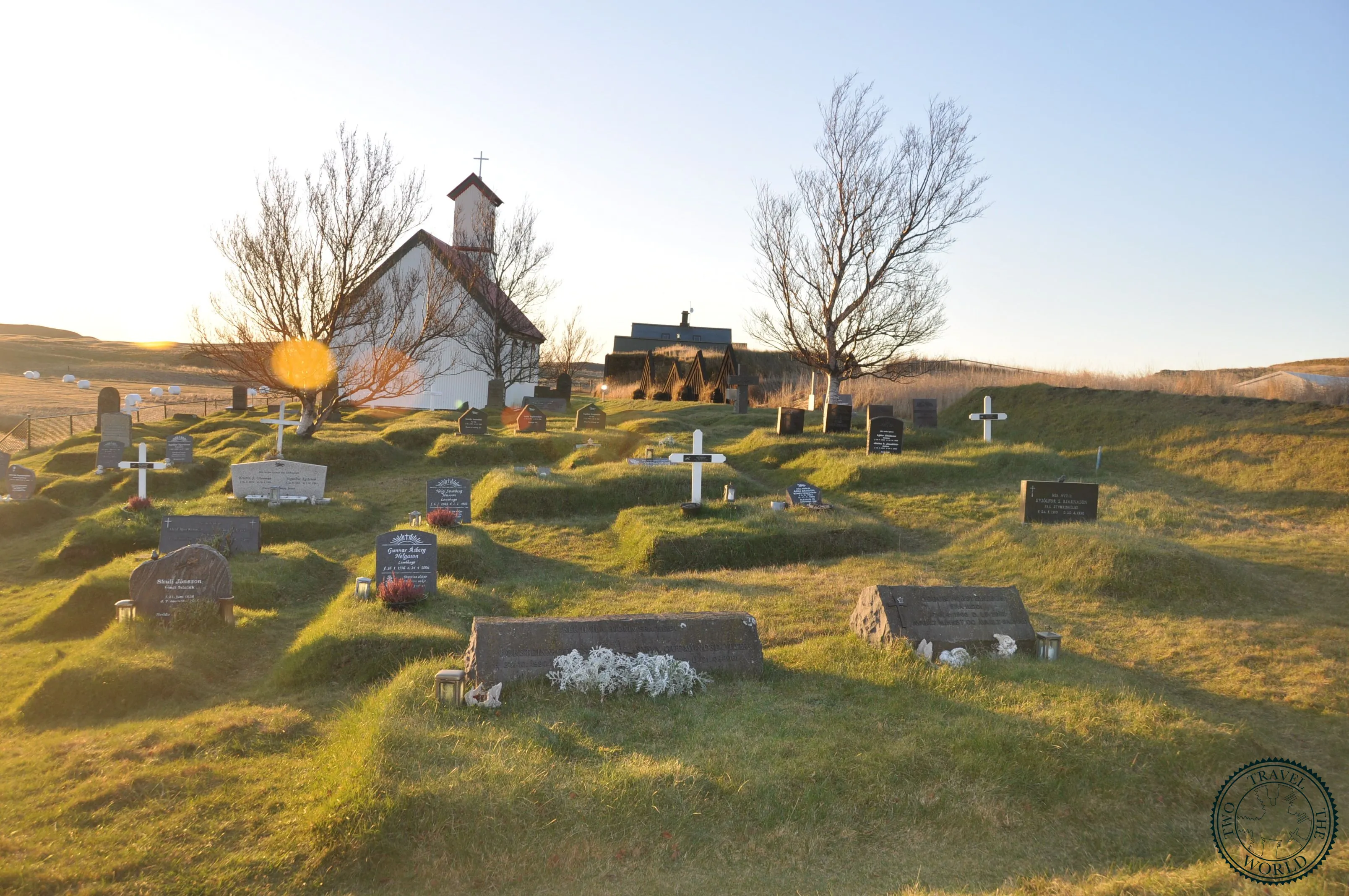
Keldur Turf Houses
Keldur is the oldest fully standing turf farmhouse in Iceland — a cluster of grass-roofed buildings dating to the 12th century, connected by an underground stone tunnel, in the heart of Njáls Saga country.

Kvernufoss
Kvernufoss is a 30-metre waterfall hiding in a gorge just a 15-minute walk from Skógafoss — you can walk behind the curtain of water through a natural alcove, and most days you'll have it almost entirely to yourself.
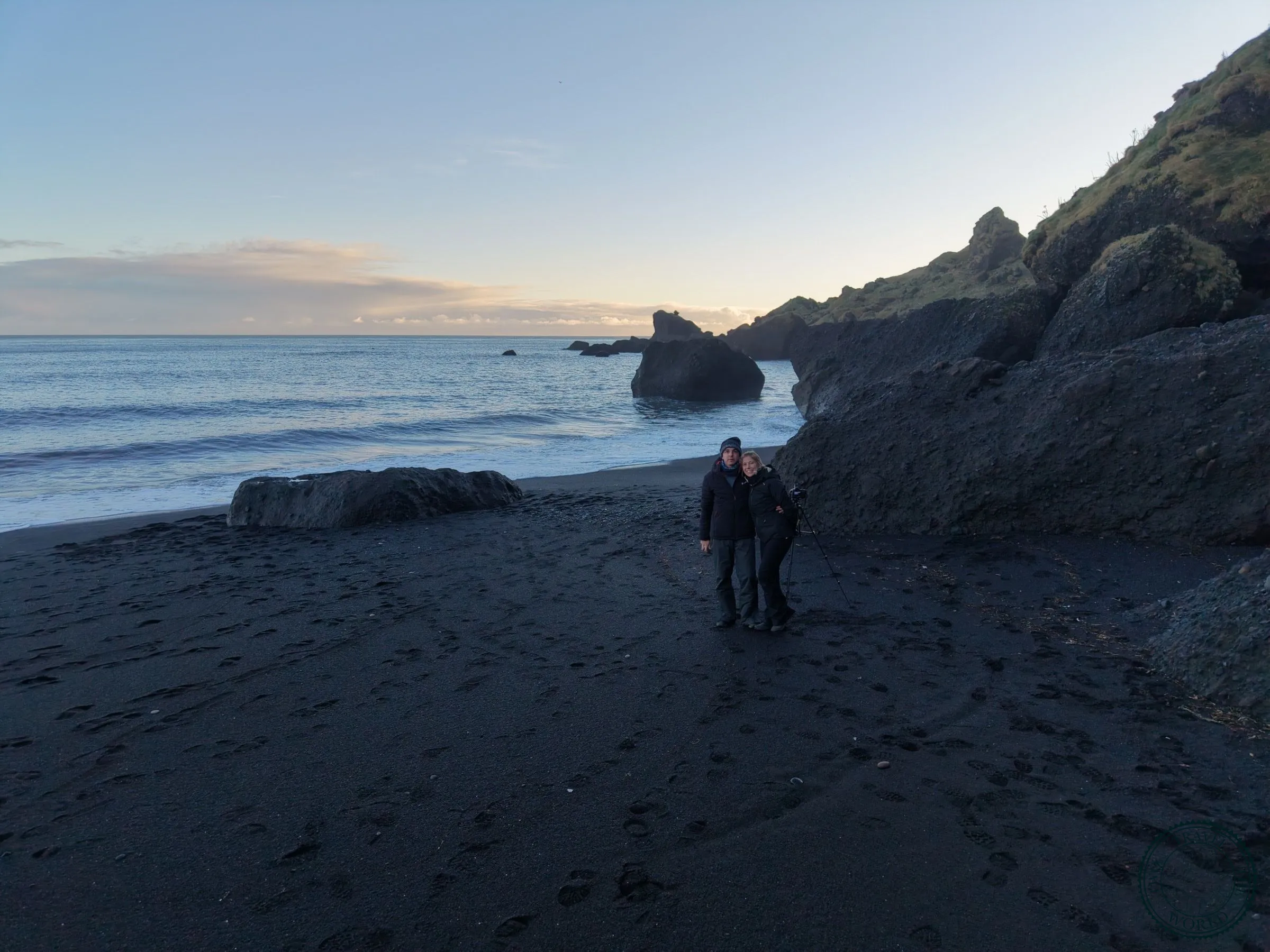
Reynisfjara Black Sand Beach
The basalt columns look like a giant pipe organ, the Reynisdrangar sea stacks rise from the surf like frozen trolls, and the sneaker waves will absolutely knock you off your feet if you turn your back on the ocean. Reynisfjara is magnificent and it demands respect.
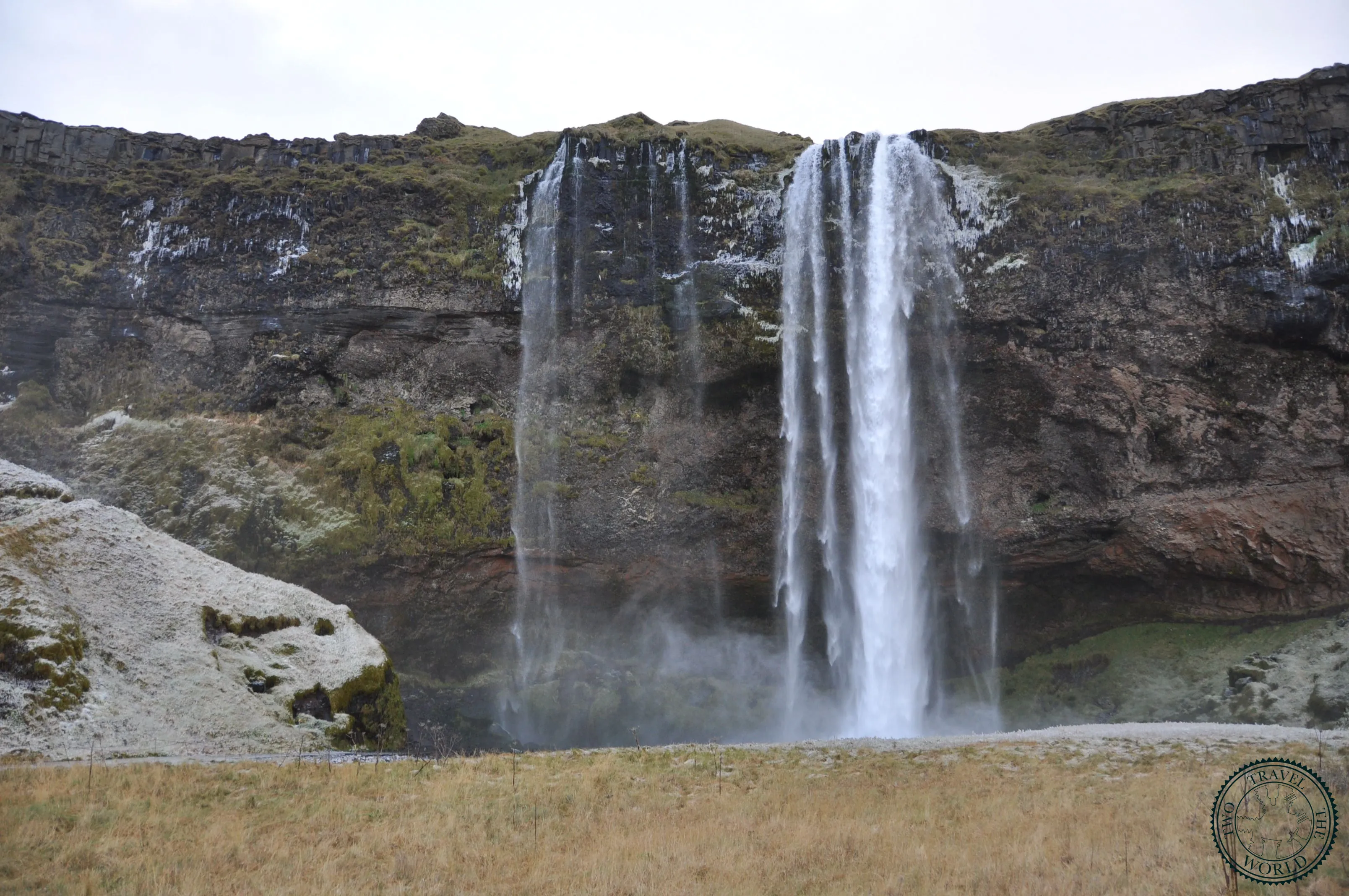
Seljalandsfoss
Seljalandsfoss is the waterfall you can walk behind — a 60-metre curtain of water fed by the Seljalandsá river, with a path that loops completely around the cliff face through spray, wind, and some of the best angles in Iceland.

Skógafoss
Skógafoss is a 60-metre wall of water so powerful it produces a permanent rainbow on sunny days — stand at its base and feel the ground shake, then climb 527 steps beside it for views all the way to the coast and the start of the Fimmvörðuháls trail.