Salento · Thursday 12 April 2018Thu 12 Apr 2018
Valle de Cocora: Hiking Colombia's Wax Palm Valley
The Valle de Cocora, or Cocora Valley, was the highlight of our trip to Salento in Colombia's coffee region, Eje Cafetero.
Words DavidPhotos KroHostelHikingPartly Cloudy (18°C)Distance12 km$25.00Hiking · Cloud Forest · Wildlife · Coffee Region
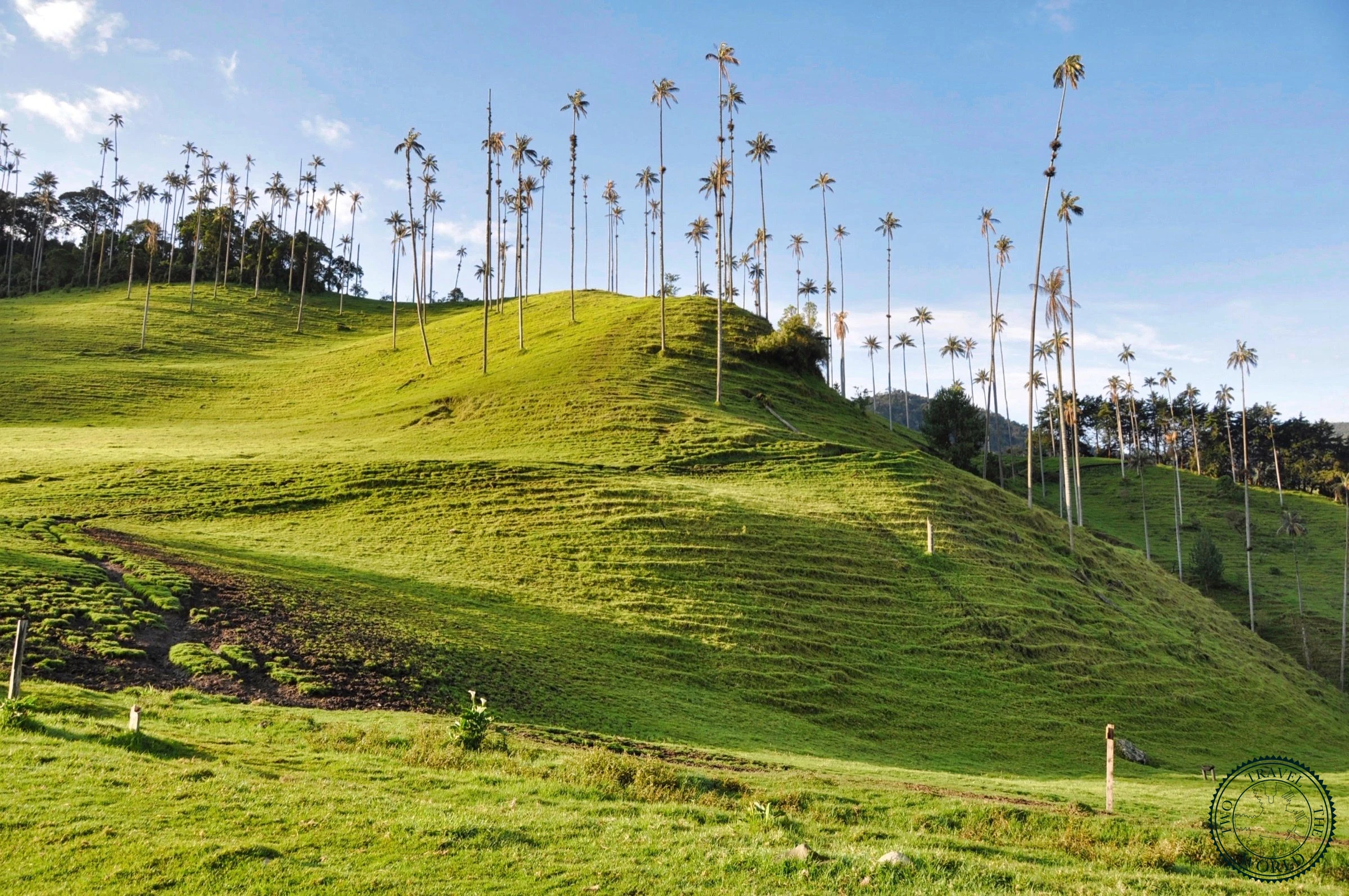
The Valle de Cocora, or Cocora Valley, was the highlight of our trip to Salento in Colombia's coffee region, Eje Cafetero. The hike was bucket list-worthy, and it didn't disappoint. The main reason the trek was popular was the giant Colombian wax palms, but there was so much more to explore.
Getting to the Valle de Cocora
We caught one of the shared jeeps, called Willys, that were leaving every hour from the central plaza - the main square in Salento. They were cheap. We paid 4,000 COP each and left with the first ride at 6:30 AM. Theoretically, jeeps were leaving from 6:30 AM to 2:30 PM every hour. In practice, they usually rode off once they had 8 to 12 passengers - 2 in front, 6-8 at the back, and 2 standing outside.
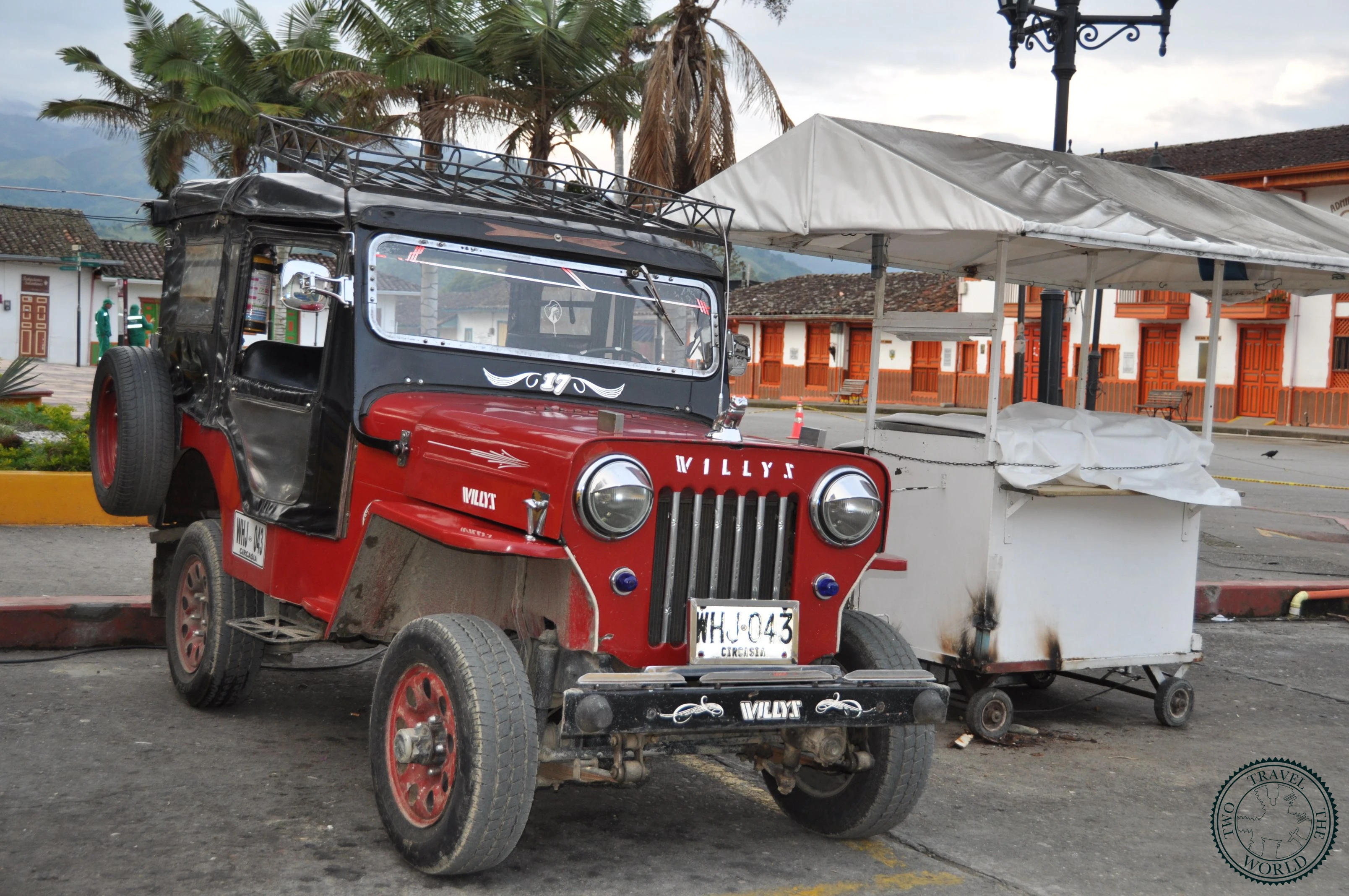
The ride took about half an hour through the beautiful countryside - farms, green pastures, happy cows and a few famed palm trees here and there. The truck dropped us off at the trailhead of the Valle de Cocora. Most people do the long hike counterclockwise, starting from the blue gate. When the weather is cloudy, that was probably the best choice, hoping it will clear up during the day.

Choosing the Clockwise Route
The sky had a beautiful shade of blue dotted with a few puffy white clouds. We knew the weather could quickly change, and we didn't want to take the risk. Therefore, we set off straight up along the paved road up to the Bosque de las Palmas. In other words, we elected to hike the long loop clockwise starting by the giant palms of the Valle de Cocora. A gentleman explained to us, in Spanish, the trail and invited us to pay the entrance fee of COP 3,000. We got confused with the information, but we had a map drawn by our hotel receptionist. So what could go wrong?
The Majestic Wax Palms
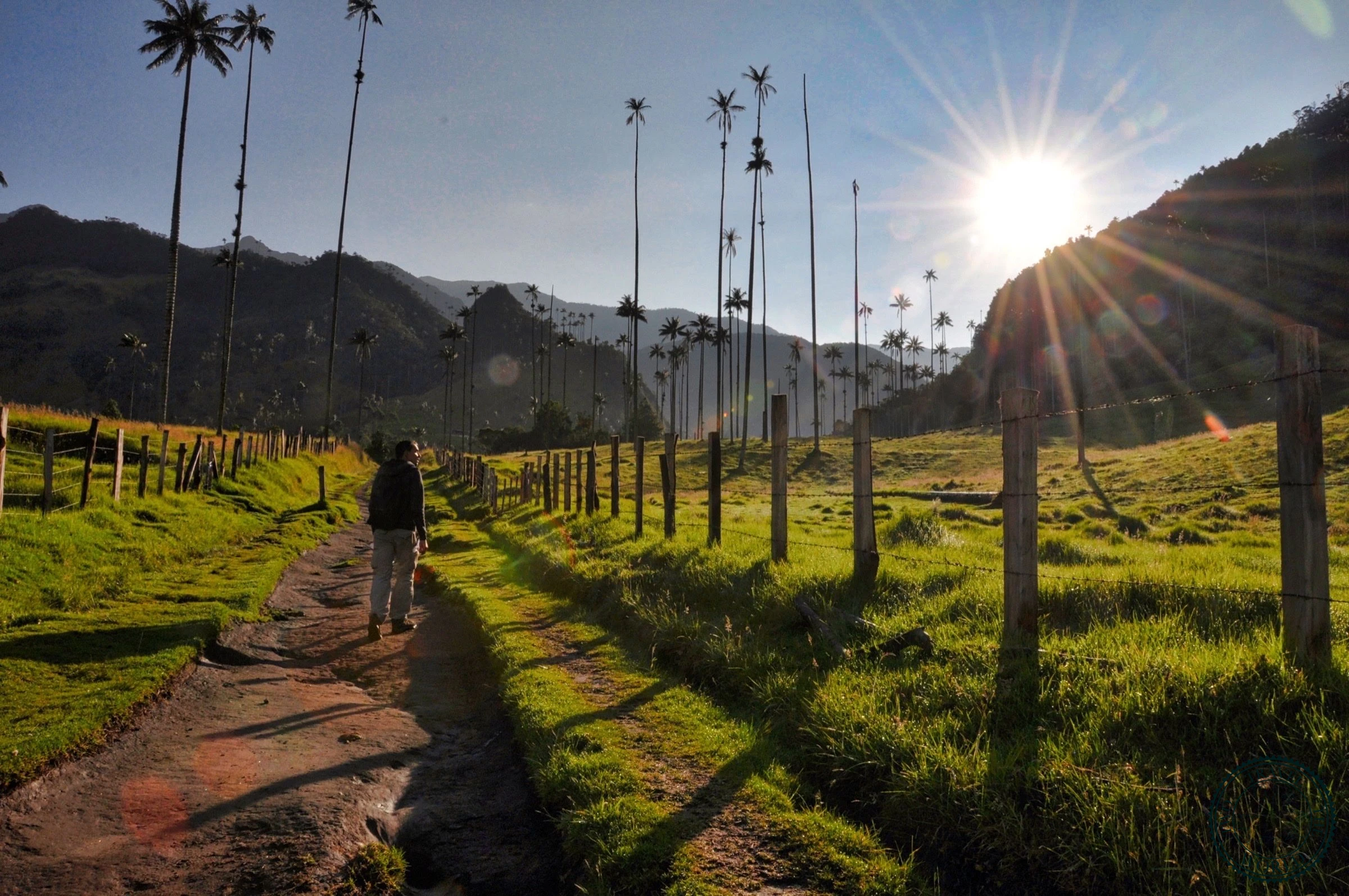
After 30 minutes, we were walking amongst the world's tallest palm trees, growing up to 65 meters. The ones around us were shooting up 50 meters into the air. The iconic wax palms also happen to be the national tree and the symbol of Colombia, even though it's technically (or botanically) not a tree. The scenery was stunning and unique. The impressive giants only grow in rare places like the Valle de Cocora.
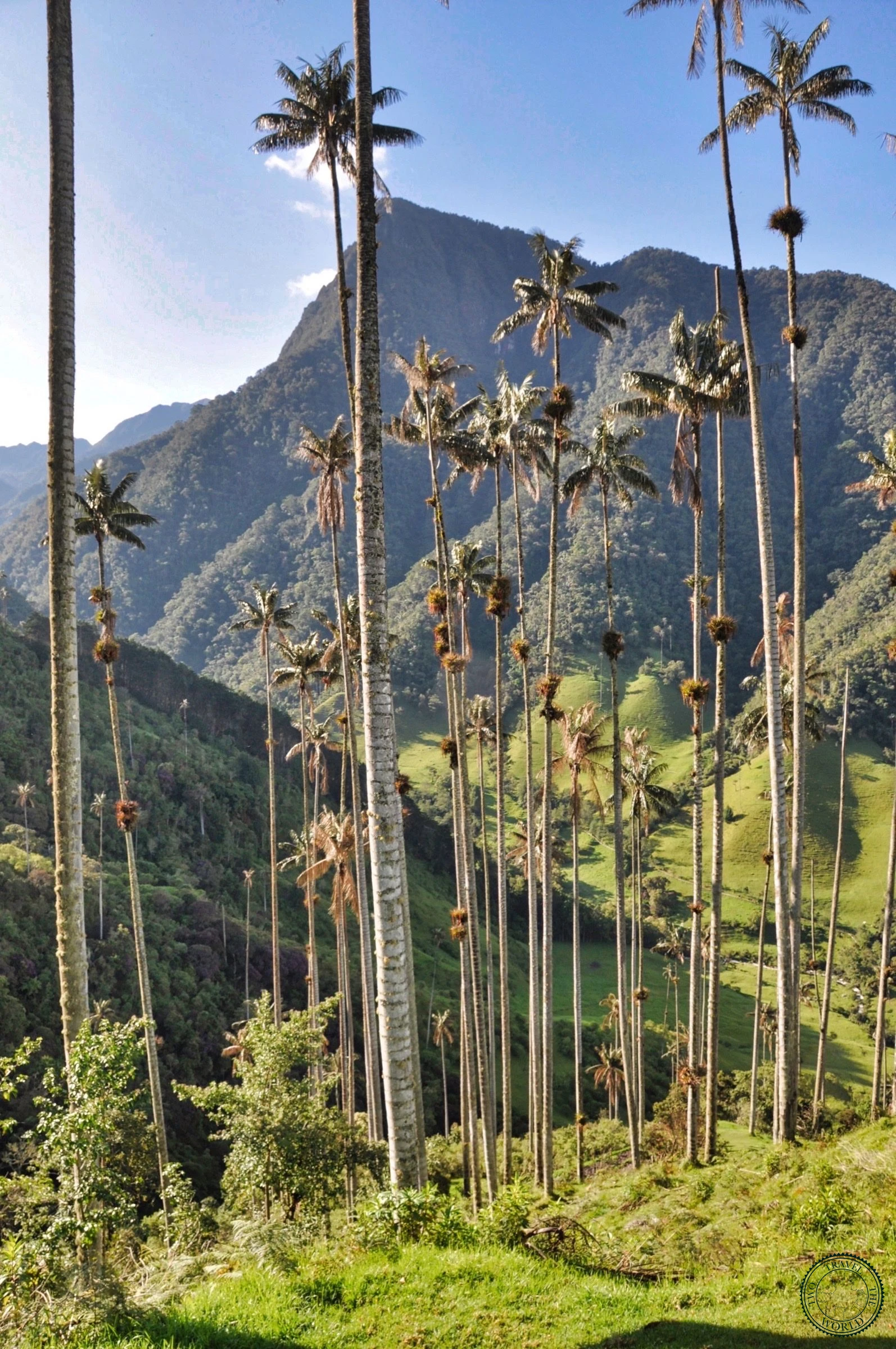
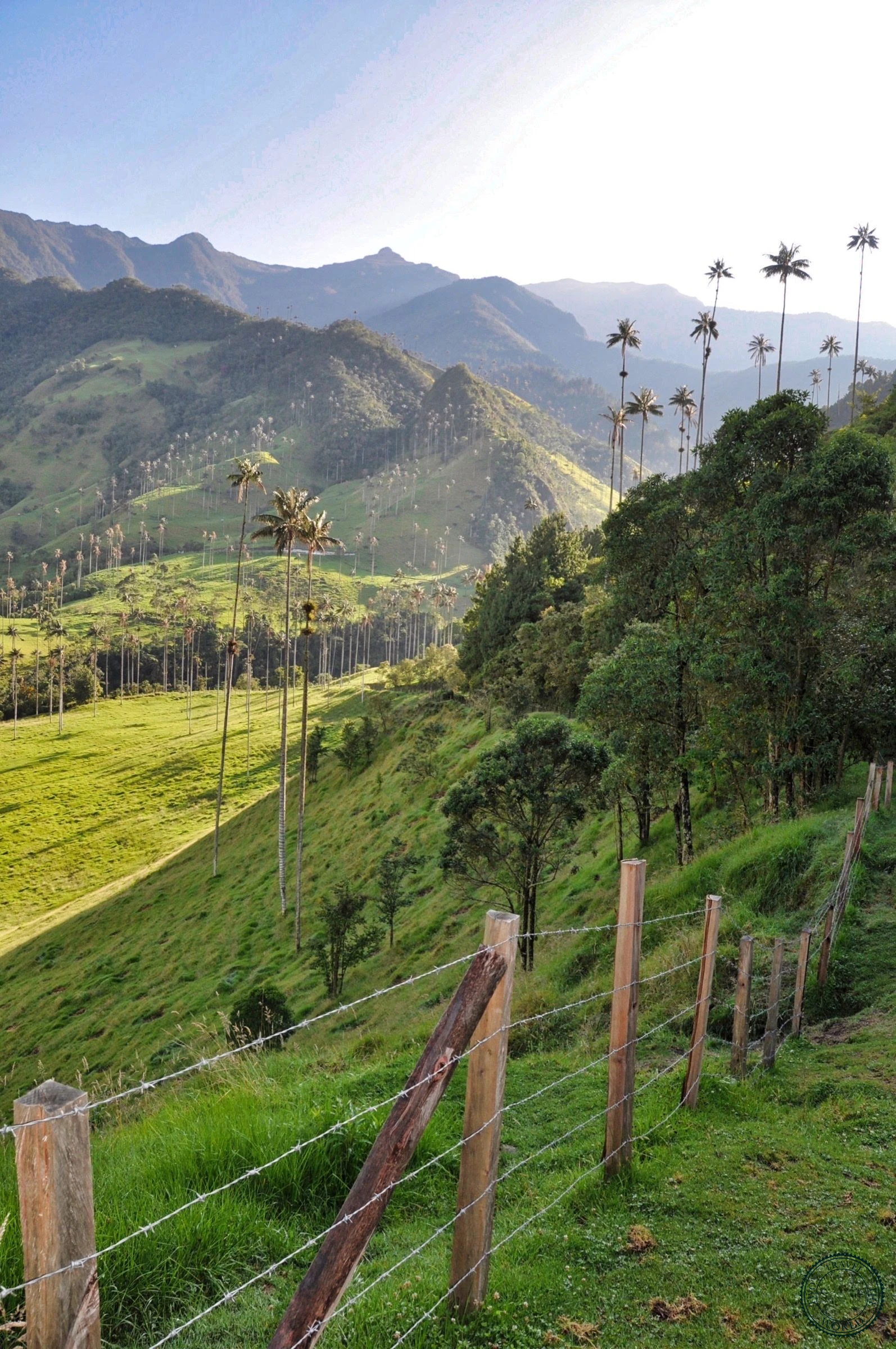
We carried uphill for another hour to get an elevated view of the giants. The view of those monumental plants towering from the bright green field was postcard-perfect material. A few miradors, on the right-hand side of the trail, provided different lookout points of the Cocora Valley, the enticing rolling green hills dotted with hundreds of wax palms.
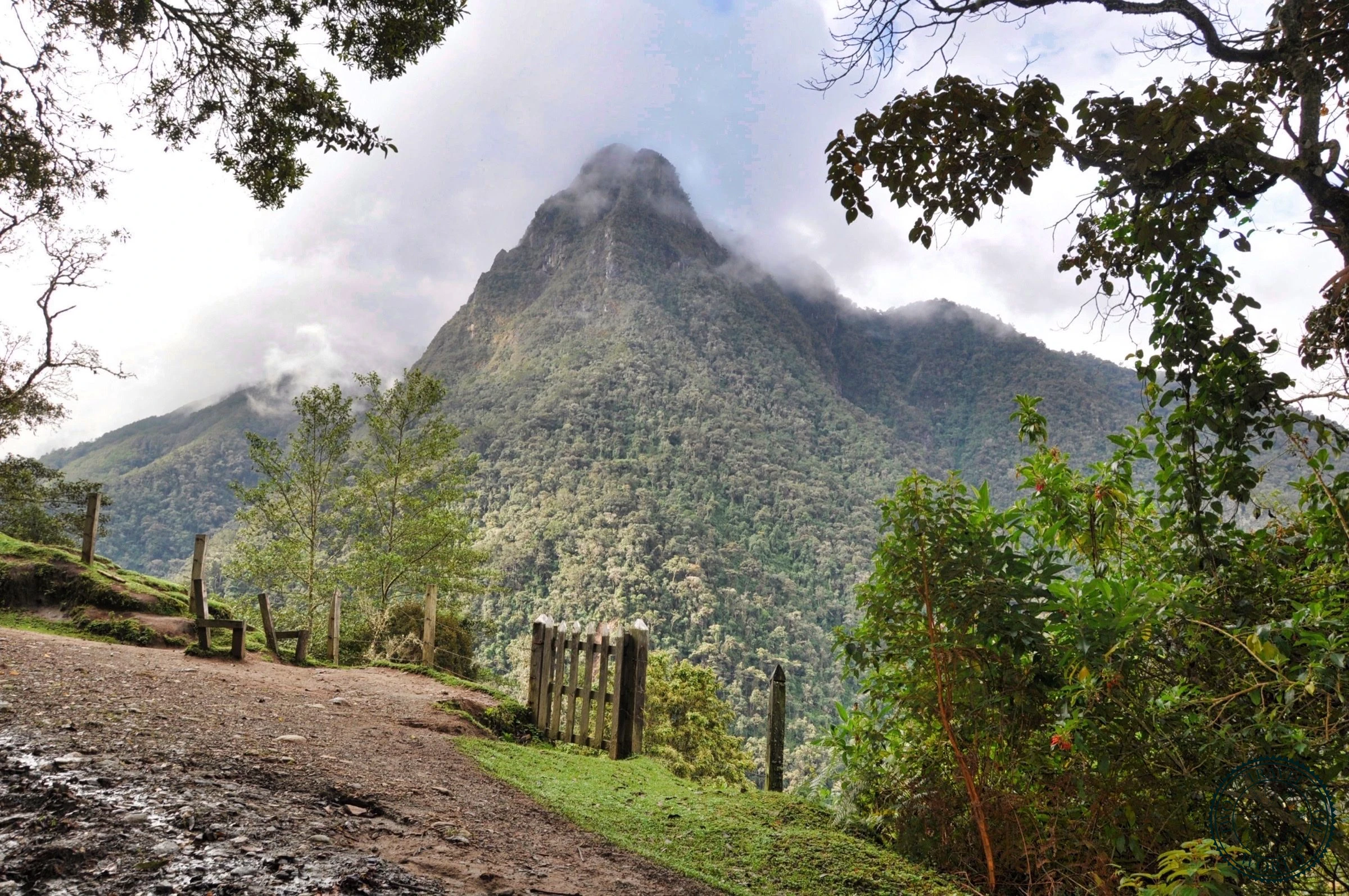
Into the Cloud Forest
After entering the cloud forest, we made our way up to Finca La Montaña. Since the Cocora Valley was part of the Los Nevados National Natural Park, the hike provided a variety of scenery along the walk - ample green fields, lush tropical vegetation, rolling mountains, creeks, and waterfalls.


Suddenly we heard an angry dog barking. We knew we arrived at the coffee farmhouse located at the top of the mountain. We were confused on how to continue the trail. The sign for ACAIME was pointing to the right. But instead, we had to open the door and walk down the hill.
Acaime: The Hummingbird Sanctuary
Once we reached the wooden signs with "Acaime La Casa de Los Colibris" and the red arrow, we could have turned right and completed the full circle. Instead, we followed the red arrow as we wanted to visit the hummingbirds. Acaime was essentially a hummingbird sanctuary and a strategically placed coffee shop. It was one kilometer uphill off the main trail but was worth the extra effort. For COP 5,000, we were greeted with a hot drink, cheese and countless hummingbirds drinking from the sugar water feeders. We had never seen so many birds so up close.
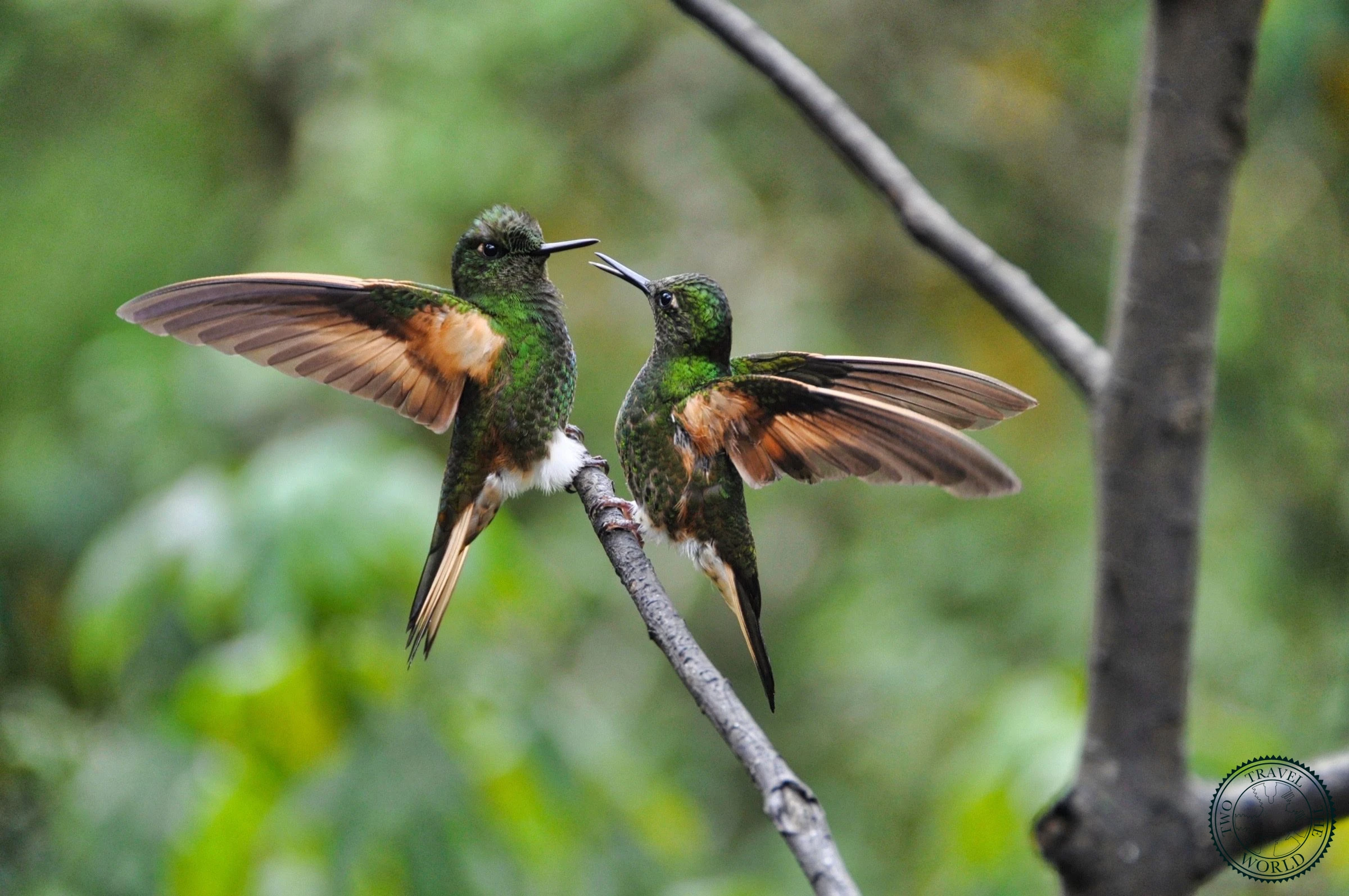
After sipping on the watery hot chocolate, chewing the piece of cheese and taking selfies (yeah, selfies) with the hummingbirds, we left the shelter and headed back towards the "red cross" section to complete the loop. We ignored the sign for 4 Estrella de Agua. You should too. We weren't going to the National Park and didn't want to get lost or add 2-3 hours to our trek.
The River Trail and Suspension Bridges

From there, the trail followed the Quindío River and turned into an uneven, muddy and rocky pathway full of rocks, horse manure and puddles. We crossed five old rickety suspension bridges made of wooden planks. Walking on them was fun and scary as they would swing in both directions. We spotted travelers on horseback crossing the river.
Return Through the Palm Valley
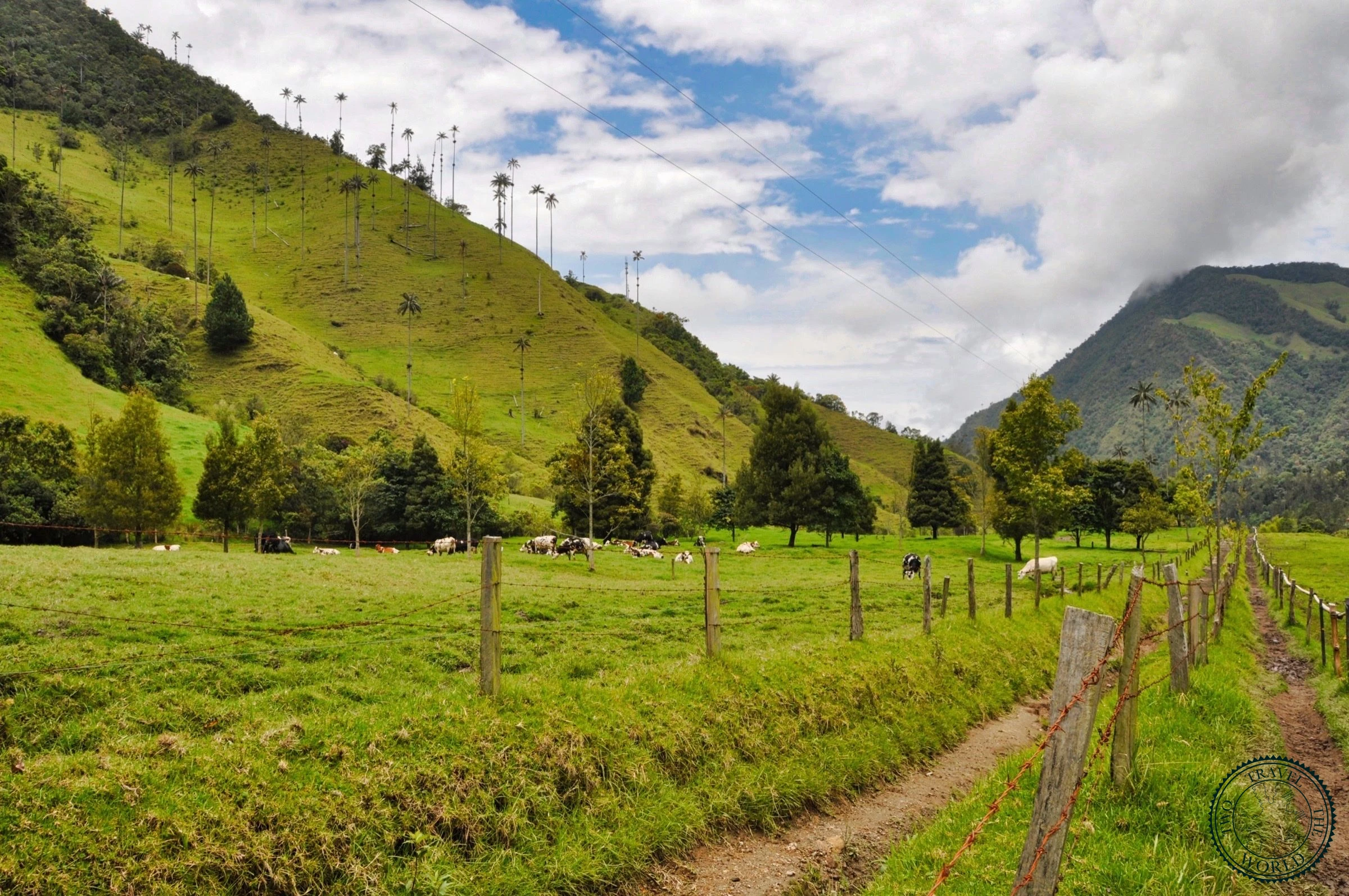
Upon leaving the dense rainforest, we entered the last section made of unbelievable green pastures lining up both sides of the trail. Once again we were surrounded by the surreal, striking landscapes sprinkled with the slender and soaring wax palms.
After a wonderful 6 hours of hiking through the Valle de Cocora, we caught a truck back to Salento from the very small parking lot.
Have you hiked the Valle de Cocora? Did you go clockwise or counterclockwise? Did you visit the hummingbird sanctuary at Acaime? Leave us your comments below. We would love to hear from you.
Tips for Hiking the Valle de Cocora
- 3 hiking options: Clockwise loop (easier uphill, muddy downhill), counterclockwise loop (steep uphill, save best for last), or short visit to palm viewpoint only (1 hour).
- The full loop takes 5-6 hours. Start early (6:30 AM jeep) to beat afternoon clouds and rain.
- Costs: Willy jeep from Salento 4,000 COP each way, clockwise entrance 3,000 COP, counterclockwise entrance 2,000 COP, Acaime hummingbird sanctuary 5,000 COP (includes hot drink and cheese).
- Clockwise route: Best if weather is clear when you arrive. See wax palms first in case clouds roll in. Entrance: 3,000 COP.
- Counterclockwise route: More challenging uphill but saves the best palm scenery for the end. Good if cloudy morning. Entrance: 2,000 COP.
- Acaime detour: 1 km uphill off main trail but worth it for close-up hummingbird encounters. Skip the 4 Estrella de Agua sign to avoid getting lost.
- Bring: Waterproof jacket, good hiking boots (trail gets muddy), water, snacks, camera. The suspension bridges can be slippery!
- Willy jeeps leave Salento's main plaza hourly from 6:30 AM to 2:30 PM, but actually depart when they have 8-12 passengers. Last return jeep around 4-5 PM.
- Weather changes rapidly! Morning sun can turn to afternoon rain. Even if sunny, bring rain gear.
Where to Stay in Salento?
- budgetBeautiful eco-farm hostel located outside town with stunning valley views. Includes breakfast, hammocks, and a peaceful atmosphere. Perfect for nature lovers!
- mid-rangeCharming boutique hostel in the heart of Salento with colorful colonial architecture. Great social atmosphere, coffee tours, and helpful staff with trail maps.
The Valle de Cocora hike was absolutely unforgettable. Walking amongst the world's tallest wax palms, crossing swaying suspension bridges, and getting up close with hummingbirds made this one of the best hiking experiences in Colombia. A must-do when visiting the coffee region!
Pin These Moments
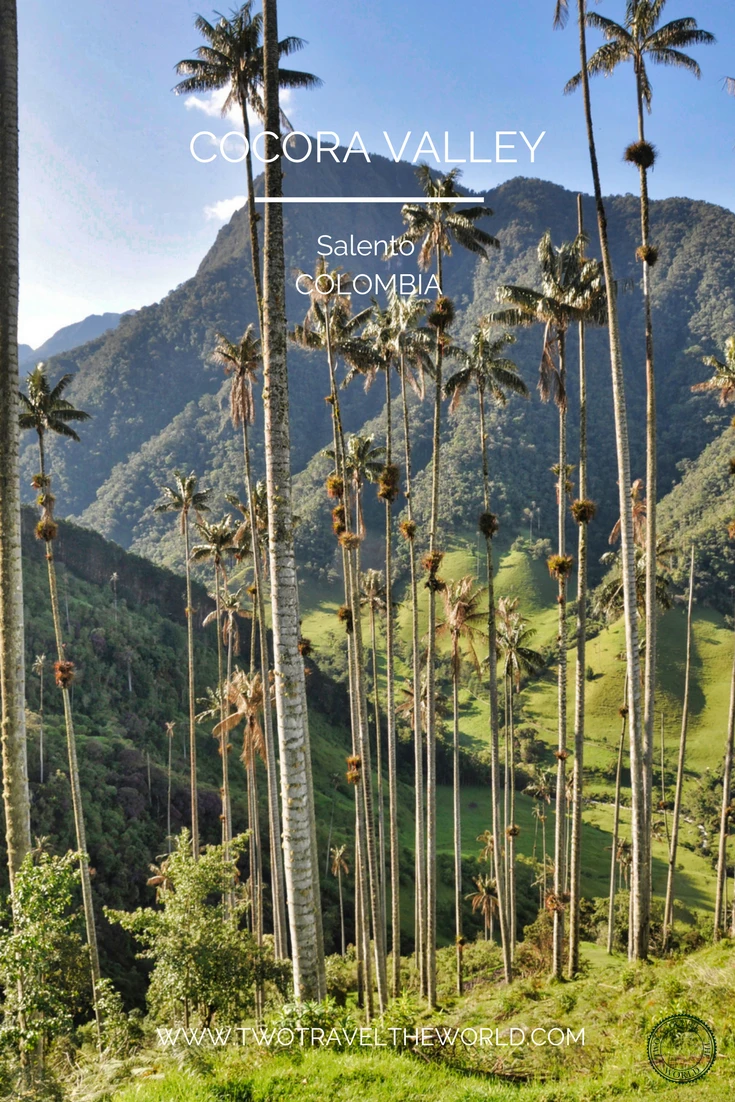
🌴 Colombia's Tallest Palms
Hike the breathtaking Valle de Cocora - home to the world's tallest wax palms towering 60+ meters in Colombia's coffee region!
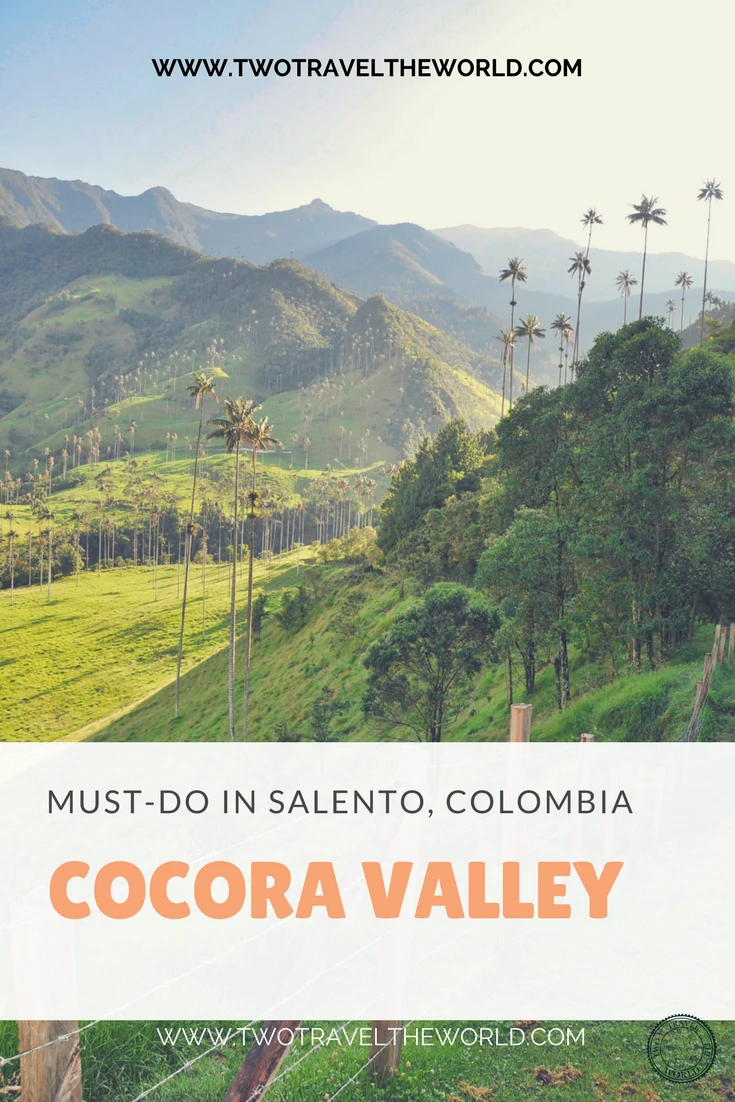
🥾 Epic Cloud Forest Adventure
The complete guide to hiking Valle de Cocora - suspension bridges, hummingbirds, and postcard-perfect palm valleys near Salento!

🇨🇴 Colombia's Natural Wonder
Experience the iconic wax palms of Valle de Cocora - Colombia's national tree in one of the world's most stunning hiking destinations!