Paracas · Saturday 21 April 2018Sat 21 Apr 2018
The Inside Guide to the Ballestas Islands of Peru
We set off early for a boat trip around Peru's mini version of the Galapagos, the infamously nicknamed 'Poor Man's Galapagos' - the Ballestas Islands of Peru.
Words DavidPhotos KroHostelSpeedboatSunny (18°C)Distance10 km$35.00Wildlife · Boat Tour · Photography · Nature Reserve
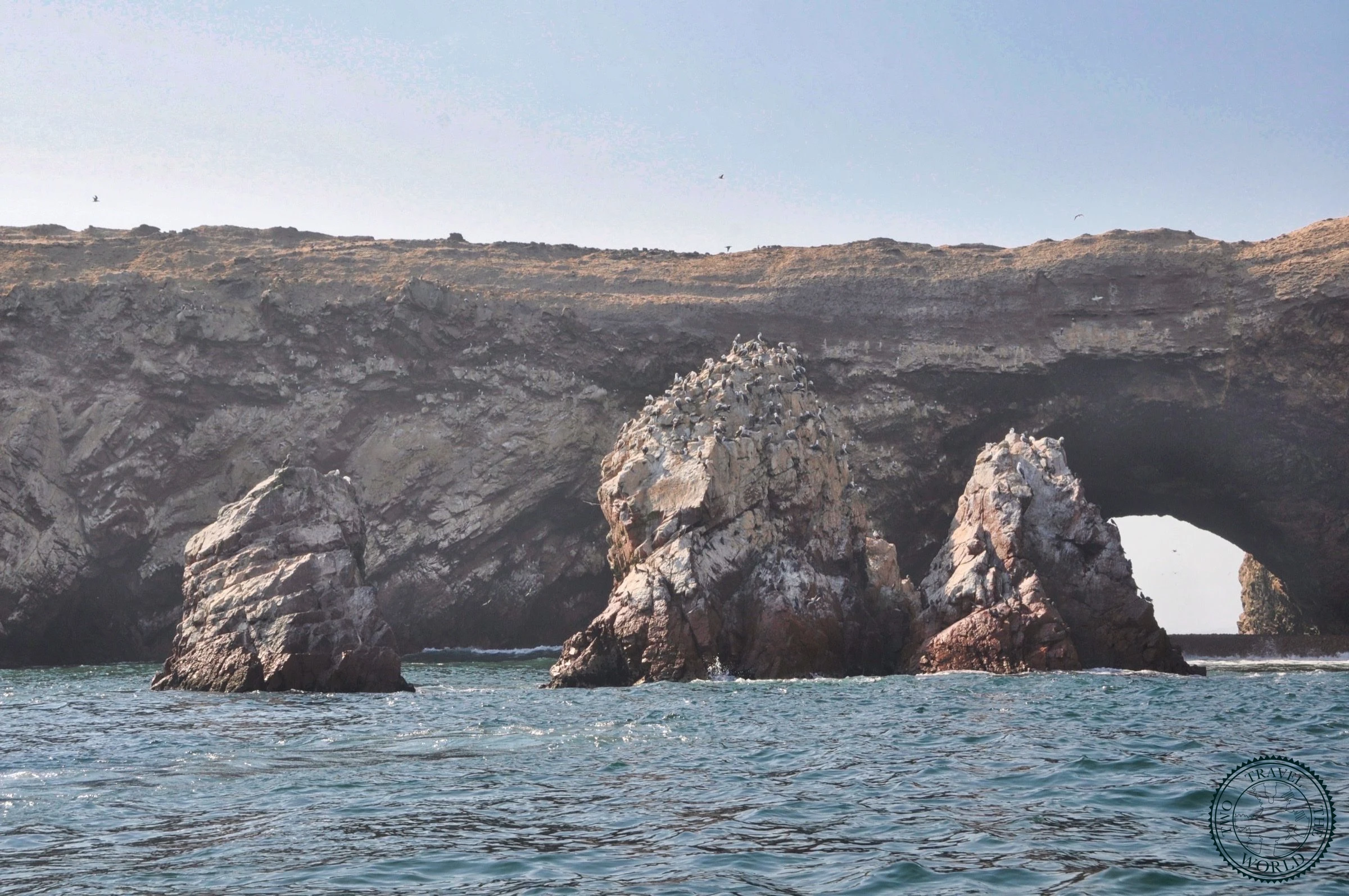
We set off early for a boat trip around Peru's mini version of the Galapagos, the infamously nicknamed 'Poor Man's Galapagos' - the Ballestas Islands of Peru.
Early Morning Departure
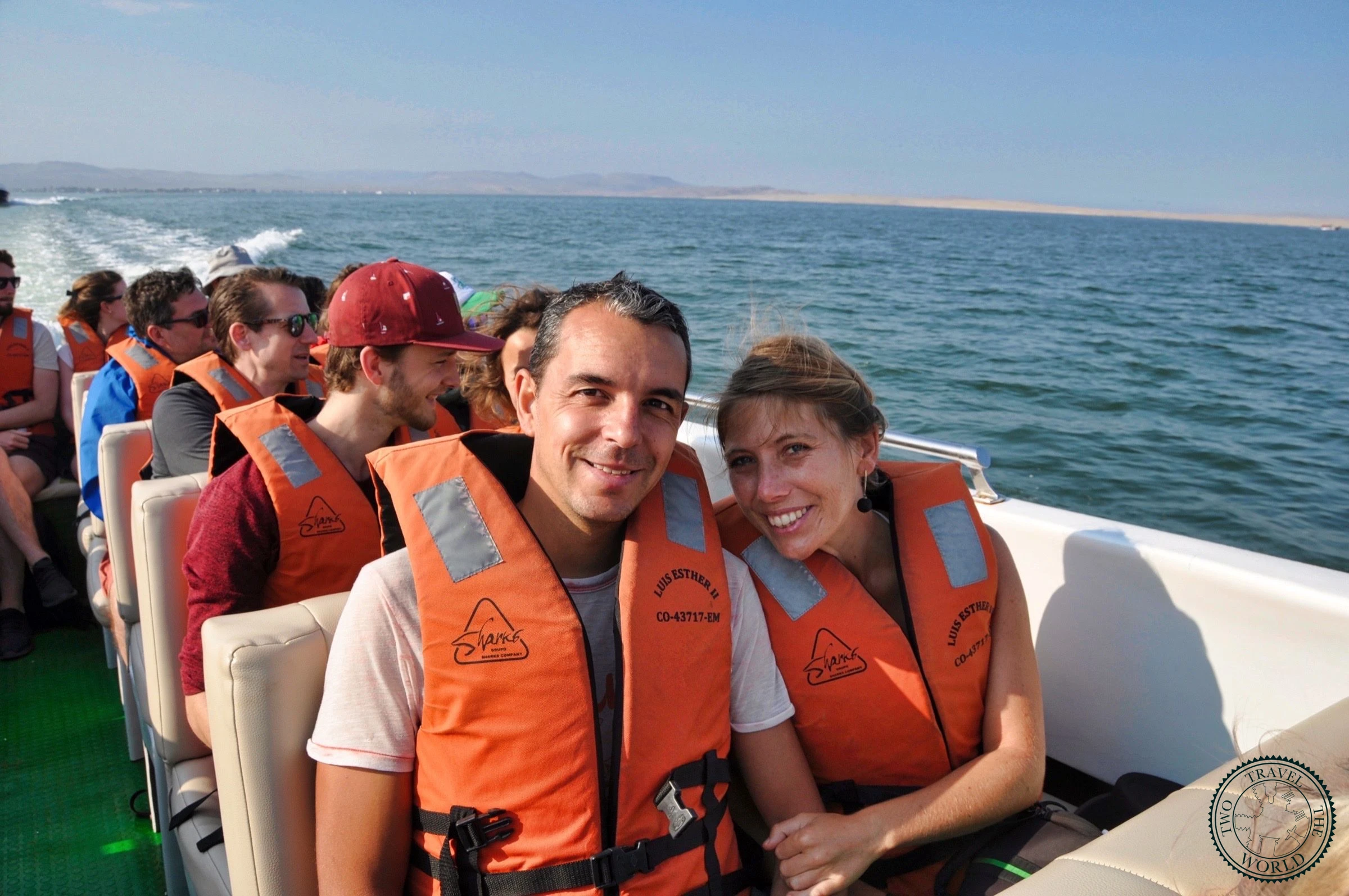
We hopped aboard a Paracas Explorer speedboat for a 2-hour wildlife watching tour just a few kilometers off the Peruvian western coast, outside the perimeter of the Paracas National Reserve we cycled the day before. The Ballestas Islands tours departed at 8:00 AM and 10:00 AM. We booked the first time slot. Early morning meant gentle lapping waves. With another 40 impatient fellow travelers, we cruised off into the Pacific Ocean. The embarkation was modern. We couldn't help but notice that most of the life jackets were stained with bird poop. Hopefully, we would escape the dreadful poop-dropping.
The Mysterious El Candelabro
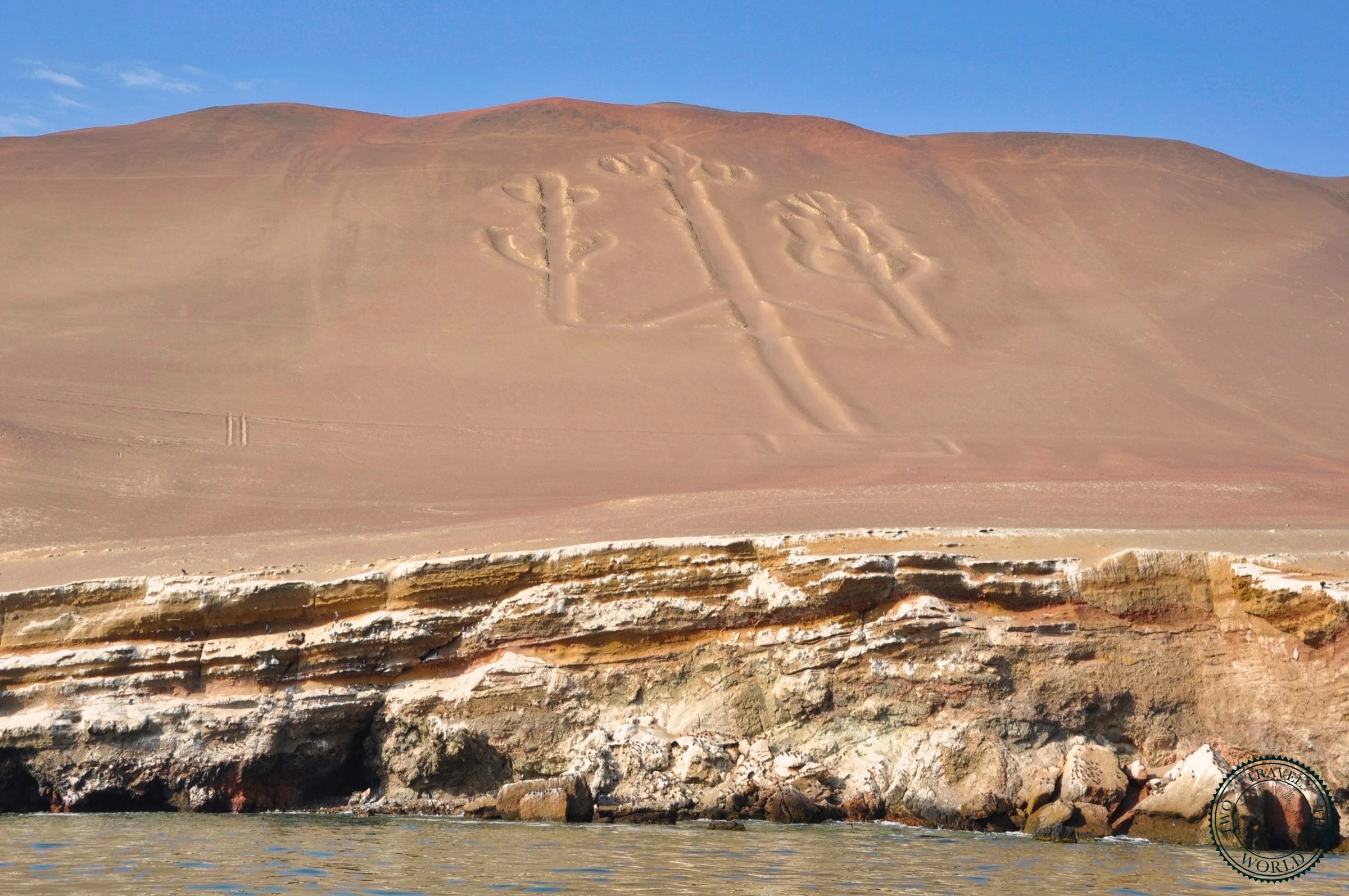
The Ballestas Islands tour guide first stopped at the enigmatic El Candelabro, a giant pre-Inca geoglyph (183 meters) which rests on the side of a coastal hill. The ancient ground-carving remains a bit of a mystery to this day. The unique symbol can't be found anywhere else in South America and is not part of the Peruvian culture. Unfortunately, the large motif was slowly fading away and one day will disappear. Aliens will need to come back to draw another one...
Approaching the Islands
From a distance, we saw a collection of wind-eroded islets - the Ballestas Islands - jutting out of the sea, getting bigger and bigger as we approached. As we got closer, the smell of Guano, basically seabird excrement, became more intense. The valued and efficient organic fertilizer has been mined since the 19th century and is still scraped off rocks nowadays. Today, the Guano is only harvested once every few years. The bird population has decreased compared to the past. Therefore, there is less poop to collect.
Spotting Humboldt Penguins
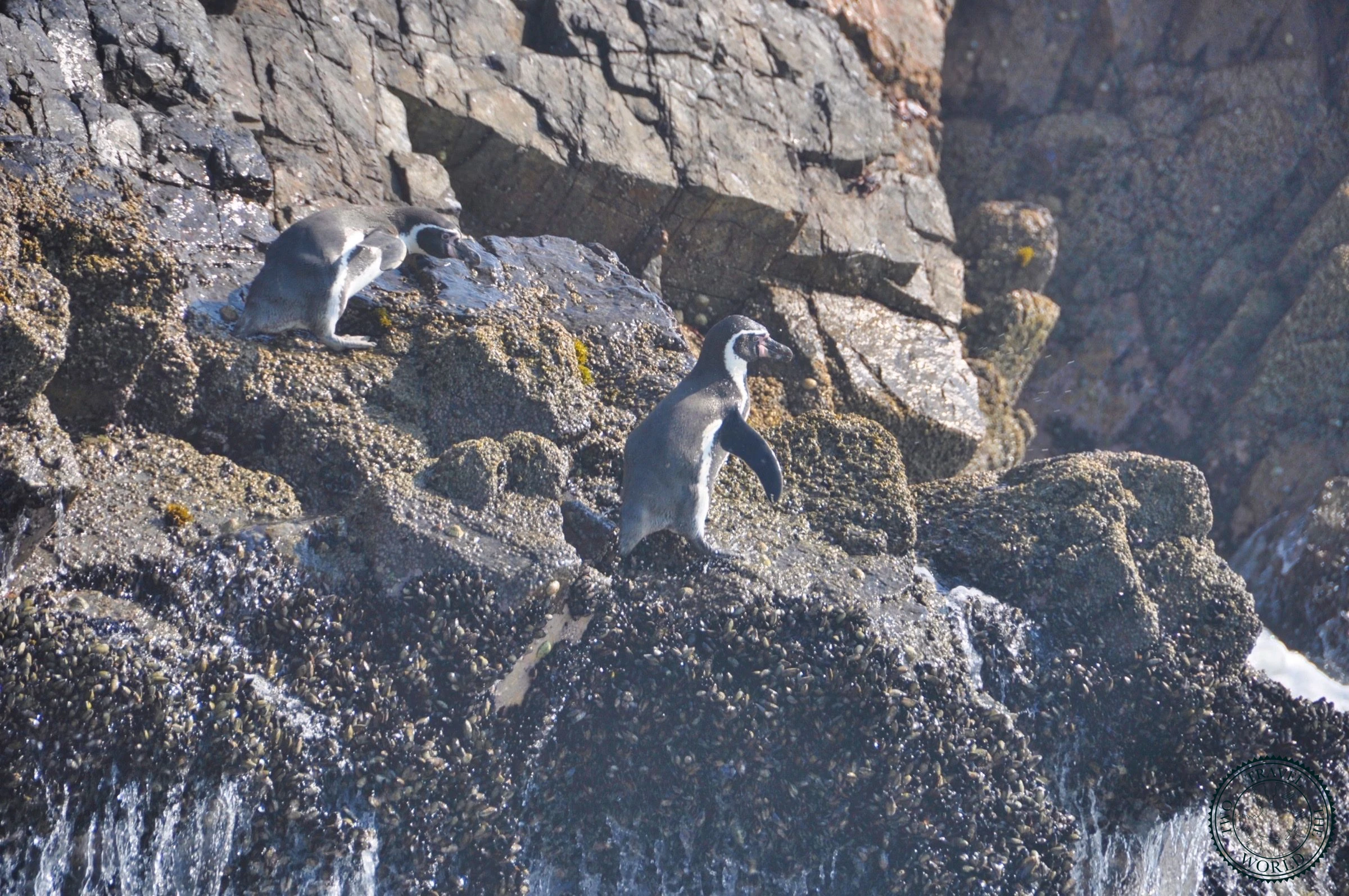
Within minutes of arrival, we spotted our first Humboldt penguins, also known as Peruvian penguins. The endangered creatures were funnily waddling on the Ballestas Islands before jumping back into the ocean. Sadly, the population of this remarkable animal has plummeted in recent years due to commercial fishing, tourist visitation (yeah, that's us), and the harvesting of Guano which they use as nesting material.
A Paradise for Seabirds
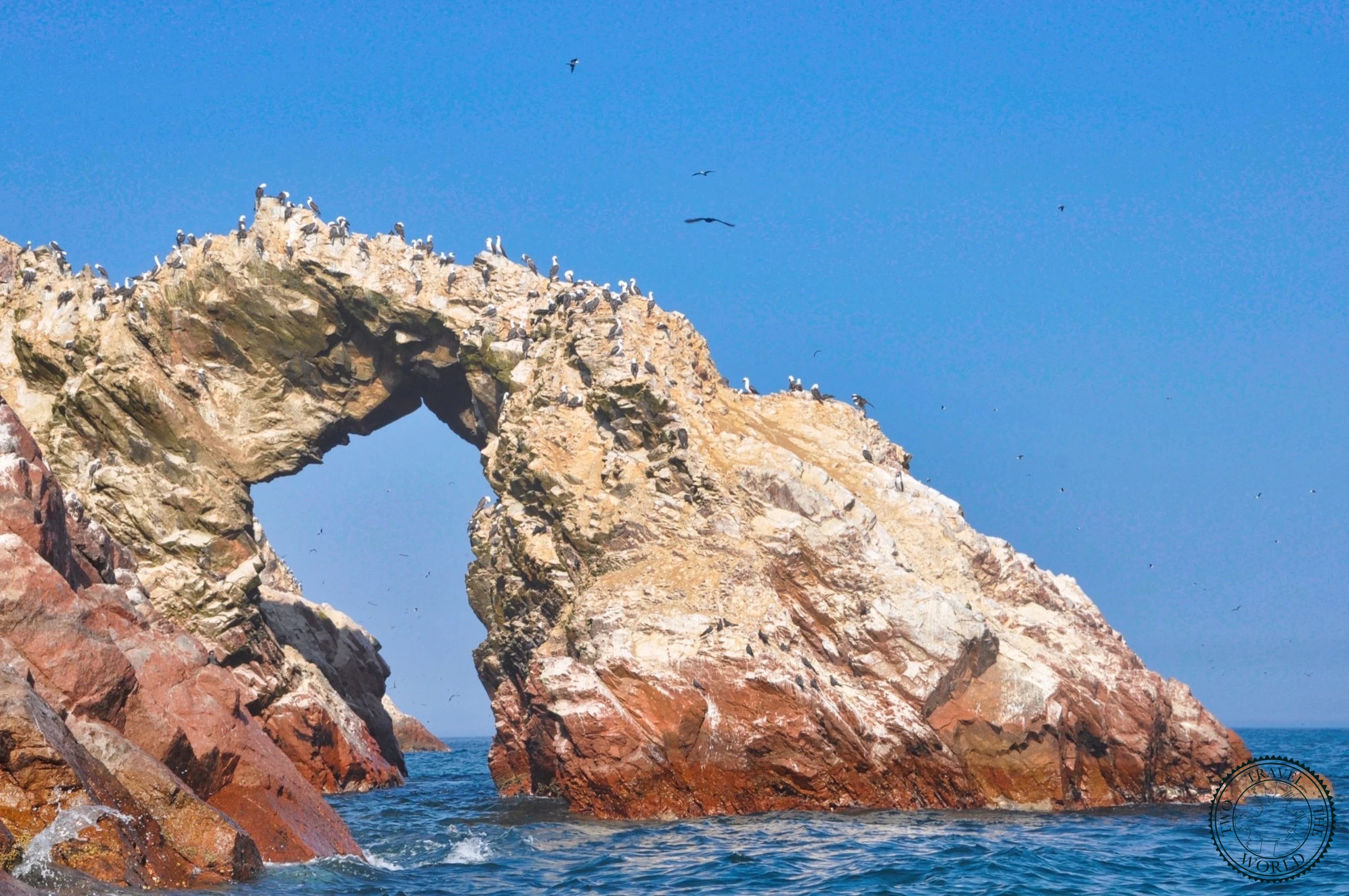
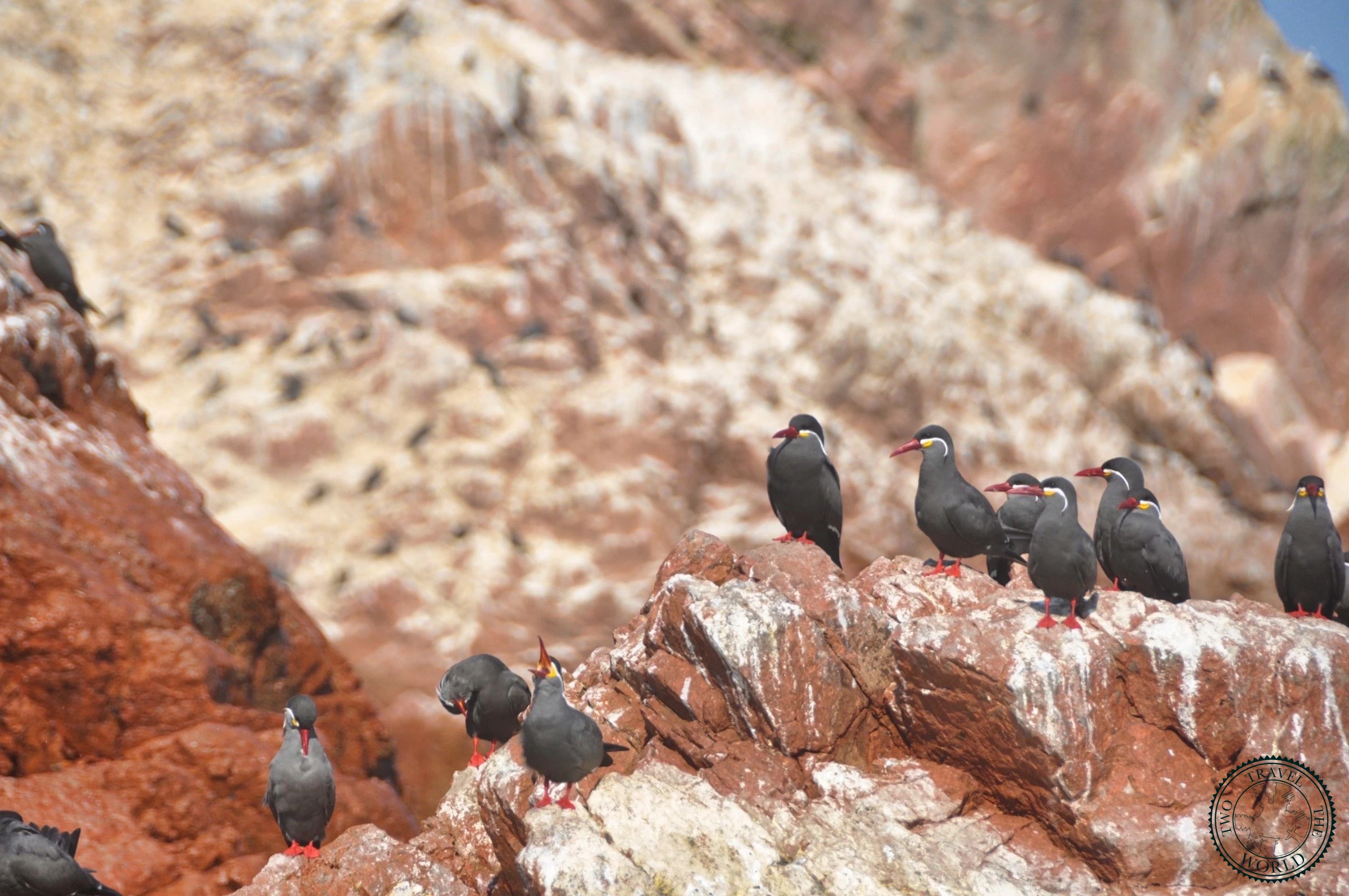
We cruised around the islands' arches and caves for an hour watching a rich variety of birds such as pelicans, vultures, Peruvian boobies, Red-legged Cormorants, Inca Terns and gulls. So many gulls. Some islets were almost completely covered in animal life. The entire region, including the Ballestas Islands, was dry where no rain will fall at all for months. Nothing grew out there. But the frigid waters had abundant plankton, mollusks and fish. Therefore, it created the perfect habitat for all those birds.
Sea Lions Basking in the Sun
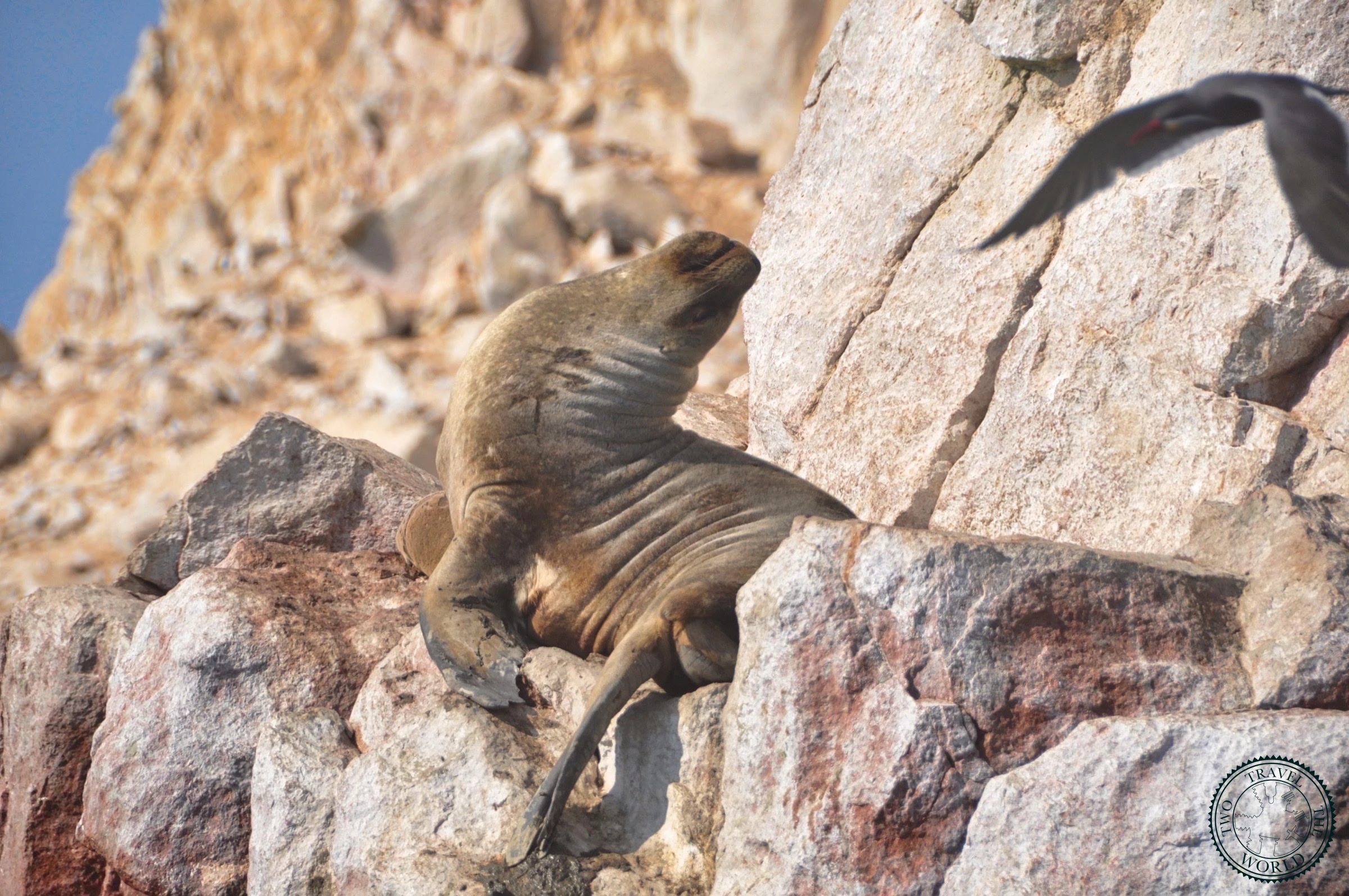
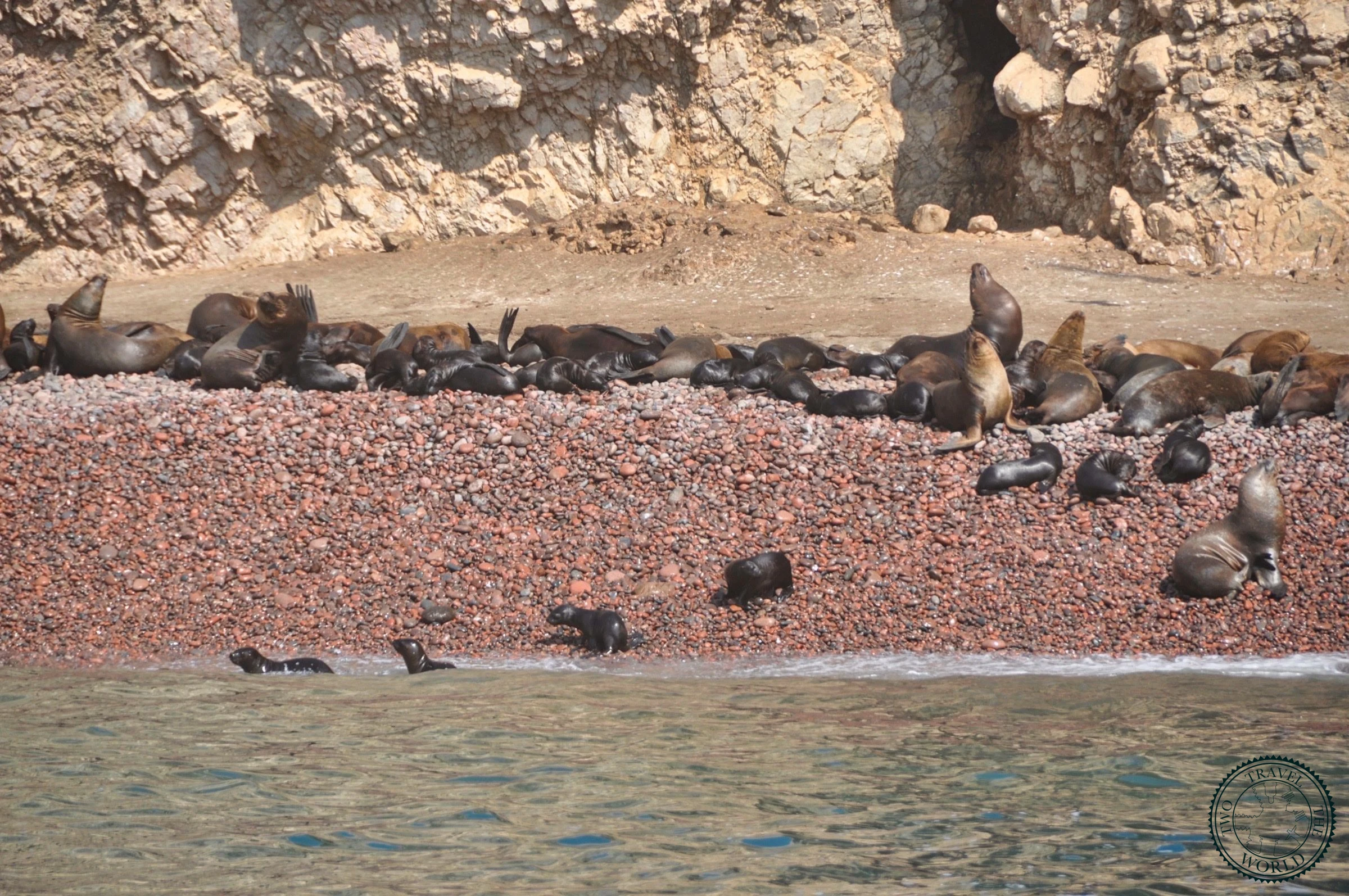
On the bank, adorable South American sea lions and their babies were basking in the warm rays of the Paracas sun. We learned that they were not seals. In fact, there are no seals in the Ballestas Islands, and for that matter in Peru. We could recognize the sea lions by their visible ear flaps. On our way back, we admired the spectacle of countless birds dive-bombing for their lunch. It was time for us to think about lunch before leaving for Huacachina.
The Verdict
Don't be a fool. The Ballestas Islands tour is touristic. We were sometimes surrounded by six other speedboats trying to get the best pictures of the animals. We still enjoyed the mind-boggling array of seabirds and the mammals, including the penguins and sea lions.
Where to Stay in Paracas?
- The rooms were nothing amazing and certainly not five stars, with dated decor and furniture, but it was cheap and everything worked well. We had cable TV, hot water and wifi included in the rate.
- The rooms were large and cozy with very comfortable beds. The 2 pools were clean, wonderful and paradisiac. The staff was welcoming and the food delicious. Try the Ceviche at Restaurante Chalana. When it came to the views, it was just splendid. Definitely worth the money spent.
Have you visited the Ballestas Islands? Did you see the Humboldt penguins? Which was your favorite wildlife encounter? What time slot did you pick? Leave us your comments below. We would love to hear from you.
Tips for Visiting the Ballestas Islands
- Book the 8 AM tour: The early morning departure has calmer seas - essential if you suffer from seasickness!
- If you're prone to motion sickness, take medication (Dramamine or Bonine) 30-60 minutes before departure. Prevention is better than treatment!
- Sit on the back left side of the boat for the best views and photo opportunities of the wildlife.
- Wear a hat: Protect yourself from falling guano (bird poop) and the strong sun. The life jackets may already be stained!
- Dress in layers - it can be hot in the sun or chilly from ocean winds. Bring a windproof jacket.
- Bring a good camera with zoom lens. The animals won't be that close and a phone camera won't capture the details.
- Tour cost: Approximately $35 USD per person for the 2-hour boat tour. Book from agencies in Paracas town.
- The islands are protected - you cannot land on them. All viewing is done from the boat, so patience and a good camera are essential!
The Ballestas Islands offer an incredible wildlife spectacle that rivals the Galapagos at a fraction of the cost. Despite the crowds, seeing Humboldt penguins, sea lions, and thousands of seabirds in their natural habitat makes this tour a must-do when visiting the Paracas region.
Pin These Moments
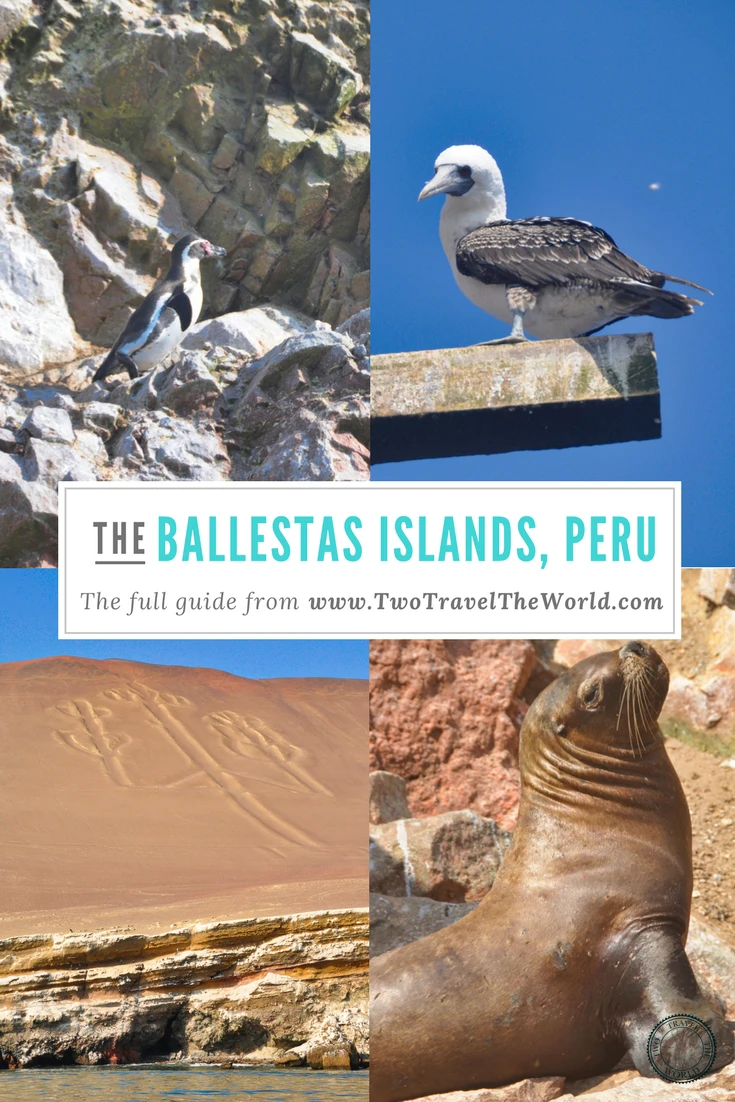
🐧 Peru's Galapagos Alternative
Discover the Ballestas Islands - home to endangered Humboldt penguins, sea lions, and thousands of seabirds just off Peru's coast!
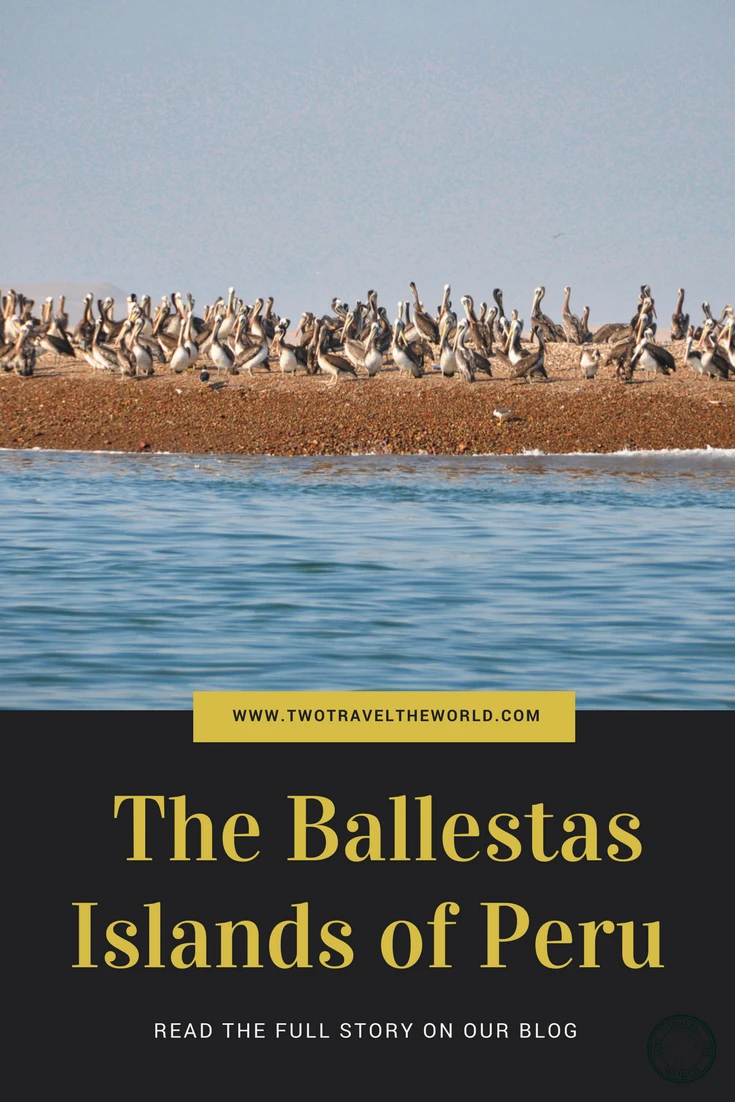
⛵ Wildlife Boat Tour Adventure
The ultimate guide to visiting the Ballestas Islands from Paracas - when to go, what to see, and insider tips for the best experience!
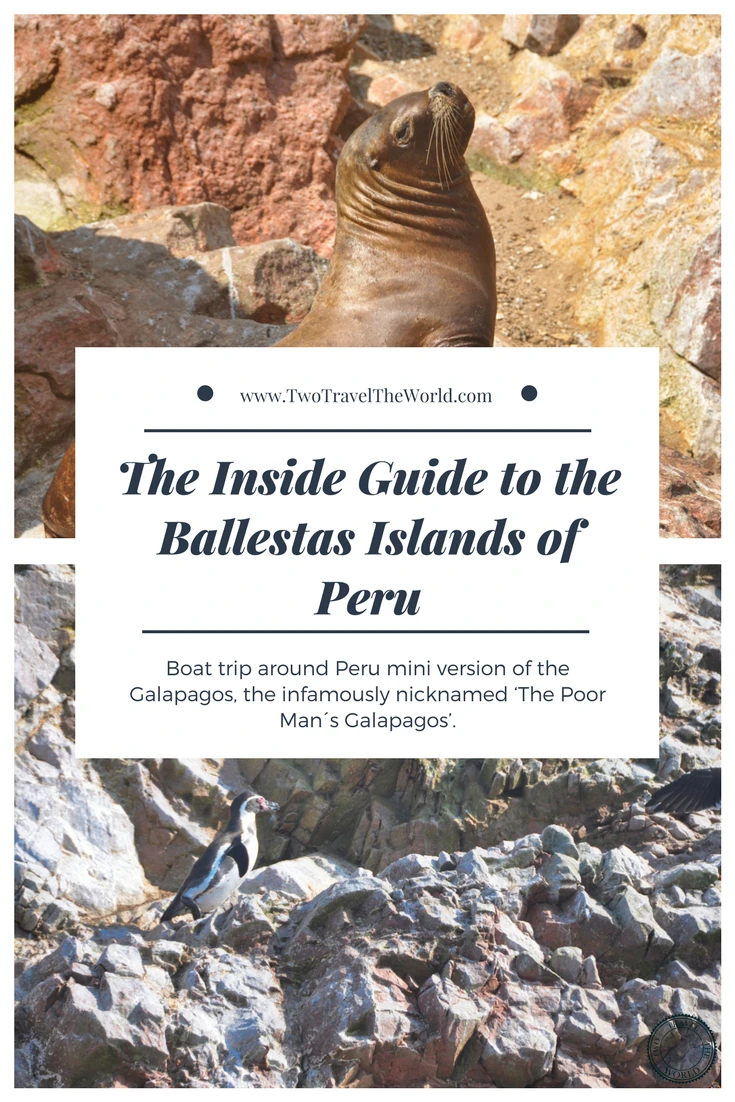
🦭 Meet the Wildlife of Ballestas
From waddling penguins to basking sea lions - experience Peru's incredible marine wildlife on the Poor Man's Galapagos tour!