
China is a vast and possibly intimidating country, especially if you are planning your first trip. After all, for 5,000 years, Chinese culture has developed completely independently of Western civilisation. From the Great Wall to the bustling streets of Shanghai, China offers an extraordinary travel experience — but a little preparation goes a long way.
We put together these 30 essential tips to help first-time travellers navigate the cultural differences, practical challenges, and unexpected surprises that come with visiting this incredible country.
Top 10 Quick Essentials
- Visa — Apply in advance; China does not offer visas on arrival
- Travel Insurance — Protect yourself and your belongings
- Document Copies — Store duplicates in cloud storage
- VPN — Install before arrival to bypass the Great Firewall
- Chinese Apps — Download WeChat; everyone uses it
- Cash — ATMs are common in cities but scarce off the beaten path
- Hotel Card — Carry one with the address in Chinese characters
- Bottled Water — Only drink sealed, name-brand bottled water
- Medical Kit — Bring antibiotics and a first-aid kit
- Basic Phrases — Learn hello, thank you, yes, no in Mandarin
Before You Go: Tips 1–10
1. Obtain Your Visa in Advance
China does not offer visas on arrival. You must apply at your local Chinese embassy or consulate before departure. The application requires a valid return flight booking and proof of accommodation. Give yourself plenty of time — processing can take a couple of weeks, especially during peak travel season.
2. Purchase Travel Insurance
While China is a safe country, misfortune or mishaps can happen anywhere. A good travel insurance policy will protect you and your belongings against theft, medical emergencies, trip cancellations, and lost luggage. Make sure your policy covers the activities you plan to do.
3. Copy Important Documents
Create duplicates of your passport, visa, and insurance documentation. Keep paper copies separate from the originals and store digital copies in cloud storage (Google Drive, Dropbox, or email them to yourself). If your documents are lost or stolen, having copies will make replacement much easier.
4. Verify Vaccination Requirements
There are no compulsory vaccinations required for entry into China. However, if you are arriving from a country where yellow fever is endemic, proof of vaccination is mandated. It is always a good idea to consult your doctor or a travel clinic before departure for up-to-date health advice.
5. Be Prepared for Public Spitting
Be prepared to see a lot of Chinese people spitting in public. The Chinese do not commonly use tissues to clear their noses. This is a cultural norm you will encounter frequently, particularly in smaller cities and rural areas. It takes some getting used to, but try not to let it bother you.
6. Bring Your Own Medications
Carry antibiotics and a first-aid kit for medical emergencies. Pharmacies exist throughout China, but the language barrier can make it very difficult to explain what you need. Bring enough of any prescription medications to last your entire trip, along with basic over-the-counter remedies for common travel ailments.

7. Download Essential Chinese Apps
Download the top must-have Chinese apps before you arrive. A prime example is WeChat — everyone uses it throughout the country. WeChat is not just a messaging app; it is used for payments, booking taxis, and much more. Other useful apps include Baidu Maps (Google Maps does not work well in China) and Pleco (a Chinese dictionary).
8. Look for Picture Menus at Restaurants
Eat at restaurants with picture menus, especially when you first arrive. This way you can see what you are getting. But try to be adventurous sometimes — some of the best dishes we had were ones we ordered by pointing randomly at the menu. The worst that can happen is a funny story to tell later.
9. Install a VPN Before You Leave
Install a VPN on your laptop and smartphone before you leave home. China's “Great Firewall” blocks most major Western sites including Gmail, Facebook, Twitter, Instagram, WhatsApp, and many more. Without a VPN, you will not be able to access these services. Download and set up the VPN before arriving — many VPN websites are also blocked within China. We wrote a dedicated guide comparing the best VPNs for China.
10. Always Carry Your Hotel's Business Card
Always carry a business card from the hotel where you are staying. This card should have the address in both romanised Chinese (pinyin) and Chinese characters. When you need to get back to your hotel, simply show the card to a taxi driver. This is one of the most practical tips we can give — it saved us multiple times.
Daily Life: Tips 11–20
11. Practice Using Chopsticks
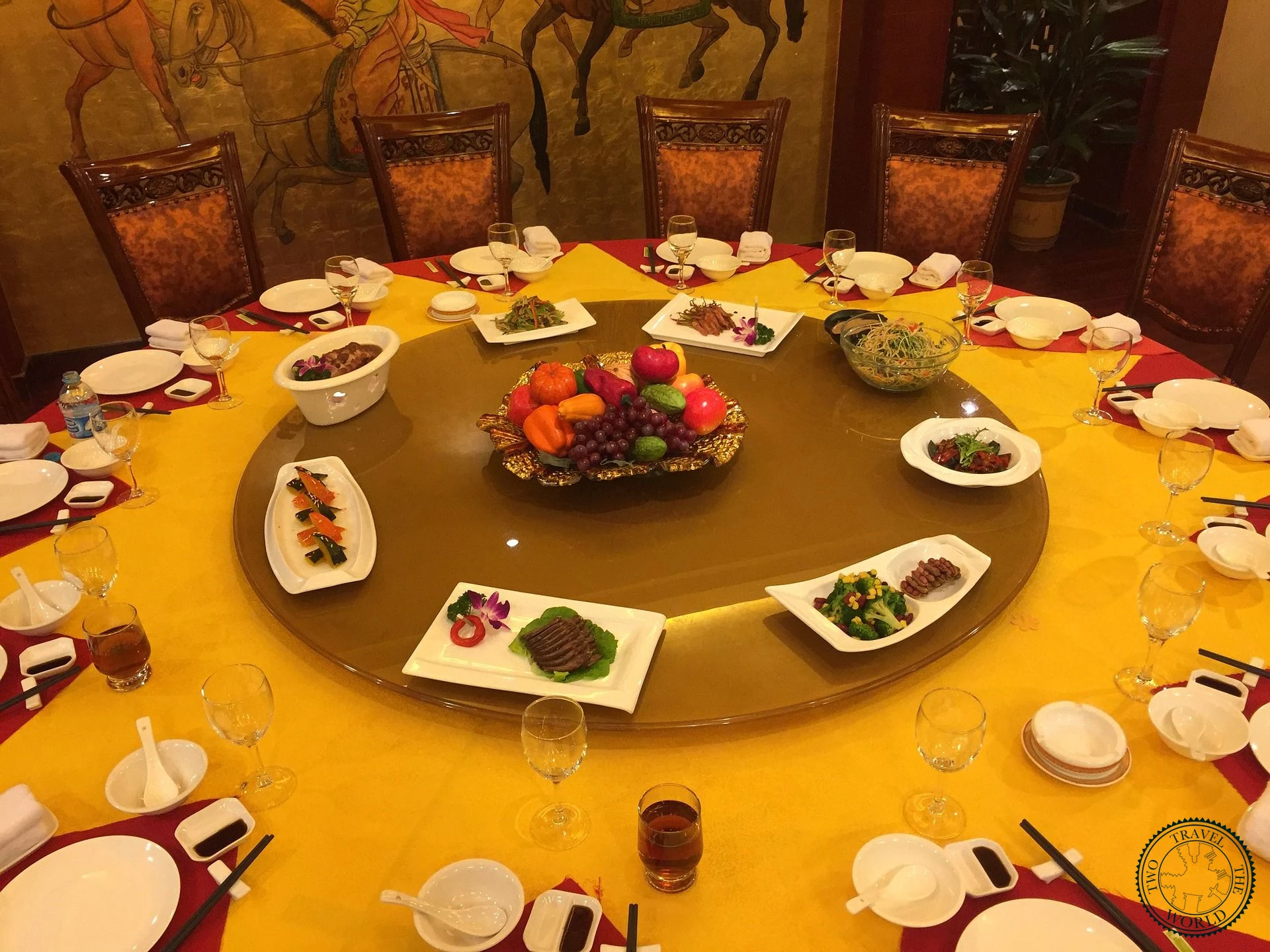
Chopsticks can be difficult to learn to use, so practice before your trip. Did you know Chinese chopsticks are longer and thicker than their Korean or Japanese counterparts? You will use them for virtually every meal, so a little practice at home goes a long way. Most restaurants will not have Western cutlery available.
12. Learn Basic Numbers
Learning numbers in Mandarin is essential for purchasing train tickets, bargaining at markets, and understanding prices. Here is a fun cultural note: the number 4 is considered extremely unlucky (it sounds like the word for “death”), while 8 is very auspicious. The 2008 Beijing Olympics started on 08/08/2008 at 8:08 PM — that is how important the number 8 is in Chinese culture.
13. Carry Hand Sanitiser
Buy non-alcohol hand sanitiser, as hand washing is not a customary Chinese habit in many public settings. Public restrooms often lack soap, and you will want to clean your hands before eating street food. A small bottle in your day pack will serve you well throughout your trip.
14. Always Have Toilet Paper
Always carry toilet paper with you. This is especially true on Chinese trains and in public restrooms, which rarely provide it. You should also be prepared for squat toilets, which are still the norm outside of international hotels and modern shopping centres.
15. Do Not Tip
Do not tip. Tipping is not part of Chinese culture. In fact, offering a gratuity may be considered rude, and it used to be illegal. The exception is for tour guides and drivers on organised tours, where a small tip is appreciated. In restaurants, hotels, and taxis, tipping is neither expected nor necessary.
16. Arrive Early at Airports
Chinese airports can be incredibly busy and security checks are thorough. Arrive at least three hours before international flights and two hours before domestic flights. Security procedures include multiple ID checks, and during peak travel periods (Chinese New Year, National Day), queues can be very long.
17. Drink Only Bottled Water
Always drink name-brand bottled water. Make sure that the cap cracks as you open the bottle — this confirms the seal has not been broken and the water is genuine. Tap water in China is not safe to drink. Also be cautious with ice in drinks, as it may be made from tap water.
18. Notify Your Bank
Inform your bank and credit card companies before you travel to China. Without advance notice, your cards may be blocked for suspicious international activity. Also check what foreign transaction fees apply and whether your cards work with the UnionPay network, which is the dominant payment system in China.
19. Keep Your Passport With You at All Times
Keep your passport with you at all times. It is a legal requirement in China to carry identification. You will also need it to enter the Forbidden City in Beijing, to pass through airports and train stations, and to gain entrance to some major museums. A photocopy is not sufficient — carry the original.
20. Bring Cash
Bring some cash. ATMs are common in medium and large cities, but they become scarce if you venture off the beaten path. Not all ATMs accept foreign cards, so withdraw money when you can. The Chinese currency is the Renminbi (RMB), with the base unit being the Yuan.
Getting Around: Tips 21–30
21. Check That Taxi Drivers Use the Meter
Make sure the taxi driver uses the meter, or negotiate the price before getting in. Some drivers, particularly near tourist areas and airports, will try to charge a flat rate that is significantly higher than the metered fare. If a driver refuses to use the meter, find another taxi. Having your destination written in Chinese characters helps enormously.
22. Consider Malaria Prevention
Depending on your itinerary, you may need to take prescription medicine before, during, and after your trip to prevent malaria. This primarily applies to rural areas in southern China, particularly Yunnan and Hainan provinces. Consult a travel health professional well before your departure date.
23. Dress Casually
Casual clothing is appropriate throughout China. You do not need to dress formally unless attending a business meeting or a very upscale restaurant. Comfortable walking shoes are essential — you will be doing a lot of walking. In summer, lightweight and breathable fabrics are a must, while winter in northern China demands serious cold-weather gear.
24. Pack a Universal Electrical Adapter
The electrical supply in China is 220 volts. Do not forget to pack a universal electrical adapter. China uses a variety of plug types (Types A, C, and I), and socket types can vary between hotels and regions. A universal adapter with USB ports will cover all your charging needs.
25. Keep a List of Local Doctors and Hospitals
Carry a list of local doctors and hospitals at your destination. Your embassy can usually provide a list of English-speaking medical professionals. International hospitals in major cities like Beijing and Shanghai offer services in English, but outside these cities, medical English is rare.
26. Learn to Haggle
Learn to haggle and be prepared to walk away. Haggling is a big part of shopping in China for street vendors, open-air markets, and smaller independent shops. Start by offering around 30–40% of the asking price and work your way up. Walking away is often the most effective negotiation tactic — the vendor will frequently call you back with a better offer.
27. Learn a Few Basic Phrases
A few words of Mandarin will go a surprisingly long way. Here are the essentials: Nǐ hǎo (hello), Xièxiè (thank you), Gānbēi (cheers), Duìbùqǐ (sorry), Hǎo (yes/okay), and Bù (no). Even a basic attempt at speaking the local language will earn you smiles and goodwill everywhere you go.
28. Try the Street Food
Eat at street food stands and hole-in-the-wall restaurants — it is delicious. If you are concerned about food safety, pick the stall where local people of all ages are queuing. A busy stall means fresh food with high turnover. Some of the best meals we had in China cost less than a dollar and were eaten standing on a street corner.
29. Be Ready for Photos
If you are a Western traveller, particularly in smaller cities and villages, be prepared to have your picture taken — a lot. Chinese people in rural areas may never have seen a foreigner in person before. Take it as a compliment and a fun cultural exchange. A smile and a “nǐ hǎo” go a long way.
30. Forget About Queuing
Stop waiting in line. Chinese people do not queue as Westerners do. If you want to get on a bus, grab some food, or buy a ticket, you will need to be more assertive. This is not considered rude in China — it is simply the way things work. Do not take it personally, and do not be afraid to politely push forward.
Final Thoughts
Visiting China can be stressful at times, but preparing beforehand should cut down some of the culture shock. The country is endlessly fascinating, the food is extraordinary, and the people are far more welcoming than you might expect. We hope these 30 tips will help any first-timer in China feel more confident and ready for the adventure of a lifetime.
China is changing rapidly, so some practical details may evolve over time. But the cultural tips — the haggling, the chopsticks, the hotel business cards — those will serve you well for years to come. Safe travels!