Hong Kong · vendredi 22 septembre 2017ven. 22 sept. 2017
We set out to Hong Kong
After a filling breakfast, we were ready for a 6-hours journey to Hong Kong.
Texte DavidPhotos KroHotelTrain/MTRCloudy (28°C)Distance150 km$80.00Hong Kong · First Impressions · Temple Street Market · Kowloon · Border Crossing

After a filling breakfast, we were ready for a 6-hours journey to Hong Kong. Although Hong Kong is part of China, the former British colony operates like an "independent" country with its own currency, laws, international dialling code and border controls.
We took the first tube called MRT to the Futian border control to reach Hong Kong. Passing the border was dead easy with our European passport.
We bought an octopus card. The reusable contactless card is a super-powered oyster car for those who have been to London. You top up the card and use it for public transport, paying for grocery or taming your fast food craving. We took the tube ride, and we were in Hongkong downtown.
The environment was so different and we spotted three major differences with China. We were not the only westerners. Kro would not be a star anymore. Most products we knew were available at London price.
We found our hotel, steps away from MTR Jordan Station. Clean and with a great location, the accommodation offered the smallest room ever - 6 square metre including the bathroom. Hong Kong is one of the most expensive cities in the world and we were paying a reasonable amount for a private bathroom.

Temple Street Night Market
As we couldn't stand to be in such confined space, we explored the area including the Kowloon Park and the Temple Street Night Market.
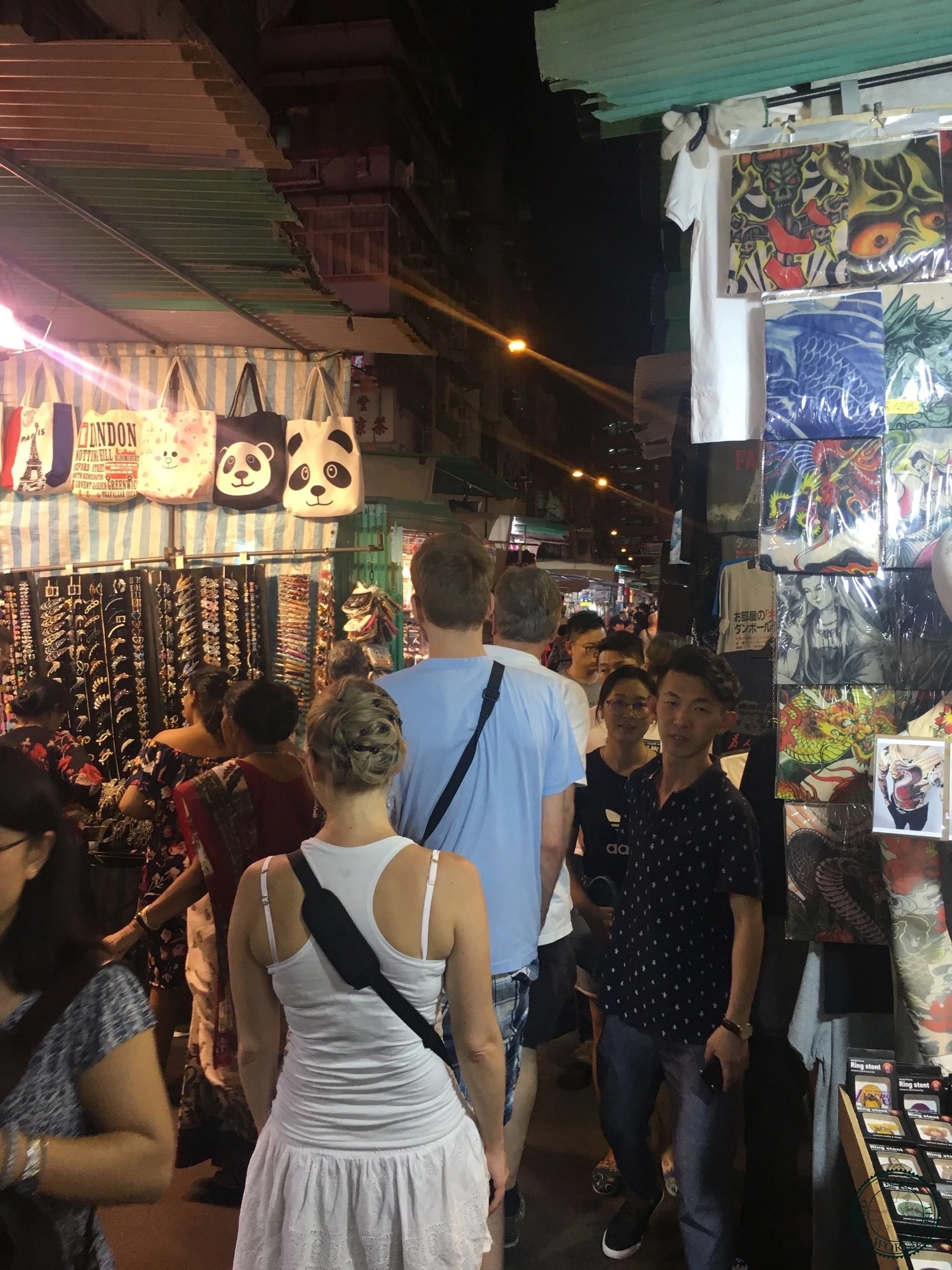
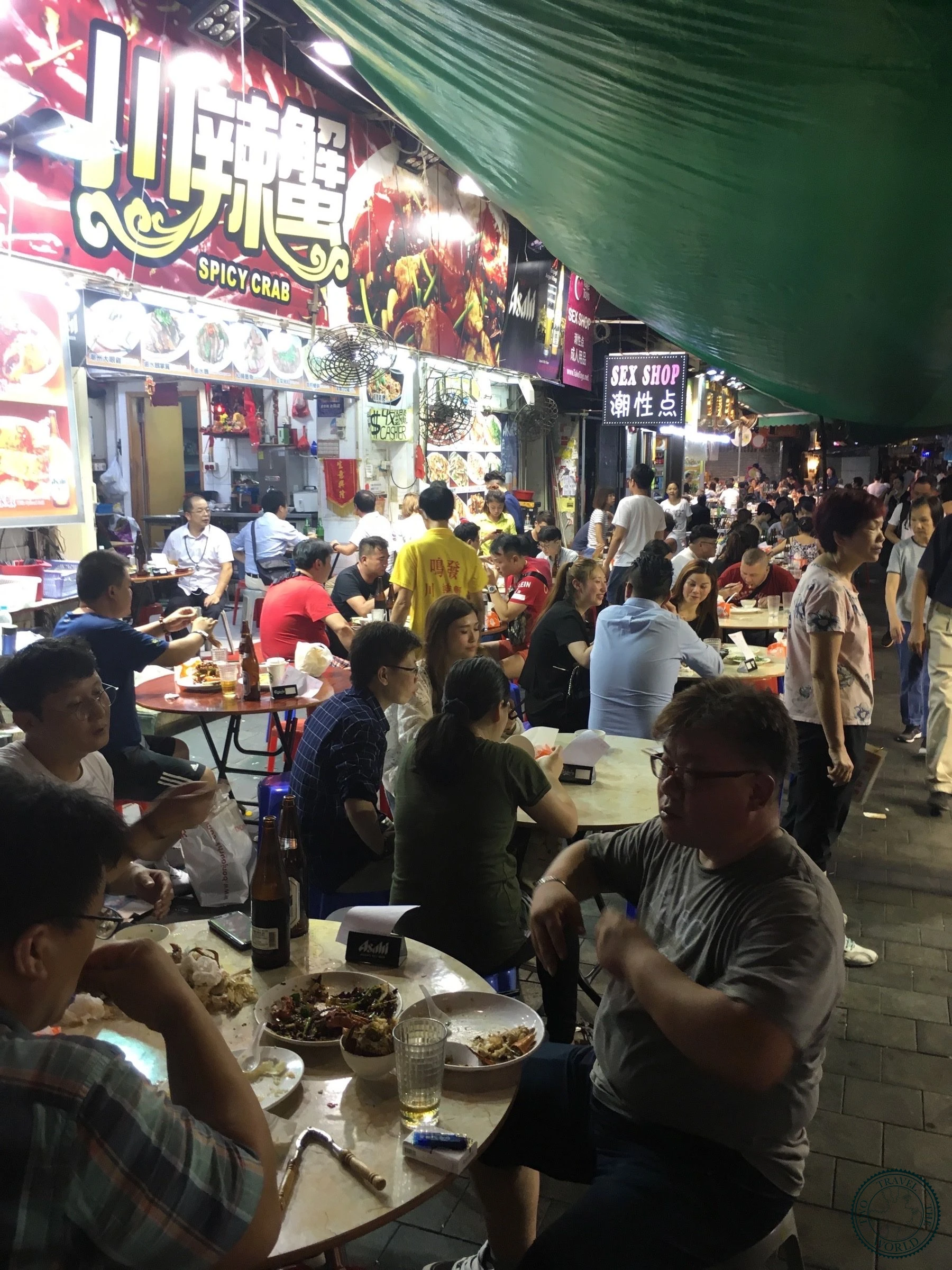
The busy night market was four full blocks of street stalls selling everything from souvenirs to electric gadgets. For foods, restaurants were serving fresh fish, spicy crab and clay pot chicken rice. For entertaining, we could have enjoyed the future tellers or the karaoke sops but we elected our bed after an exhausting day from Guilin.
Hong Kong arrival essentials
- Border Crossing: Futian/Lo Wu borders from Shenzhen to Hong Kong are efficient. European/US passports get easy entry. Expect immigration queues during peak hours (8-10am, 5-7pm).
- Octopus Card: Essential! HK$150 deposit + top-up. Use for MTR, buses, ferries, 7-Eleven, supermarkets, restaurants. Refundable when leaving. Buy at any MTR station.
- Cost Shock: Hong Kong prices match London/NYC. Budget HK$80-120/night hostel, HK$400-800 budget hotel. Meals HK$50-150. It's expensive but worth it!
- Tiny Rooms: 6-10 sqm rooms are normal in budget hotels! Near Jordan/Tsim Sha Tsui offers good value (HK$400-600/night). Location matters more than space - you won't be in the room much.
- Kowloon Base: Jordan/Tsim Sha Tsui area is perfect base. Close to Temple Street Market, Star Ferry, shops. MTR connections excellent. More affordable than Hong Kong Island.
- Temple Street Market: Open 4pm-midnight. Peak 7-10pm. Four blocks of stalls selling souvenirs, electronics, clothes. Fortune tellers, karaoke, street food. Bargain hard (start 50% of asking price).
- Night Market Food: Try clay pot rice (HK$40-60), fresh seafood (HK$80-150), spicy crab. Dai pai dong (open-air food stalls) offer authentic local experience.
- Cultural Shift: After mainland China, Hong Kong feels Western. English widely spoken. International brands everywhere. More tourists. Prices much higher. It's like entering a different country!
- Connectivity: Free WiFi in MTR stations, malls, Starbucks. Buy SIM card at 7-Eleven (HK$88 for 8-day tourist plan). Google, Facebook work (unlike mainland China)!
- MTR System: World-class metro. Clean, fast, efficient. Runs 6am-1am. Download MTR app for routes. Octopus card works on all lines. Peak hours are packed!
What was your first impression arriving in Hong Kong? Have you experienced the tiny hotel rooms? What's your favorite night market?