Puebla · jeudi 22 février 2018jeu. 22 févr. 2018
Puebla: Mexico's Foodie Capital and Colonial Gem
We explored Puebla, one of Mexico's foremost foodie destinations with a UNESCO World Heritage historic center full of colorful facades, baroque architecture, and incredible culinary traditions.
Texte DavidPhotos KroAirbnbBusSunny and pleasant (22°C)Distance130 km$40.00UNESCO World Heritage · Food Tour · Colonial Architecture · Mexican Cuisine
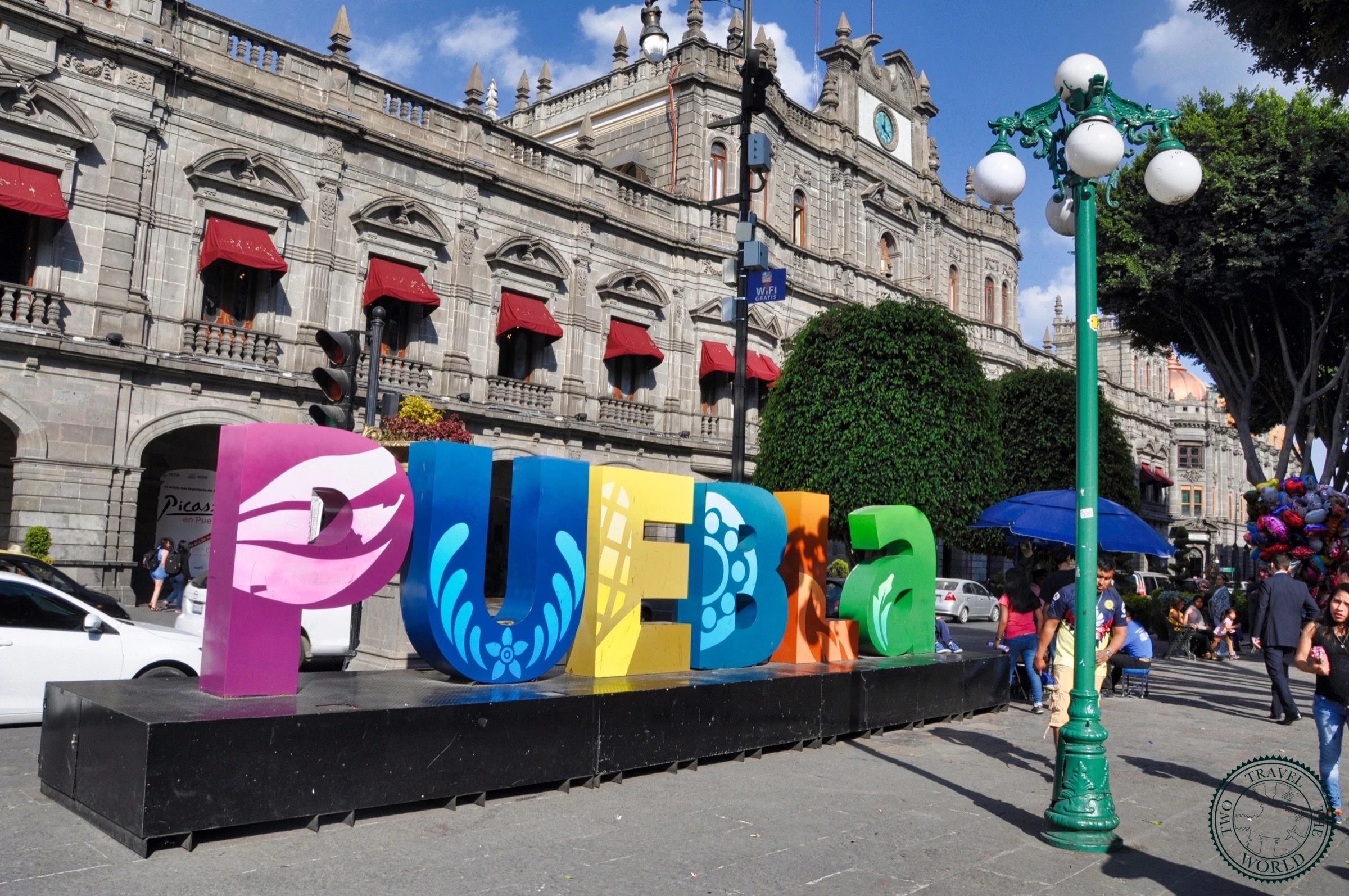
After a few days in Mexico City, we headed for one of Mexico's foremost foodie destinations - Puebla. With indigenous and Spanish influences, the Historic Centre, recognized by UNESCO as a World Heritage Site, was a wonderful destination for culture, architecture, and incredible food.
Exploring Puebla's Historic Center
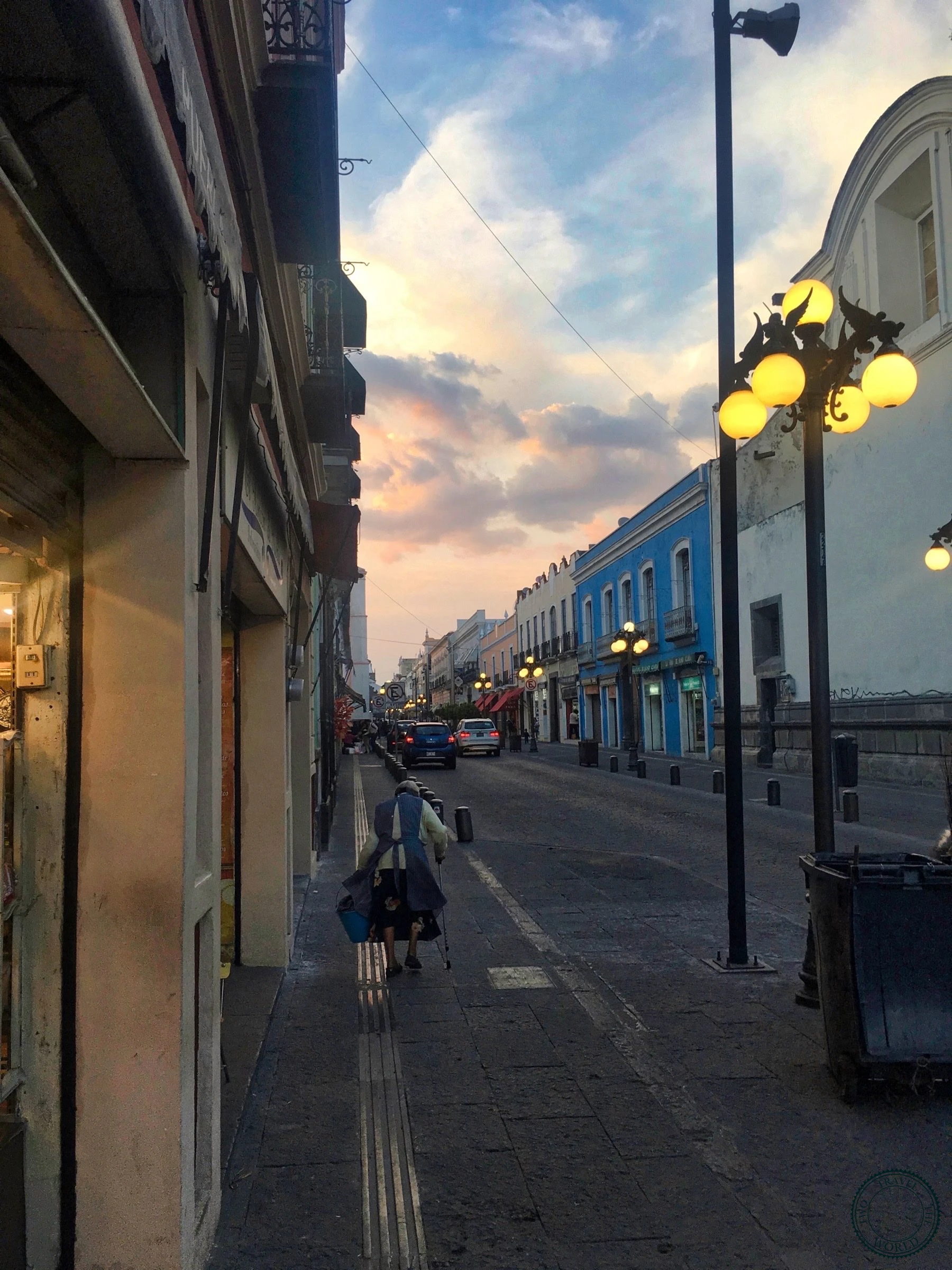
With only a day to explore the fourth-largest city in Mexico, we focused on the historical center. We loved, at first sight, the colorful facades, the colonial buildings, and the baroque architecture. The city center was clean, lively and safe with multiple pedestrian streets - a perfect place to wander around for a few hours.
Puebla's Zócalo and Cathedral
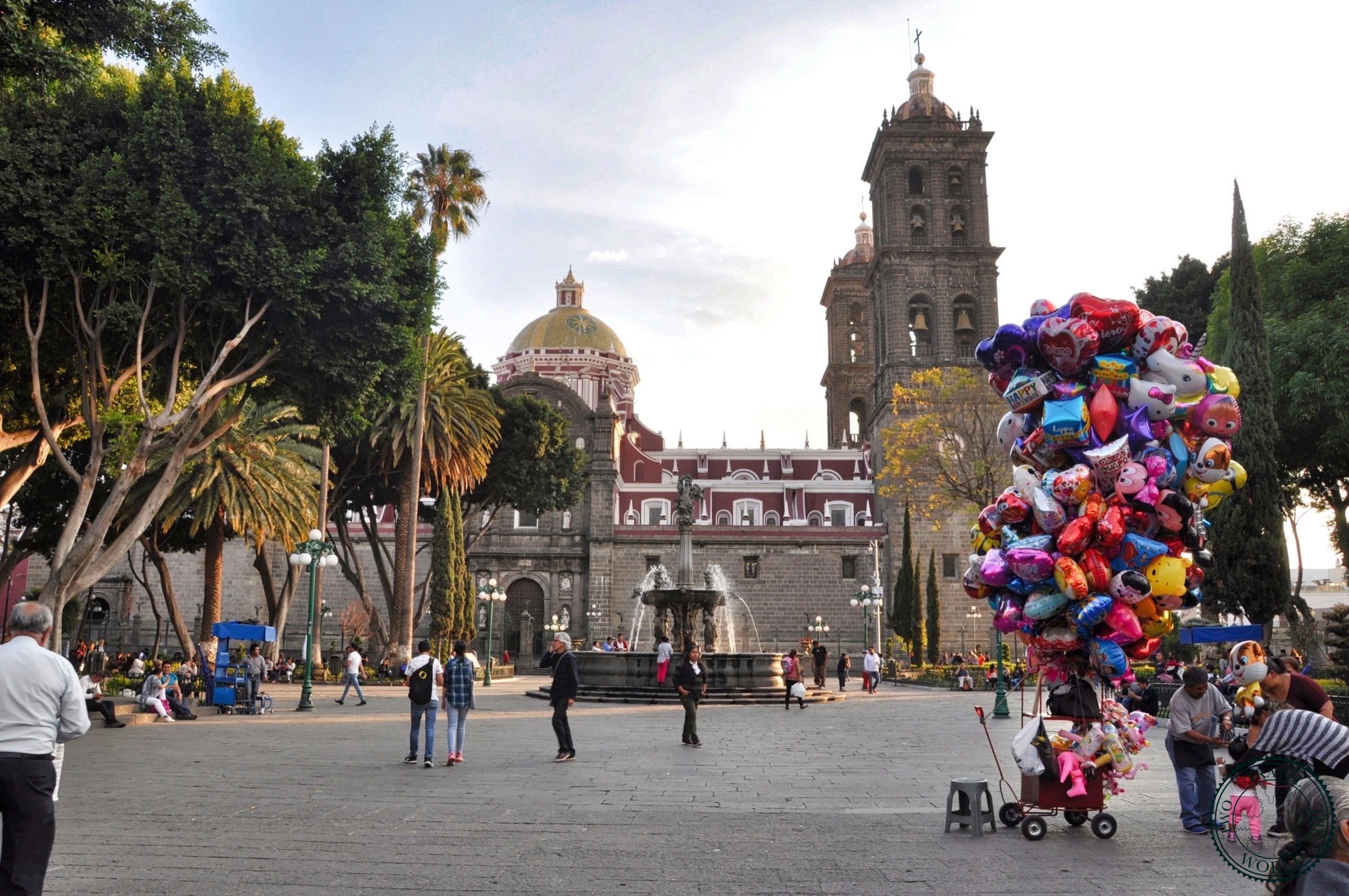
We started our walking tour with Puebla's Zócalo, the main city square and the heart of the city. By the central plaza, we admired the gorgeous Cathedral of Puebla, dedicated to the Immaculate Conception. The building was a treasure of colonial art with its imposing facade and ornate interior.
The vibrant area was lined with numerous cafes, bars and restaurants. We couldn't resist! We stopped for a gargantuan Mexican dinner at El Mural de los Poblanos ↗.
Puebla's Culinary Treasures
After an exquisite and traditional meal, we savored authentic Mole Poblano (the famous chili and chocolate sauce that originated in Puebla) and Chalupas (small fried tortillas with toppings). The flavors were incredible - this is where mole was invented, and you can taste the centuries of culinary tradition!
Puebla is considered the birthplace of several iconic Mexican dishes, and the food culture here is deeply rooted in both indigenous and Spanish colonial traditions.
Biblioteca Palafoxiana: Oldest Library in the Americas
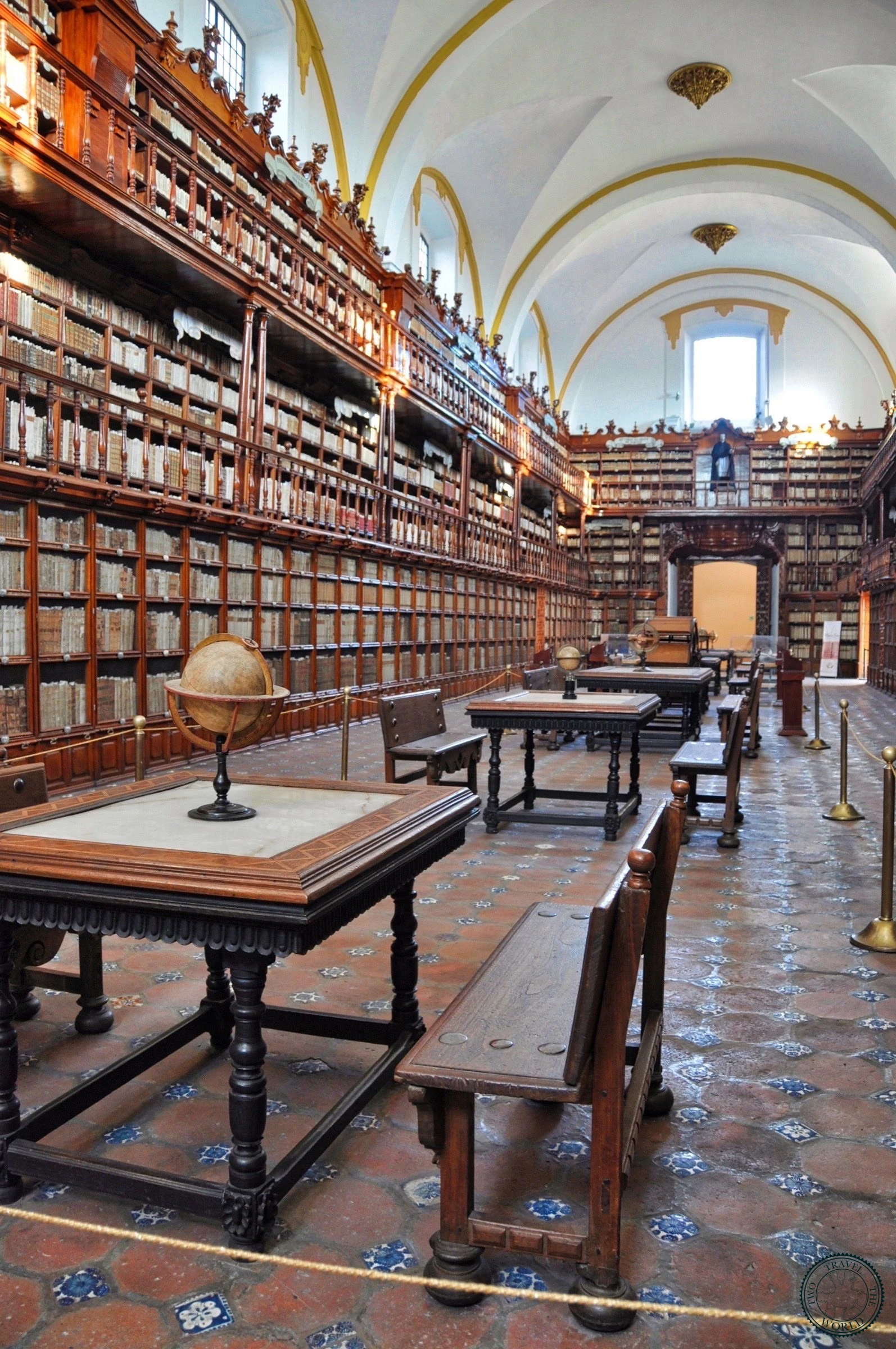
We visited the Biblioteca Palafoxiana, the oldest library in the Americas (founded in 1646). The library was just stunning - a hidden gem in Puebla. The baroque hall houses over 45,000 historical volumes on wooden shelves reaching to the ceiling. It's a bibliophile's dream and a UNESCO Memory of the World treasure.
Chapel of Rosary: Baroque Splendor

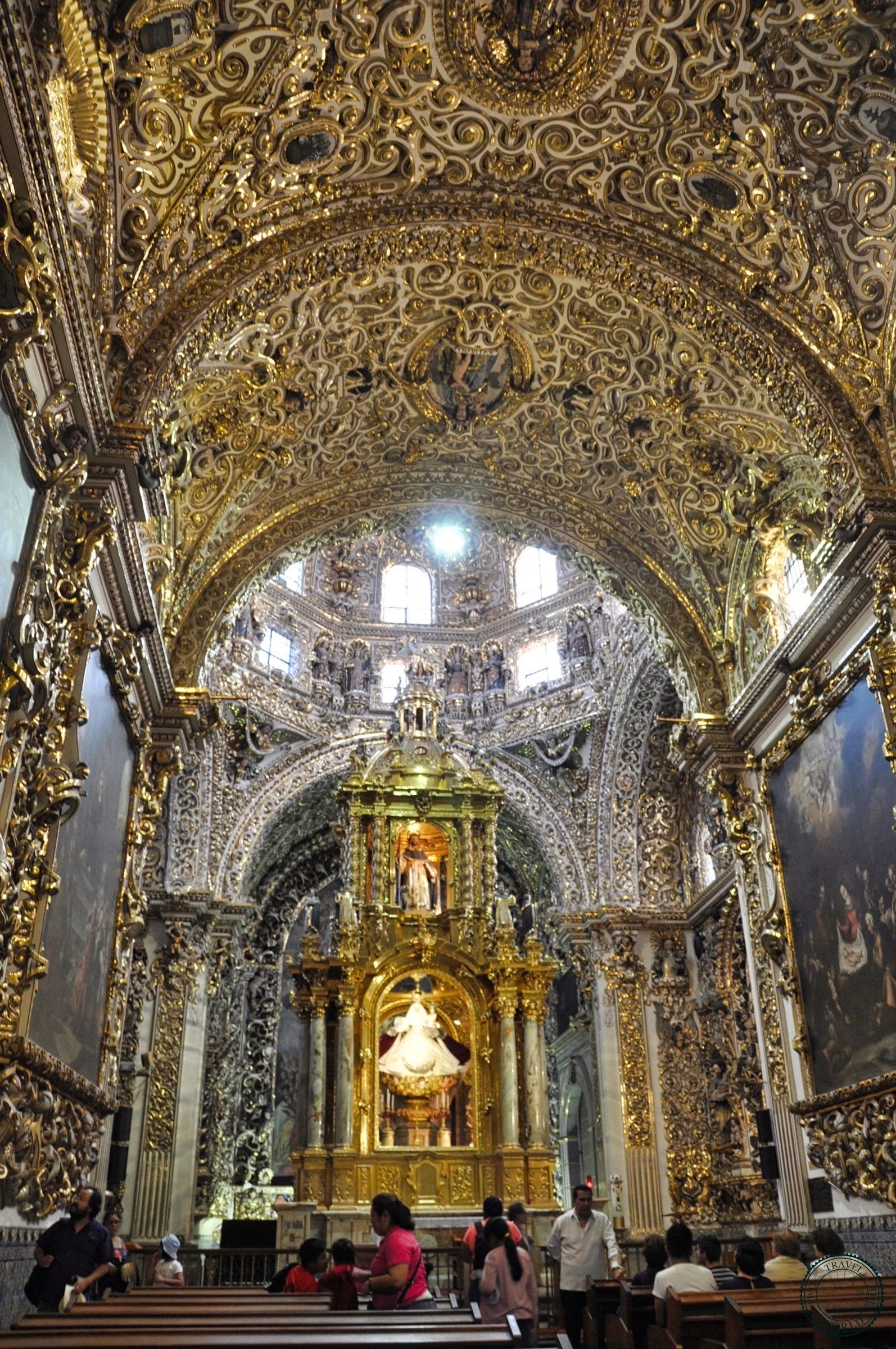
Inside the rather sedate-looking Templo de Santo Domingo, we found an unbelievable treasure: The Chapel of Rosary. Every square inch was decorated largely with gold leaf! The gleaming dome was not our personal taste, but we could understand why the chapel is so appreciated by Poblanos for celebrating weddings and baptisms. It's considered one of the finest examples of New Spanish baroque art.
La Calle de los Dulces (Sweets Street)
We strolled along 6 Oriente Street, affectionately referred to as "La Calle de los Dulces" (Sweets Street). The street specialized in handmade candies and sweets which are famous all over the country. From camotes (sweet potato candies) to tortitas de Santa Clara (coconut cookies), Puebla's confectionery tradition dates back to colonial times when nuns created elaborate sweets.
Museo de la Revolución
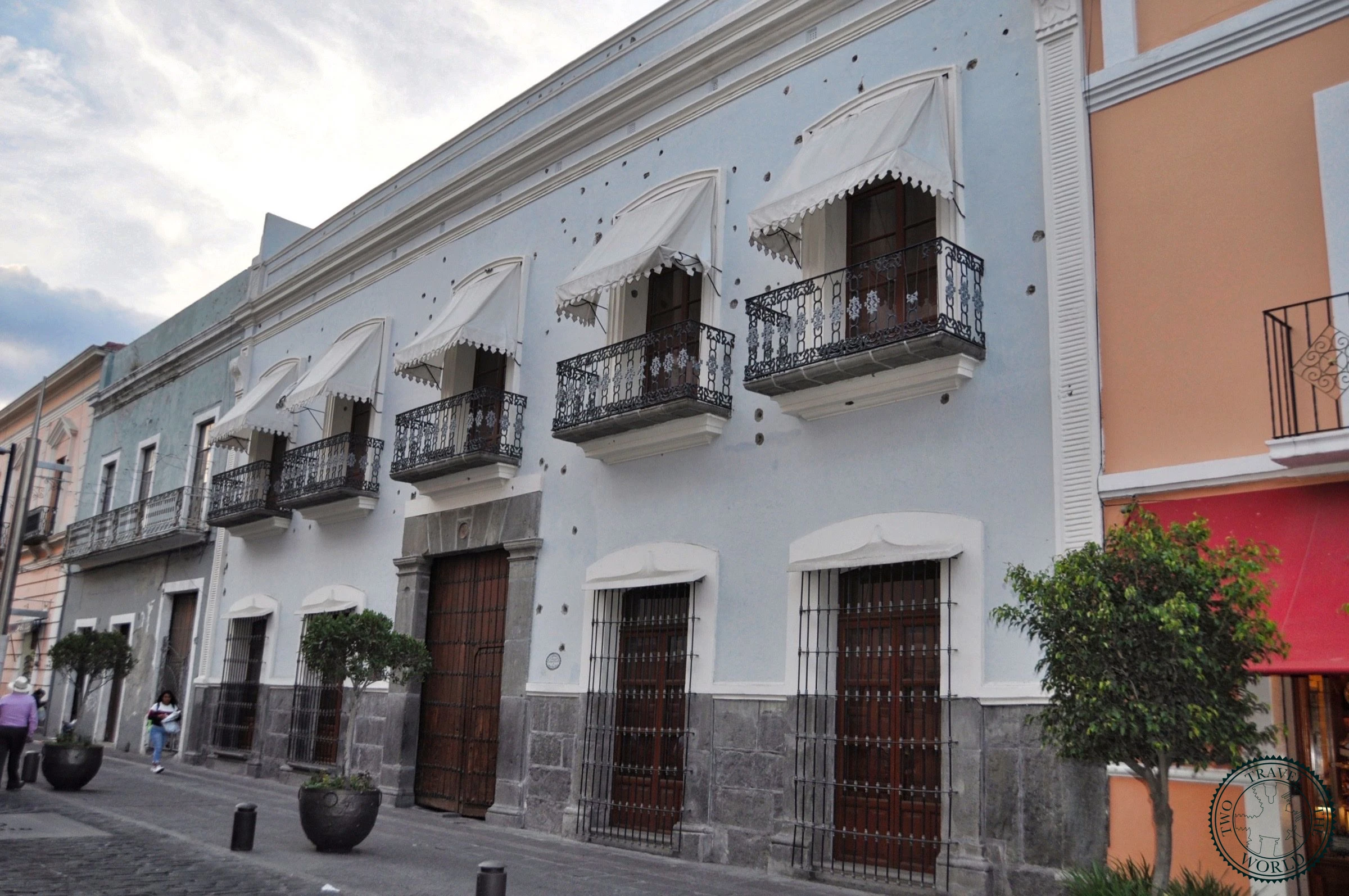
Further down the road, we found the Museo de la Revolución Mexicana. The bullet holes on the facade testified to the first shot of the Mexican Revolution, which began in Puebla in 1910. This house played a crucial role in Mexico's history.
Teatro Principal and Barrio del Artista
We ended the tour with the beautiful and photogenic Puebla's Teatro Principal. The building, completed in 1760, was among the oldest theaters in Mexico and is still functioning as a theater today. The neoclassical facade is stunning, especially illuminated at night.
Next, we explored artist studios and bars around the city's Artists Quarter, or "Barrio del Artista". The place was perfect for a last drink before heading back to our Airbnb - colorful buildings, local art galleries, and a bohemian atmosphere.
Our Puebla Experience
Puebla exceeded our expectations. The combination of UNESCO World Heritage architecture, incredible food (especially the mole!), fascinating history, and vibrant culture made it one of our favorite stops in Mexico. The city felt authentic, less touristy than some other colonial cities, yet incredibly welcoming.
One day wasn't nearly enough to experience everything Puebla has to offer, but we made the most of our time exploring the highlights. The foodie reputation is well-deserved - this is a culinary capital of Mexico!
Have you visited Puebla? Did you try the famous Mole Poblano or Chalupas? Which restaurant did you enjoy most? Did you explore the Chapel of Rosary or the Biblioteca Palafoxiana? What about the street food and sweets on La Calle de los Dulces? Share your Puebla experiences in the comments below!
Tips for Visiting Puebla
- Bus from Mexico City to Puebla: Frequent ADO buses from TAPO station (about 2 hours, ~150 pesos/$8 USD). Very comfortable and reliable service.
- One full day is enough to see the main highlights in the historic center, but 2-3 days allows you to really explore and enjoy the food scene at a leisurely pace.
- Focus on the historic center - it's compact and walkable. Main attractions are within walking distance: Zócalo, Cathedral, Chapel of Rosary, Biblioteca Palafoxiana.
- Must-try foods: Mole Poblano (chocolate-chili sauce invented here), Chalupas, Cemitas (Pueblan sandwiches), and sweets from La Calle de los Dulces. El Mural de los Poblanos is excellent!
- Biblioteca Palafoxiana entrance: ~40 pesos. Cathedral is free. Chapel of Rosary (inside Templo de Santo Domingo): free entry.
- UNESCO World Heritage Site since 1987. Puebla was founded in 1531 and has over 70 churches and 1,000 colonial buildings in the historic center.
- Most photogenic spots: Cathedral facade, Zócalo, Teatro Principal, colorful buildings throughout centro histórico, and the Chapel of Rosary's golden interior.
- Don't miss: Chapel of Rosary (spectacular baroque gold decoration), Biblioteca Palafoxiana (oldest library in Americas), Museo de la Revolución (bullet holes from 1910 revolution).
- The historic center has many pedestrian streets making walking pleasant. Wear comfortable shoes for exploring the colonial streets.
- La Calle de los Dulces (6 Oriente) for traditional sweets like camotes and tortitas de Santa Clara. Barrio del Artista for local art and crafts.
- Puebla sits at 2,150m altitude. Weather is generally mild year-round. Bring layers and sunscreen.
Puebla is an absolute gem - a perfect blend of culinary excellence, colonial beauty, and authentic Mexican culture. The UNESCO World Heritage historic center is stunning, the food scene is world-class (home of mole!), and the city has a welcoming, less-touristy vibe. Whether you're a foodie, history buff, or architecture lover, Puebla delivers on all fronts. Highly recommended!