Xi'an · Sunday 3 September 2017Sun 3 Sept 2017
Terracotta Warriors
After a good night sleep, in a larger bed than usual, we were full of energy and excitement for our next big experience: The Army of Terracotta Warriors.
Words DavidPhotos KroHostelPublic BusSunny (27°C)Distance80 km$70.00UNESCO Site · Terracotta Army · Xi'an Cuisine · Cultural Show
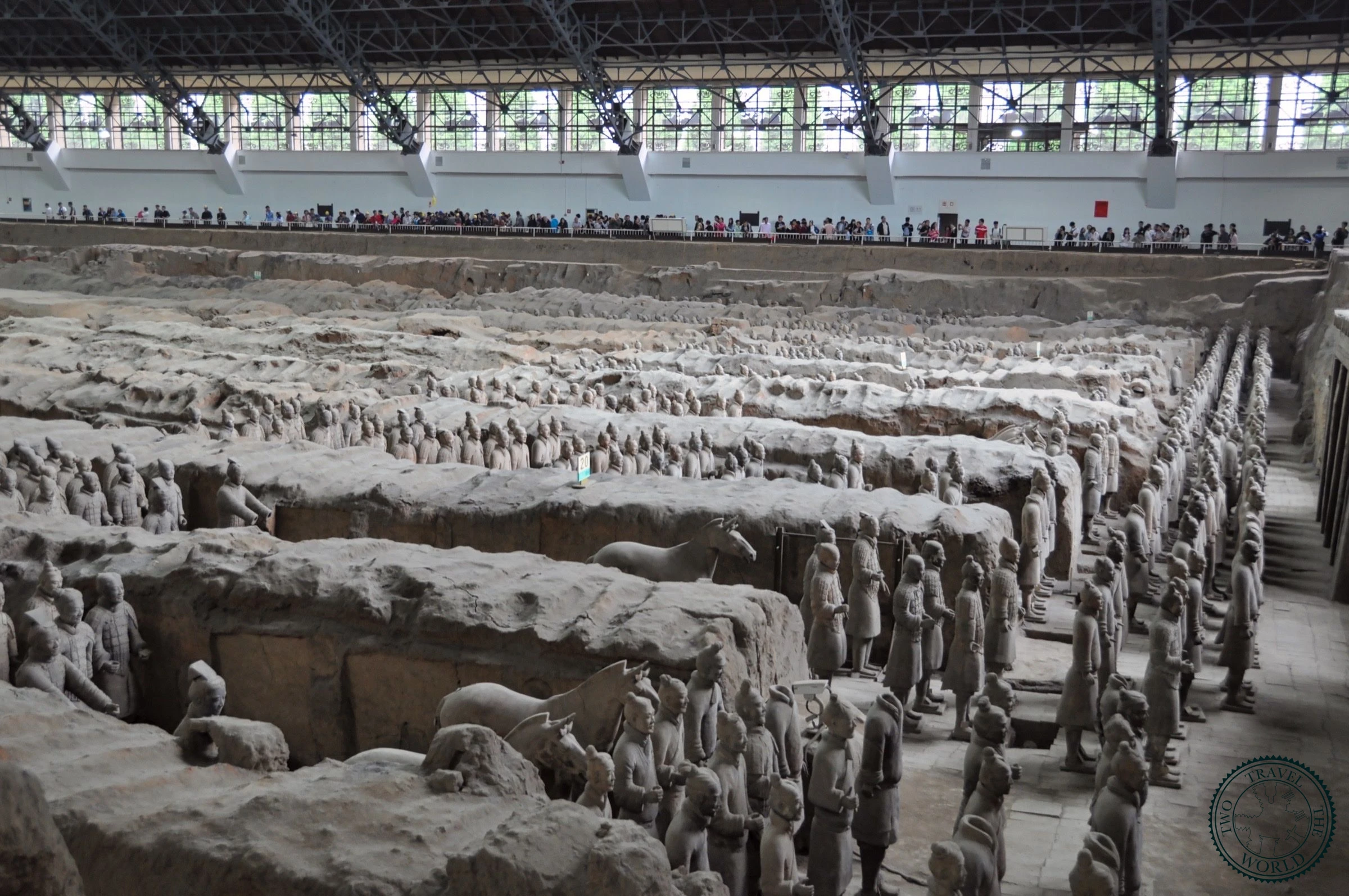
After a good night sleep, in a larger bed than usual, we were full of energy and excitement for our next big experience: The Army of Terracotta Warriors.
Journey to the Terracotta Warriors
Going from the east square of Xi'an railway station to the terracotta sculptures can be done by the 306 bus also called the tourist line 5. We were confronted with many touts trying to hustle us into their private bus but we stuck to our plans to use local buses. After an hour drive, we found the ticket office and bought our entry to the archaeological site. The adventure was about to get real.
The Terracotta Army
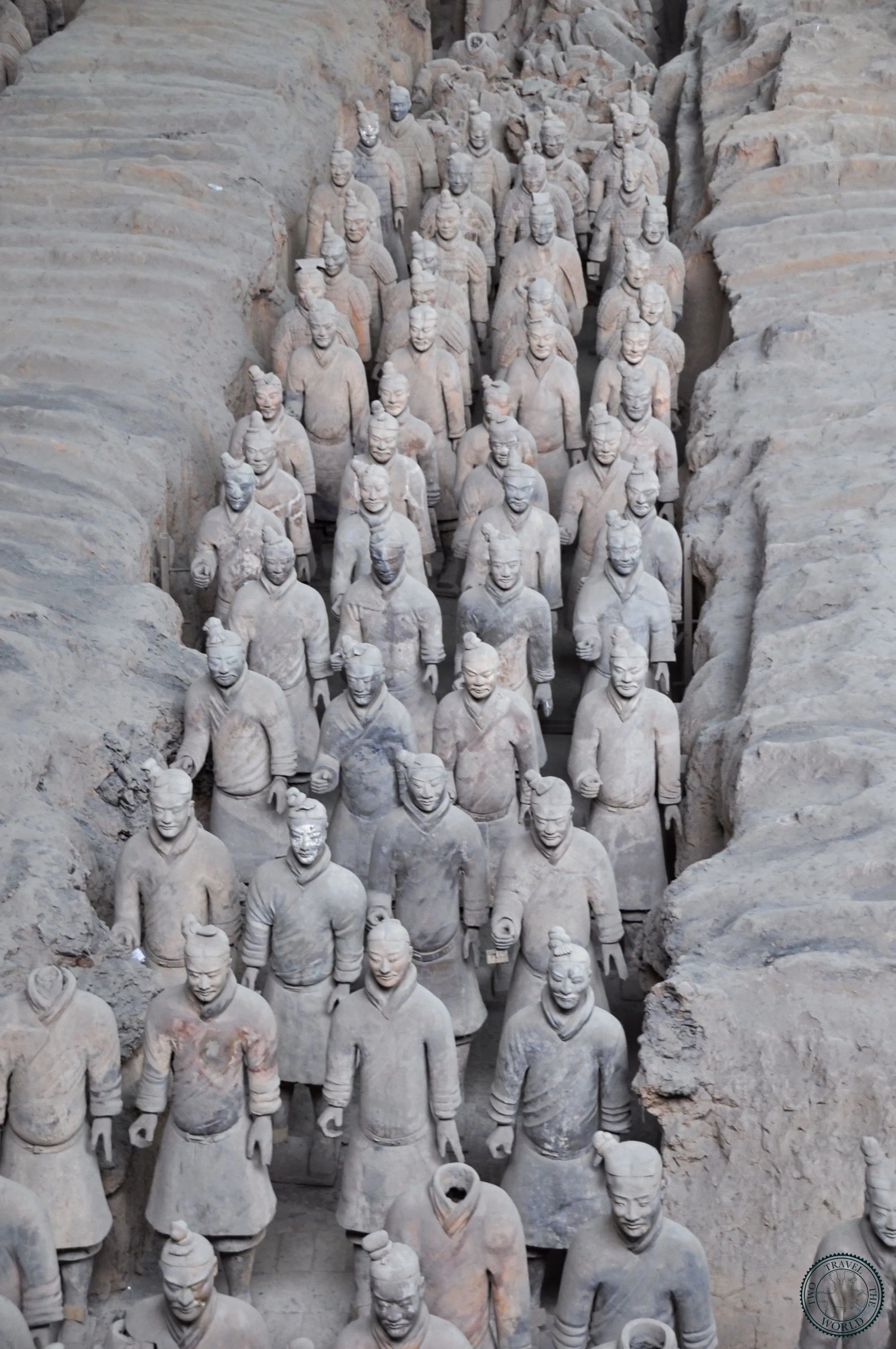
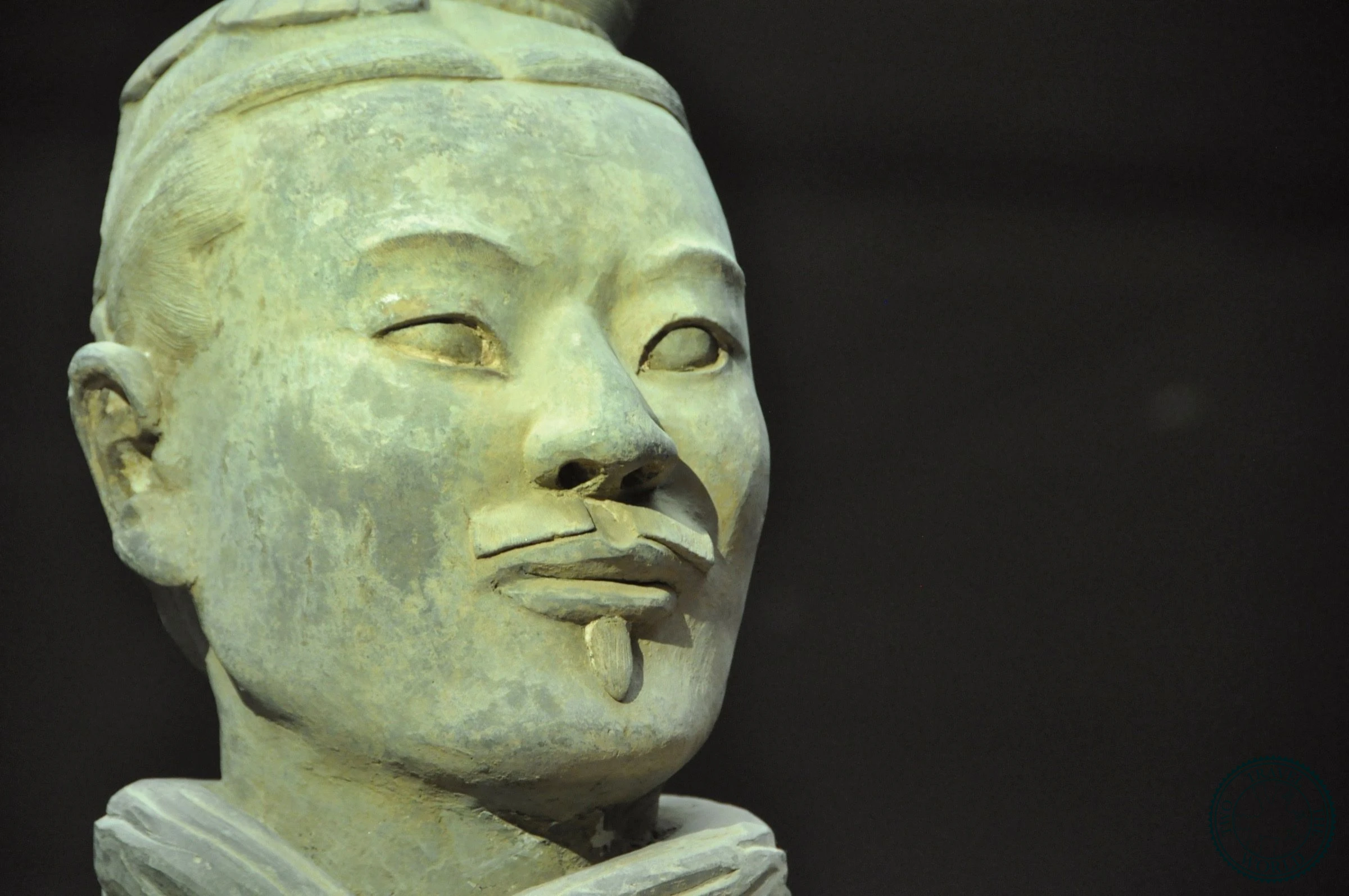
The Terracotta Army was ordered by China's first emperor, Qin Shi Huang, when he was only 13. It took 40 years and over 700,000 workers to assemble and paint the soldiers. The remaining figures - warriors, archers, chariots and horses - are incredible. You can't imagine how spectacular the clay army must have been 2,400 years ago.
Xi'anese Cuisine
For dinner, we picked two traditional dishes of the Xi'anese cuisine. First, we tried the very wide and hand-stretched noodles named Biangbiang. They're so wide and so long, you only get one in your bowl. Funny story, the word Biang is the most complex Chinese character with a total of 58 strokes. Next, we tried the Xi'an meat burger named Roujiamo. It's shredded braised meat - pork, lamb or beef - pocketed in baked leavened bread. Just delicious.
After the cheapest dinner we had so far in China (5 pounds for 2 plates and 2 beers), we took a bus to Huaqing Hot Springs.
Song of Everlasting Sorrow
Huaqing Pool is a complex of hot springs situated at the northern foot of Mount Li. It's also home to the dramatic interpretation of famous Chinese poet Bai Juyi's masterpiece, "The Song of Everlasting Sorrow".
The Song of Everlasting Sorrow details the events surrounding the death of the lady Yang Guifei during the Anshi Rebellion in 755. Yang Guifei was the beloved concubine of the Emperor Xuanzong of Tang.
This hour-long show, performed on an outdoor stage set against the magnificent natural backdrop of Lishan Mountain was a blast. Everything was just impressive: the lights, the special effects, the music, the costumes and the stellar performances of the actors. The mountain played a major role as it fully becomes part of the stage. We have lived in London for 8 years and that could well surpass all the musicals we have seen in the city. Flabbergasted by the spectacle, it was time to go "home" and make up our own dreams...
Amazing Facts About the Terracotta Warriors
-
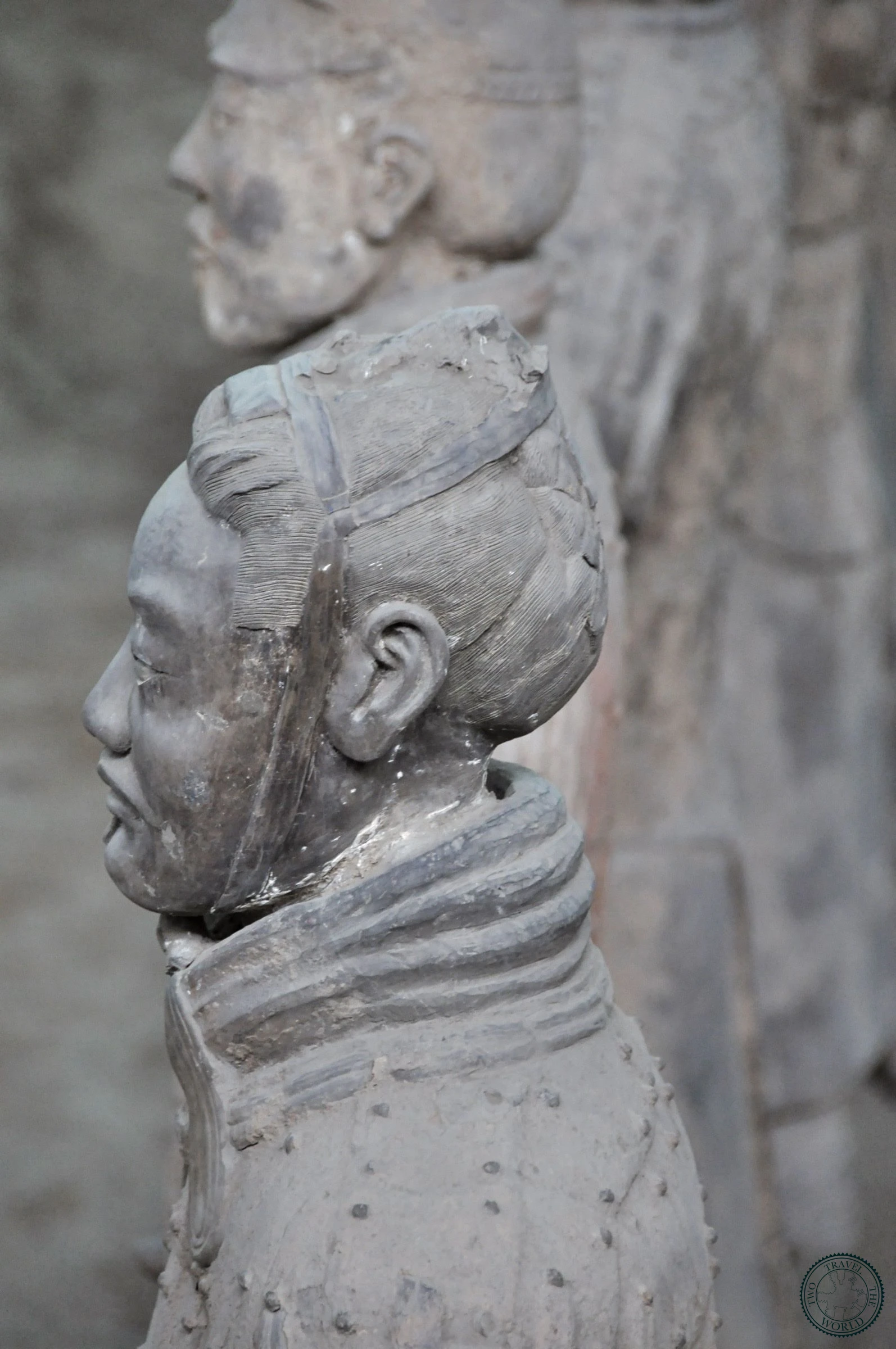
The Terracotta Warriors are life-sized (1.78m - 1.90m) clay soldiers buried in battle formation near Xi'an, China. Every soldier is singular with realistic and distinctive facial features. The figures vary in height, clothing and even hairstyles, all in accordance with their rank.
-
The figures were not only depicting soldiers, troopers, archers or generals. Officials, acrobats, strongmen, concubines, musicians and even birds have also been uncovered.
-
At some point, over 700,000 labourers were forced to work (until death) on the Terracotta Warriors.
-
The Terracotta Army took 40 years to be constructed and most likely stopped when the emperor died.
-
The tomb contains more than 8,000 soldiers.
-
The construction for emperor Qin started when he ascended the throne at the age of 13.
-
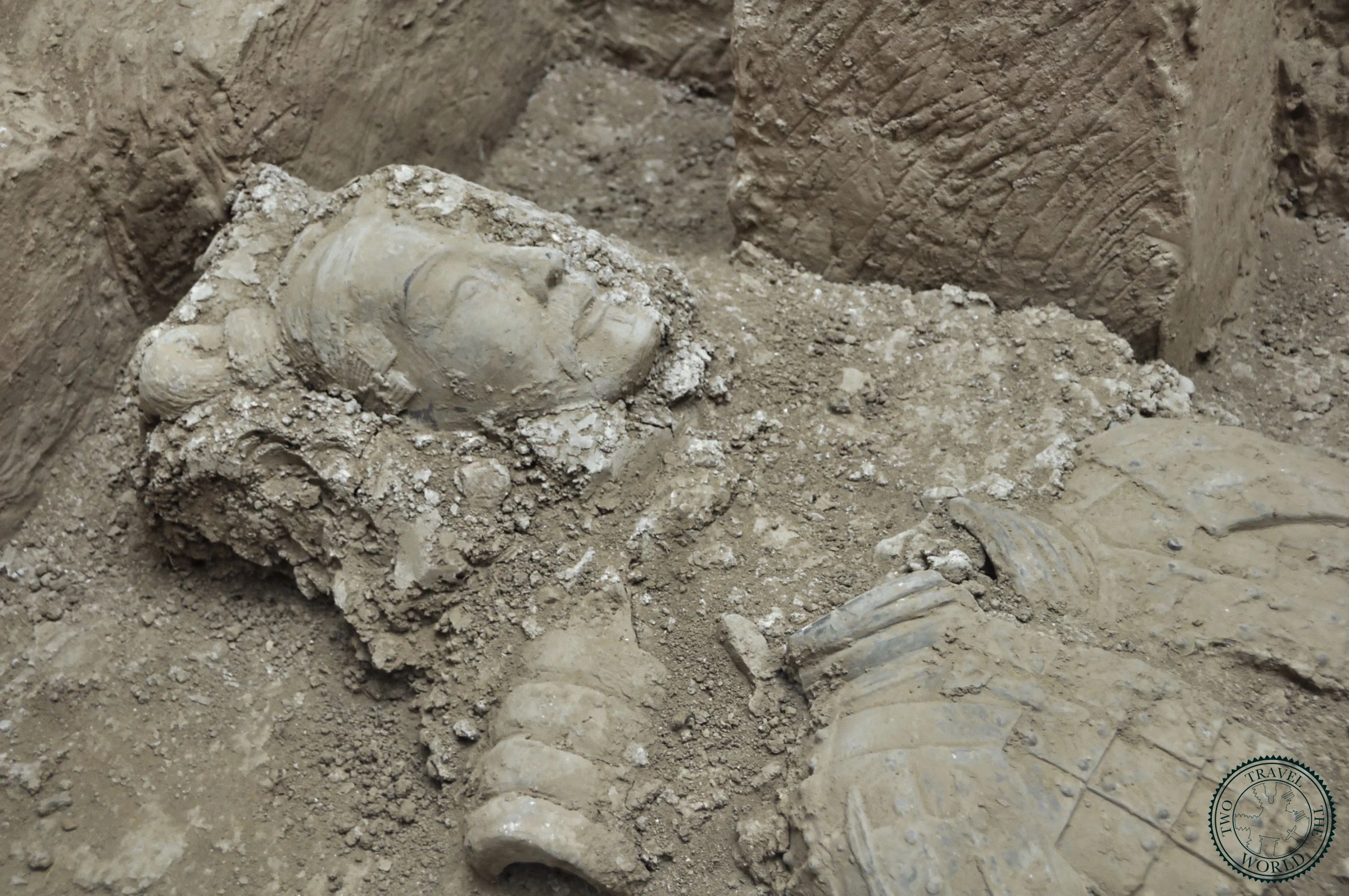
The Terracotta Army was constructed over 2,200 years ago. The tomb was only discovered by chance in 1974 by local farmers. It makes it one of the greatest discoveries of the 20th century.
-
The soldiers, horses, and chariots were all painted with bright pigments. Unfortunately, when the figures were unearthed, their paint curled up and withered away in seconds.
-
The Terracotta Army is only part of a garrison in Qin Shi Huang's mausoleum, which covers 56 square kilometres. More warriors could be unveiled in the future.
-
Around 130 chariots and hundreds of horses were buried as part of the extraordinary military formation. Thousands of real weapons including battle axes, crossbows, spears and arrowheads were also uncovered.
Visiting the Terracotta Warriors
- Getting there: Take bus 306 (Tourist Line 5) from Xi'an Railway Station east square - about 1 hour journey
- Avoid touts offering private buses - stick to official public buses for safety and fair pricing
- Purchase entry tickets at the archaeological site ticket office
- The site contains over 8,000 life-sized terracotta soldiers, each with unique facial features
- Constructed over 2,200 years ago by China's first emperor Qin Shi Huang (started age 13, took 40 years, 700,000+ workers)
- Must-try Xi'an food: Biangbiang noodles (widest noodles, most complex Chinese character) and Roujiamo (Chinese hamburger)
- Dining is very affordable - we paid £5 for 2 plates and 2 beers!
- Evening show: 'Song of Everlasting Sorrow' at Huaqing Hot Springs - spectacular outdoor performance with Mount Li as backdrop
- The show features impressive lights, special effects, music, costumes - potentially better than West End musicals!
- The show is one hour long - book tickets in advance and take a bus to Huaqing Hot Springs
Pin These Moments
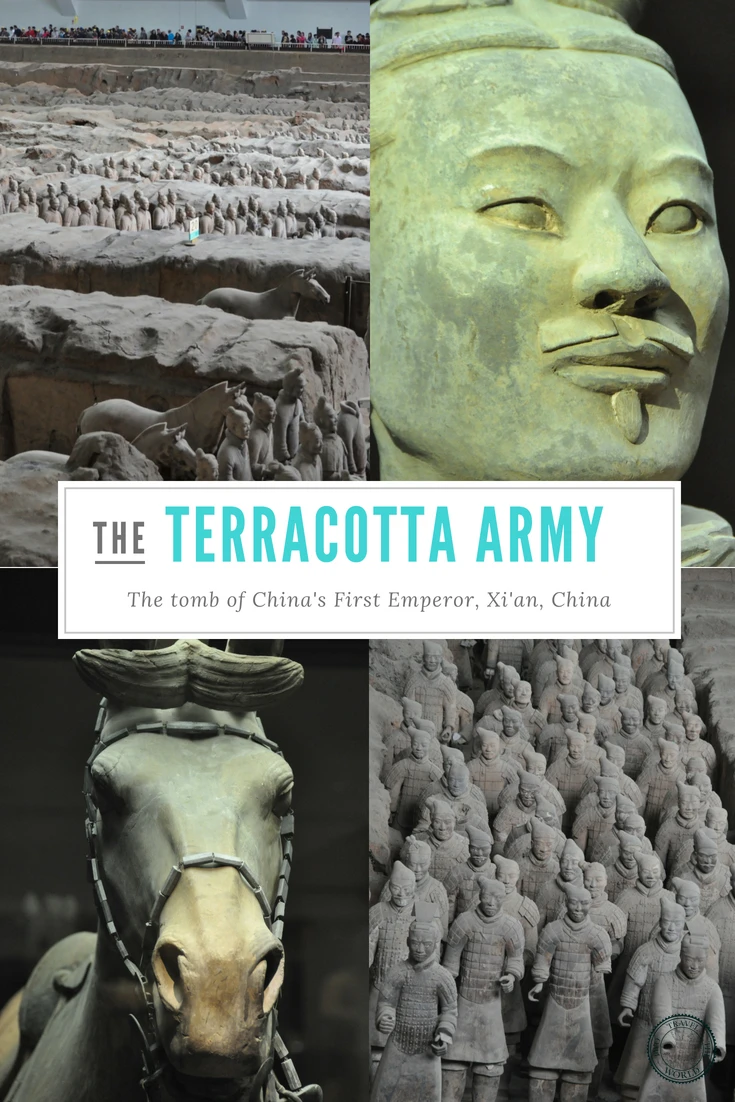
🗿 Terracotta Army
Standing before 8,000 life-sized clay soldiers - China's first emperor's 2,200-year-old army
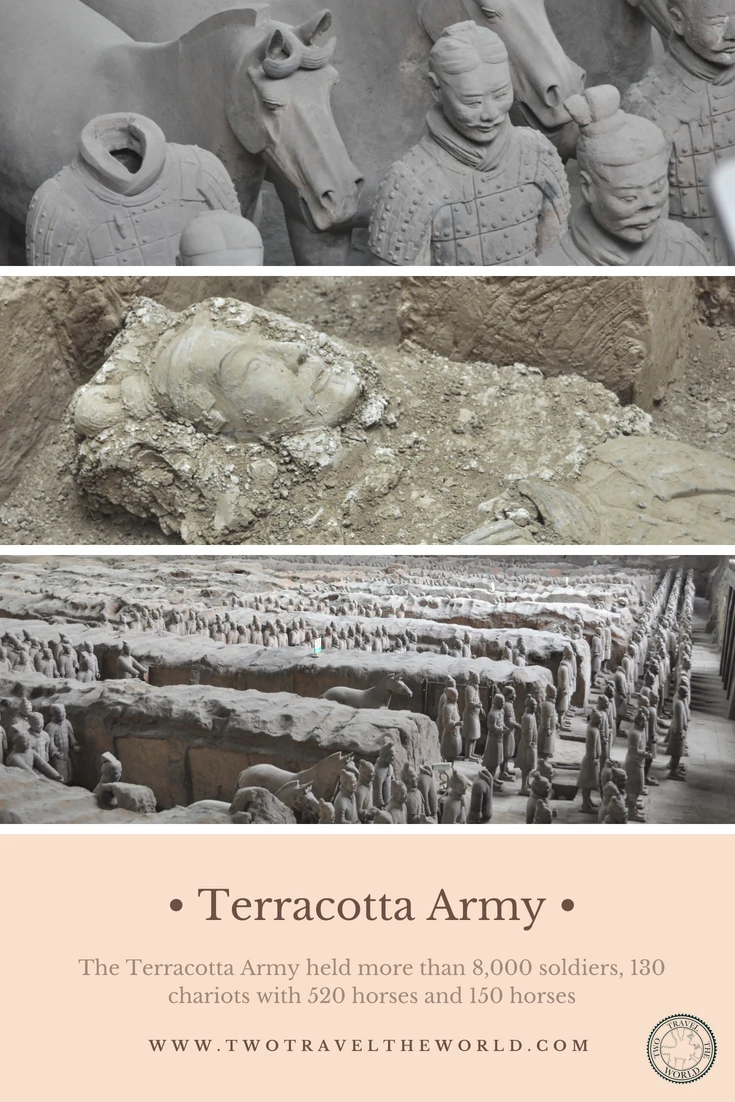
🎭 Spectacular Show
Watching the breathtaking 'Song of Everlasting Sorrow' performance at Huaqing Hot Springs

🍜 Xi'an Cuisine
Tasting Biangbiang noodles and Roujiamo - Xi'an's most iconic traditional dishes
Have you visited the Terracotta Warriors? Which pit impressed you most? Did you try Biangbiang noodles or see the 'Song of Everlasting Sorrow' show? Share your Xi'an experiences!