Aguas Calientes · Wednesday 2 May 2018Wed 2 May 2018
The Machu Picchu Mountain
We skipped the bus, climbed 2,115 stone steps, and reached the summit of Machu Picchu Mountain—where we finally understood why the Incas built here.
Words DavidPhotos KroAdventure · Hiking · UNESCO World Heritage · Photography
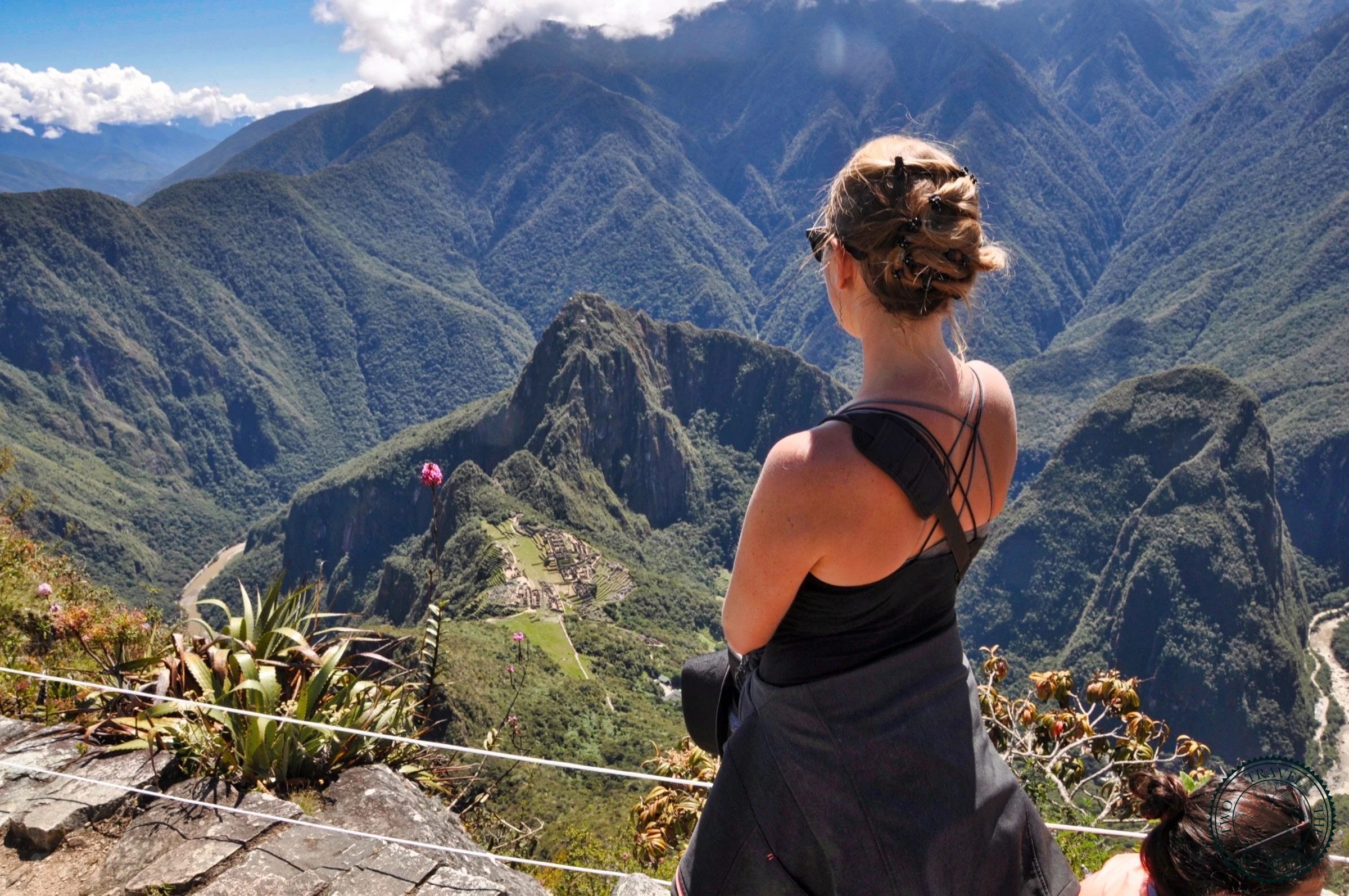
A million people visit Machu Picchu every year. We'd been traveling through Peru for two weeks, building up to this moment—and we weren't about to settle for just walking through the ruins. We came to climb the mountain that gives this place its name.
The 4 AM Strategy
Here's the thing about Machu Picchu: the first buses don't leave Aguas Calientes until 5:30 AM. But the bridge opens at 5 AM for people willing to walk. Do the math, and you realize the hikers get there first.
We wanted to be among the first through the gates. So we skipped the bus entirely.
At 4 AM, we slipped out of Catari's House ↗ into streets already buzzing with headlamps and hushed voices. Dozens of people were queuing at the bus kiosk. More clustered near the bus stop, waiting for the 5:30 departure. We walked past all of them, slightly smug, entirely caffeine-deprived.
The only bridge over the Vilcanota River was closed. Guards wouldn't let anyone cross until 5 AM sharp. So we stood there with about a hundred other early risers, stamping our feet against the morning chill, watching our breath fog up in the darkness. When the guards finally waved us through, we climbed in near-total darkness. Fifty minutes later, we reached the entrance just as the first buses were pulling up behind us. The gamble paid off.
Pro tip: The bridge opens at 5 AM sharp, but arrive by 4:45 AM to secure a good spot in line. The walk up takes about 50 minutes—factor that into your timing if you want to catch sunrise inside the citadel.
First Light on Stone
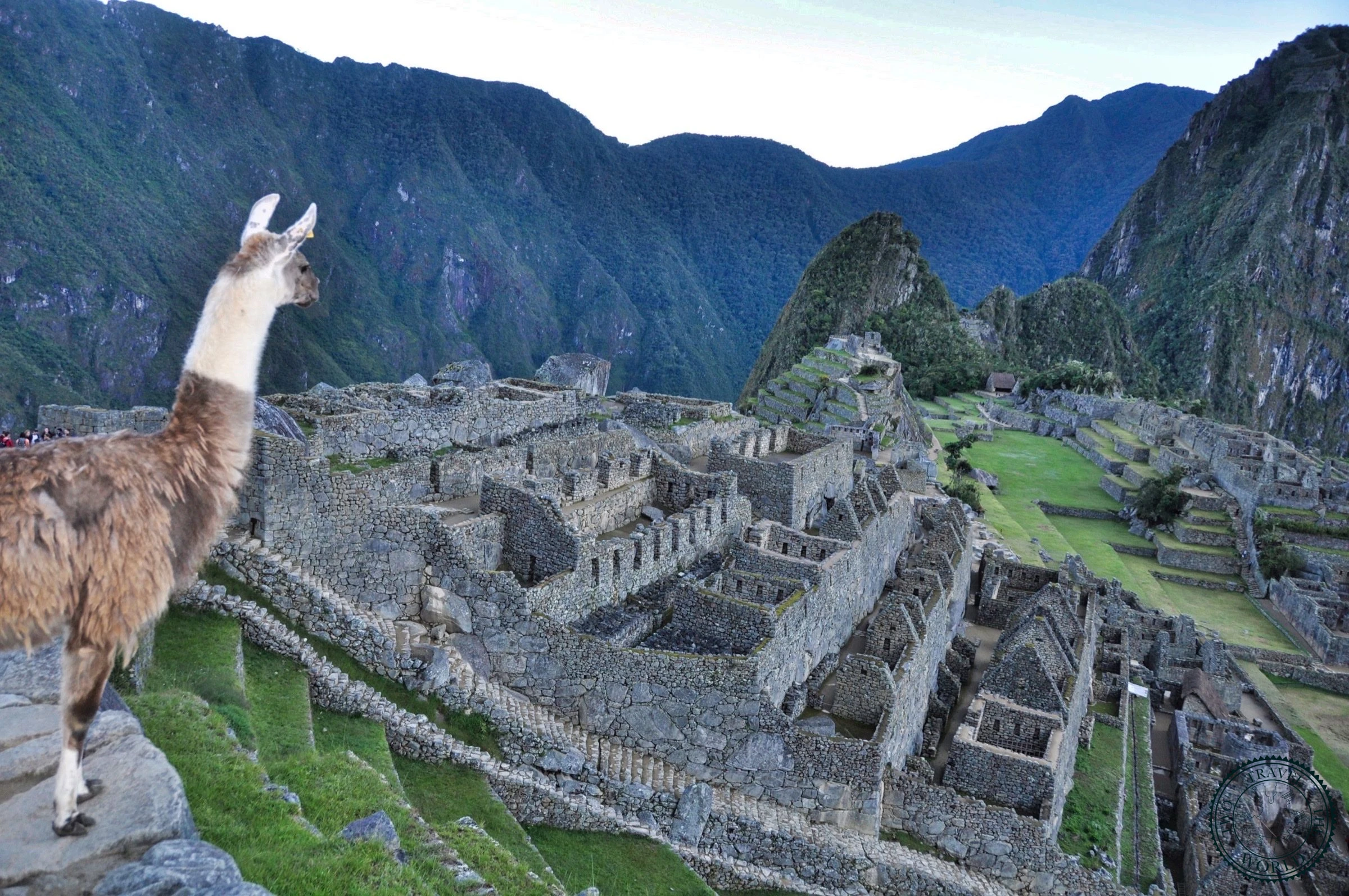
The gates opened at 6 AM. We walked through, rounded a corner, and there it was—stone terraces cascading down a razor-thin ridge, mountains plunging into mist on every side. And almost nobody else around. The site was nearly empty, just a handful of early birds and the llamas. You've seen the photos a thousand times. Doesn't matter. In person, with no crowds, the scale hits different.
What struck us first wasn't the ruins themselves, but where they put them. The Incas could have built anywhere. They chose this—a saddle between two peaks, wrapped in clouds, accessible only by a single narrow path. The engineering is impressive. The audacity is something else entirely.
The Incas didn't build Machu Picchu to be seen. They built it to disappear.
Llamas wandered the terraces like they owned the place. (They might.) One posed for our camera without prompting, tilting its head at just the right angle. Professional model energy.
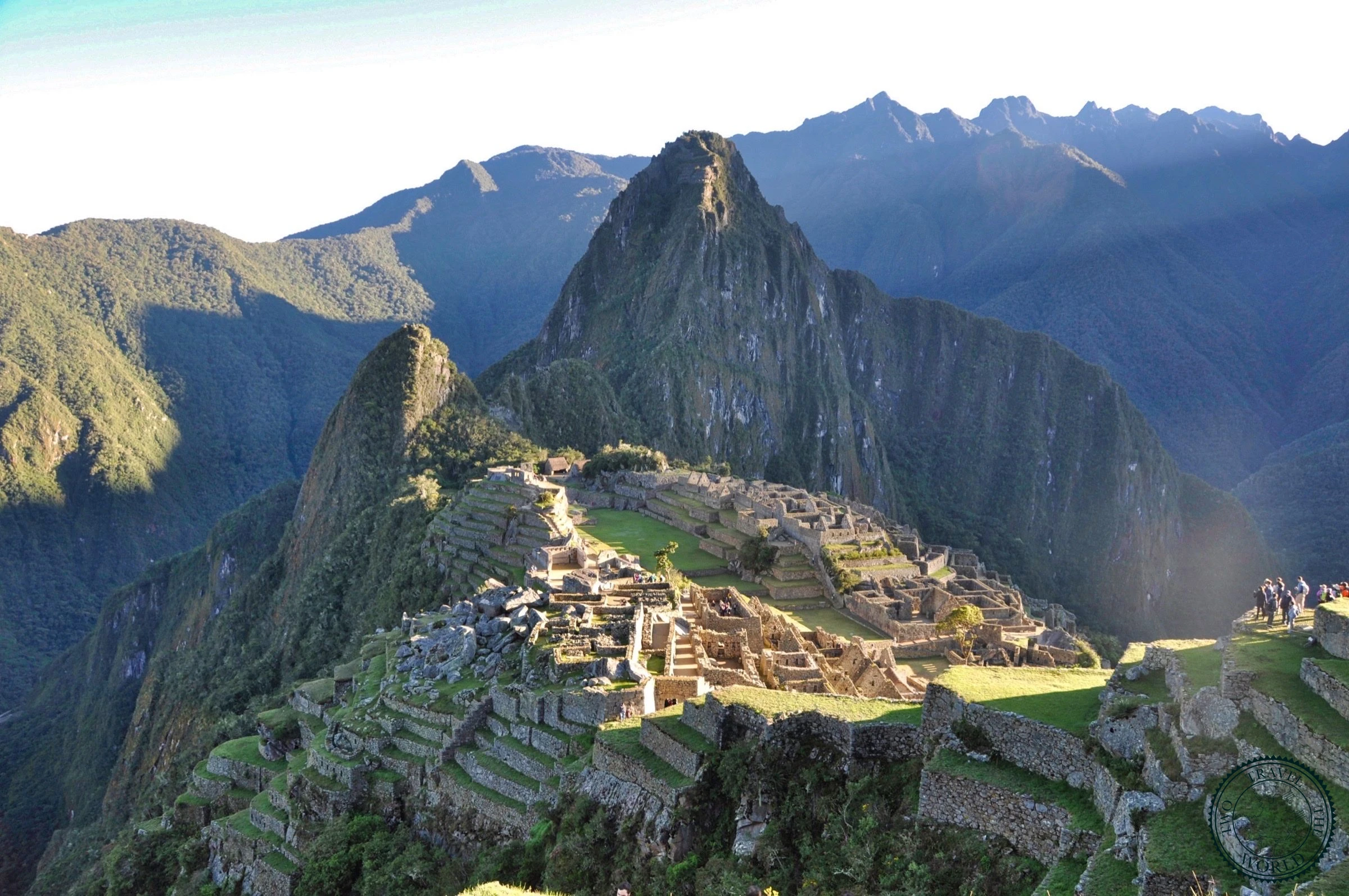
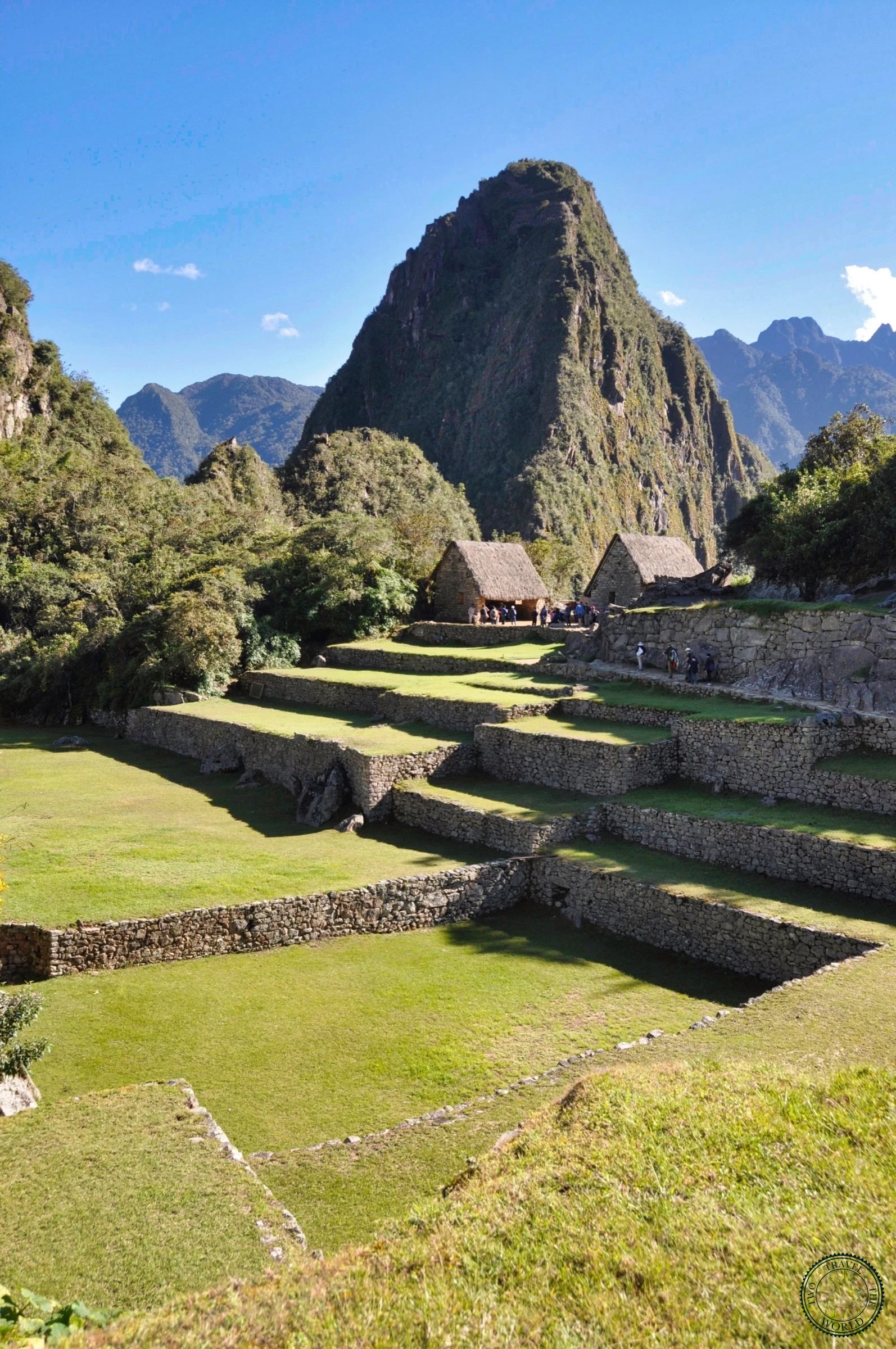
We spent two hours wandering before our mountain permit window opened. The terraces where the Incas grew over 400 crop varieties. The Intiwatana stone, precisely carved to track the sun. The Temple of the Three Windows, aligned with the solstice. The Temple of the Condor, where sacrifices were made. Each structure more precise than it had any right to be, given the tools they had.
Tips for Visiting Machu Picchu Mountain
- Entrance ticket to Machu Picchu + Mountain: $44 USD
- Only 400 visitors allowed per day - book in advance! Two time slots: 7-8 AM or 9-10 AM entry
- Start early! We left at 4 AM to walk up from Aguas Calientes and reached the entrance at 5:50 AM
- Roundtrip bus ticket from Aguas Calientes: $24 USD (or hike up in 50 minutes)
- Bring plenty of water - the climb has 2,115 stone steps and takes 1.5-2 hours up
- Altitude: Summit is at 3,061m. Acclimatize in Cusco for 2-3 days before attempting
- Return train from Ollantaytambo to Cusco: $150 USD. Budget alternative: Collectivo for 10 soles
- We stayed at Catari's House in Aguas Calientes - great location for early starts
Note: Prices and info are based on our 2017 trip and may have changed. Always check official sources before your visit.
2,115 Steps
At 9 AM, our permit window opened for Machu Picchu Mountain—the bigger, quieter sibling to Huayna Picchu.
Most people go for Huayna Picchu, the dramatic peak you see in every postcard looming behind the ruins. It's got the reputation: steep ladders, narrow paths, sheer drops. Instagram gold. But Machu Picchu Mountain is 500 meters higher and offers something Huayna can't—a view of everything. The ruins, the surrounding peaks, the river snaking through the valley far below.
Only 400 people per day get permits. We signed the registry at the warden hut, flashed our tickets, and started climbing.
The trail is made of original Inca stonework: 2,115 uneven steps carved into the mountainside. (Yes, we counted. What else are you going to do when you're gasping for air?) The path was clear and well-marked—no scrambling required. But "clear" doesn't mean "easy." At 2,400 meters and climbing, every step felt like two.
We stopped constantly. Partly to catch our breath. Mostly because each switchback revealed a better view than the last. Machu Picchu shrank below us, the terraces looking more and more like a model someone had glued to a ridge. The ruins that had seemed so massive an hour ago now fit in the palm of our hand.

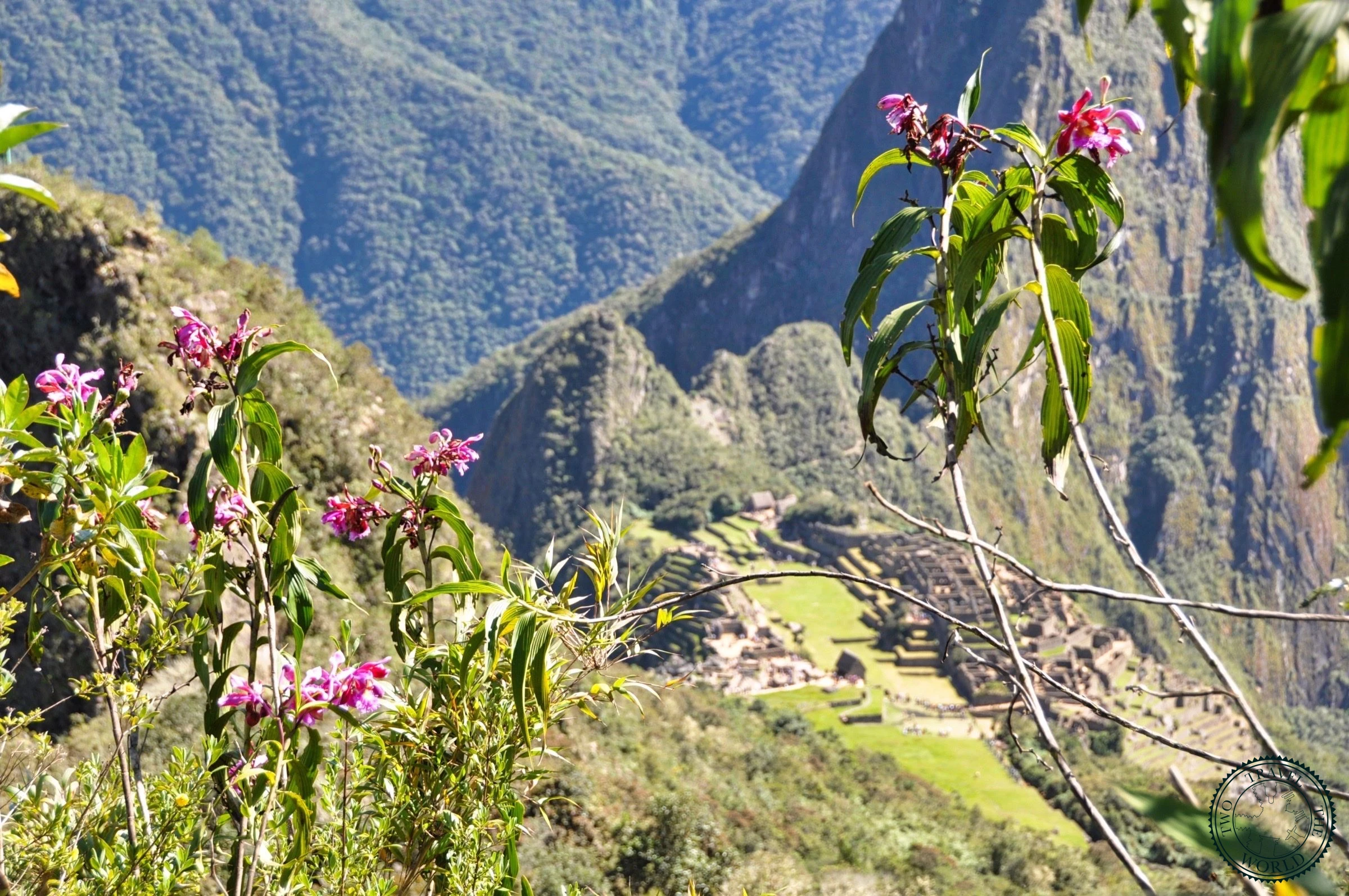
The View That Explains Everything
The final stretch got interesting. Narrower. Steeper. A few people coming down looked genuinely rattled—the kind of wide-eyed expression that says "I didn't sign up for this." If heights aren't your thing, this last bit will test you.
And then, one more switchback, and we were there.

3,061 meters above sea level. 630 meters above the ruins. The entire Sacred Valley spread out below us like a map someone had crumpled and then smoothed back out.
The Rio Urubamba carved its way through the mountains, wrapping around the ridge where the Incas had built their sanctuary—the one the Spanish conquistadors searched for but never found. From up here, you understand why. This place was designed to disappear. Tucked between peaks, swallowed by clouds, visible only if you knew exactly where to look.


We sat at the summit longer than we'd planned, passing a water bottle back and forth, watching clouds roll through the valley. Other hikers trickled in, all wearing the same dazed grin. Nobody talked much. There wasn't a lot to say.
Far below, we could make out Aguas Calientes clinging to the riverbank, and the Santa Teresa hydro-electric station where the budget travelers' backdoor route ends. Our train to Ollantaytambo would leave in a few hours. But for now, we just sat there, legs burning, lungs complaining, thoroughly content.
The descent took half the time. We got our passports stamped at the exit (free souvenir), walked back down to Aguas Calientes the same way we'd come up, and caught our train with minutes to spare.
Climbing Machu Picchu Mountain turned out to be the highlight of our two weeks in Peru. The 4 AM wake-up, the walk in the dark, the 2,115 steps—all of it was worth it for that moment at the summit when everything finally clicked. You don't just see Machu Picchu from up there. You understand it.
The ruins are spectacular. The mountain puts them in perspective. If your legs and lungs can handle it, climb up. You'll see why the Incas picked this exact spot—and why the Spanish never found it.
If you've made it to Machu Picchu or tackled the mountain yourself, we'd love to hear your story. Drop a comment below and share your experience—or any tips for fellow travelers planning the same adventure.
Pin These Moments
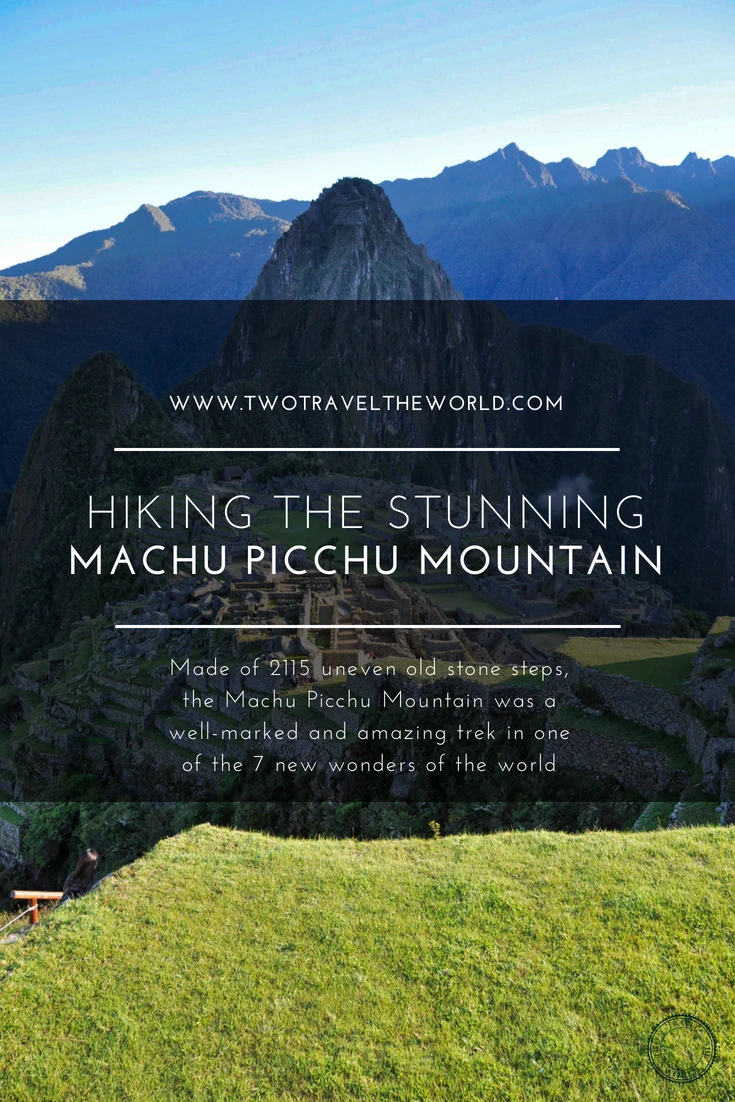
🏔️ Conquer Machu Picchu Mountain
The ultimate guide to hiking Machu Picchu Mountain - 2,115 steps to breathtaking 360° views of the ancient Inca citadel!
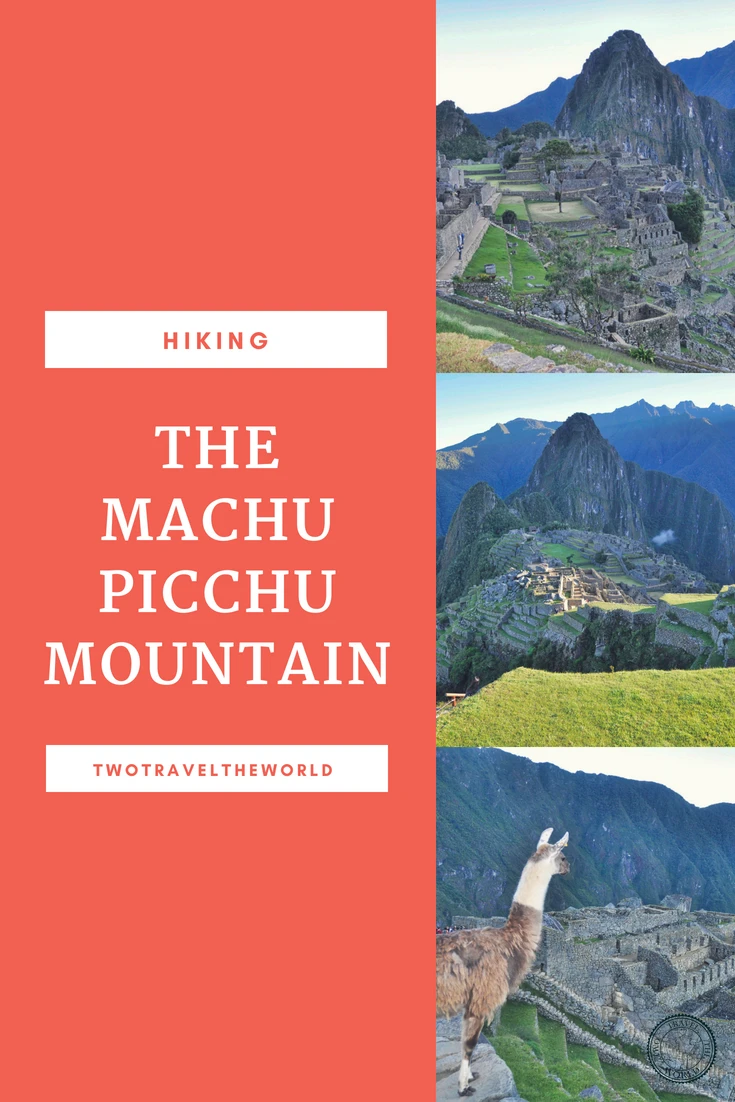
🌅 Magical Machu Picchu Sunrise
Watch the sun illuminate the Lost City of the Incas stone by stone in one of the world's most spectacular archaeological sites.
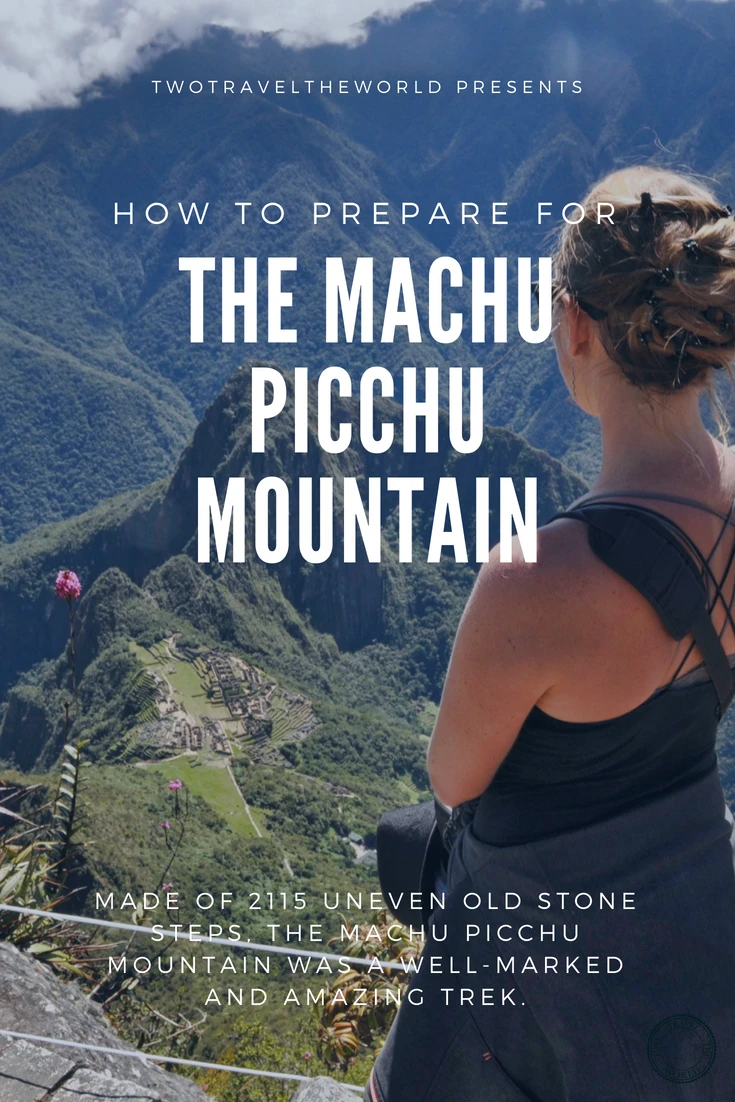
✨ Summit Views of Machu Picchu
At 3,061m above sea level, the summit offers unparalleled views of the Inca sanctuary and the Urubamba Valley below.