Cape Tribulation · Sunday 21 January 2018Sun 21 Jan 2018
Daintree Rainforest: Exploring the World's Oldest Tropical Rainforest
We explored the Daintree Rainforest, the world's oldest tropical rainforest at 180 million years old, encountering flooding rains, aerial walkways through the canopy, and the unique ecosystem where the rainforest meets the reef.
Words DavidPhotos KroCampervanCampervanHeavy rain and cloudy (28°C)Distance80 kmA$70.00Rainforest · UNESCO World Heritage · Wildlife · Adventure

We woke up in Cape Tribulation Beach where the rainforest meets the reef. The weather was cloudy but the rain finally stopped after pouring down the whole night. Before starting our Daintree Rainforest tour, we wandered on the deserted beach along the rainforest, hoping to snorkel the crystal clear waters.
Box Jellyfish Warning: No Swimming
Unfortunately, box jellyfish - the most venomous animal in the world - are found in coastal waters during the Australian summer (November-May). Their sting produces excruciating pain accompanied by an intense burning sensation which can lead to death if not treated immediately.
Not keen on taking any risk, we skipped the morning swim and headed back to the campervan to prepare for our Daintree Rainforest tour. The National Park was an adventure playground for the nature lovers we were.
Driving Through Flooded Roads
After breakfast, we packed, cleaned up and set off for the award-winning Daintree Discovery Centre, one of the best starting points for any Daintree Rainforest tours. The rain started again. Heavily.
The roads became increasingly flooded as we drove through the rainforest. We had to stop and wait, concerned our campervan wouldn't be able to cross the streams. At some point, we even had to clear the route from trees pushed by the strong current! This was real adventure - the Daintree doesn't hold back during wet season.
Daintree Discovery Centre: The World's Oldest Rainforest
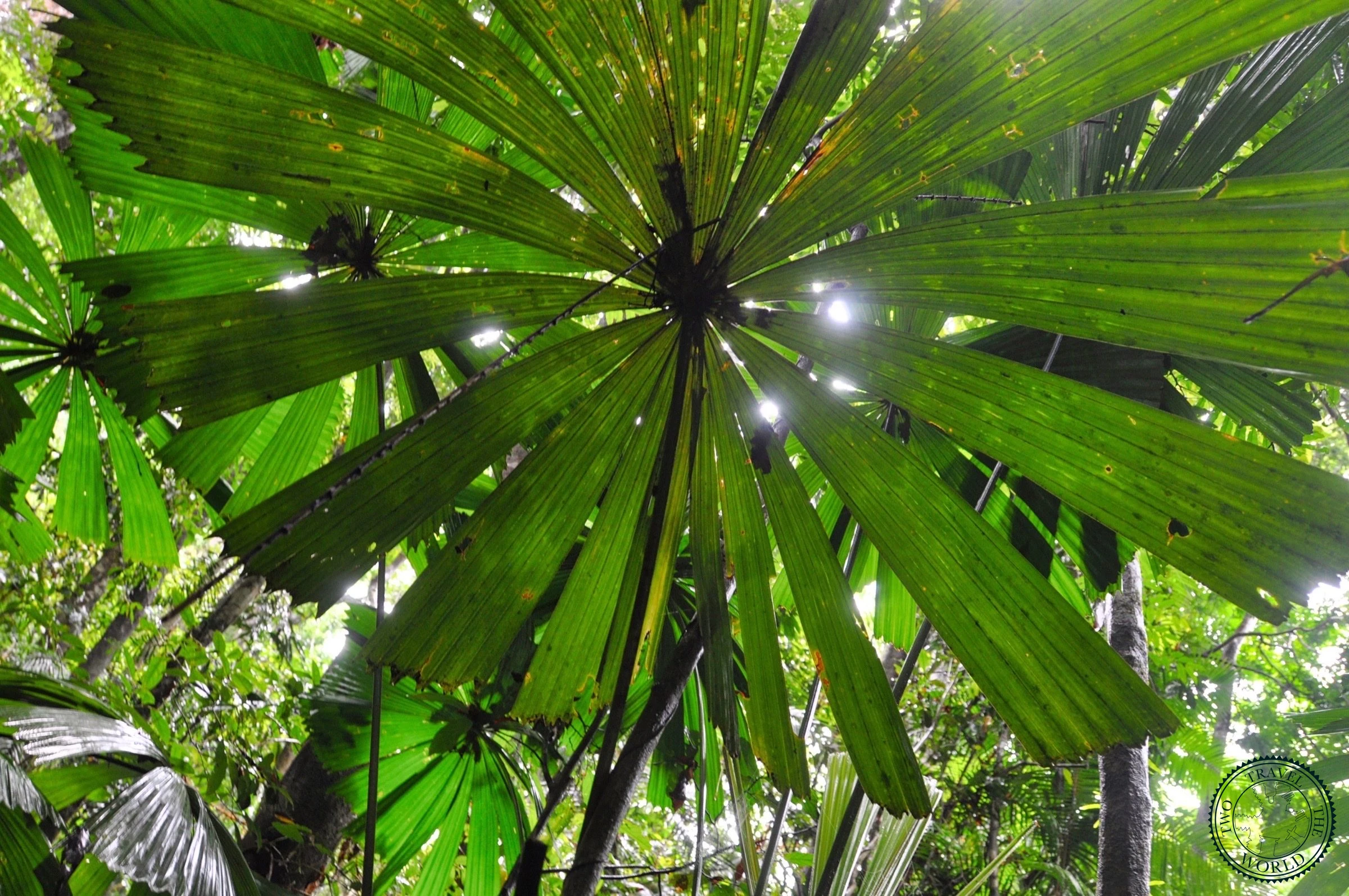
We eventually made our way to the Discovery Centre. The center provided an interactive experience within the oldest lowland tropical rainforest in the world - 180 million years old! To put this into context, the Amazon is only 7 million years old!
The Daintree existed when dinosaurs roamed the earth and has survived ice ages, continental drift, and climate changes that wiped out rainforests elsewhere. Many plants here are living fossils, unchanged for millions of years.
Canopy Walkways and Endemic Wildlife
Through different aerial walkways, lookout towers and activities, we learned about everything from primitive flowering plants to endemic wildlife, including the endangered cassowary. The cassowary is a large flightless bird critical to the rainforest ecosystem - it disperses seeds from large rainforest fruits that other animals can't eat.


Jindalba Boardwalk: Walking Through Ancient Forest
We continued our Daintree expedition with a 3-kilometer walk on the Jindalba Boardwalk near the Discovery Centre entrance. The tracks were well-marked but heavy rains turned them into water streams. Our last pair of dry shoes got wet in no time. Damn! How many pairs of shoes do we need on this trip?
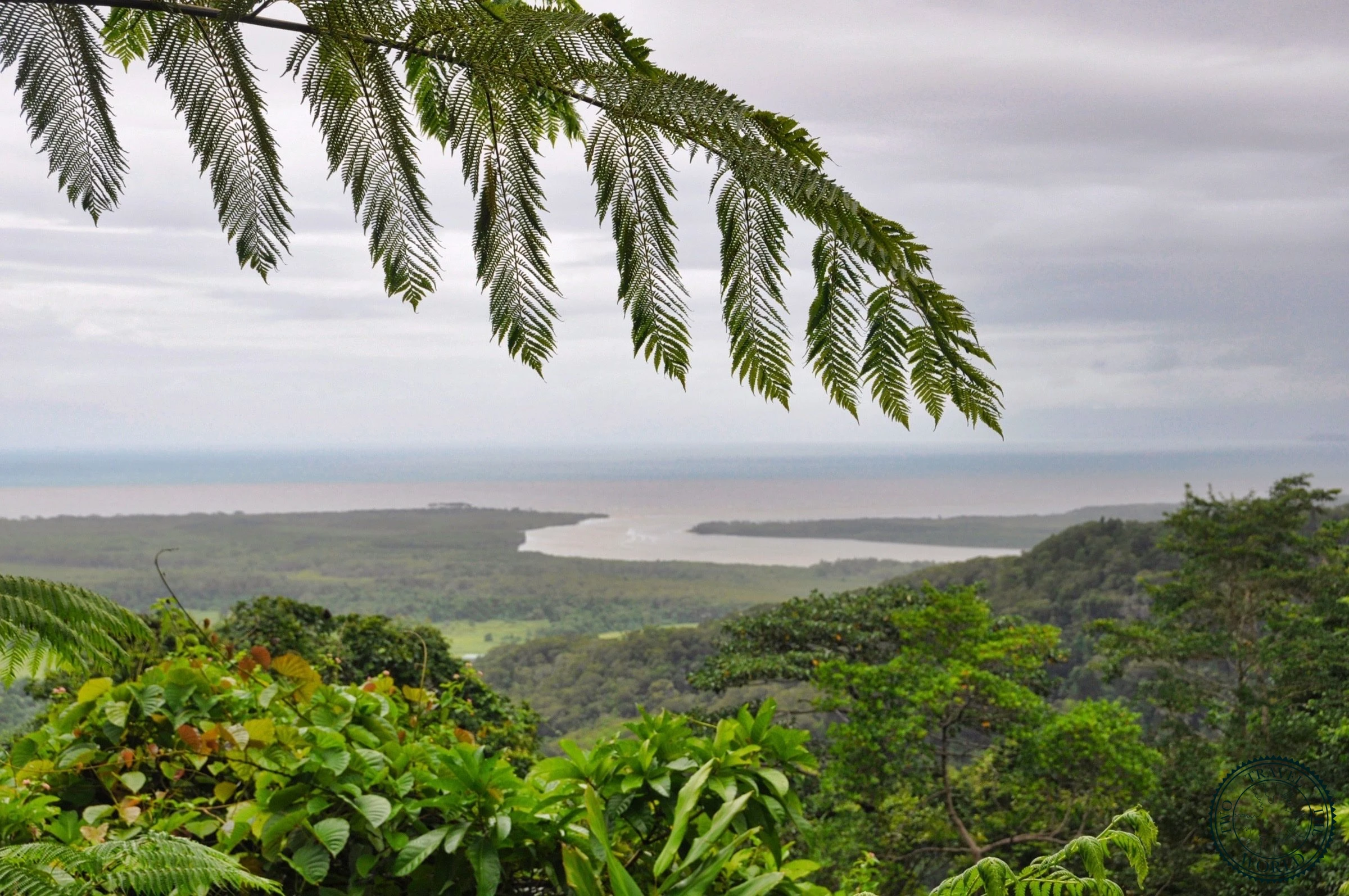
We started on a gravel path beneath a towering canopy of palms and ferns, which transitioned into a boardwalk with numerous viewing platforms. The sounds of the rainforest were incredible - bird calls, rustling leaves, and the constant drip of water from the canopy above.
Captain Cook Highway to Port Douglas
We ended the day in Port Douglas by driving south along the magnificent scenic coastal route - the Captain Cook Highway. This drive between Cape Tribulation and Port Douglas is one of the most beautiful coastal drives in Australia, with the rainforest on one side and the Coral Sea on the other.
We loved the small resort town of Port Douglas, and it made a perfect place to enjoy a relaxing evening after our adventurous Daintree Rainforest tour.
Where the Rainforest Meets the Reef
The Daintree region is unique as the only place on Earth where two UNESCO World Heritage Sites meet: the Daintree Rainforest and the Great Barrier Reef. This extraordinary convergence of ecosystems creates unparalleled biodiversity.
Have you visited the Daintree Rainforest? Did you stay in Cape Tribulation or Port Douglas? Did you see any cassowaries or other wildlife? Have you done the canopy walkways at the Discovery Centre? Did you brave swimming despite the box jellyfish warnings? How did you find driving in the wet season with flooded roads? Share your Daintree experiences in the comments below!
Tips for Visiting Daintree Rainforest
- Best time to visit: Dry season (May-October) for easier driving conditions. Wet season (November-April) is dramatic but roads flood. We visited in January (wet season) and experienced heavy flooding!
- Daintree Discovery Centre: Approximately $35 AUD per adult. Worth it for the aerial walkways, lookout towers, and educational exhibits about this ancient rainforest.
- Box jellyfish warning: Do NOT swim in the ocean November-May. Box jellyfish are deadly and common during summer. Stinger suits don't guarantee full protection. Freshwater swimming holes are safe.
- 4WD not required in dry season, but highly recommended in wet season. Roads can flood dramatically. We had to clear fallen trees! Check road conditions before traveling.
- The Daintree is 180 million years old - the world's oldest tropical rainforest! For comparison, the Amazon is only 7 million years old. Many plants here are living fossils unchanged for millions of years.
- Aerial canopy walkways at Discovery Centre provide incredible photo opportunities. The lookout towers give panoramic views over the rainforest canopy.
- Jindalba Boardwalk: 3 km walk with viewing platforms. In wet season, trails become streams! Wear waterproof shoes or accept they'll get soaked. Bring extra shoes.
- Cape Tribulation is where the rainforest meets the reef - the only place two UNESCO World Heritage Sites converge. Stay overnight to explore fully.
- Cassowary spotting: The endangered cassowary (large flightless bird) lives here. Early morning/late afternoon are best. Never feed or approach them - they can be dangerous!
- Daintree River crossing: Take the cable ferry (vehicles cross on a small car ferry). Runs continuously during daylight. Small fee. No bridge - it's part of the adventure!
- Accommodation options: Cape Tribulation (campsites, lodges, eco-resorts), Port Douglas (resort town), or Cow Bay area. We campervanned - many campgrounds available.
- Bring rain gear even in dry season. The rainforest is humid and wet. Waterproof bags for cameras/electronics essential. Leeches common after rain - check your legs!
The Daintree Rainforest exceeded our expectations despite the flooding! Exploring the world's oldest tropical rainforest (180 million years!) through aerial walkways and flooded boardwalks was an incredible adventure. The dramatic wet season added excitement - clearing trees from flooded roads is not your typical rainforest tour! The Daintree's ancient beauty and unique position where rainforest meets reef make it an unmissable experience when visiting tropical North Queensland.